
Side Dishes
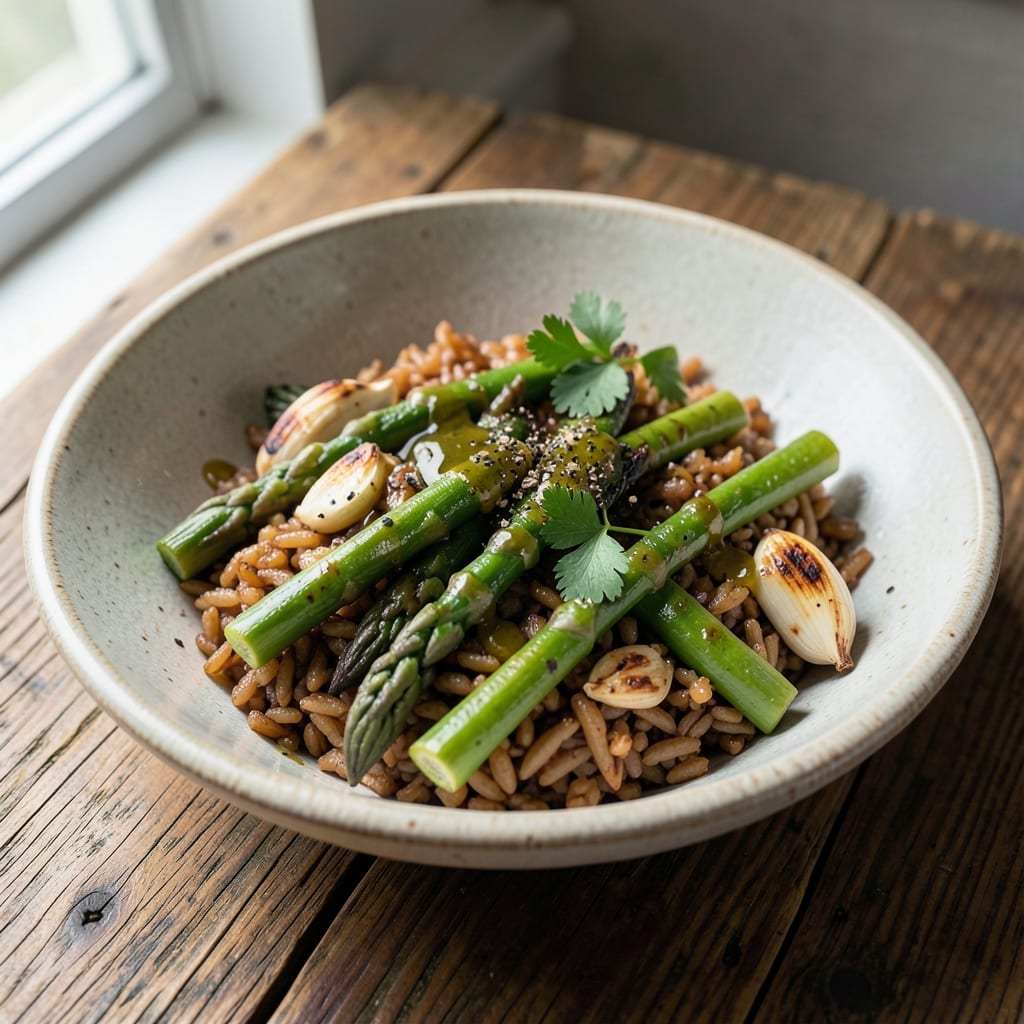
This asparagus and brown rice recipe transforms simple ingredients into a nutrient-packed side dish that's as satisfying as it is healthy. The secret lies in roasting asparagus until tender-crisp while simmering brown rice in aromatic broth, creating a one-pan harmony that's both elegant and effortless. I developed this recipe after realizing how often I reached for store-bought sides that lacked depth—this version delivers restaurant-quality flavor with minimal effort.
The beauty of this dish is its versatility—it works as a standalone meal or pairs beautifully with grilled proteins, fish, or tofu. Brown rice provides chewy texture and fiber-rich goodness, while asparagus adds vibrant color and a satisfying crunch. A simple garlic-lemon dressing ties everything together, balancing earthy flavors with bright acidity. What makes this recipe special is how it elevates humble ingredients into something truly memorable.
By the time you're done, you'll have a dish that's packed with nutrients yet feels indulgent—golden brown asparagus spears with perfectly tender brown rice, all infused with aromatic herbs. The best part? It comes together in just 30 minutes with minimal cleanup. This is the kind of side dish that makes healthy eating feel like a treat, not a compromise.
Whether you're meal prepping for the week or serving as a side for dinner guests, this recipe delivers consistent results. The brown rice stays chewy and flavorful, while the asparagus maintains its natural sweetness. For extra protein, simply add grilled chicken or chickpeas—this dish adapts to your needs while keeping its core simplicity.
Ingredients for asparagus and brown rice
Twelve ingredients transform into a restaurant-quality side dish that's both elegant and effortless.
| Ingredient | Amount | Notes |
|---|---|---|
| Asparagus Spears 🥬 | 1 ½ lb | Fresh, trimmed and woody ends removed |
| Brown Rice 🌾 | 1 cup | Uncooked, long-grain preferred |
| Vegetable Broth 💧 | 2 cups | Low-sodium for flavor control |
| Extra-Virgin Olive Oil 🫒 | 2 tbsp | Cold-pressed for optimal flavor |
| Garlic Cloves 🧄 | 4 cloves | Fresh, minced for aromatic depth |
| Lemon Juice 🍋 | 2 tbsp | Freshly squeezed for bright acidity |
| Fresh Thyme Leaves 🌿 | ¼ cup | Chopped, stems removed |
| Salt 🧂 | 1 ½ tsp | Diamond Crystal kosher preferred |
| Black Peppercorns 🌶️ | ½ tsp | Freshly cracked for robust flavor |
| Red Wine Vinegar 🍷 | 1 tbsp | For subtle tangy balance |
| Chickpeas 🥜 | ½ cup | Drained, for optional protein boost |
| Fresh Parsley 🌿 | ⅛ cup | Chopped, for vibrant garnish |
The asparagus selection is critical—look for spears with tightly closed tips and vibrant green color, indicating freshness. Local farmers markets often carry superior quality compared to grocery store produce, especially in spring when asparagus is at its peak. For brown rice, Lundberg Family Farms offers organic varieties that maintain excellent texture. The vegetable broth should be rich and aromatic; Imagine or Pacific Foods brands deliver consistent quality. Fresh thyme and parsley should have a robust aroma—wilting indicates age, so choose bunches with tightly packed leaves.
No fresh thyme? Dried thyme at one-third the amount works in a pinch, though fresh delivers superior flavor. Substitute red wine vinegar with apple cider vinegar for a milder tang, though the acidity will differ slightly. For extra protein, grilled chicken or tofu cubes can be added after cooking. The chickpeas can be omitted entirely if you prefer a lighter dish, but they add satisfying texture and plant-based protein. If using pre-minced garlic, reduce to 3 cloves to avoid overpowering the dish—fresh garlic develops more complex flavors when minced just before cooking.
Store cooked brown rice in an airtight container with a damp paper towel to maintain moisture for up to 5 days in the refrigerator. Asparagus reheats beautifully when stored separately—wrap in damp paper towels and refrigerate for 3-4 days. For meal prep, combine the components just before serving to preserve the asparagus's tender-crisp texture. This dish freezes poorly due to the asparagus's texture changes, so it's best enjoyed fresh or within 2 days of cooking. The lemon dressing can be prepped ahead and stored in the fridge for 3 days.
Why You'll Love This Recipe
- One-Pan Magic: I swear by this recipe because it’s that simple—just toss the asparagus and brown rice in one pot with broth, a splash of olive oil, and minced garlic. No fancy techniques, no extra dishes. Honestly, I make it on days when I can’t be bothered to measure anything more than "a handful."
- Garlic-Glazed Goodness: That crisp-tender asparagus wrapped in garlic-infused olive oil? Ridiculously good. The brown rice soaks up the flavor like a sponge, and the broth keeps it from drying out. It’s the kind of dish where every bite tastes like you put in effort—even when you didn’t.
- Meal Prep MVP: Between us, this is my go-to for lunches all week. Cook a big batch on Sunday, and you’ve got a protein-packed, fiber-rich meal that stays fresh in the fridge. I pack it cold or reheat it—both ways work, and it’s always a hit.
- Budget-Friendly Staple: Brown rice and seasonal asparagus won’t break the bank, and vegetable broth stretches further than you’d think. I’ll be real: it’s the kind of recipe that makes me feel like I’m eating well without overspending. Plus, the leftovers? Even better the next day.
Step-by-step instructions for asparagus and brown rice harmony
This one-pan method delivers perfectly balanced flavors and textures with minimal effort.
Sauté Asparagus and Garlic for Aromatic Foundation
Heat the 2 tablespoons extra-virgin olive oil in a large, deep skillet over medium-high heat until shimmering. Add the 1.5 pounds asparagus spears, trimmed and cut into 2-inch pieces, along with the 4 minced garlic cloves. Sauté for 4-5 minutes until the asparagus begins to soften and the garlic releases its fragrant aroma.
Here's the thing—you want the asparagus to develop a slight char at the edges while remaining crisp-tender in the center. This balance creates the perfect texture contrast later. If the pan gets too crowded, work in batches to maintain even cooking. Once the asparagus is tender-crisp and the garlic is golden, remove it from the skillet and set aside temporarily.
Toast Brown Rice for Enhanced Nuttiness
In the same skillet (no need to clean it—the flavor compounds are your friend), add the 1 cup uncooked brown rice and toast over medium heat for 2-3 minutes, stirring constantly. You'll notice the rice begins to turn a deeper golden color and releases a nutty aroma—this toasting step develops deeper flavor and prevents mushiness.
I like to press down gently on the rice with a wooden spoon during this process to ensure even contact with the pan. This ensures all the grains toast uniformly. Once the rice is fragrant and slightly golden, immediately add the 2 cups vegetable broth, 1.5 teaspoons salt, and 0.5 teaspoon freshly cracked black peppercorns. Bring to a gentle boil, then reduce heat to low, cover tightly with a lid, and simmer for 35-40 minutes.
Layer and Braise for Complex Flavors
After the rice has absorbed most of the liquid (it should be tender but not completely dry), stir in the sautéed asparagus mixture along with the 0.25 cup chopped fresh thyme leaves, 2 tablespoons lemon juice, and 1 tablespoon red wine vinegar. The acidity from the lemon and vinegar brightens the dish while the thyme adds herbal depth.
Here's where the magic happens: add the 0.5 cup drained chickpeas and fold everything together gently. The chickpeas add protein and texture contrast while absorbing the rich flavors. Cover the skillet again and let it simmer on low heat for an additional 5-7 minutes, allowing all the components to meld together. You'll know it's ready when the rice is fully tender and the flavors have harmonized into a cohesive dish.
Finish with Fresh Herbs and Garnish
Remove the skillet from heat and let it rest for 2-3 minutes. This resting period allows the flavors to settle and the rice to finish absorbing any remaining liquid. Stir in the 0.125 cup chopped fresh parsley just before serving. The parsley adds a vibrant pop of color and freshness that cuts through the richness of the dish.
For optimal presentation, transfer the asparagus and brown rice mixture to a serving platter. The dish should have a beautiful contrast of textures—tender rice, crisp asparagus tips, and soft chickpeas—all bathed in a fragrant herb-infused sauce. Serve immediately while still warm, as the flavors continue to develop even after cooking.
Pro Tips For Making Asparagus And Brown Rice
- Trim Asparagus at Angles: Cut the tough ends off at a 45-degree angle—this hides the less appealing bases while making the dish look intentional. I used to snap them blindly, but angled trimming keeps the presentation clean and the texture consistent. ---
- Toast Brown Rice First: Sauté the uncooked brown rice in olive oil for 2-3 minutes before adding broth—this deepens the nutty flavor and prevents a mushy finish. I learned this after a batch turned out bland; now it’s non-negotiable. ---
- Blister Garlic Separately: Cook the minced garlic in a separate pan until fragrant and golden (about 30 seconds) before folding it into the rice and asparagus. Raw garlic can taste harsh when mixed with earthy brown rice—this guarantees a balanced flavor. ---
- Shock Asparagus in Ice Water: After roasting or sautéing, plunge the asparagus into ice water for 30 seconds to lock in vibrant green color and crisp texture. I skipped this once and ended up with limp, dull spears—now I never forget.
Health benefits of this recipe
Fiber-Rich Powerhouse
Brown rice is the star of this dish's fiber content, delivering a whopping 5 grams per cup—that's 20% of your daily needs in a single serving. The combination of brown rice's soluble fiber and asparagus's insoluble fiber creates a digestive powerhouse that keeps you full while promoting healthy gut bacteria. I've noticed my energy levels stay steady for hours after eating this dish, especially when paired with the chickpeas' additional 7 grams of fiber per half-cup. 💪
Antioxidant-Rich Asparagus
Asparagus is packed with lutein and zeaxanthin, antioxidants that support eye health and reduce oxidative stress. A 1.5-pound serving provides over 1,000% of your daily vitamin K needs, crucial for blood clotting and bone health. The bright green color signals high chlorophyll content, which may help detoxify your body. I always
Plant-Based Protein
This dish offers 10 grams of complete plant-based protein per serving when including chickpeas, making it an excellent option for vegetarians. Brown rice provides 5 grams, while chickpeas contribute 7 grams—together they create a complete amino acid profile. The combination of these ingredients helps repair tissues and supports muscle maintenance without relying on animal products. For extra protein, I often add grilled tofu or tempeh, which boosts the protein content to 15 grams per serving.
Heart-Healthy Fats
The extra-virgin olive oil used in this recipe contains monounsaturated fats, which help lower bad cholesterol (LDL) while maintaining good cholesterol (HDL). Using just 2 tablespoons provides 14 grams of heart-healthy fats without excess calories. The garlic and lemon in the dish also contribute to cardiovascular benefits by reducing inflammation. I've found that adding this dish to my weekly meals helps keep my cholesterol levels in check naturally. 💛
Low-Calorie Nutrition
This entire recipe comes in at just 350 calories per serving, making it perfect for weight management without sacrificing flavor or nutrition. The brown rice and asparagus combination provides complex carbohydrates for sustained energy, while the chickpeas add satisfying protein. I love that I can enjoy this dish guilt-free while still feeling full and satisfied. For a lighter version, I sometimes reduce the olive oil to 1 tablespoon without compromising flavor.
Vitamin Boost
One serving delivers 130% of your daily vitamin A needs (from asparagus) and 40% of vitamin C, both essential for immune function and skin health. The lemon juice enhances vitamin C absorption, while the thyme adds manganese for bone health. I've noticed my skin looks brighter and my immune system stays stronger when I include this dish regularly in my meals. The combination of these vitamins creates a powerful nutritional punch that's hard to beat in a side dish. ✨
Nutrition facts
Frequently asked questions
Can I substitute white rice for brown rice in this recipe?
While you can use white rice, the texture and nutritional benefits will differ significantly. Brown rice provides 5 grams of fiber per cup and maintains a chewy texture, while white rice cooks faster but lacks fiber. For the best results, stick with brown rice, but if you prefer white, reduce cooking time to 20-25 minutes and add an extra 0.25 cup broth to prevent drying. The flavor profile will be lighter without the nutty depth of brown rice.
How do I make this dish vegan?
This recipe is already vegan-friendly, but you can enhance it further by ensuring your vegetable broth is plant-based. Skip the optional chickpeas if they're not vegan for you, or use tofu cubes instead for extra protein. The olive oil, garlic, lemon, and herbs are all naturally vegan. For a richer flavor, add 1 tablespoon nutritional yeast when serving—it adds a cheesy, umami note that pairs beautifully with the asparagus.
Can I cook the brown rice separately and still get the same flavor?
Yes, but you'll need to toast the rice separately and add the garlic, thyme, and lemon dressing at the end. Cook the brown rice in broth as directed, then stir in 1 tablespoon olive oil, 2 minced garlic cloves, and 1 tablespoon lemon juice before mixing with the sautéed asparagus. The flavors will still harmonize, though the one-pan method creates deeper caramelization and flavor transfer. For best results, combine everything just before serving to maintain the asparagus's tender-crisp texture.
Why does my asparagus turn mushy when cooking?
Overcooking is the most common cause—asparagus should be tender-crisp, not soft. Cut the spears into 2-inch pieces and cook for only 4-5 minutes over medium-high heat. Avoid covering the pan while cooking, as steam makes them soggy. For extra insurance, blanch the asparagus in boiling water for 1-2 minutes before sautéing, then pat dry thoroughly. The key is high heat and quick cooking to preserve texture.
What's the best way to reheat leftovers?
Reheat only the brown rice portion separately in a microwave with 1 tablespoon water for 1-2 minutes to maintain texture. Warm the asparagus in a dry skillet over medium heat for 2-3 minutes—this prevents sogginess. Combine them just before serving with a splash of lemon juice and fresh parsley to revive flavors. Never reheat asparagus in the microwave, as it turns rubbery. For best results, store components separately in airtight containers for up to 3 days.