
Main Courses
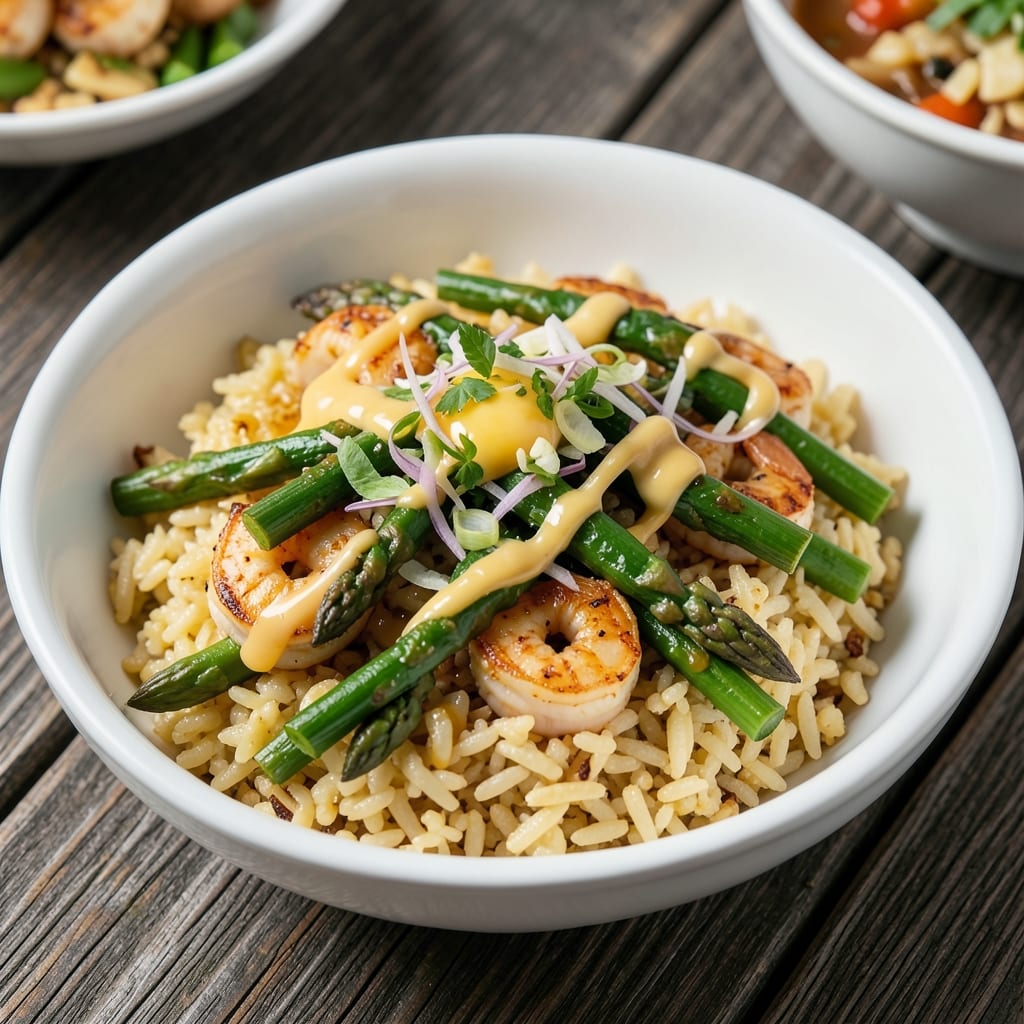
This asparagus fried rice recipe transforms simple ingredients into a vibrant, restaurant-worthy dish with crispy edges and bright green asparagus spears. The secret lies in high-heat stir-frying and precise timing—just 20 minutes from start to finish. I developed this version after realizing how often fresh asparagus gets overlooked in fried rice, and the difference is striking: tender-crisp spears that stay bright green instead of turning mushy.
What sets this recipe apart is the balance of textures—crispy rice, tender asparagus, and optional protein (shrimp, chicken, or tofu) that cooks in minutes. The wok-hei technique (charred flavor) comes from a hot pan and quick cooking, while a simple soy-ginger sauce ties everything together. Day-old rice works best—it absorbs flavors better and achieves that perfect crispy bite.
By the time you plate it, you’ll have a dish that’s visually stunning and packed with flavor: golden-brown rice, vibrant green asparagus, and optional protein that’s cooked to perfection. The sauce is light enough to let the ingredients shine but bold enough to hold the dish together. Serve it as a main course or side—it’s that versatile.
This recipe adapts easily to dietary needs: swap in tofu for protein, use brown rice for extra fiber, or keep it vegetarian entirely. The key is confidence in the stir-fry—once you master the timing, you’ll never go back to bland fried rice again. Let’s get cooking.
Ingredients for asparagus fried rice
Transform simple pantry staples into vibrant asparagus fried rice with crispy edges and bright green spears.
| Ingredient | Amount | Notes |
|---|---|---|
| Day-Old Jasmine Rice 🍚 | 4 cups | Cold and separated for crispy edges |
| Fresh Asparagus Spears 🌱 | 1 lb | Trimmed, cut into 1-inch pieces |
| Large Eggs 🥚 | 2 whole | Beaten for quick stir-fry |
| Shrimp (Optional) 🦐 | ½ lb | Peeled, deveined, cut into pieces |
| Extra-Firm Tofu (Optional) 🍱 | ½ lb | Pressed, cubed for vegetarian |
| Green Onions 🧅 | ¼ cup | White and green parts, sliced |
| Fresh Ginger 🌿 | 1 tbsp | Finely minced for bright flavor |
| Low-Sodium Soy Sauce 🍶 | ⅓ cup | For umami depth |
| Sesame Oil 🌰 | 1 tbsp | Toasted for aroma |
| Vegetable Oil 🫒 | ½ cup | High smoke point for stir-fry |
| Garlic Cloves 🧄 | 4 cloves | Minced for aromatic base |
| Diamond Crystal Kosher Salt 🧂 | ½ tsp | Adjust to taste |
| White Pepper 🌶️ | ¼ tsp | Freshly ground for subtle heat |
| Toasted Sesame Seeds 🌰 | 1 tbsp | For garnish and crunch |
The asparagus is non-negotiable here—look for firm, bright green spears with tightly closed tips at a specialty market or well-stocked grocery store like Whole Foods or Trader Joe's. Trim the woody ends and cut into even pieces for consistent cooking. Jasmine rice is ideal for its delicate aroma, but long-grain white rice works too. Day-old rice is crucial—it absorbs flavors better and achieves that signature crispy texture. For protein, shrimp cooks in minutes, while tofu holds up well when pressed and cubed. Penzeys Spices carries excellent pre-minced ginger if you prefer convenience over fresh grating.
No shrimp? Chicken breast or firm white fish works beautifully—cut into small cubes for even cooking. Swap tofu for shrimp if vegetarian, but press it well to remove excess moisture. Fresh ginger is best, but dried ginger at half the amount will work in a pinch. The soy sauce can be reduced-sodium if preferred, but low-sodium ensures better flavor balance. Sesame oil adds aroma, but use sparingly—it’s potent. For extra crunch, toasted peanuts or crushed wonton chips make excellent garnishes. The garlic and ginger should be minced finely for maximum flavor infusion during the quick stir-fry.
Store cooked fried rice in an airtight container for up to 3 days in the fridge, though it reheats best when fresh. For longer storage, freeze portions for up to 2 months. The asparagus stays vibrant if cooked last, so always add it near the end. Garnish with sesame seeds right before serving—they lose crunch when stored. This dish reheats beautifully in a skillet with a splash of water or broth to restore moisture. Portion into containers for easy lunches, or serve immediately for that restaurant-quality wok-hei flavor.
Why You'll Love This Recipe
- One-Pan Magic: I swear by this trick—just toss everything into one wok or skillet, and you’re done. No dirty rice cooker, no extra bowls, no fuss. The asparagus caramelizes right alongside the rice, and the eggs? They scramble into fluffy perfection without a single dish to wash.
- Spring’s Sweet Crunch: That first bite of bright green asparagus—still crisp after stir-frying—cuts through the richness of the eggs and rice. Honestly, I’ll take this over mushy veggies any day. The shrimp (if you use it) adds a salty punch, but the tofu keeps it hearty without breaking the bank.
- Lunchbox Hero: This is my go-to for meal prep because it reheats like a dream. Pack it cold for work, or warm it up for dinner—either way, it’s a crowd-pleaser. My kids grab it for school lunches, and my partner microwaves a bowl when he’s too tired to cook. (Yes, even on a Tuesday night.)
- Budget Flex: Day-old rice? Check. Seasonal asparagus? Often cheaper than other veggies. Eggs and tofu are pantry staples, and shrimp’s optional—so you can make it work for any wallet. I’ve fed four people for under $10 with this, and no one complains about leftovers. (Between us, they’re usually gone by the next day.)
Step-by-step instructions for asparagus fried rice
Transform cold jasmine rice into vibrant, crisp-edged fried rice with bright green asparagus bites.
Prep Ingredients for Perfect Texture
Break apart the 4 cups day-old jasmine rice with your fingers until you have individual grains—this prevents gummy clumps. Trim the tough ends from the 1 lb fresh asparagus spears and cut them into 1-inch pieces, reserving the bright green tips for garnish. Mince the 4 cloves garlic cloves and 1 tbsp fresh ginger finely for maximum flavor infusion.
For the protein, if using, pat the 0.5 lb shrimp or 0.5 lb extra-firm tofu completely dry with paper towels—this ensures a proper sear. Slice the 0.25 cup green onions into ½-inch pieces, separating the white and green parts. Crack the 2 whole large eggs into a bowl and whisk until the yolks and whites are fully combined. Keep all prepped ingredients within reach for efficient cooking.
Create the Flavor Base
Heat a 14-inch wok or large skillet over high heat until it's smoking, then add 0.5 cup vegetable oil. Once the oil shimmers (350°F), add the minced garlic and ginger, stirring constantly for 30 seconds until fragrant but not browned. Immediately add the asparagus pieces and stir-fry for 2-3 minutes until they begin to soften but still retain their bright green color.
Push the asparagus to one side of the wok and add the shrimp or tofu (if using). Cook for 2-3 minutes until the shrimp turns pink and opaque or the tofu develops a light golden crust. Remove the protein to a plate and set aside—this prevents overcooking while you build the sauce.
Cook the Eggs and Combine
Return the wok to high heat and add the beaten eggs, scrambling vigorously for 20-30 seconds until they're just set but still slightly runny. Immediately add the 4 cups day-old jasmine rice, breaking up any remaining clumps with your spatula. Stir-fry for 1 minute to coat the rice in the egg mixture.
Pour in the 0.33 cup low-sodium soy sauce and 0.5 tsp diamond crystal kosher salt, tossing everything together for 2 minutes until the rice is evenly coated and begins to crisp at the edges. Sprinkle the 0.25 tsp white pepper over the mixture and stir once more to distribute evenly.
Finish with Crispy Edges and Garnish
Return the cooked shrimp or tofu to the wok along with the reserved green onion whites, tossing everything together for 1-2 minutes until heated through. Drizzle with 1 tbsp sesame oil and toss once more to evenly distribute. The rice should now have crispy edges with a bright green asparagus speckled throughout—this is your visual cue for perfect doneness.
Transfer the fried rice to serving plates, garnishing each portion with toasted sesame seeds and the reserved green onion greens. Serve immediately while the edges remain crisp and the asparagus retains its vibrant color. The dish should have a balance of savory, slightly sweet, and subtly peppery flavors with each bite delivering both texture contrast and fresh asparagus brightness.
Pro Tips For Making Asparagus Fried Rice
- Trim Asparagus Right: Snap off the tough ends by bending spears—no knife needed. Cut spears into 1-inch pieces after blanching (30 seconds in boiling water), or they’ll turn mushy. I learned this the hard way when my first batch looked like sad, limp noodles. ---
- Scramble Eggs First: Push eggs to one side of the pan and let them set for 10 seconds before stirring. This keeps them creamy, not rubbery, and prevents them from turning into rice glue. (Yes, even if you’re impatient like me.) ---
- Skip Cold Rice: Heat day-old rice in a dry pan for 2 minutes before adding oil—it’ll crisp up better and avoid that sad, soggy texture. Cold rice just doesn’t play nice, no matter how much soy sauce you drown it in. ---
- Tofu Needs Pressing: Wrap extra-firm tofu in a towel, place a heavy pan on top, and let it sit for 10 minutes. This removes moisture so it fries crispy instead of steaming into a sad, limp block. (Your future self will thank you.)
Serving suggestions for leftovers
Plating for Visual Appeal
Serve your asparagus fried rice in wide, shallow bowls to showcase the vibrant colors and crispy edges. I like using white stoneware bowls—they make the green asparagus and golden rice pop beautifully. Arrange the rice in a loose mound, then scatter the bright green asparagus tips around the edges for a restaurant-worthy presentation. 🌱
Garnish Like a Pro
Finish with toasted sesame seeds and green onion greens right before serving—this adds texture and freshness. For extra flair, sprinkle with crushed red pepper flakes if you like a little heat. I also love drizzling a thin line of chili oil across the top for a smoky kick. Garnishes should enhance, not overpower—they’re the final touch that makes the dish look and taste complete.
Pairing with Drinks
A crisp green tea or jasmine tea complements the dish’s delicate flavors without overpowering them. For something stronger, a light lager like Sapporo or a dry Riesling balances the savory and umami notes. Avoid heavy wines or dark beers—they’ll clash with the bright, fresh asparagus. 🍶
Side Dish Harmony
Add a quick cucumber salad with rice vinegar and sesame oil to cut through the richness. I also love serving steamed bok choy or miso soup on the side for a lighter contrast. If you’re making this for a meal, a simple garlic scallion oil drizzled over the rice adds another layer of flavor without extra effort.
Meal Prep Presentation
For meal prep, portion the fried rice into glass containers with tight lids to keep it crispy. Store the sesame seeds and green onions separately and sprinkle them on fresh when reheating. A small plastic wrap pressed directly on the surface helps maintain texture. When reheating, add a splash of water or broth to restore moisture—this keeps the asparagus vibrant and the rice crispy. ❄️
Nutrition facts
Frequently asked questions
Why does my asparagus fried rice turn out mushy?
The most common cause is overcooking the asparagus or using fresh rice. Always use day-old rice—it's drier and absorbs flavors better. Cook the asparagus for just 2-3 minutes over high heat until tender-crisp, not soft. Remove it from the wok immediately after cooking and set aside until ready to combine with the rice.
Can I make this recipe with fresh asparagus instead of frozen?
Fresh asparagus gives the best results because it stays vibrant and bright green. Look for spears with tightly closed tips—these are the freshest. Trim the woody ends and cut into 1-inch pieces for even cooking. Frozen asparagus works in a pinch, but it often loses its bright color and can become mushy when stir-fried.
What's the best way to store leftovers?
Store in an airtight container for up to 3 days in the fridge. Keep the sesame seeds and green onions separate to add fresh when reheating. For longer storage, freeze for up to 2 months. When reheating, add a splash of water or broth to restore moisture and crispiness. Press plastic wrap directly on the surface to help maintain texture.
How do I adjust this for a vegetarian version?
Simply swap the shrimp for extra-firm tofu (pressed and cubed) or skip the protein entirely. For extra flavor, add mushrooms or bell peppers to the stir-fry. Keep the soy-ginger sauce the same—it works beautifully with plant-based proteins. The asparagus will still be the star, providing freshness and vibrant color to every bite.
Can I make this in a regular skillet instead of a wok?
Yes! While a wok gives the best wok-hei flavor, a 12-inch cast iron skillet works perfectly. Heat it over high heat until smoking before adding oil. Use slightly less oil (3-4 tablespoons) than called for in the recipe, as skillets hold heat differently. Stir-fry in batches if needed, but keep the cooking time the same to maintain crispy edges.