
Main Courses
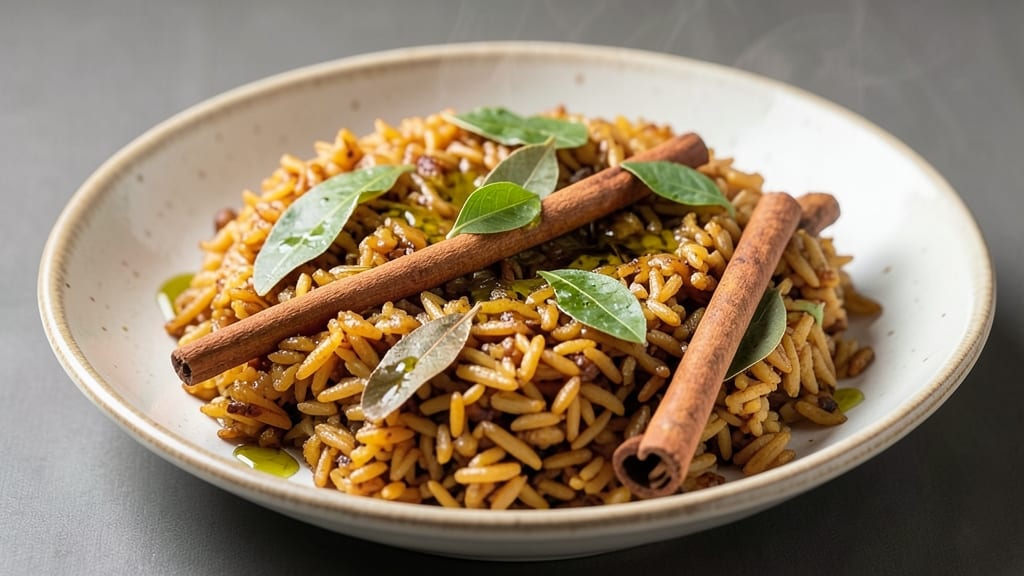
Your rice cooker just got a serious upgrade with this brown basmati rice recipe—fluffy, nutty grains with aromatic depth that transform a simple side into a showstopper.
The secret lies in the perfect water-to-rice ratio and a simple soaking trick that ensures even cooking and eliminates that dreaded mushy texture. This method delivers restaurant-quality results with minimal effort, using only your rice cooker and a few basic ingredients.
What sets this recipe apart is the ability to infuse subtle warmth through optional spices like bay leaf or cinnamon stick, which dissolve into the cooking liquid for fragrant depth.
The rice emerges with a satisfying chew while maintaining its signature nutty aroma, making it ideal for curries, pilafs, or as a standalone side. With just one press of the button, you'll achieve perfectly cooked grains every time—no stovetop babysitting required.
Ingredients for brown basmati rice recipe rice cooker
Five simple ingredients transform your rice cooker into a tool for restaurant-quality brown basmati rice.
| Ingredient | Amount | Notes |
|---|---|---|
| Brown Basmati Rice 🌾 | 1 cup | Uncooked, long-grain variety |
| Water 💧 | 1 ¾ cups | Room temperature preferred |
| Bay Leaves 🌿 | 1 whole | Optional for aromatic depth |
| Cinnamon Stick 🍃 | 1 whole | Optional for subtle warmth |
| Salt 🧂 | ½ tsp | Kosher or sea salt |
| Olive Oil 🫒 | 1 tbsp | Light coating for even cooking |
| Fresh Lemon Juice 🍋 | 1 tbsp | Brightens flavor at the end |
| Fresh Parsley 🌿 | 2 tbsp | Chopped, for garnish |
The rice is the star, so buy whole-grain basmati—pre-washed cuts down on cooking time. Lundberg or Uncle Ben's are reliable brands, but any long-grain brown basmati works. The key is the water-to-rice ratio: 1.75 cups water per 1 cup rice ensures perfect texture without drying out. For the spices, bay leaves and cinnamon add depth, but skip them if you prefer plain rice. Store your spices in airtight containers—they lose potency fast once opened.
No bay leaves? Cardamom pods or star anise work beautifully for warmth. The cinnamon stick can be swapped for a pinch of ground cinnamon (1/4 tsp), but the stick infuses better. Short on olive oil? Avocado oil or melted ghee are great alternatives. The lemon juice brightens the finished rice, but if you're serving it with a tangy dish (like curry), you can skip it—just taste as you go. For extra aroma, toast the rice in the rice cooker with the oil for 2 minutes before adding water.
Rice keeps beautifully in the fridge for 4-5 days—reheat with a splash of water in the rice cooker. For longer storage, freeze portions for up to 3 months. The spices can be removed after cooking, but I usually leave them in for the aroma. Garnish with parsley right before serving—it wilts fast, so wait until the last minute. This method makes enough for 4 servings, but double it for a crowd—just scale the water and spices proportionally.
Why You'll Love This Recipe
- Set-and-Forget Magic: I toss in the rice, water, and those simple spices—bay leaves and cinnamon—and walk away. Twenty minutes later, perfectly fluffy rice with just a hint of warmth from the spices, no stirring, no stress.
- Warm, Earthy Depth: That first bite? The nutty crunch of brown basmati meets the faintest whisper of cinnamon and bay—it’s like a cozy hug in grain form. Honestly, it’s the kind of flavor that makes store-bought rice taste bland in comparison.
- Meal Prep MVP: I make a big batch on Sundays, and it lasts all week—pairs perfectly with curries, roasted veggies, or even just yogurt and fruit. The cinnamon stays subtle but adds a little something special every time.
- Budget-Friendly Staple: Brown basmati is cheaper than white, and these spices? A single cinnamon stick and a few bay leaves stretch for months. Plus, leftovers reheat like a dream—no mushy rice here.
Step-by-step instructions for perfectly cooked brown basmati rice
This rice cooker method delivers restaurant-quality grains with minimal effort—just follow these precise steps.
Prepare the Rice and Aromatics
Rinse the 1 cup of brown basmati rice under cold water until the water runs clear. This removes excess starch that can make the rice gummy. Drain thoroughly in a fine-mesh strainer, shaking gently to remove all moisture. Transfer the rice to your rice cooker pot.
Add the 1 whole bay leaf and 1 whole cinnamon stick directly to the pot. These aromatics will infuse subtle depth throughout the cooking process. The bay leaf adds earthy notes while the cinnamon contributes gentle warmth—both will disappear during cooking but leave behind their flavors.
Add Liquid and Seasonings
Measure the 1.75 cups of water and pour it evenly over the rice. The ratio is crucial for perfectly fluffy grains—too little water results in dry rice, while too much creates a mushy texture. Sprinkle the 0.5 teaspoon of salt evenly over the surface, then drizzle in the 1 tablespoon of olive oil.
The olive oil creates a light coating on each grain, preventing them from sticking together during cooking. Stir gently once with a spoon to distribute the oil evenly, but avoid overmixing which can break the grains. Close the rice cooker lid securely.
Cook to Fluffy Perfection
Select the white rice setting on your rice cooker and start the cooking cycle. The rice will go through its normal cooking process, typically taking about 45-50 minutes. During cooking, you'll hear the rice shift from liquid to solid as it absorbs the water.
When the cooker switches to keep-warm mode, let the rice rest for 10 minutes with the lid on. This resting period allows the steam to redistribute evenly, resulting in perfectly fluffy grains. The rice should be tender but still have a slight bite—this is characteristic of properly cooked brown basmati.
Finish with Bright Flavors
Using a fork, gently fluff the rice to separate the grains. Remove the bay leaf and cinnamon stick if you prefer a cleaner presentation. Transfer the rice to a serving bowl and drizzle with the 1 tablespoon of fresh lemon juice. The acidity brightens the earthy flavors and cuts through any richness.
Sprinkle the 2 tablespoons of chopped fresh parsley over the top for a pop of color and fresh herb notes. The parsley adds visual appeal while its bright flavor complements the warm spices. Serve immediately while the rice is at its peak texture and temperature.
Pro Tips For Making Brown Basmati Rice Recipe Rice Cooker
- Rinse Rice First: Brown basmati needs a quick rinse—just swirl it in cold water until the water runs almost clear (not crystal, or you’ll dry it out). I learned this the hard way after burning the bottom of my rice cooker trying to compensate for unrinsed starch.
- Use 1:2 Ratio: Stick to 1 cup rice to 2 cups water—no guessing. Brown basmati absorbs water slower than white, and the rice cooker’s steam cycle won’t save you if you overdo it. Trust the math, not your eye.
- Add Spices Early: Toss the bay leaves and cinnamon stick in with the rice before adding water. They’ll infuse better and won’t get stuck to the bottom like they do if you drop them in later. (Yes, even if you’re impatient like me.)
- Skip the Lid Until Steam: Let the rice cooker vent for the first 5 minutes—no lid. The initial burst of steam locks in flavor and prevents the rice from turning mushy. After that, close it up and let it do its thing.
Troubleshooting great brown basmati rice recipe rice cooker
Rice Too Dry?
If your brown basmati rice emerges dry and crunchy, you likely used too little water. The 1.75:1 water-to-rice ratio is non-negotiable for brown basmati—it needs more moisture than white varieties due to its bran layer.
For future batches, add 1-2 extra tablespoons of water if your rice cooker tends to dry things out. I’ve found Zojirushi rice cookers handle brown rice better than budget models because they maintain more consistent heat during the keep-warm cycle. 💧
Mushy or Gummy Texture
Overcooking or insufficient draining before cooking causes mushy rice. Always rinse your brown basmati until the water runs completely clear—this removes excess starch. If you skipped soaking (which I don’t recommend for brown rice), add 1 extra tablespoon of water and let it rest 5 extra minutes after cooking.
For stubborn gummy batches, fluff the rice with a fork and spread it on a baking sheet to dry slightly in the oven at 200°F for 5 minutes. This trick works wonders for saving undercooked rice too.
Uneven Cooking
Brown basmati cooks unevenly if the rice isn’t distributed evenly in the pot. Before adding water, spread the rice in a single even layer across the bottom—this prevents clumping.
If your rice cooker has a non-stick pot, avoid stirring after the initial oil distribution, as it can create grooves that trap moisture unevenly. For Zojirushi or Hitachi rice cookers, the built-in frying function (if available) can help toast the rice lightly before adding water, promoting even cooking. 🍚
Burnt or Stuck Rice
Brown rice sticks to the pot when cooked at too high heat or with insufficient oil. Always use 1 tablespoon of oil to create a barrier, and avoid metal utensils that scratch the non-stick coating.
If rice sticks, don’t force it—add 2 tablespoons of water, cover, and let it steam for 5 minutes on low heat. For stubborn cases, soak the pot in warm water with 1 tablespoon of baking soda for 30 minutes before scrubbing gently.
Prevent future issues by choosing a rice cooker with a thick bottom like the Cuisinart CRC-100.
Undercooked Grains
Brown basmati needs 45-50 minutes in a rice cooker—cutting time short leaves the center of grains hard. If your rice cooker finishes early, select the keep-warm setting and let it rest 10-15 extra minutes to finish cooking.
For stubborn undercooked batches, transfer the rice to a pot with ¼ cup water, cover, and simmer on low for 5 minutes. Pro tip: If your rice cooker has a steam function, use it for 10 minutes after the initial cook to ensure even doneness. 💡
Nutrition facts
Frequently asked questions
Do I need to soak brown basmati rice before cooking?
While soaking isn't required, it reduces cooking time by 10-15 minutes and improves digestibility. Soak the rice for 30 minutes in room-temperature water, then drain well before cooking. This step is especially helpful if your rice cooker struggles with longer cooking times. For best results, use the soaking method when making this recipe for the first time.
Can I use this recipe with white basmati rice?
Yes, but adjust the water ratio to 1.5 cups per 1 cup rice—white basmati absorbs moisture faster. The cooking time will also be shorter (30-35 minutes) since it doesn't have the bran layer. Keep the same aromatics and oil, but reduce the resting time to 5 minutes after cooking. The texture will be lighter but equally delicious.
Why does brown basmati take longer in a rice cooker?
The bran layer in brown basmati requires more time to soften completely. Unlike white rice, it needs 45-50 minutes to achieve perfect doneness. The rice cooker's keep-warm cycle helps finish the cooking process, but never skip the 10-minute rest—this crucial step allows residual steam to cook the grains evenly from the inside out.
What if I don't have bay leaves or cinnamon?
No problem! Substitute with ½ teaspoon ground cumin or 2 cardamom pods for warmth. For a simpler version, just use the salt and olive oil—they're essential for flavor. If you want extra aroma, toast ½ teaspoon whole peppercorns in the rice cooker for 1 minute before adding water. The key is balancing the spices to complement the nutty rice flavor.
How do I store leftover brown basmati rice?
Let the rice cool completely, then transfer to an airtight container and refrigerate for up to 5 days. For longer storage, freeze portions in single-serving bags for 3 months. To reheat, add 2 tablespoons water per cup of rice and cook on the rice cooker's keep-warm setting for 10 minutes. Avoid microwaving—it creates uneven textures.