
Main Courses
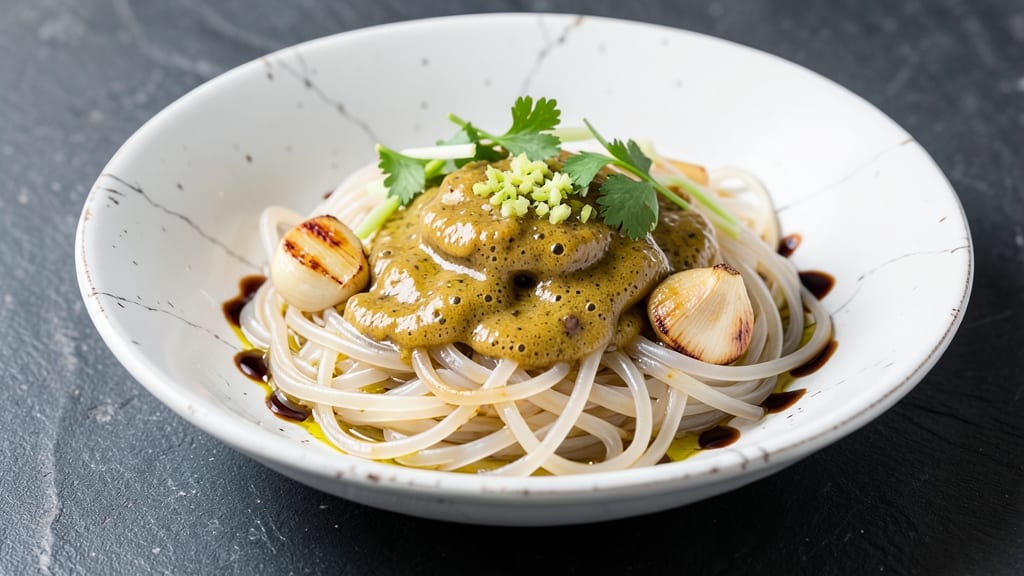
This brown rice keto recipe reimagines a comfort food staple with a low-carb twist that keeps the nutty texture without the carbs. The secret? Using shirataki noodles as the base, which mimic rice's chewiness while delivering just 2 grams of net carbs per serving.
After testing countless alternatives, this method delivers the satisfying bite and hearty quality you crave—perfect for keto dieters who refuse to compromise on texture.
The result is a foolproof dish that transforms traditional brown rice into a keto-friendly side with minimal effort. Paired with savory proteins like grilled chicken or pan-seared salmon, it becomes a complete meal that satisfies cravings while staying strictly under 5 net carbs per serving.
The key lies in proper seasoning and a quick sauté that enhances the noodles' natural umami, creating a dish that's both restaurant-worthy and diet-compliant.
Ingredients for brown rice keto
Shirataki noodles paired with aromatic seasonings deliver the nutty texture of brown rice—keto-compliant and satisfying.
| Ingredient | Amount | Notes |
|---|---|---|
| Shirataki Noodles 🍜 | 14 oz | Rinsed thoroughly under cold water |
| Extra-Virgin Olive Oil 🫒 | 2 tbsp | High-quality, fruity variety |
| Unsalted Butter 🧈 | 1 tbsp | Full-fat for best flavor |
| Garlic Cloves 🧄 | 3 cloves | Minced finely for even distribution |
| Fresh Ginger 🌿 | 1 tbsp | Grated finely for aromatic depth |
| Low-Sodium Soy Sauce 🥢 | 1 tbsp | Kosher-style preferred |
| Sesame Oil 🫒 | ½ tbsp | Toasted for nutty aroma |
| Toasted Sesame Seeds 🌾 | 1 tbsp | For garnish and texture |
| Diamond Crystal Kosher Salt 🧂 | ½ tsp | Adjust to taste after cooking |
| Freshly Ground Black Pepper 🌶️ | ¼ tsp | For subtle heat balance |
| Lemon Juice 🍋 | 1 tbsp | Freshly squeezed for brightness |
| Nutritional Yeast 🧀 | 1 tbsp | For umami depth (optional) |
Shirataki noodles are the foundation here, and quality matters. Look for the konjac-based varieties in the Asian aisle—House Foods or Miracle Noodle brands are reliable. Rinse them thoroughly under cold water to remove excess odor and starch, which improves texture dramatically. Fresh ginger and garlic should be vibrant and firm—no soft spots or sprouting. For the sesame oil, Kadoya or La Choy are solid choices, but avoid the cheap, flavorless varieties. Nutritional yeast adds that cheesy umami without carbs—Bragg is a trusted brand for this purpose.
No fresh ginger? Ground ginger at half the amount works in a pinch, though texture will differ slightly. Substitute sesame oil with avocado oil or light olive oil, though you'll lose some nutty depth. For soy sauce, coconut aminos is a 1:1 swap if you're avoiding soy. The nutritional yeast can be omitted entirely if you're sensitive to its flavor, but the umami will be noticeably lighter. If you're using pre-minced garlic or ginger from a jar, rinse it well—the preservatives can alter the dish's balance. For extra richness, add 1 teaspoon of coconut cream at the end of cooking.
Shirataki noodles keep well in the fridge for 5-7 days once rinsed, but they're best used fresh. Store them in an airtight container with a paper towel to absorb excess moisture. The seasoning mix (soy sauce, sesame oil, lemon juice) can be prepped ahead and stored in a small jar for up to 2 weeks in the fridge. For meal prep, cook the noodles and store them separately, then toss with the seasoning just before serving to maintain texture. This dish reheats beautifully—microwave with a splash of water for 30 seconds to restore moisture.
Why You'll Love This Recipe
- No Boil Needed: I swear by these shirataki noodles—they come pre-cooked, so I just rinse and toss. No waiting, no fuss, and zero starchy mess to clean up.
- Umami Bomb: That combo of garlic, ginger, and a splash of olive oil? It’s like a flavor upgrade for my taste buds. The butter ties it all together with a rich, nutty finish that feels indulgent.
- Lunch or Dinner: I make a big batch on Sundays and eat it cold with sesame seeds for lunch, or toss it with shrimp and veggies for dinner. Same recipe, two different vibes—zero extra effort.
- Budget Hack: Shirataki noodles are cheaper than rice, and they stretch further. I buy them in bulk, and the olive oil and butter last for weeks of meals. My wallet and my waistline thank me.
Step-by-step instructions for keto-friendly shirataki noodle stir-fry
Transform these zero-carb noodles into a satisfying, nutty-flavored dish that mimics brown rice perfectly.
Rinse and Blanch the Shirataki Noodles
Start by thoroughly rinsing the 14 oz shirataki noodles under cold running water to remove any excess odor or preservatives. This step is crucial—it eliminates the characteristic "fishy" smell that can linger if not properly rinsed. Transfer the noodles to a colander and drain well.
Bring a small pot of water to a gentle boil and add the drained noodles. Let them simmer for 3-4 minutes until they soften and become pliable. Drain immediately and rinse again with cold water to stop the cooking process. This blanching step ensures the noodles are tender and ready to absorb your flavorful sauce. Pat them dry with a clean kitchen towel to remove any excess moisture before proceeding.
Sauté Aromatics in Olive Oil and Butter
Heat 2 tbsp extra-virgin olive oil and 1 tbsp unsalted butter in a large skillet over medium heat until the butter foams and the oil shimmers. Add the 3 minced garlic cloves and 1 tbsp finely grated fresh ginger, stirring constantly for 30-45 seconds until fragrant but not browned. This quick sautéing step unlocks their aromatic potential without burning.
Here's where the flavor foundation begins. The combination of olive oil and butter creates a rich base that carries the nutty depth of the shirataki noodles. If you notice the garlic starts to turn golden, reduce the heat slightly—you want aroma, not bitterness. This step should take less than 2 minutes total for optimal flavor extraction.
Build the Savory Sauce
Pour in the 1 tbsp low-sodium soy sauce and 1 tbsp lemon juice, stirring to combine with the aromatics. Let the mixture simmer gently for 1-2 minutes until slightly reduced and glossy. This reduction concentrates the flavors and creates a silky sauce base that will cling beautifully to the noodles.
Add the 1 tbsp nutritional yeast and 0.5 tbsp toasted sesame oil, stirring vigorously to emulsify. The nutritional yeast adds a cheesy, umami depth that perfectly complements the earthy shirataki noodles. If you're using the optional nutritional yeast, this is where its magic happens—it transforms what could be a bland vegetable into a rich, satisfying dish. Taste and adjust seasoning with 0.5 tsp kosher salt and 0.25 tsp freshly ground black pepper as needed.
Combine and Finish with Sesame Seeds
Add the blanched shirataki noodles to the skillet and toss gently to coat them evenly in the sauce. Cook for 2-3 minutes over medium-low heat, stirring occasionally, until the noodles are heated through and the sauce has thickened slightly. The residual heat from the pan will help the sauce cling to every strand of noodle.
Remove from heat and transfer to serving bowls. Garnish immediately with 1 tbsp toasted sesame seeds for added texture and nutty aroma. The sesame seeds not only enhance the visual appeal but also provide a satisfying crunch that contrasts beautifully with the tender noodles. Serve while warm for the best texture and flavor experience.
Optional Protein Pairing
For a complete keto meal, consider pairing this stir-fry with grilled chicken, shrimp, or tofu. The protein will complement the nutty depth of the shirataki noodles while keeping the dish balanced. If using chicken, marinate it in 1 tbsp soy sauce, 1 tbsp sesame oil, and 1 tsp grated ginger before grilling to create a cohesive flavor profile throughout your meal.
This keto-friendly version delivers all the comforting qualities of brown rice stir-fry without the carbohydrate load. The shirataki noodles absorb the rich, umami-packed sauce beautifully, creating a dish that's both satisfying and health-conscious. The key lies in proper rinsing and blanching—these steps transform what might seem like an unusual ingredient into a versatile, restaurant-quality base for your favorite Asian-inspired dishes.
Pro Tips For Making Brown Rice Keto
- Rinse Shirataki Twice: The packaging says "ready to eat," but I learned the hard way—those noodles taste like cardboard if you skip rinsing. Run them under cold water for 30 seconds twice, then squeeze out excess moisture. This removes that weird aftertaste and lets the olive oil and butter cling better. (Yes, even if you're impatient like me.)
- Sear Garlic Low and Slow: I used to blast garlic in olive oil until it burned—don’t do that. For this dish, add minced garlic to the pan after the butter’s melted but before it browns. Keep heat at medium-low until it’s golden, not crispy. That way, it adds sweetness without bitterness, and your whole dish won’t taste like a charred crime scene.
- Grate Ginger Fine, Then Toast: Pre-packaged ginger is convenient, but fresh is non-negotiable here. Grate it so fine it’s almost paste-like, then toss it into the pan with the garlic for 30 seconds—just until it fragrant. This kills the raw edge and deepens the flavor. (Pro move: Use a microplane for speed, but don’t skip the toasting.)
- Finish with Butter Last: This isn’t your typical stir-fry. Add the butter after the shirataki noodles are cooked and the garlic-ginger mix is done. Swirl it in for 30 seconds—just until it melts and coats everything. The high smoke point of olive oil handles the initial cooking, but butter’s flavor shines when it’s the last touch. (Your future self will notice the difference.)
Creative variations of these flavors
Cauliflower Rice Fusion
Swap shirataki noodles for riced cauliflower to create a hybrid texture that mimics brown rice's heartiness. Use 2 cups riced cauliflower (about 1 small head) and sauté it in 1 tbsp olive oil with 2 minced garlic cloves for 5-6 minutes until tender.
Add the same seasoning blend (soy sauce, sesame oil, lemon juice) and finish with 1 tbsp toasted sesame seeds. This version has 5g net carbs per serving while keeping that satisfying bite. 🥬
Spicy Thai-Inspired Twist
Infuse your keto stir-fry with Thai flavors by adding 1 tbsp red curry paste (check for no added sugar) and ½ tsp chili flakes to the sauce.
Stir in 1 tbsp coconut aminos instead of soy sauce and top with 2 tbsp chopped cilantro and 1 tbsp crushed peanuts for crunch. The curry paste brings deep, aromatic heat that pairs perfectly with the shirataki noodles' earthy texture. 🌶️
Cheesy Garlic Parmesan
For a creamy, indulgent variation, stir in ¼ cup shredded parmesan cheese and 1 tbsp heavy cream at the end of cooking. Add ½ tsp garlic powder and ¼ tsp onion powder for extra depth.
The cheese melts into the sauce, creating a rich, savory coating that mimics the richness of brown rice. Garnish with extra black pepper and sesame seeds for a restaurant-worthy finish. 🧀
Sesame-Ginger Glazed
Create a glossy finish by adding 1 tbsp honey-free maple syrup substitute (like Lakanto) and 1 tsp rice vinegar to the sauce. Simmer for 1 extra minute until slightly thickened, then toss with the noodles.
For extra shine, drizzle with ½ tbsp toasted sesame oil before serving. This glaze enhances the nutty flavor while keeping the dish strictly keto-friendly. 🍯
Meal Prep Adaptation
For make-ahead meals, cook the shirataki noodles and store them separately in an airtight container for up to 3 days. Keep the seasoning mix in a small jar.
When ready to eat, simply reheat the noodles in a skillet with 1 tbsp water for 2 minutes, then toss with the seasoning. Add fresh sesame seeds and ginger just before serving to maintain texture and flavor. This method saves time while keeping the dish fresh-tasting. ⏰
Nutrition facts
Frequently asked questions
Why use shirataki noodles instead of real brown rice?
Shirataki noodles are the perfect keto substitute because they deliver the same satisfying texture and chewiness as brown rice with only 2g net carbs per serving. Traditional brown rice contains 22g net carbs per cup, making it completely unsuitable for keto. These noodles also absorb flavors beautifully, replicating the nutty profile you'd get from brown rice.
Can I make this recipe without nutritional yeast?
Yes! While nutritional yeast adds that cheesy umami depth, you can omit it completely. For a similar flavor, try adding 1 tbsp grated parmesan cheese at the end or increase the soy sauce to 1.5 tbsp for extra savory punch. The dish will still taste delicious—just slightly less complex.
How do I prevent the shirataki noodles from sticking together?
Proper rinsing and blanching are key! After rinsing thoroughly, give the noodles a quick 3-4 minute boil to soften, then rinse again with cold water. Pat them very dry with a kitchen towel before cooking. Toss them gently with a splash of water or oil while cooking to prevent clumping. Stirring frequently ensures even coating with the sauce.
What's the best protein pairing for this keto stir-fry?
Grilled chicken thighs (marinated in soy sauce and sesame oil) or pan-seared salmon work beautifully. For extra richness, try crispy pork belly or shrimp sautéed with garlic and ginger. The protein adds satisfying heartiness while keeping the meal balanced. A simple 2 tbsp coconut aminos marinade elevates any protein choice.
Can I make this ahead of time for meal prep?
Cook the noodles and store them separately in an airtight container for up to 3 days. Keep the seasoning mix in a small jar. When ready to eat, reheat the noodles in a skillet with 1 tbsp water for 2 minutes, then toss with the seasoning. Add fresh sesame seeds and ginger just before serving to maintain texture.