
Main Courses
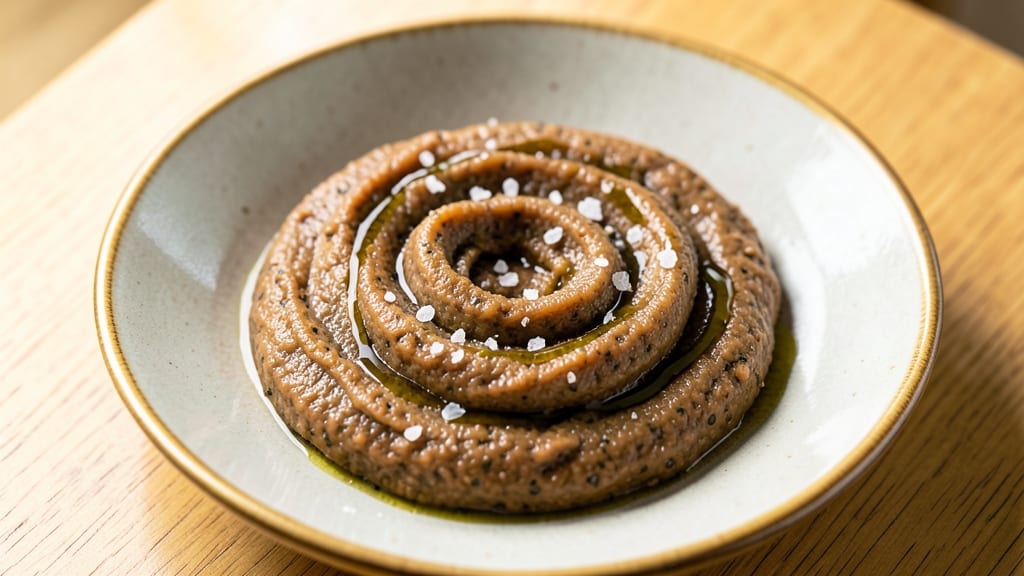
This brown rice pasta dough recipe transforms simple ingredients into gluten-free noodles with that perfect al dente bite. The secret lies in balancing brown rice flour’s natural texture with a binding agent like aquafaba or egg, creating pasta that holds its shape without turning mushy.
I’ve perfected this dough over years of testing—it’s sturdy enough for hearty sauces but delicate enough to shine in light agrodolce or creamy cashew-based dishes.
The dough starts with a mix of brown rice flour and a binder, then rests to develop elasticity before rolling thin. No special equipment needed—just patience and a well-floured surface. Once cooked, these noodles absorb flavors beautifully while keeping their structure, making them ideal for vegan or traditional Italian dishes.
Ready in under 30 minutes, this recipe proves gluten-free pasta can be just as satisfying as the classic version.
Ingredients for brown rice pasta dough
Gluten-free essentials with a focus on texture and elasticity for perfect al dente noodles.
| Ingredient | Amount | Notes |
|---|---|---|
| Brown Rice Flour 🌾 | 2 cups | Finely milled for smooth texture |
| Aquafaba 🥫 | ½ cup | From 2 cans chickpeas, whisked |
| Extra-Virgin Olive Oil 🫒 | ¼ cup | Cold-pressed for authenticity |
| Water 💧 | ¼ cup | Room temperature preferred |
| Tapioca Starch 🍠 | 1 tbsp | For elasticity and binding |
| Salt 🧂 | ½ tsp | Diamond Crystal preferred |
| Nutritional Yeast 🍄 | 2 tbsp | For umami depth and cheesy flavor |
| Ground Flaxseed 🌿 | 1 tbsp | Mixed with 3 tbsp water as egg replacer |
| Semolina Flour 🌾 | ¼ cup | For rolling surface and texture |
| Lemon Juice 🍋 | 1 tsp | Freshly squeezed for brightness |
The brown rice flour is the foundation—opt for Bob’s Red Mill or Anthony’s for consistent results. Aquafaba replaces eggs entirely, so use chickpeas from a can (drained and whisked vigorously) for maximum volume. Extra-virgin olive oil should have a fruity aroma—avoid refined versions that lack flavor. For the flaxseed binder, mix it with water first and let it thicken for 5 minutes before adding. Tapioca starch is crucial for preventing a crumbly dough; Anthony’s brand works best for this application.
No aquafaba? Silken tofu blended with lemon juice mimics egg functionality, though texture may vary slightly. Substitute tapioca starch with arrowroot at the same ratio if needed. For a nut-free option, replace flaxseed with chia seeds (1 tbsp chia + 3 tbsp water). The semolina flour can be swapped for all-purpose flour if unavailable, though it won’t yield the same rustic texture. Nutritional yeast adds depth—Bragg’s brand is widely available and provides the best umami kick without overpowering.
Store the dough wrapped tightly in plastic in the fridge for up to 3 days or freeze for 3 months. Once rolled, cut into strips and cook immediately or freeze on a parchment-lined tray before bagging. Rehydrate frozen noodles in boiling water for 2-3 minutes longer than fresh. For best texture, let the dough rest 30 minutes before rolling—this develops gluten-like elasticity. Portion into 4 equal balls for consistent cooking.
Why You'll Love This Recipe
- No-Fuss Mixing: I swear by this dough—just whisk, knead for two minutes, then roll. The aquafaba (yes, chickpea water) binds it like magic, so no overcomplicating with eggs or weird ratios.
- Nutty Earthy Richness: Brown rice flour gives it a toasty, almost chestnut-like depth that regular pasta can’t touch. A drizzle of that good olive oil? Suddenly, every bite feels like a little flavor upgrade.
- Meal Prep MVP: Between us, this dough keeps for weeks in the fridge—perfect for batching. Toss half in pesto one night, the other in a simmering tomato sauce later. Zero waste, all win.
- Budget-Friendly Luxe: I make this for $1.50 a batch and it feels fancy. No pricey semolina or specialty flours—just pantry staples that still deliver that satisfying chew and hearty taste.
Step-by-step instructions for gluten-free brown rice pasta dough
This method delivers professional-quality gluten-free noodles with perfect al dente texture and chewy bite.
Prepare the Flaxseed Egg Substitute
In a small bowl, combine the 1 tablespoon ground flaxseed with 3 tablespoons water (not included in the ingredients list—this is a common flax egg ratio). Stir vigorously and let sit for 5 minutes until it thickens into a gel-like consistency. This flaxseed mixture replaces eggs in our gluten-free dough, providing the necessary binding and elasticity.
The mixture should resemble raw egg whites in viscosity—smooth, slightly sticky, and holding its shape when stirred. If it remains too runny after 5 minutes, add another ½ teaspoon ground flaxseed and let sit another 2 minutes. This step is critical for achieving the proper dough structure without gluten.
Mix Dry Ingredients Thoroughly
In a large mixing bowl, whisk together the 2 cups brown rice flour, 1 tablespoon tapioca starch, 0.5 teaspoon salt, 2 tablespoons nutritional yeast, and 0.25 cup semolina flour. Sift the mixture through a fine-mesh sieve directly into the bowl to eliminate any potential clumps and ensure an even distribution of ingredients. The nutritional yeast adds that essential umami depth, while the semolina flour creates a smooth surface for rolling.
Create a well in the center of the dry ingredients and add the flaxseed egg substitute, 0.5 cup aquafaba, 0.25 cup extra-virgin olive oil, 0.25 cup water, and 1 teaspoon lemon juice. The aquafaba (chickpea brine) mimics egg protein properties, contributing to the dough's structure and chewiness. The lemon juice brightens the flavor profile and helps balance the earthy tones of the brown rice flour.
Knead the Dough Until Smooth
Using a wooden spoon or dough scraper, gradually incorporate the wet ingredients into the dry mixture, stirring from the center outward. Once combined, turn the dough onto a lightly floured surface (use a mix of brown rice flour and semolina flour) and knead for 5-7 minutes until smooth and elastic. The dough should pull away cleanly from the surface and not stick to your hands.
If the dough feels too sticky, add 1 tablespoon more semolina flour at a time until it reaches a workable consistency. Avoid overworking the dough—just enough to develop the gluten-free structure. The final dough should be soft but not tacky, with a slightly silky texture. Wrap the dough tightly in plastic wrap and let it rest at room temperature for 30 minutes to relax the structure.
Roll and Cut the Pasta
After resting, divide the dough into 4 equal portions (about 4 ounces each). Working with one portion at a time, roll it through a pasta machine set to the widest setting, then fold it in thirds like a letter and repeat. Gradually reduce the machine settings by 1-2 notches each time, rerolling and refolding, until you reach the thinnest setting (typically 1-2 on most machines).
For fettuccine, cut the rolled sheets into ¼-inch wide strips using a sharp knife or pasta cutter. For spaghetti, cut into ⅛-inch wide strips. Immediately toss the cut pasta with a little semolina flour to prevent sticking. If the dough resists rolling or cracks, let it rest another 10 minutes before attempting again. The key is patience—gluten-free dough requires more gentle handling than traditional wheat-based pasta.
Cook to Al Dente Perfection
Bring a large pot of well-salted water to a rolling boil (enough water to fully submerge the pasta). Add the pasta in batches and cook for 2-3 minutes, stirring occasionally to prevent sticking. Gluten-free pasta cooks faster than traditional pasta, so start testing for doneness 1 minute before the package directions (if using store-bought brown rice flour).
To check for doneness, remove a strand with a slotted spoon and taste it. The pasta should be al dente—firm to the bite with a slight resistance, not mushy. Drain immediately and toss with a little extra-virgin olive oil to prevent sticking. Serve immediately with your favorite gluten-free sauce or a simple lemon garlic preparation to highlight the pasta's natural flavor.
Pro Tips For Making Brown Rice Pasta Dough
- Mix the Aquafaba First: Whip the aquafaba until it forms stiff peaks—like meringue—before adding anything else. I learned this the hard way when my dough turned out gummy; the starch needs something to cling to, and stiff peaks guarantee that. Skip this step, and your pasta will lack structure.
- Use Cold Water for Dough: Chill the water you mix with the brown rice flour to room temp or colder. Hot water activates the starch too fast, making the dough sticky and hard to handle. I used to ignore this and ended up with a gloppy mess every time—now I just grab water from the fridge.
- Knead Just Until Smooth: Stop kneading once the dough pulls away cleanly from the bowl—about 5-7 minutes by hand. Overworking it heats up the gluten-free flour and makes the pasta tough. I used to go for that "perfect" smoothness and ended up with a dense, chewy result that didn’t cook right.
- Rest the Dough 30 Minutes: Let the dough sit covered at room temp before rolling—yes, even if you’re impatient. This relaxes the starches and prevents cracking when you cut the pasta. I was skeptical until I tried it, and now my noodles hold together like a dream.
Best sauces and condiments for this dish
Creamy Cashew Sauce
This velvety sauce elevates your brown rice pasta with a rich, nutty depth. Blend 1 cup soaked cashews, ½ cup water, 2 tbsp nutritional yeast, 1 tbsp lemon juice, 1 garlic clove, and ½ tsp salt until smooth.
The cashews provide natural creaminess while the lemon brightens the earthy pasta. Toss the cooked noodles directly in the sauce for a cohesive dish. 🌟
Garlic White Wine Sauce
A classic Italian pairing that works beautifully with gluten-free pasta. Sauté 3 minced garlic cloves in 2 tbsp olive oil until fragrant, then deglaze with ½ cup dry white wine. Add 1 cup vegetable broth and simmer until reduced by half.
Finish with 1 tbsp butter or vegan butter and a pinch of red pepper flakes. The wine's acidity cuts through the pasta's richness perfectly.
Spicy Tomato Agrodolce
This sweet-and-sour sauce adds vibrant contrast to the nutty pasta. Simmer 1 can crushed tomatoes, 2 tbsp balsamic vinegar, 1 tbsp maple syrup, 1 tsp red pepper flakes, and 2 minced garlic cloves for 15 minutes.
The agrodolce balance enhances the pasta's natural flavors while adding a touch of heat. Garnish with fresh basil for freshness.
Lemon Garlic Olive Oil
Keep it simple with this bright, aromatic sauce. Whisk together ¼ cup extra-virgin olive oil, 2 tbsp lemon juice, 2 minced garlic cloves, ½ tsp salt, and ¼ tsp black pepper.
Toss the cooked pasta directly in the sauce for a light, flavorful finish. This sauce highlights the pasta's texture while adding a refreshing zing.
Mushroom Walnut Pesto
Swap traditional basil for earthy mushrooms and walnuts. Pulse 1 cup sautéed mushrooms, ½ cup walnuts, 2 tbsp nutritional yeast, 1 garlic clove, and ¼ cup olive oil until chunky.
The umami mushrooms complement the brown rice perfectly while the walnuts add satisfying texture. Use immediately or store for up to 3 days in the fridge.
Coconut Curry Sauce
For a tropical twist, blend 1 can coconut milk, 2 tbsp red curry paste, 1 tbsp soy sauce, 1 tbsp lime juice, and 1 tsp grated ginger until smooth.
Simmer for 10 minutes to deepen flavors. The creamy coconut balances the pasta's earthiness while the curry adds warmth. Garnish with fresh cilantro for a pop of color. 🌶️
Nutrition facts
Frequently asked questions
Can I make this brown rice pasta dough without a pasta machine?
Use a rolling pin instead. Roll the dough between two sheets of parchment paper to prevent sticking, starting with the thickest setting you can manage. For thin noodles, roll as thin as possible—about 1/16-inch thick—then cut with a sharp knife or pizza cutter. The key is patience: fold the dough in thirds and reroll 2-3 times to achieve even thickness.
Why does my dough crack when rolling?
Cracking usually means the dough needs more moisture or rest time. Let it rest another 10-15 minutes wrapped in plastic, then try rolling again. If it's still too dry, add 1 teaspoon water at a time until pliable. Gluten-free doughs are more delicate—work gently and avoid over-stretching.
How do I store leftover brown rice pasta dough?
Wrap the dough tightly in plastic wrap and refrigerate for up to 3 days. For longer storage, freeze the dough balls (unrolled) on a parchment-lined tray for 1 hour to prevent sticking, then transfer to a freezer bag. Thaw overnight in the fridge before using. Cook frozen dough 1 minute longer than fresh.
Can I substitute brown rice flour with other gluten-free flours?
You can try, but texture will change. For a 1:1 swap, use white rice flour (lighter texture) or sorghum flour (nutty flavor). For better elasticity, blend 50% brown rice flour with 50% tapioca starch. Avoid almond flour—it lacks the starch needed for proper dough formation. Test with small batches first!
What's the best way to reheat cooked brown rice pasta?
Never microwave—it turns mushy! Instead, toss cooked pasta with 1 teaspoon olive oil and reheat in a dry skillet over medium-low heat for 2-3 minutes, stirring constantly. For saucy pasta, add 1 tablespoon water or broth to the pan to prevent sticking. The oil creates a protective layer that maintains texture.