
Side Dishes
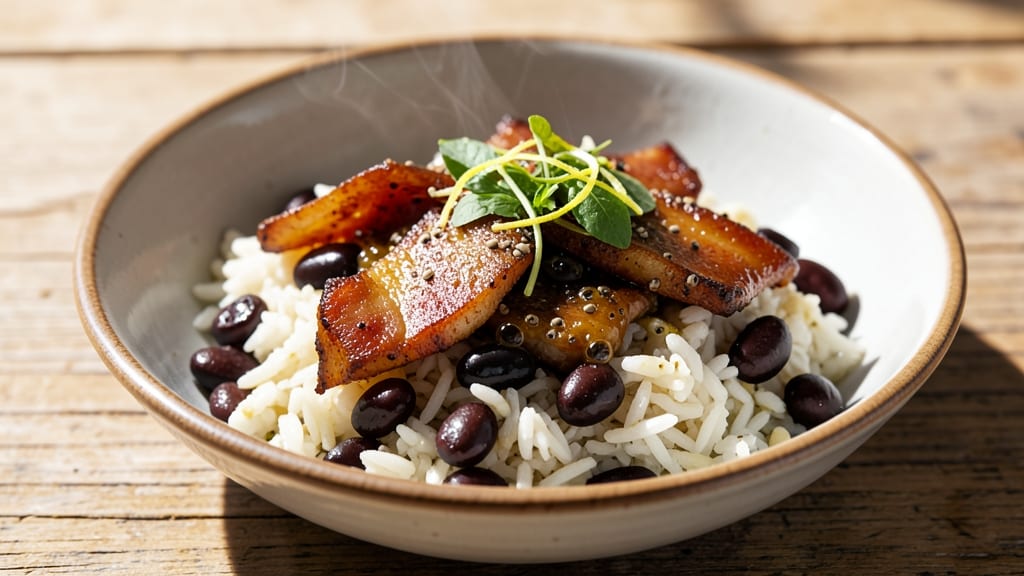
Café Rio-style rice and beans delivers the bold flavors of Brazil in one aromatic, one-pot dish—where smoky cumin, bright lime zest, and rich pork fat create a creamy, tender masterpiece. This dish isn’t just a side; it’s the heart of Brazilian home cooking, where every bite carries the soul of a Brazilian feast.
The secret lies in slow-cooking the beans with pork fat and bay leaves, then layering in rice to absorb the deeply seasoned broth. The result?
A dish that’s creamy yet firm, with just the right balance of smoky, tangy, and savory notes—perfect for serving alongside grilled meats or as a standalone meal. Let’s bring the flavors of Brazil to your table.
Ingredients for cafe rio rice and beans
Pantry staples meet Brazilian boldness—smoky, tangy, and deeply satisfying in one pot.
| Ingredient | Amount | Notes |
|---|---|---|
| Dried Black Beans 🌱 | 1 ½ cups | Soaked overnight for best texture |
| Long-Grain White Rice 🍚 | 1 cup | Uncooked, jasmine or basmati works |
| Pork Fatback 🥓 | 4 oz | Diced small for smoky flavor |
| Ground Cumin 🌿 | 2 tsp | Toasted for deeper aroma |
| Bay Leaves 🌿 | 2 whole | Fresh preferred, but dried works |
| Lime Zest 🍋 | 1 tbsp | Brightens the whole dish |
| Fresh Lime Juice 🍋 | ¼ cup | Freshly squeezed for tang |
| Yellow Onion 🧅 | 1 whole | Diced finely for sweetness |
| Garlic Cloves 🧄 | 4 cloves | Minced for bold flavor |
| Olive Oil 🫒 | 2 tbsp | For sautéing aromatics |
| Chicken Broth 💧 | 2 cups | Low-sodium preferred |
| Salt 🧂 | 1 ½ tsp | Adjust to taste |
| Black Pepper 🌶️ | ½ tsp | Freshly ground preferred |
| Cayenne Pepper 🔥 | ¼ tsp | Optional for heat |
| Fresh Cilantro 🌿 | ¼ cup | Chopped for garnish |
The pork fatback is non-negotiable here—it carries that authentic smoky depth. Costco or local butchers usually have it pre-cut, but if you're buying whole, ask for the fatty side. Fresh bay leaves make all the difference (they're cheap at Trader Joe's), but dried works in a pinch. For the beans, dried black beans are traditional—canned works but lacks that creamy texture. Soak overnight or use the quick-soak method: boil for 2 minutes, then let sit for an hour. The lime zest? Use a microplane—it's worth the extra minute for that bright burst of flavor.
No pork fatback? Duck fat or extra bacon gives similar richness, but nothing beats the authentic taste. Swap cumin for coriander if you're out, though it won't be quite the same. The rice? Jasmine or basmati absorbs the broth perfectly, but any long-grain works. Fresh cilantro is ideal for garnish, but dried won't ruin the dish—just use a third of the amount. For the lime juice, Mexican limes (key limes) add extra tang if you can find them. And if you're sensitive to heat, skip the cayenne or use half the amount—this dish should still shine.
This tastes even better the next day as flavors meld. Store leftovers in the fridge for 4-5 days—the rice gets creamier over time. For freezing, portion into containers and it keeps for 3 months. I always make extra because it's perfect for lunchboxes or quick weeknight meals. The pork fatback can be stored in the freezer for up to 6 months, so buy a big piece and save it for future batches.
Why You'll Love This Recipe
- No-Soaking Needed: I’ll admit, I used to dread the long soak for dried black beans—until I discovered this method. Just a quick rinse and overnight soak (or even pressure cooking) gets them tender, and the pork fatback renders into pure flavor while you’re at it.
- Smoky Depth Magic: That little handful of ground cumin and bay leaves? Chef’s kiss. The fatback crackles as it fries, then melts into the beans, leaving behind this warm, earthy aroma that smells like a Brazilian café. Honestly, the rice just soaks it all up like a sponge.
- Pot Luck Hero: Between us, this is my go-to for game nights, lazy Sundays, or when my college-aged kids show up unannounced. Serve it with fried eggs or avocado—suddenly, you’ve got a full spread without stress. The beans reheat beautifully, too.
- Pantry Stretch: I make a huge batch on Sundays because it’s my budget secret weapon. A pound of dried beans and a slab of fatback stretch across five meals, and the rice costs pennies. Leftovers? Even better—next day’s lunch is just as rich, if not more so.
Step-by-step instructions for smoky cumin and lime zest rice and beans
This one-pot wonder delivers bold, smoky flavors with minimal effort—just follow along.
Sauté the Pork Fatback and Aromatics
Heat the 2 tablespoons olive oil in a large, heavy pot over medium heat. Add the 4 oz diced pork fatback and cook for 5-6 minutes, stirring occasionally, until the fat renders out and the pork becomes golden brown and crispy. This step builds the smoky foundation.
Push the pork to one side of the pot and add the 1 whole diced yellow onion. Cook for 4-5 minutes until softened and translucent. Add the 4 minced garlic cloves and cook for 30 seconds until fragrant—don't let it burn. Stir everything together to combine flavors.
Toast the Spices and Add the Beans
Add the 2 teaspoons ground cumin and 0.25 teaspoon cayenne pepper to the pot, stirring constantly for 30 seconds until the spices become aromatic and slightly toasted. This deepens their flavor and prevents bitterness.
Add the 1.5 cups dried black beans (drained if previously soaked) and stir to coat them evenly in the fat and spices. Pour in the 2 cups chicken broth, then add the 1.5 teaspoons salt, 0.5 teaspoon black pepper, and 2 whole bay leaves. Bring everything to a gentle boil, then reduce heat to medium-low and let it simmer uncovered for 15 minutes to soften the beans.
Add the Rice and Lime
Add the 1 cup long-grain white rice to the pot, stirring to distribute it evenly among the beans. Pour in the 0.25 cup fresh lime juice and sprinkle the 1 tablespoon lime zest over the top. The lime brightens the dish and balances the smoky flavors.
Increase the heat to medium-high and bring the mixture to a full boil for 1 minute to cook off any excess lime acidity. Then reduce heat to low, cover the pot tightly with a lid, and simmer for 25-30 minutes until the rice is tender and the liquid is absorbed. Avoid peeking—this disrupts the cooking process.
Rest and Garnish
Once the rice and beans are fully cooked, remove the pot from heat and let it sit covered for 5 minutes. This resting period allows the flavors to meld and the rice to finish absorbing any remaining liquid.
Discard the bay leaves and fluff the rice and beans gently with a fork. Stir in the 0.25 cup chopped fresh cilantro and taste for seasoning—adjust salt or lime juice if needed. Serve immediately with warm tortillas or crusty bread, and enjoy the smoky, zesty flavors of this classic dish.
Pro Tips For Making Cafe Rio Rice And Beans
- CRISP THE FATBACK FIRST: I learned this the hard way—skipping the initial sear on the pork fatback leaves your rice bland and greasy. Render it in a dry skillet over medium-high heat until the edges turn golden and the fat pools at the bottom. That crispy bit? It’s what carries the smoky depth through every bite.
- SOAK BEANS OVERNIGHT (OR NOT): If you’re short on time, a quick 2-hour soak in hot water works, but for Café Rio’s signature tenderness, overnight soaking in cold water is non-negotiable. Drain and rinse them twice—the first rinse removes debris, the second removes excess starch that makes the beans gummy.
- STIR THE RICE ONCE: After adding the liquid to the rice, resist the urge to check on it constantly. Let it simmer uncovered for 5 minutes, then stir once to distribute the rice evenly. Cover immediately and walk away—peeking or stirring more just releases steam and dries out the grains.
- USE BAY LEAVES LAST: Toss the bay leaves in with the beans during the initial simmer, but remove them before adding the rice. I was skeptical until I tried it—they infuse the beans perfectly without turning the rice bitter or leaving leaf fragments in your final dish. (Pro move: Crumble them between your fingers first to release the oils.)
Essential equipment for perfect results
Heavy-Duty Pot
You’ll need a large, heavy pot with a tight-fitting lid—think Dutch oven or a 5-6 quart enameled cast iron like the Le Creuset. This ensures even heat distribution and prevents sticking.
If you don’t have one, a stainless steel pot with a thick base (like All-Clad) works too. Avoid thin, lightweight pots—they can’t handle the simmering time without scorching. 🔥
Immersion Blender
For that signature creamy texture, an immersion blender (like the Ninja Foodi) is a game-changer. After cooking, blend about half the mixture directly in the pot for 10-15 seconds—this creates a luscious, velvety consistency without overworking the beans.
No blender? A hand masher or wooden spoon works, but you’ll need to mash the beans manually for a similar effect.
Microplane Zester
The lime zest is where the magic happens, and a microplane (like the OXO Good Grips) makes all the difference. It yields fine, flavorful zest without the bitter pith. If you don’t have one, a grater works, but you’ll need to sift out the pith afterward.
Pro tip: Use Mexican limes (key limes) if available—they’re more aromatic and tangy. 🍋
Instant-Read Thermometer
While not mandatory, an instant-read thermometer (like the ThermoWorks Thermapen) helps ensure the beans reach 212°F before adding rice—this prevents gummy texture. It’s also useful for checking the internal temp of pork fatback (aim for 160°F) if you’re worried about safety.
Overcooking beans turns them mushy, so this tool gives you precision. For most home cooks, though, visual cues (like rice being tender) are enough.
Wooden Spoon
A long wooden spoon (like the Ozeri Touch-Grip) is essential for stirring without scratching your pot. Wood distributes heat evenly and won’t react with acidic ingredients like metal can.
I keep one dedicated to this dish—it picks up the smoky, cumin-infused flavors over time, which actually enhances the dish. Avoid plastic or thin metal spoons; they can’t handle the heat or texture.
Tight-Fitting Lid
Your lid must seal tightly—no gaps! A glass or metal lid with a rubber gasket (like those on Dutch ovens) is ideal. If yours doesn’t fit snugly, wrap the rim with aluminum foil before locking it on.
This traps steam and cooks the rice evenly. Pro move: Place a damp paper towel under the lid to prevent condensation from dripping back into the pot. 💫
Nutrition facts
Frequently asked questions
Can I substitute canned beans for dried?
You can use canned beans, but the texture won't be as creamy or authentic. For the best results, stick with dried black beans—simmer them for 15 minutes before adding rice to ensure they're tender. If using canned, rinse thoroughly to remove excess sodium and add 1 extra tablespoon of lime juice to brighten the flavor.
Why does my rice and beans come out mushy?
Mushy rice usually means the beans absorbed too much liquid or the rice cooked too long. Use a 1:1.5 ratio of rice to beans and reduce heat to low after boiling. Avoid peeking while simmering—each time you lift the lid, steam escapes and cooking slows. If it's still mushy, spread it on a tray and bake at 350°F for 10 minutes to crisp up.
How do I make this dish vegetarian?
Swap pork fatback for 4 oz smoked paprika or liquid smoke (1 tsp) and use 2 tbsp olive oil instead. Add 1/2 cup diced mushrooms with the onions for umami depth. For extra richness, stir in 2 tbsp coconut cream at the end. The lime zest and cumin will still shine, keeping the Brazilian-inspired flavors intact.
Can I make this in a slow cooker?
Brown the pork fatback and sauté aromatics in a skillet first, then transfer everything to the slow cooker. Cook on low for 6-7 hours or high for 3-4 hours. Add the rice and lime in the last 30 minutes to prevent overcooking. The slow cooker's gentle heat enhances the smoky, creamy texture even more.
What's the best way to reheat leftovers?
Reheat gently in a pot with 2 tbsp water or broth over low heat for 5-7 minutes, stirring occasionally. Microwaving can make the rice rubbery—avoid it! For extra flavor, add 1 tsp lime juice and a pinch of smoked paprika while reheating. Store leftovers for 4-5 days in the fridge.