
Main Courses
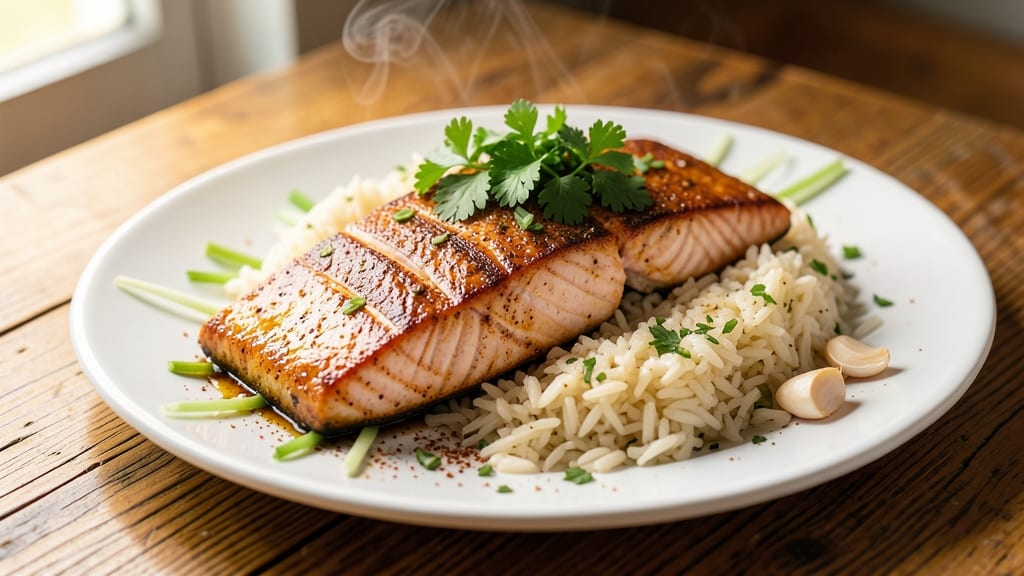
This Cajun salmon and rice recipe delivers bold flavors and satisfying texture in one perfect package. The salmon develops a crispy crust while staying tender inside, perfectly balanced by the smoky-spiced Cajun seasoning.
What makes this dish special is how the flavors come together—aromatic rice simmered with garlic and herbs complements the spicy salmon, creating a meal that feels both elegant and effortless.
The key to achieving restaurant-quality results at home lies in the technique: searing the salmon skin-side down in a hot pan creates that coveted crispy texture, while the rice cooks in the same pot for minimal cleanup.
This one-pan method ensures you'll spend more time enjoying dinner than scrubbing pots, and the Cajun seasoning transforms simple ingredients into something extraordinary.
By the time you serve this dish, you'll have perfectly seasoned salmon with a golden crust and tender flesh, paired with fragrant rice that's infused with garlic and herbs.
The combination of smoky, spicy flavors with the mild sweetness of the rice creates a balanced meal that's both hearty and refined. Garnish with fresh parsley and serve with a crisp white wine or tangy lemonade for the perfect pairing.
Whether you're cooking for a weeknight dinner or a special occasion, this recipe delivers impressive results with minimal effort. The Cajun seasoning adds depth and complexity, while the one-pan method keeps the process simple and efficient. Let's create a dish that's as satisfying to make as it is to eat.
Ingredients for cajun salmon and rice
Four salmon fillets, fragrant rice, and bold Cajun spices create a restaurant-worthy meal with minimal effort.
| Ingredient | Amount | Notes |
|---|---|---|
| Salmon Fillets 🐟 | 4 whole | Skin-on, 6-8 oz each |
| Long-Grain White Rice 🍚 | 1 ½ cups | Uncooked, jasmine preferred |
| Cajun Seasoning 🌶️ | 2 tbsp | Homemade or store-bought |
| Garlic Cloves 🧄 | 4 cloves | Minced for rice and salmon |
| Green Onions 🧅 | ¼ cup | Sliced, white and green parts |
| Fresh Parsley 🌿 | ¼ cup | Chopped, for garnish |
| Unsalted Butter 🧈 | 2 tbsp | For rice and salmon |
| Chicken Broth 💧 | 2 cups | Low-sodium preferred |
| Lemon Juice 🍋 | 1 tbsp | Freshly squeezed |
| Salt 🧂 | 1 ½ tsp | Kosher or sea salt |
| Black Pepper 🌶️ | ½ tsp | Freshly ground |
| Olive Oil 🫒 | 1 tbsp | For searing salmon |
| Paprika 🌶️ | ½ tsp | Smoked, for extra color |
The salmon is the star here—look for fillets with bright pink flesh and intact skin for that perfect crispy crust. Whole Foods or Trader Joe's often carry high-quality salmon, but any reputable fishmonger will do. If you can't find skin-on, don't stress—just pat the fillets dry before cooking. The Cajun seasoning should have a deep, smoky aroma; if yours smells flat, toast the spices in a dry pan for 30 seconds to wake up the flavors. For the rice, jasmine or basmati varieties work best—they stay separate and fragrant. If you're using pre-made Cajun seasoning, check the label for salt content—some brands are saltier than others, so you might need to adjust your additional salt later.
No Cajun seasoning? Mix 1 tbsp paprika, 1 tsp garlic powder, 1 tsp onion powder, 1 tsp dried thyme, 1/2 tsp cayenne, and 1/2 tsp black pepper for a quick substitute. Short on green onions? Fresh chives or scallions work just as well. The butter in the rice can be swapped for olive oil or vegan butter if needed, though the flavor will be slightly different. If you're serving this for a crowd, double the recipe—salmon cooks quickly, so timing is key. For extra richness, stir a splash of fish sauce or soy sauce into the rice at the end, but keep it to 1/2 teaspoon or less to avoid overpowering the dish.
Store any leftover salmon and rice in an airtight container for up to 2 days in the fridge, though it's best enjoyed fresh. The rice reheats beautifully with a splash of water or broth—just cover and microwave until steaming. If you've got extra Cajun seasoning, store it in a small jar with a tight seal for up to 6 months in a cool, dark place. For the salmon, the skin will crisp up again when reheated, so it's worth saving for sandwiches or salads. Garnish with fresh parsley right before serving—it adds a bright pop of color and freshness that makes the dish feel special.
Why You'll Love This Recipe
- One-Pan Magic: I swear by this trick—just toss everything on one sheet pan, pop it in the oven, and walk away. The rice soaks up the Cajun-spiced salmon juices while the garlic cloves caramelize right into the mix, so you’re not stuck scrubbing multiple dishes later.
- Flavor Bomb: That first bite of flaky salmon with the smoky kick from the Cajun seasoning? It’s like a little vacation in your mouth. The green onions add this bright, fresh finish that cuts through the richness—honestly, it’s the kind of dish that makes you close your eyes and go "yes."
- Lunchbox Hero: Between us, this is my go-to for meal prep. Cook a big batch, portion the rice and salmon into containers, and you’ve got a protein-packed lunch ready for the week. (Yes, even on a Tuesday night when you’re too tired to think.)
- Budget-Friendly Protein: Salmon’s the star here, but a single fillet stretches far when paired with rice—meaning you’re not breaking the bank for a satisfying meal. Plus, the Cajun seasoning is cheap and goes a long way, so this recipe actually feels like a splurge without the price tag.
Step-by-step instructions for Cajun salmon and rice
Here's how to deliver perfectly seasoned salmon with aromatic jasmine rice in one cohesive dish.
Prepare the Cajun-Spiced Salmon
Pat the 4 whole salmon fillets dry with paper towels to remove any surface moisture. This ensures better seasoning adherence and a superior sear. Place each fillet skin-side down on a cutting board and make shallow cuts in a crosshatch pattern on the flesh side - about ½-inch deep. This creates pockets for the Cajun seasoning to penetrate deeply.
In a small bowl, combine the 2 tablespoons Cajun seasoning, 0.5 teaspoon paprika, 0.5 teaspoon black pepper, and 1 teaspoon of the 1.5 teaspoons salt. Rub this mixture evenly over both sides of each fillet, pressing gently to ensure the spices adhere. Let the seasoned fillets rest at room temperature for 15 minutes while you prepare the rice. This resting period allows the spices to develop their full flavor and the salmon to cook more evenly.
Cook the Jasmine Rice with Aromatics
Rinse the 1.5 cups long-grain white rice under cold water until the water runs clear, then drain well. In a medium saucepan, melt the 2 tablespoons unsalted butter over medium heat. Add the 4 minced garlic cloves and cook for 30 seconds until fragrant but not browned. Add the rice and stir to coat each grain with butter, about 1 minute.
Pour in the 2 cups chicken broth and bring to a gentle boil. Immediately reduce heat to low, cover with a tight-fitting lid, and simmer for 15 minutes without lifting the lid. This creates steam that cooks the rice evenly. After 15 minutes, remove from heat and let the rice steam undisturbed for 10 minutes. The residual heat will continue cooking the rice while preventing it from becoming mushy.
Sear the Salmon to Perfect Doneness
While the rice cooks, heat the 1 tablespoon olive oil in a large skillet over medium-high heat until shimmering. Add the salmon fillets skin-side down and cook for 4-5 minutes until the skin is crispy and golden brown, and the edges begin to lift slightly from the pan. Flip the fillets carefully and cook for another 3-4 minutes until the flesh is opaque throughout and flakes easily with a fork.
The salmon should reach an internal temperature of 145°F when measured at the thickest part. Remove the fillets from the pan and transfer to a warmed serving platter. Drizzle with the 1 tablespoon lemon juice and sprinkle evenly with the remaining 0.5 teaspoon salt and any remaining Cajun seasoning mixture. Taste and adjust seasoning if needed - the lemon juice brightens the Cajun flavors beautifully.
Fluff and Garnish the Complete Dish
Using a fork, gently fluff the rice to separate the grains and distribute any remaining steam. Stir in the 0.25 cup sliced green onions and 0.25 cup chopped fresh parsley, reserving a small portion of each for garnish. Divide the rice evenly among 4 serving plates, creating a base for the salmon fillets.
Place one salmon fillet atop each serving of rice, skin-side up if preferred. Spoon any pan juices from the salmon skillet over the top of each serving. Garnish each plate with the reserved green onions and parsley, creating a colorful contrast against the golden salmon and white rice. The combination of smoky Cajun flavors, bright lemon, and fragrant rice creates a harmonious balance in every bite.
Pro Tips For Making Cajun Salmon And Rice
- SEAR SALMON SKIN-DOWN: Flip the fillets skin-side down in a hot, oiled pan first—this guarantees the skin crisps while the flesh stays tender. I used to flip them skin-up and ended up with sad, greasy salmon every time.
- SAUTE GARLIC UNTIL GOLDEN: Don’t just smell it—cook those minced garlic cloves until they’re deep golden, not brown. That’s when they release the most flavor, and it takes less than 30 seconds if your pan is hot enough.
- DON’T OVERSEASON THE RICE: Cajun seasoning is bold, so start with half the packet and taste the rice before adding more. I’ve ruined perfectly good rice by dumping the whole thing in, thinking “more = better.”
- USE LEMON JUICE AT THE END: A squeeze of fresh lemon juice over the salmon right before serving cuts through the richness and brightens the Cajun heat. Skip the bottled stuff—it’s not the same.
Troubleshooting this recipe
Salmon Overcooking
Your salmon might turn rubbery or dry if cooked beyond 145°F internal temperature. Use a meat thermometer to monitor the thickest part—remove it immediately when it hits that mark. I’ve learned the hard way that even 1-2 minutes over can ruin the texture.
For thicker fillets (over 1.5 inches), reduce cooking time slightly to 3 minutes per side.
Rice Texture Issues
If your rice comes out mushy, you likely lifted the lid too soon or didn’t let it steam undisturbed after cooking. For perfect jasmine rice, resist peeking during the 15-minute simmer.
If it’s undercooked, add 2 tablespoons water, cover, and steam 5 more minutes. Overcooked rice? Stir in 1 teaspoon butter and a splash of broth to revive it.
Uneven Seasoning
Cajun seasoning can clump or stick unevenly if the salmon isn’t patted dry first. For extra adhesion, mix the spices with 1 teaspoon olive oil before rubbing. If the seasoning tastes weak, toast the spices in a dry pan for 30 seconds to intensify their flavor.
Pro tip: Sprinkle a pinch of smoked paprika on top right before serving for a restaurant-worthy finish.
Sticky Salmon Skin
If the skin won’t crisp, it’s likely not dry enough or the heat isn’t high enough. Pat the skin with paper towels until completely dry, then sear in a cold skillet over medium-high heat—this ensures even contact.
Avoid moving the fillets during cooking; let them develop that golden crust undisturbed for 4-5 minutes.
Rice Too Salty
If the rice tastes overly salty, you likely used a high-sodium broth or added extra salt. For future batches, use low-sodium chicken broth and taste the rice before adding salt.
If it’s already too salty, stir in 1 tablespoon lemon juice or ½ cup cold water to dilute the flavor. A pinch of sugar can also help balance the saltiness.
Pan Juices Disappearing
If your salmon pan loses its juices, it’s likely because the heat was too high or the fillets were overcrowded. Cook one fillet at a time in a 12-inch skillet over medium-high heat to maintain optimal temperature.
Reserve the pan juices by deglazing with 1 tablespoon water after removing the salmon—simmer for 1 minute, then drizzle over the rice for extra flavor.
Nutrition facts
Frequently asked questions
Can I use frozen salmon for this recipe?
Yes, but thaw it properly first! Place frozen salmon in its original packaging in the fridge overnight (24 hours for 1-inch-thick fillets) or use the quick thaw method: seal in a leak-proof bag and submerge in cold water (change water every 30 minutes) until fully thawed. Never microwave—it creates uneven cooking. Pat the skin completely dry before seasoning to ensure crispiness.
How can I make this dish spicier?
For extra heat, add ½ teaspoon cayenne pepper to the Cajun seasoning or sprinkle ¼ teaspoon red pepper flakes on top before serving. You can also stir 1 teaspoon hot sauce into the rice or serve with a side of spicy pickles. Remember, the lemon juice in the recipe already balances heat—adjust gradually!
What's the best way to reheat leftovers?
Reheat salmon and rice separately for best results. Place salmon in a skillet over medium-low heat for 2-3 minutes per side—it'll crisp up again! For rice, cover with a damp paper towel and microwave for 1-2 minutes, then fluff with a fork. Add a splash of water or broth if needed. Never reheat salmon above 145°F to prevent drying.
Can I substitute jasmine rice with another type?
Yes! Use basmati rice (same cooking method) or long-grain white rice. For brown rice, increase cooking time to 45 minutes—it needs more liquid (use 2.5 cups broth) and won't be as fluffy. Short-grain rice like sushi rice will turn sticky—avoid for this dish. Always rinse your chosen rice thoroughly before cooking.
What beverages pair well with this dish?
A crisp Sauvignon Blanc or dry Riesling complements the Cajun flavors beautifully. For non-alcoholic options, try sparkling lemonade—the acidity cuts through the richness. A light ginger beer—especially with a squeeze of lime—also works wonderfully. Avoid heavy red wines like Cabernet, which can overpower the delicate salmon.