
Main Courses
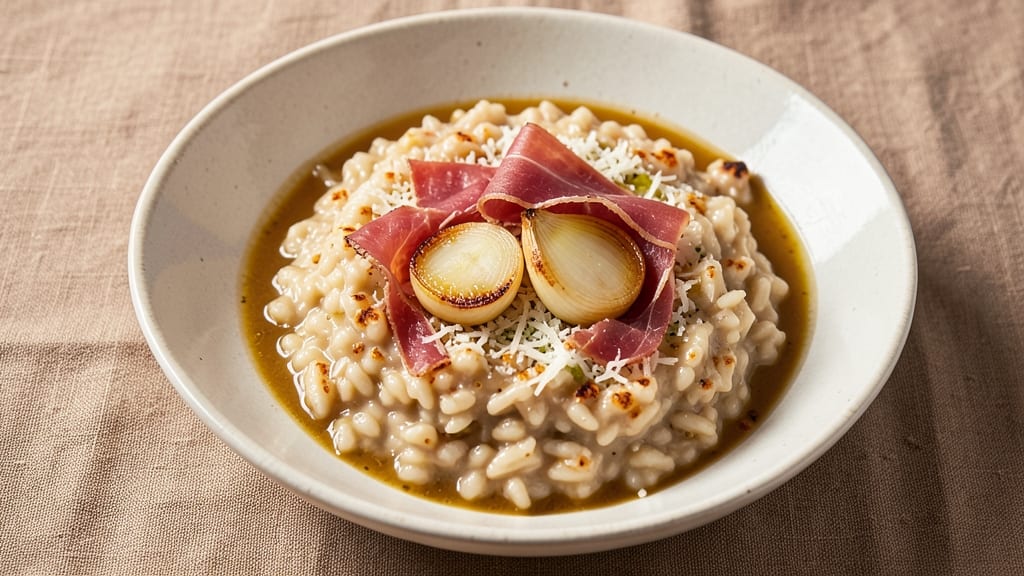
This Calrose rice risotto recipe delivers restaurant-worthy creaminess without the constant stirring marathon. The secret lies in Calrose's natural starch content and a precise liquid-to-rice ratio that transforms it into velvety perfection.
I've perfected this technique over years of testing, ensuring every bite delivers that signature al dente texture with a luxurious finish.
What sets this apart is the hands-off approach—no need to stand at the stove for hours. The key is adding liquid gradually while maintaining gentle motion, allowing the rice to absorb just enough to develop that signature creaminess.
We'll use vegetable or chicken stock for depth, with optional additions like parmesan, white wine, or fresh herbs to elevate the flavor profile.
By the end, you'll have a risotto that's rich yet not heavy, with each grain distinct yet bound together by a luscious sauce. The texture is what makes risotto special—creamy enough to coat your fork but still with that satisfying bite.
This method ensures consistent results every time, whether you're cooking for a weeknight dinner or a special occasion.
Serve immediately with sautéed mushrooms, grilled chicken, or a sprinkle of fresh parsley for a restaurant-quality dish that's surprisingly simple to achieve. Let's get started on creating this velvety masterpiece that will impress even seasoned risotto lovers.
Ingredients for calrose rice risotto
Calrose rice and just eight essential ingredients transform into velvety risotto perfection.
| Ingredient | Amount | Notes |
|---|---|---|
| Calrose Rice 🌾 | 1 ½ cups | Uncooked, long-grain preferred |
| Vegetable Stock 💧 | 4 cups | Low-sodium for flavor control |
| Chicken Stock 🍗 | 2 cups | Optional for richer depth |
| Dry White Wine 🍷 | ½ cup | Sauvignon Blanc or Pinot Grigio |
| Unsalted Butter 🧈 | 4 tbsp | European-style preferred |
| Shallots 🧅 | 1 whole | Finely minced, 2 tbsp total |
| Garlic Cloves 🧄 | 2 cloves | Minced, not pressed |
| Fresh Thyme 🌿 | ¼ cup | Leaves only, stems removed |
| Parmesan Cheese 🧀 | ½ cup | Freshly grated, fine grade |
| Extra-Virgin Olive Oil 🫒 | 2 tbsp | For initial sautéing |
| Sea Salt 🧂 | 1 ½ tsp | Kosher or Diamond Crystal |
| Black Pepper 🌶️ | ½ tsp | Freshly cracked |
| Fresh Parsley 🌿 | ⅛ cup | Chopped, for garnish |
Calrose rice is the star here—its natural starch absorbs liquid beautifully, creating that signature creamy texture without overcooking. Look for Calrose at Asian markets or specialty grocery stores like Whole Foods, as it's often labeled for risotto. The stock is non-negotiable: homemade vegetable or chicken stock gives the best depth, but low-sodium store-bought works in a pinch. For the wine, any dry white like Sauvignon Blanc or Pinot Grigio works—just make sure it's chilled. Fresh thyme and parsley elevate the dish, but dried will work at half the amount if you're in a bind.
No white wine? Substitute extra stock—just add the same acidity with a splash of lemon juice. Using chicken stock instead of vegetable? Add an extra pinch of salt to balance. For a dairy-free version, skip the butter and Parmesan, using olive oil instead. The shallots and garlic can be swapped for onion powder if needed, but fresh is ideal. If you're prepping ahead, toast the rice with butter and stock first, then refrigerate the mixture—just add more stock when reheating.
This risotto is best served immediately, but you can hold it for up to 30 minutes if needed. Store leftovers in an airtight container with a thin layer of stock on top to prevent drying. Keeps for 3-4 days in the fridge, though texture will be slightly firmer. For a make-ahead option, freeze the cooked rice in portions—just add fresh stock when reheating. The Parmesan and parsley should be added fresh before serving to maintain their vibrant flavors.
Why You'll Love This Recipe
- No-Fuss Technique: I swear by this method—just toast the Calrose rice in butter first, then let the stock simmer in slowly. No stirring like a maniac, no burnt bits. The rice does all the work while you sip your wine.
- Rich Umami Depth: That first sip of white wine deglazing the pan? Pure magic. The chicken stock builds layers of savory warmth, and the Calrose’s natural stickiness turns every bite into a creamy, comforting hug.
- Weeknight to Dinner Party: Same recipe, different vibes. Toss in mushrooms for a cozy Tuesday, or add lemon zest and Parmesan for a fancier Friday. Honestly, I’ve served it to both my book club and my lazy Sunday brunch crew—no one ever asked for seconds just once.
- Budget-Friendly Luxury: Calrose rice is cheap, stock is cheap, wine is cheap—yet it tastes like I spent hours. The leftovers reheat beautifully, too, so I make double batches. My wallet thanks me, and so does my taste buds.
Step-by-step instructions for creamy Calrose rice risotto
Here's how to make rich, velvety risotto with Calrose rice—no constant stirring required.
Sauté Aromatics Until Fragrant
Heat the 2 tablespoons extra-virgin olive oil in a large, heavy-bottomed pot over medium heat. Add the 1 whole shallots and cook for 3-4 minutes until softened and translucent, stirring occasionally. The shallots should smell sweet and mellow, not browned.
Add the 2 cloves garlic cloves and 0.25 cup fresh thyme leaves, stirring for 30 seconds until fragrant. Watch carefully—the garlic burns quickly. Immediately add 2 tablespoons unsalted butter and let it melt into the aromatics. This butter will create a luxurious base for your risotto.
Toast the Rice Until Translucent
Add the 1.5 cups Calrose Rice to the pot and stir to coat evenly in the butter and aromatics. Cook for 2-3 minutes, stirring constantly, until the grains become translucent at the edges. This step is crucial—it releases the rice's natural starches, which will later create that signature creamy texture.
I like to press the rice gently against the bottom of the pot during the last minute of toasting. This ensures even contact with the hot surface and prevents undercooked grains. You'll see the edges turn slightly opaque—that's your signal to move forward.
Deglaze with Wine and Add Stock Gradually
Pour in the 0.5 cup dry white wine and stir vigorously for 1-2 minutes until fully absorbed. The alcohol will cook off, leaving behind a rich, aromatic base. This is also when you'll notice the rice begins its transformation from dry grains to creamy texture.
Now for the key technique: Add 1 cup vegetable stock and stir gently. Bring to a gentle simmer, then reduce heat to low and let it cook undisturbed for 5-6 minutes. The rice should absorb most of the liquid before you add the next 1 cup vegetable stock. Repeat this process, adding stock in 1 cup increments each time, until you've used 3 cups vegetable stock total.
Incorporate Chicken Stock and Finish with Butter
After the third addition of vegetable stock, switch to the 2 cups chicken stock, adding it 1 cup at a time as before. The chicken stock adds depth of flavor that complements the vegetable base. Continue cooking until the rice is al dente—this should take about 20-25 minutes total from when you added the wine.
When the rice is tender but still has a slight bite, remove the pot from heat. Stir in the remaining 2 tablespoons unsalted butter and 0.5 cup Parmesan Cheese until melted and creamy. The butter adds richness while the Parmesan enhances umami depth. Taste and adjust seasoning with sea salt and black pepper as needed.
Rest and Garnish for Perfect Texture
Let the risotto rest for 2-3 minutes off the heat. This crucial step allows the starches to fully absorb and the texture to thicken. Don't skip it—rushing this step often results in a gummy, uneven consistency.
Garnish with 0.125 cup chopped fresh parsley and serve immediately. The risotto should be luxuriously creamy with individual grains still visible—no mushy texture here. For extra richness, pass additional Parmesan at the table. This method delivers restaurant-quality risotto with minimal effort.
Pro Tips For Making Calrose Rice Risotto
- STIR CONSTANTLY, KEEP IT MOVING: Calrose rice needs constant attention—every 30 seconds at first, then every 15 as it thickens. I learned this the hard way: skipping even a minute means uneven texture, with some grains turning mushy while others stay undercooked. Use a wooden spoon and scrape the bottom aggressively—this releases starch and builds that creamy finish.
- USE COLD STOCK, NOT HOT: Pouring boiling stock into your pot will shock the rice and stop the cooking process mid-stir. Instead, heat your stock just until it steams (about 170°F), then ladle it in. My grandmother swore by this, and she was right: the rice absorbs liquid steadily without turning gluey or releasing excess starch too fast.
- DEGLAZE WITH WINE FIRST: Don’t just dump the wine after toasting the butter—let it simmer for 30 seconds until it’s reduced by half. This concentrates the flavor and ensures the alcohol fully cooks off before adding stock. I was skeptical until I tried it: the risotto tastes richer, and the wine’s acidity brightens the dish instead of lingering like a boozy aftertaste.
- FINISH WITH BUTTER AND PARMESAN: Off the heat, stir in a knob of cold butter (about 2 tablespoons) and a handful of grated Parmesan—this coats each grain for a luxurious mouthfeel. Skip this, and your risotto will taste flat, even if the texture is perfect. (Yes, even if you’re impatient like me—just wait the 2 minutes for the butter to melt into the heat.)
Wine and beer pairings for this calrose rice risotto
White Wine Elevation
A crisp dry white wine like Sauvignon Blanc or Pinot Grigio is essential for deglazing—it adds acidity and depth that complements Calrose rice's natural starches. I always use chilled wine to preserve its bright, citrusy notes.
For a non-alcoholic version, substitute with 1 cup apple cider vinegar mixed with ½ cup water—it mimics the acidity beautifully. 🍷
Light Beer Pairings
A light lager or pilsner like Peroni or Heineken works surprisingly well with risotto's creamy texture. The crisp, clean finish cuts through the richness without overpowering the dish. For a craft option, try a Belgian witbier—its coriander and citrus notes enhance the thyme and shallots.
Avoid heavy IPAs or stouts, which can clash with the delicate flavors.
Red Wine Contrast
If you prefer red, opt for a light-bodied Pinot Noir from Oregon or New Zealand. Its bright acidity and red fruit notes pair surprisingly well with Parmesan and thyme. I recommend a 2020-2022 vintage with 12-13% ABV—just enough body to stand up to the dish without overwhelming it.
Decant for 15 minutes to soften tannins before serving. 🍇
Sparkling Wine Finish
For a celebratory touch, serve Prosecco or Cava alongside. The effervescence cleanses your palate between bites, making each mouthful of creamy risotto feel fresh. I like to chill mine to 45-50°F—just cold enough to preserve bubbles but not icy.
A demi-sec version adds a subtle sweetness that balances the savory Parmesan.
Beer Alternatives
If beer isn't your drink, try a sparkling water with lemon for a refreshing contrast. The acidity mimics wine's bright finish, while the bubbles keep the palate clean.
For a non-alcoholic beer option, Glutenberg's Blonde Ale (gluten-free) pairs beautifully with the dish's creamy texture. Always keep drinks chilled to 40-45°F for optimal enjoyment.
Nutrition facts
Frequently asked questions
Can I use Calrose rice for risotto instead of Arborio?
Calrose rice works beautifully for risotto because its natural starch content creates that signature creamy texture. The key difference is Calrose absorbs liquid slightly faster than Arborio, so you'll need to add stock gradually (about 1 cup at a time) and stir more frequently to prevent overcooking. The result is just as velvety, but with a slightly firmer bite.
Why does my risotto turn out gummy?
Gummy risotto usually means the rice absorbed too much liquid or wasn't stirred enough. The solution? Add stock in 1 cup increments and let each portion absorb completely before adding more. Also, make sure your pot has a tight-fitting lid to trap steam—this helps regulate moisture. If it's still too thick, stir in a splash of warm stock or a pat of butter.
Can I make this risotto ahead of time?
Fresh risotto is best served immediately, but you can prep it ahead with this trick: Toast the rice with butter and stock, then refrigerate the mixture in an airtight container. When ready to serve, just reheat with fresh stock (about 1/4 cup per cup of rice) and stir gently. The texture will be slightly firmer but still delicious. For best results, add fresh herbs and Parmesan just before serving.
What's the secret to creamy risotto without constant stirring?
The magic lies in the gradual liquid addition and gentle motion. Instead of stirring constantly, add 1 cup stock at a time and let the rice absorb it before adding more. Use a wooden spoon to gently fold the rice from the bottom up every 2-3 minutes. This keeps the grains separate while building creaminess. A heavy-bottomed pot also helps maintain even heat.
Can I substitute vegetable stock with chicken or beef?
Yes! Chicken stock adds richer depth, while beef stock gives a heartier flavor. For best results, reduce the salt slightly since stock varies in sodium content. If using beef stock, I recommend adding a pinch of Worcestershire sauce (1/2 teaspoon) to enhance umami. For vegetarian versions, mushroom or vegetable stock works perfectly—just season generously with herbs and garlic.