
Main Courses
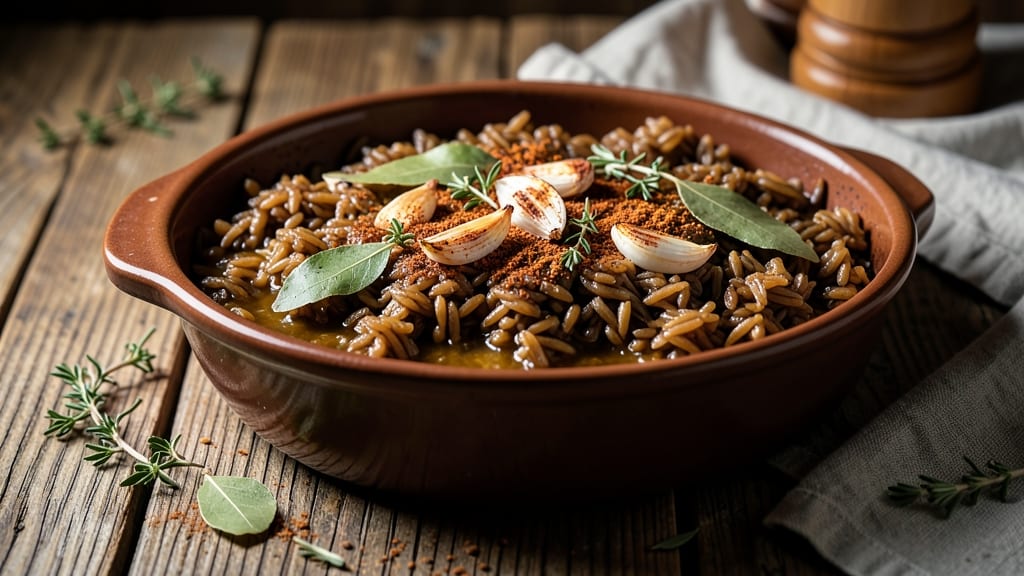
Canadian wild rice transforms any meal into a hearty, nutty centerpiece with its earthy depth and satisfying texture—perfect for Thanksgiving tables or rustic Canadian-inspired dinners. Unlike its name suggests, this grain isn’t rice at all but a mix of aquatic grasses with a chewy bite that holds up beautifully to rich sauces and proteins. The secret lies in proper soaking and slow simmering, which unlocks its full flavor potential.
This recipe delivers a smoky garlic-infused version that pairs equally well with roasted turkey, venison, or vegetarian mains. The wild rice absorbs flavors deeply while maintaining its signature chew, creating a side that’s both comforting and elegant.
Whether served as a pilaf, stuffing, or standalone dish, it’s a staple of Canadian cuisine that brings warmth and tradition to every plate.
Ingredients for canadian wild rice
Eleven ingredients transform Canadian wild rice into a smoky, garlic-infused centerpiece for any meal.
| Ingredient | Amount | Notes |
|---|---|---|
| Canadian Wild Rice Blend 🌾 | 1 cup | Uncooked, natural or smoked variety |
| Chicken Broth 💧 | 4 cups | Homemade or quality low-sodium |
| Garlic Cloves 🧄 | 6 cloves | Fresh, minced for smoky depth |
| Smoked Paprika 🌶️ | 1 tbsp | High-quality for authentic smokiness |
| Dried Thyme 🌿 | 1 tsp | Or 1 tbsp fresh, finely chopped |
| Bay Leaves 🍃 | 2 whole | Fresh for maximum aroma |
| Salt 🧂 | 1 ½ tsp | Diamond Crystal preferred |
| Black Peppercorns 🌶️ | ½ tsp | Freshly cracked for texture |
| Butter 🧈 | 2 tbsp | Unsalted, for finishing richness |
| Parmesan Cheese 🧀 | ¼ cup | Freshly grated, for nutty finish |
| Fresh Parsley 🌿 | ¼ cup | Chopped, for vibrant garnish |
| Olive Oil 🫒 | 1 tbsp | Extra-virgin, for sautéing garlic |
The wild rice blend is the foundation—Canadian Harvest or Manomin brands deliver authentic texture. Soak the rice for 30 minutes before cooking to reduce cooking time and enhance flavor absorption. For a deeper smoky profile, choose a blend labeled with smoked paprika or hickory notes. Fresh garlic and thyme elevate the dish beyond basic seasoning, while bay leaves add subtle complexity. Whole Foods or specialty grocery stores carry the best quality, though regular supermarkets often stock reliable options in the international aisle.
No smoked paprika? Substitute with 1/2 tsp liquid smoke plus 1/4 tsp regular paprika for similar depth. Fresh thyme unavailable? Dried thyme at one-third the amount works, but toast it in a dry pan for 30 seconds to intensify flavor. The chicken broth can be swapped for vegetable broth for vegetarian versions, though the flavor profile shifts slightly. For extra richness, add 1 tbsp cream cheese during the final 5 minutes of cooking. The parsley should be flat-leaf variety—Italian parsley lacks the same vibrant flavor.
Wild rice keeps its texture best when refrigerated in an airtight container for up to 5 days. For longer storage, freeze portions in 1-cup increments for up to 6 months. Reheat gently with a splash of broth to prevent drying. This dish reheats beautifully—double the recipe for meal prep, as the flavors meld even better overnight. Garnish with extra Parmesan and parsley just before serving to maintain freshness.
Why You'll Love This Recipe
- No-Fuss Simmer: I toss in the wild rice blend, broth, and a couple of smashed garlic cloves—no measuring cups, no stress. The rice does all the work while I chop veggies or open a bottle of wine. (Yes, even on a Tuesday night.)
- Earthy & Smoky Depth: That smoked paprika and thyme? They turn ordinary rice into something rich and complex—like a hug in a bowl. The wild rice’s natural nuttiness pairs perfectly with the broth’s savory warmth.
- Meal Prep MVP: Make a big batch, and it’s ready for lunches all week. Toss it with roasted veggies, shredded chicken, or even just a drizzle of olive oil—it’s that adaptable. My lunchbox thanks me every time.
- Budget-Friendly Powerhouse: Wild rice blend stretches farther than white rice, and broth is cheaper than takeout. A single pot feeds four, and leftovers reheat beautifully. Honestly, it’s my go-to when I’m pinching pennies.
Step-by-step instructions for Canadian wild rice with smoky garlic crunch
Transform simple ingredients into a restaurant-worthy wild rice dish with deep flavor and satisfying texture.
🍳 Step 1: Sauté Aromatics for Deep Flavor Foundation
Heat the 1 tablespoon olive oil in a medium saucepan over medium heat until shimmering but not smoking. Add the 6 cloves minced garlic cloves and cook for 30 seconds until fragrant—you should smell that sweet, pungent garlic aroma. Immediately add the 1 tablespoon smoked paprika and stir constantly for 30 seconds until the paprika dissolves and the mixture smells rich and earthy.
This step builds the flavor base. If the garlic starts to brown too quickly, reduce heat to medium-low. The goal is to develop flavor without burning the delicate garlic. I press down gently with a wooden spoon to prevent splattering, which can mute the garlic's flavor.
🍳 Step 2: Toast Spices and Prepare the Rice
Add the 1 teaspoon dried thyme, 2 whole bay leaves, 1.5 teaspoons salt, and 0.5 teaspoon cracked black peppercorns to the pan. Stir for 30 seconds to toast the spices, which deepens their aromatic qualities. Remove the pan from heat and immediately add the 1 cup Canadian Wild Rice Blend, stirring to coat each grain with the spiced oil.
The rice should look glossy and evenly distributed. This coating ensures every grain absorbs the smoky, garlicky flavors. If you notice any dry spots, add a few drops of chicken broth to help distribute the oil evenly. This step prevents bland rice and creates the perfect flavor bridge for the cooking liquid.
🍳 Step 3: Simmer the Rice in Broth
Return the pan to medium heat and pour in the 4 cups chicken broth. Bring to a gentle boil, then immediately reduce heat to low. Cover with a tight-fitting lid and simmer for 45 minutes, stirring once every 15 minutes to prevent sticking. The rice is done when the liquid is completely absorbed and the grains are tender but still have a slight bite.
This simmering time is critical—wild rice needs longer cooking than white rice. If you see liquid remaining after 45 minutes, continue cooking uncovered for another 5 minutes to evaporate the excess. The grains should be plump with a slight separation between them, not mushy or dry.
🍳 Step 4: Finish with Butter and Cheese
Remove the pan from heat and discard the bay leaves. Stir in the 2 tablespoons butter and 0.25 cup freshly grated Parmesan Cheese until fully melted and incorporated. The butter adds richness while the Parmesan contributes a nutty depth that complements the smoky flavors. Taste and adjust seasoning with additional salt if needed—wild rice often benefits from a final salt boost.
This finishing step transforms good rice into exceptional rice. The butter creates a luxurious mouthfeel, while the Parmesan adds complexity. I like to let the mixture sit for 1 minute off heat to allow the cheese to fully melt and the flavors to meld before serving.
🍽️ Step 5: Garnish and Serve Immediately
Transfer the wild rice to a serving dish and stir in the 0.25 cup chopped fresh parsley. The parsley adds a bright, fresh contrast to the rich, smoky flavors. Serve immediately while still hot, as the texture and flavors are at their peak. This dish pairs beautifully with roasted meats, grilled vegetables, or as a standalone vegetarian main course.
For best results, serve within 30 minutes of cooking. The parsley garnish not only enhances presentation but also adds a vibrant pop of color that makes the dish look as appealing as it tastes. If you're serving this as part of a larger meal, consider preparing it last so it stays at its optimal temperature and texture.
Pro Tips For Making Canadian Wild Rice
- TOAST THE RICE FIRST: The wild rice blend needs a head start—dry-toast it in a skillet for 2-3 minutes before adding liquid. This breaks down the tough outer hulls and builds flavor, so it doesn’t taste bland or gummy later.
- MINCE THAT GARLIC: Skip the whole cloves—they’ll just sit there like little rocks. Mince them finely or crush them with the flat side of your knife first. You want that garlic to dissolve into the broth, not just float on top.
- DON’T STIR AFTER 10 MINUTES: Once the rice starts absorbing liquid, stirring too much turns it mushy. After the initial simmer, just give it a gentle shake every 5 minutes or so—like you’re waking a sleepy cat, not shaking a snow globe.
- USE HOT BROTH: Cold broth = sad rice. Heat your chicken broth until it’s steaming before adding it to the pot. The rice needs that initial burst of heat to plump up properly, not a lukewarm bath that’ll leave it undercooked and dry.
Regional styles of this canadian wild rice
Ontario's Classic Pilaf Style
In Ontario, wild rice pilaf reigns supreme as a comforting side dish, often served alongside maple-glazed ham or roasted duck. The key difference? A touch of maple syrup—just 1 tablespoon—folded into the finished rice for a subtle sweetness that balances the smoky garlic.
I like to add ½ cup dried cranberries during the last 5 minutes of cooking for a tart contrast. This version is a staple at Canadian Thanksgiving gatherings, where it’s often made in large batches for family feasts. 🍁
Quebec's Smoked Venison Pairing
Quebec’s culinary tradition pairs wild rice with smoked venison, creating a dish that’s rich and earthy. For this adaptation, replace the chicken broth with 4 cups venison stock (or beef broth in a pinch) and add 1 teaspoon juniper berries while toasting the spices.
The venison’s deep, gamey flavor harmonizes perfectly with the wild rice’s nutty profile. Serve with a red wine reduction drizzle—simmer 1 cup red wine with 2 tbsp balsamic vinegar until thickened—to elevate the dish to restaurant-quality. 🍷
Prairie-Style Stuffing
The Prairie provinces (Manitoba, Saskatchewan) treat wild rice as a stuffing, often filling roasted squash or acorn squash halves. Mix the cooked rice with ½ cup chopped pecans, ¼ cup dried currants, and 1 tbsp fresh sage before stuffing.
Bake at 375°F for 20 minutes until golden. This version is a must for fall harvest dinners and pairs beautifully with roasted turkey or baked apples. The stuffing’s texture stays moist thanks to the wild rice’s natural chewiness. 🌰
Pacific Northwest Salad Twist
On Canada’s West Coast, wild rice stars in fresh salads, especially in British Columbia. Toss cooled rice with 1 cup mixed greens, ½ cup roasted beets, ¼ cup crumbled feta, and a lemon-Dijon vinaigrette. For extra protein, top with grilled salmon or poached chicken.
This lighter take works perfectly for summer potlucks or as a vibrant side for seafood mains. The wild rice’s heartiness balances the salad’s freshness, making it a crowd-pleaser. 🌿
Northern Indigenous Adaptations
In Indigenous communities across Canada, wild rice is often cooked with wild berries like blueberries or raspberries and served with bison or elk. For a traditional touch, add 1 cup mixed berries during the last 10 minutes of cooking.
The berries infuse the rice with natural sweetness, while the game meat adds a robust, earthy flavor. This version is a celebration of Canada’s Indigenous culinary heritage and a nod to the land’s bounty. 🏕️
Nutrition facts
Frequently asked questions
Why does Canadian wild rice need soaking before cooking?
Soaking for 30 minutes removes natural bitterness and reduces cooking time by 15-20 minutes. The grains absorb moisture, preventing them from sticking together during simmering. This step is especially important for maintaining that signature chewy texture that makes wild rice special.
Can I substitute regular rice for Canadian wild rice?
Never! Wild rice is actually a grass seed with a completely different texture and flavor profile. Regular rice will turn mushy and lack the nutty, earthy depth. For a similar experience, try barley or quinoa, though neither replicates wild rice's unique chew.
How do I know when wild rice is fully cooked?
The rice is done when all liquid is absorbed and grains are tender but still have a slight bite (about 45 minutes of simmering). Press a grain between your fingers—it should be firm but yield slightly. If grains are still hard, add 2 tbsp broth and cook 5 more minutes.
What's the best way to store leftover wild rice?
Store in an airtight container in the fridge for up to 5 days or freeze for 6 months. To reheat, add 1 tbsp broth per cup and warm gently on low heat. Microwaving can make it rubbery—always use stovetop for best texture.
Can vegetarians use this recipe?
Simply replace chicken broth with vegetable broth and add ½ cup mushrooms or 1 tbsp nutritional yeast for umami depth. The smoky garlic flavors still shine while keeping it completely plant-based. Serve with roasted vegetables or tofu for a hearty meal.