
Main Courses
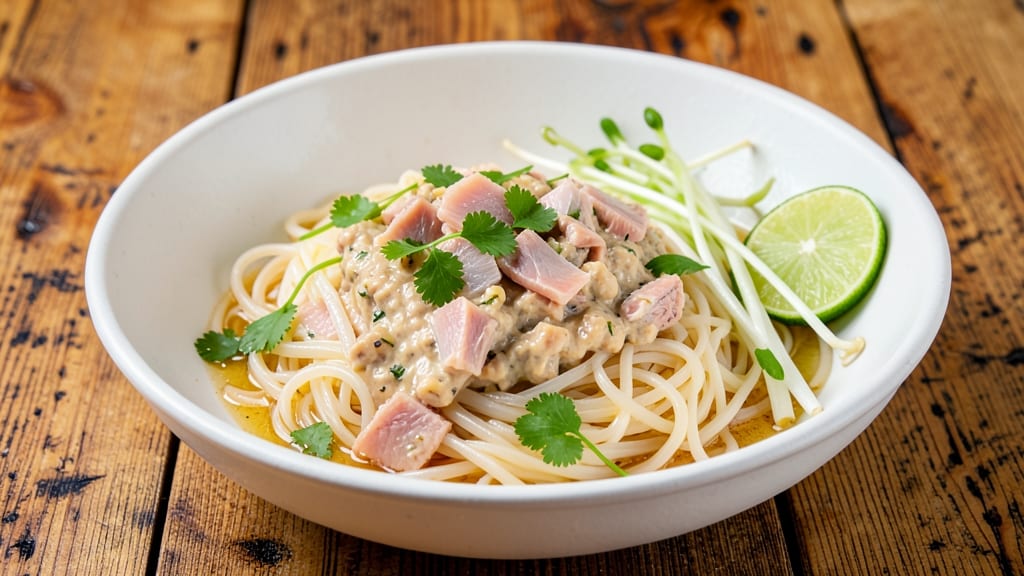
This canned tuna rice noodles recipe delivers ultra-creamy, protein-packed comfort in just 15 minutes—perfect for busy weeknights when you need a satisfying meal without the fuss.
The secret lies in combining tender rice noodles with rich canned tuna, aromatic broth, and a touch of creaminess that transforms simple ingredients into a restaurant-worthy dish. I developed this recipe after realizing how often I reached for quick meals that still felt nourishing, and this combination never disappoints.
What sets this dish apart is its versatility—you can keep it light with fresh herbs and lime or add heat with chili flakes, all while maintaining that creamy texture that makes every bite irresistible.
The rice noodles soak up the flavorful broth beautifully, creating a dish that’s both gluten-free (if using tamari) and pescatarian-friendly. Whether you're feeding one or a crowd, this recipe scales effortlessly while keeping prep minimal.
Ingredients for canned tuna rice noodles
Pantry staples plus a few fresh touches—this creamy tuna noodle dish comes together faster than takeout.
| Ingredient | Amount | Notes |
|---|---|---|
| Rice Noodles 🍜 | 8 oz | Thin or medium width preferred |
| Canned Tuna in Water 🐟 | 2 cans | High-quality, drained well |
| Vegetable Broth 💧 | 1 ½ cups | Low-sodium preferred |
| Coconut Milk 🥥 | ½ cup | Full-fat for creaminess |
| Lime Juice 🍋 | 2 tbsp | Freshly squeezed |
| Fresh Cilantro 🌿 | ¼ cup | Chopped, stems removed |
| Garlic Cloves 🧄 | 2 cloves | Minced for aromatic depth |
| Red Chili Flakes 🌶️ | ½ tsp | Adjust for heat preference |
| Olive Oil 🫒 | 1 tbsp | For sautéing garlic |
| Green Onion 🧅 | 2 whole | Thinly sliced, for garnish |
| Sesame Oil 🫒 | 1 tsp | For finishing touch |
| Salt 🧂 | ½ tsp | Kosher or sea salt |
| Black Pepper 🌶️ | ¼ tsp | Freshly ground preferred |
| Tamari or Soy Sauce 🍶 | 1 tbsp | Gluten-free option included |
The rice noodles are the star here—Thai Kitchen brand or any rice vermicelli works best, but avoid the thick, chewy kind. Canned tuna? Wild Planet or Starkist in water (not oil) keeps things light. For the coconut milk, full-fat canned version (like Thai Kitchen) gives that ultra-creamy texture without dairy. Lime juice is non-negotiable—Mexican limes from the grocery store have more punch than regular ones. If you can't find them, Key lime juice works too. The cilantro should be bright green with no wilt—Trader Joe's usually has the freshest bunch.
No coconut milk? Greek yogurt at half the amount adds creaminess, though the flavor will differ slightly. Skip the lime? Extra lemon juice plus a pinch of sugar mimics the tang. Chili flakes too spicy? Toast them first to mellow the heat. The garlic can be pre-minced from a jar (the good stuff, not the sad little packets), but freshly minced always tastes better. For the tamari, San-J brand is gluten-free and adds depth. If you're avoiding soy entirely, coconut aminos work well too.
Prep the noodles last—5 minutes soaking time in warm water is all they need. Store any extra broth in the fridge for 3 days or freeze it for 1 month—it makes a great soup base. The tuna keeps for 2 days in the fridge once opened, but use it up fast for best texture. Cilantro wilts quick, so store it in a jar with water like flowers. This dish reheats beautifully—just add a splash of water or broth to loosen it up.
Why You'll Love This Recipe
- I’ll be real: my pantry’s not always stocked with exotic ingredients, but this recipe nails it with what I always have. Canned tuna? Check. Rice noodles? Always. Vegetable broth? Basic. Coconut milk? The one fancy thing I keep. Lime? A wedge lasts forever. It’s budget-friendly, filling, and never feels like a sacrifice.
- Five-Ingredient Magic: I swear by this—just noodles, tuna, broth, coconut milk, and lime. That’s it. No chopping, no fancy techniques, and no last-minute grocery runs. The coconut milk gives it this silky richness that makes it taste like a restaurant dish, not something thrown together.
- Bright & Creamy: The lime juice cuts through the richness of the coconut milk in the best way—like a little zing that wakes up every bite. Honestly, the contrast is what makes this dish ridiculously good. The tuna stays flaky, the noodles get that perfect chewy bite, and the broth ties it all together without overpowering.
- Lunchbox Hero: Between us, this is my go-to for packed lunches or a quick office dinner. The flavors hold up for days, and it’s one of those meals that actually tastes better the next day. I’ll often double the batch—one for now, one for later—because reheating it just makes the noodles softer and the coconut milk even creamier.
Step-by-step instructions for ultra-creamy tuna rice noodles
Here's how to transform simple pantry staples into a restaurant-worthy dish with velvety texture and bold flavors.
Prepare the Noodles and Aromatics
Bring 1.5 cups vegetable broth to a rolling boil in a medium saucepan. Add the 8 oz rice noodles and cook for 3-4 minutes until they're tender but still slightly firm to the bite. You want them to finish cooking in the sauce, not turn mushy. Drain the noodles in a colander and rinse briefly under cold water to stop the cooking process immediately. Set aside.
While the noodles cook, heat 1 tablespoon olive oil in a large skillet over medium heat. Add the 2 minced garlic cloves and 0.5 teaspoon red chili flakes, stirring constantly for 30 seconds until the garlic becomes fragrant but doesn't brown. This quick cooking preserves the garlic's sweetness while building flavor. Remove from heat and set aside with the noodles.
Build the Creamy Base
In the same skillet (no need to clean it—the garlic bits add flavor), pour in the 0.5 cup coconut milk and 1 tablespoon tamari or soy sauce. Bring to a gentle simmer over medium-low heat, stirring occasionally for 2-3 minutes until slightly thickened. You're looking for a consistency that coats the back of a spoon but isn't heavy.
Add the 2 drained cans tuna in water (break up any large chunks with a fork) and stir gently to combine. Let the mixture simmer for another 1 minute while you prepare the remaining ingredients. The tuna will begin to warm through and absorb the creamy sauce.
Combine and Finish with Fresh Flavors
Return the skillet to medium heat and add the drained rice noodles. Toss everything together for 1-2 minutes until the noodles are evenly coated and heated through. The noodles should absorb the creamy sauce without becoming soggy—this is where that slight firmness from earlier pays off.
Stir in the 0.25 cup chopped fresh cilantro, 2 tablespoons lime juice, 0.5 teaspoon salt, and 0.25 teaspoon black pepper. Taste and adjust seasoning—you might need a bit more lime for brightness or salt to balance the flavors. The dish should be tangy, slightly spicy, and deeply savory.
Garnish and Serve Immediately
Drizzle with 1 teaspoon sesame oil and toss gently to distribute. Divide the noodles among 4 bowls and garnish each serving with 2 thinly sliced green onions. The sesame oil adds a nutty aroma and helps bring all the flavors together. Serve while hot—this dish tastes best immediately when the noodles are still tender and the sauce is at its creamiest.
For extra flair, you can top with additional red chili flakes or a squeeze of fresh lime. The contrast of textures—creamy sauce, tender noodles, and crisp green onions—makes this dish incredibly satisfying. Each bite delivers that perfect balance of protein, umami, and fresh acidity.
Pro Tips For Making Canned Tuna Rice Noodles
- SOAK NOODLES SEPARATELY: I learned this the hard way—dumping dry rice noodles straight into boiling broth makes them turn to mush. Instead, soak them in warm water (not hot) for 5–8 minutes until pliable but still slightly firm. Drain and add them to the simmering sauce last, or they’ll fall apart before you even taste it.
- DRAIN TUNA WELL: That canned tuna comes packed in water, which dilutes your broth. Drain it thoroughly, then press it gently in a sieve to squeeze out every last drop. Trust me, skipping this step leaves your noodles tasting more like sad, watered-down broth than anything else.
- SIMMER COCONUT MILK LOW: Coconut milk burns faster than you’d think. After adding it to the broth, reduce the heat to a gentle simmer—just small bubbles breaking the surface—and stir occasionally. I’ve ruined three batches by letting it boil, and the result was a weird, grainy mess instead of creamy goodness.
- ACIDIFY AT THE END: Lime juice cuts through the richness, but add it after the noodles are done. If you toss it in too early, the acid will make the coconut milk split and turn the broth curdled. A quick squeeze at the end keeps everything smooth and bright—no weird texture surprises.
Serving suggestions for this canned tuna rice noodles
Bowl Presentation
Serve your creamy tuna noodles in wide, shallow bowls to showcase the vibrant colors and textures. I love using white stoneware bowls—they make the dish look elegant while keeping the focus on the bright green cilantro, golden sesame oil drizzle, and crisp green onions.
For extra flair, arrange a lime wedge on the side with a sprinkle of red chili flakes for guests to customize their heat level. 🥗
Side Dish Pairings
A crisp mango avocado salad with a lime dressing cuts through the richness beautifully. Toss 1 cup diced mango, ½ avocado, and ¼ cup chopped mint with 1 tbsp lime juice and 1 tsp honey.
For something lighter, serve with steamed bok choy—its peppery bite balances the creamy noodles perfectly. I also love pairing this dish with warm, buttery naan for scooping up every last bite. 🍽️
Beverage Recommendations
For a refreshing contrast, sparkling limeade made with sparkling water, ½ cup lime juice, and 1 tbsp agave syrup is my go-to. The effervescence cleanses your palate between bites. If you prefer something stronger, a light lager like Corona or Peroni complements the dish without overpowering it.
For a non-alcoholic option, hibiscus iced tea adds a tart, floral note that pairs wonderfully. 🍺
Garnish Variations
Swap the green onions for thinly sliced scallions if you prefer a milder flavor. For extra crunch, add toasted sesame seeds or crushed peanuts—just 1 tbsp gives a satisfying texture contrast. A drizzle of sriracha or chili crisp adds heat for those who love a kick.
I also enjoy finishing with edible flowers like nasturtiums for a pop of color and subtle peppery bite. ✨
Family-Friendly Adjustments
For picky eaters, serve the noodles plain with a side of soy sauce packets and extra lime wedges for dipping. Kids often love the texture and will happily eat the noodles without the tuna.
For extra protein, stir in chopped hard-boiled eggs or crumbled feta cheese—just ¼ cup adds richness without overpowering the dish. 👨👩👧👦
Meal Prep Serving
When reheating leftovers, I like to serve the noodles in individual glass containers with a small side of pickled vegetables (like carrots or daikon) to add freshness. Store any extra sauce separately and reheat it with a splash of water or broth to restore creaminess.
For a quick lunch, assemble the dish in bento-style boxes with compartments for noodles, tuna, and garnishes—it’s perfect for meal prep. 📦
Nutrition facts
Frequently asked questions
Can I use oil-packed tuna instead of water-packed?
Yes, but you'll need to drain it thoroughly and rinse with water to remove excess oil. Oil-packed tuna adds richness, so reduce the coconut milk to ¼ cup to balance the flavors. The texture will be slightly more decadent, but the dish may become heavier. For best results, stick with water-packed tuna and add a drizzle of olive oil at the end if you want extra richness.
How do I keep the rice noodles from turning mushy?
Cook the noodles just until they're tender but still slightly firm to the bite—about 3-4 minutes in boiling broth. Rinse them briefly under cold water to stop the cooking process immediately. When tossing with the sauce, cook for only 1-2 minutes over medium heat. Overcooking is the #1 cause of mushy noodles!
What if I don't have coconut milk?
No problem! Use ½ cup Greek yogurt (full-fat for creaminess) or ¼ cup mayonnaise for a similar texture. For a dairy-free option, blend ½ cup silken tofu with 1 tbsp lime juice until smooth. The flavor will differ slightly, but the creamy base will still work beautifully.
Can I make this dish ahead of time?
Prepare the sauce and tuna mixture up to 1 day ahead and store it in the fridge. When ready to serve, reheat gently and toss with freshly cooked noodles. For best texture, avoid reheating the noodles directly—they'll absorb too much moisture. Instead, cook them fresh and combine with the warm sauce. For meal prep, store components separately and assemble when ready to eat.
Is this recipe gluten-free?
Yes, but with one key adjustment: use tamari instead of soy sauce. Check your rice noodles for gluten-free certification, as some brands process with wheat. The coconut milk, lime, and fresh herbs are all naturally gluten-free. For extra safety, choose certified gluten-free noodles like Thai Kitchen brand.