
Main Courses
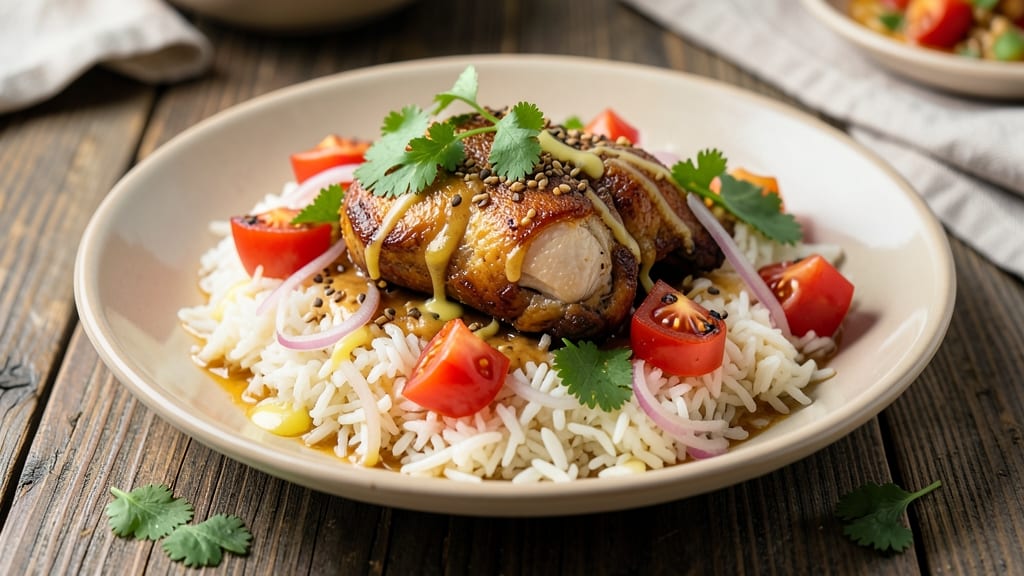
This Cape Verdean rice recipe transforms simple ingredients into a fragrant, one-pot masterpiece with smoky cilantro and bright lime notes.
The dish, known as Arroz de Peixe (fish rice) or Arroz de Frango (chicken rice), is a staple across Cape Verde’s islands, where rice isn’t just a side—it’s the heart of the meal. The secret lies in slow-cooked tomatoes, aromatic spices, and tender protein that meld into every grain.
What makes this recipe special is its balance of textures and flavors: tender rice with crispy edges, smoky fish or beef, and fresh herbs that cut through the richness.
Traditional Cape Verdean cooking relies on long simmering to develop deep, layered tastes, and this method delivers that same restaurant-quality result in your own kitchen. The dish is as comforting as it is vibrant, perfect for family gatherings or a flavorful weeknight dinner.
By the time you’re done, you’ll have a pot of golden, fragrant rice infused with the essence of the ocean or savory beef, topped with bright cilantro and a squeeze of lime.
Each bite carries the warmth of Cape Verdean tradition—smoky, tangy, and impossibly satisfying. The best part? It all comes together in one pot, with minimal cleanup.
Serve this dish with grilled fish, roasted vegetables, or even as a standalone meal with a side of pastéis (Cape Verdean pastries). The leftovers reheat beautifully, making it ideal for meal prep. Ready to bring a taste of Cape Verde to your table? Let’s get started.
Ingredients for cape verdean rice
Pantry staples meet bold Cape Verdean flavors in this one-pot rice masterpiece.
| Ingredient | Amount | Notes |
|---|---|---|
| Long-Grain White Rice 🍚 | 1 ½ cups | Uncooked, rinsed well before cooking |
| Diced Tomatoes 🍅 | 14 ½ oz | Canned or fresh, fire-roasted preferred |
| Chicken Thighs 🍗 | 1 ½ lb | Bone-in, skin-on for best flavor |
| Fresh Cilantro 🌿 | ½ cup | Chopped, stems included for extra flavor |
| Fresh Lime Juice 🍋 | ¼ cup | Freshly squeezed, no pulp |
| Onion 🧅 | 1 whole | Yellow or white, diced small |
| Garlic Cloves 🧄 | 4 cloves | Minced finely for aromatic base |
| Olive Oil 🫒 | ¼ cup | Extra-virgin for richness |
| Dried Bay Leaves 🍃 | 2 whole | Crushed slightly for deeper flavor |
| Ground Cumin 🌿 | 1 tsp | Toasted for enhanced aroma |
| Smoked Paprika 🌶️ | 1 tsp | For authentic Cape Verdean smokiness |
| Salt 🧂 | 1 ½ tsp | Adjust to taste, kosher preferred |
| Black Pepper 🌶️ | ½ tsp | Freshly ground for best flavor |
| Chicken Broth 💧 | 1 ½ cups | Low-sodium preferred for balance |
The rice is the foundation, so choose long-grain white rice—it absorbs flavors beautifully and stays separate. For the tomatoes, fire-roasted canned tomatoes add smoky depth without extra effort, but fresh works too if you're prepping ahead. Chicken thighs are non-negotiable here—they stay juicy while infusing the rice with savory richness. Skin-on, bone-in cuts from the grocery store's butcher section (or frozen) work perfectly. The cilantro should be fresh—bright green leaves with no wilt—and the lime juice needs to be freshly squeezed for that true Cape Verdean tang. If you can't find fresh lime juice, bottled works in a pinch, but it lacks the same brightness.
No fire-roasted tomatoes? Sun-dried tomatoes at half the amount add similar depth. Running short on cilantro? Fresh parsley at the same quantity keeps the dish vibrant. The smoked paprika is key for that authentic flavor—substitute regular paprika at double the amount if needed. For a vegetarian version, swap the chicken for firm tofu or chickpeas (use 1 can, drained) and boost the broth to 2 cups. The bay leaves should be lightly crushed between your fingers before adding to release their oils. And if your chicken broth is high-sodium, reduce it by half and add water to maintain the 1.5 cups total liquid.
This dish tastes even better the next day as flavors meld. Store leftovers in an airtight container in the fridge for up to 5 days, or freeze portions for 3 months. The rice keeps its texture beautifully when reheated—just add a splash of water or broth and cover while warming. For meal prep, double the recipe and freeze half. When ready to eat, thaw overnight in the fridge and reheat gently on the stove. The lime juice and cilantro can be added fresh after reheating to keep their brightness.
Why You'll Love This Recipe
- One-Pot Magic: I swear by this recipe when I’m too tired to wash pots—just brown the chicken, toss in everything else, and let it simmer. The rice absorbs all those juices while the tomatoes break down into a rich, saucy base.
- Citrusy Kick: That bright lime juice and fresh cilantro at the end? It’s what makes this dish sing. The acid cuts through the richness of the chicken and rice, leaving you with a flavor that’s both bold and refreshing—no heavy cream needed.
- Meal Prep Hero: I make a double batch on Sundays because it reheats like a dream. The rice stays separate enough to fluff up, and the chicken stays juicy—perfect for lunches all week. Honestly, it’s my go-to for lazy days.
- Budget-Friendly Feast: Chicken thighs are forgiving and cheap, and long-grain rice stretches far. You’re getting a full meal for less than takeout, with flavors that feel special. Plus, the tomatoes and lime keep it from tasting like a chore.
Step-by-step instructions for Cape Verdean rice
Master this one-pot dish with bold flavors and perfect texture every time.
Sear the Chicken Thighs for Depth of Flavor
Pat the 1.5 lb chicken thighs dry with paper towels—this ensures a good sear. Heat 0.25 cup olive oil in a large, heavy-bottomed pot over medium-high heat until shimmering. Add the chicken thighs skin-side down and cook undisturbed for 5-6 minutes until the skin turns deep golden brown and crispy.
Flip the chicken and cook for another 4-5 minutes until the internal temperature reaches 160°F. Remove the chicken from the pot and set aside, leaving the rendered fat in the pot—this is where all the flavor lives. The chicken will finish cooking in the simmering rice, so don't worry if it's not fully done yet.
Build the Aromatic Base with Onion and Garlic
In the same pot, reduce the heat to medium and add the 1 whole onion, diced small. Cook for 4-5 minutes until the onions soften and turn translucent. Add the 4 cloves garlic cloves, minced finely, and cook for 30 seconds until fragrant—don't let it brown or it'll turn bitter.
Stir in the 1 tsp ground cumin and 1 tsp smoked paprika, toasting them in the pot for 30 seconds to release their aromas. This step is where the Cape Verdean smokiness comes alive. Add the 2 whole dried bay leaves (crushed slightly between your fingers) and cook for another 30 seconds until everything smells rich and earthy.
Add Tomatoes and Simmer the Sauce
Pour in the 14.5 oz diced tomatoes and stir well to combine with the onions and spices. Bring the mixture to a gentle simmer and cook for 5-6 minutes until the tomatoes break down and the sauce thickens slightly. This step develops the tomato base that will infuse the rice with flavor.
Add the 1.5 cups chicken broth, scraping up any browned bits from the bottom of the pot with a wooden spoon. These bits are packed with flavor and will make your rice taste deeper. Stir in the 1.5 tsp salt and 0.5 tsp black pepper, then bring the mixture to a boil.
Cook the Rice to Perfect Texture
Rinse the 1.5 cups long-grain white rice under cold water until the water runs clear—this removes excess starch and prevents gummy rice. Add the rice to the pot and stir once to distribute it evenly. The rice should be submerged just below the liquid level—this ensures even cooking.
Reduce the heat to low and cover the pot with a tight-fitting lid. Let the rice simmer undisturbed for 20 minutes. Avoid peeking or stirring—this disrupts the cooking process and can lead to uneven texture. The rice is done when all the liquid has been absorbed and the grains are tender but still have a slight bite.
Finish with Lime and Cilantro for Brightness
Once the rice is cooked, remove the pot from heat and let it sit covered for 5 minutes. This resting period allows the rice to steam and finish cooking evenly. Stir in the 0.5 cup fresh cilantro and 0.25 cup fresh lime juice, mixing gently to distribute the bright, citrusy flavors throughout the dish.
Shred the chicken thighs with two forks and return them to the pot, tossing gently to coat the rice with the juices. Taste and adjust the seasoning if needed—Cape Verdean rice should be bold and flavorful, with a balance of smoky, spicy, and citrus notes. Serve immediately while the rice is hot and the flavors are at their peak.
Pro Tips For Making Cape Verdean Rice
- CRISP THE CHICKEN FIRST: Don’t skip browning those thighs—they’re the flavor base. Sear them skin-side down in a hot pan until golden (about 5 minutes), then flip and cook another 3 minutes. I used to rush this, and the rice always tasted flat afterward. The crust locks in moisture and adds depth when the tomatoes and lime hit later.
- TOAST THE RICE DRY: Before adding liquid, spread the raw rice in the pot and toast it over medium-high heat for 2-3 minutes until it smells nutty and the edges turn translucent. This step prevents mushy rice—trust me, I’ve made Cape Verdean rice that tasted like porridge. Stir often, or you’ll burn it (yes, even if you’re impatient like me).
- SAVE THE LIME JUICE: Don’t dump all the lime juice in at once. Reserve about 1 tablespoon for the end—squeeze it over the finished rice just before serving. The acid brightens the flavors without making the dish taste raw. I learned this after a batch tasted dull; now I keep a small bowl of juice on standby.
- USE TOMATO PASTE, NOT JUICE: Swap fresh diced tomatoes for a splash of tomato paste (1-2 tablespoons) mixed into the cooking liquid. It thickens the sauce naturally and gives that rich, slightly sweet backbone Cape Verdean rice needs. Fresh tomatoes work, but paste cuts down on watery rice and saves cleanup—my lazy-day go-to.
Dietary considerations for this recipe
Vegetarian Adaptations
Swap the chicken thighs for 1 can (15 oz) chickpeas, drained and rinsed, or 1 lb extra-firm tofu, pressed and cubed. Boost the broth to 2 cups to maintain moisture, and add 1 tsp turmeric for earthy depth.
For protein, include 1 cup frozen peas or ½ cup black beans—both add texture and balance the dish. 🌱
Gluten-Free Considerations
This recipe is naturally gluten-free, but always double-check your chicken broth label for hidden additives. Use certified gluten-free spices like Penzeys Organic ground cumin and smoked paprika to avoid cross-contamination. If using store-bought broth, opt for low-sodium, gluten-free options like Pacific Foods or Imagine.
Nut-Free Version
The original recipe doesn’t contain nuts, but if you’re avoiding them entirely, ensure your olive oil and spices are processed in nut-free facilities. Some brands like Trader Joe’s or Bulk Barn offer nut-free certified products. The dish’s flavor profile remains rich and satisfying without nuts. 💛
Low-Sodium Adjustments
Reduce the 1.5 tsp salt to ½ tsp and use low-sodium chicken broth (or homemade broth). Enhance flavor with extra lime juice (3 tbsp) and fresh herbs like cilantro and parsley.
For umami, add 1 tsp soy sauce or ½ tsp fish sauce—both deepen the savory notes without added sodium.
Allergen-Friendly Swaps
For dairy-free needs, skip any added dairy (this recipe doesn’t include it). For egg-free adaptations, ensure your chicken broth is egg-free (some brands add egg whites as a thickener). If using tofu, opt for plain, unsweetened varieties to avoid hidden allergens.
Keto-Friendly Option
Replace the rice with cauliflower rice (3 cups) or shirataki rice (2 cups) for a low-carb version. Reduce the broth to 1 cup and add ½ cup heavy cream for richness.
Boost the protein with extra chicken thighs or shrimp (1 lb). The dish will be lighter but still packed with Cape Verdean flavors. 🥦
Nutrition facts
Frequently asked questions
What makes Cape Verdean rice different from other one-pot rice dishes?
The key lies in its smoky, citrusy profile from ingredients like smoked paprika and fresh lime juice, plus the traditional use of tomato-based sauces that simmer for depth. Unlike Spanish paella or Jamaican rice-and-peas, Cape Verdean rice often features shredded chicken or fish cooked directly in the pot, creating a harmonious blend of textures. The dish also incorporates cilantro and bay leaves for that signature herbal brightness.
Can I substitute chicken with another protein?
For a seafood version, use 1.5 lb firm white fish (like cod or snapper) or 1 lb shrimp—just reduce cooking time to 8-10 minutes for fish or 3-4 minutes for shrimp. For beef, opt for 1.5 lb stew meat and simmer for 30 minutes before adding rice. The vegetarian version swaps protein for chickpeas or tofu as mentioned in the recipe notes.
Why does my rice turn out mushy or dry?
Mushy rice usually means too much liquid was added—always rinse the rice first to remove excess starch, then use 1.5 cups broth per 1.5 cups rice. For dry rice, either the heat was too high or the lid wasn't sealed tightly. Cook over low heat and let the rice steam undisturbed for the full 20 minutes. If it's still dry, add 2 tbsp hot water and cover for 5 more minutes.
How do I make this dish ahead of time?
This recipe actually tastes better the next day as flavors meld! Let it cool completely, then store in an airtight container in the fridge for up to 5 days. Reheat gently on the stove with a splash of water or broth. For freezing, portion into containers and freeze for up to 3 months. Thaw overnight in the fridge—never microwave directly from frozen. Add fresh lime juice and cilantro when reheating to brighten the flavors.
What sides pair well with Cape Verdean rice?
Traditional pairings include grilled fish (like mahi-mahi), roasted plantains, or a simple mixed green salad with lime vinaigrette. For a complete Cape Verdean meal, serve with pastéis (fried pastries) or canja de galinha (chicken soup). The dish also works well as a standalone meal with warm crusty bread to soak up the flavorful juices.