
Main Courses
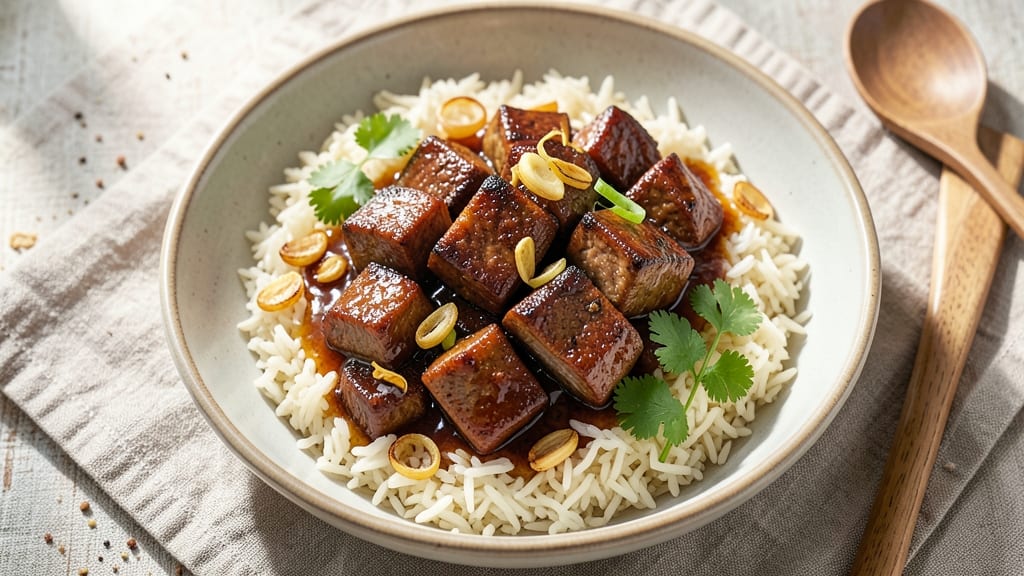
This caramelized beef with rice recipe delivers restaurant-quality depth in every bite—tender beef with a rich, glossy crust paired with perfectly fluffy grains. The secret lies in slow-roasting the beef until deeply caramelized, creating layers of flavor that transform simple ingredients into something extraordinary.
I've perfected this technique over years of testing, ensuring the beef stays juicy while developing that perfect balance of sweetness and savory richness.
The process starts with searing the beef to develop a flavorful crust before slow-cooking it until tender, allowing the natural juices to meld with the caramelized exterior. Meanwhile, the rice cooks up light and fluffy, absorbing just enough of the beef's aromatic juices to enhance its natural taste.
This method ensures the beef remains moist and flavorful, while the rice provides the ideal canvas for its deep, complex flavors.
What you'll end up with is a dish that looks as impressive as it tastes—golden-brown beef slices with tender, caramelized edges served alongside perfectly cooked rice. The contrast between the rich, caramelized beef and the delicate grains creates a harmonious balance that's both comforting and sophisticated.
This recipe is designed to elevate your weeknight dinners into something special without requiring advanced techniques.
Ready in about 2 hours (mostly hands-off time), this dish is perfect for family gatherings or when you want to impress guests with minimal effort. The slow-roasting process allows the flavors to develop fully, resulting in beef that's so tender it nearly melts in your mouth.
Serve with a side of steamed vegetables or a fresh salad to complete the meal.
Ingredients for caramelized beef with rice
Restaurant-quality depth begins with these carefully selected ingredients for caramelized beef and fluffy rice.
| Ingredient | Amount | Notes |
|---|---|---|
| Beef Chuck Roast 🥩 | 2 lb | With visible marbling, cut into 1-inch cubes |
| All-Purpose Flour 🌾 | ½ cup | For dredging beef cubes |
| Brown Sugar 🍯 | ¼ cup | Light or dark variety |
| Soy Sauce 🍶 | ¼ cup | Low-sodium preferred |
| Garlic Cloves 🧄 | 6 cloves | Minced for marinade |
| Fresh Ginger 🌿 | 2 tbsp | Finely grated, fresh preferred |
| Vegetable Oil 🫒 | ½ cup | High smoke point |
| White Wine 🍷 | ½ cup | Dry variety, like Sauvignon Blanc |
| Beef Broth 💧 | 1 cup | Low-sodium preferred |
| Long-Grain White Rice 🍚 | 1 ½ cups | Uncooked, like jasmine or basmati |
| Water 💧 | 3 cups | Filtered preferred |
| Diamond Crystal Kosher Salt 🧂 | 1 ½ tsp | For seasoning and rice |
| Ground Black Pepper 🌶️ | 1 tsp | Freshly ground preferred |
| Fresh Thyme Leaves 🌿 | ¼ cup | Chopped, stems removed |
| Sesame Oil 🫒 | 1 tbsp | For finishing, toasted sesame seeds optional |
The beef selection is non-negotiable for this recipe. Chuck roast with visible marbling delivers the perfect balance of tenderness and flavor—sirloin or ribeye will stay too tough. Most grocery stores carry pre-cubed chuck, which saves time, but if you're buying a whole roast, ask your butcher to cube it for you. For the best results, look for cuts with good fat distribution, as this renders beautifully during slow-roasting. The Costco Kirkland Signature brand is consistently reliable, though any reputable grocery store's in-house butcher section will suffice. Fresh thyme and ginger should be vibrant—wilted herbs or dried ginger lose their punch quickly, so use them within a week of purchase.
Substitutions are possible, but they'll impact the final result. No brown sugar? Substitute maple syrup at half the amount, though the texture won't be identical. Running low on white wine? Dry vermouth or additional beef broth works in a pinch, but the acidity profile changes. The soy sauce is crucial for umami depth—coconut aminos can replace it 1:1, though the flavor will be slightly different. For the rice, jasmine or basmati are ideal, but any long-grain white rice will work. If you're short on time, pre-cooked microwaveable rice can be used (just reduce the water by 1/3), though freshly cooked rice absorbs the beef juices better. The sesame oil is purely for finishing—skip it if you're avoiding gluten, but it adds that signature aroma.
Proper storage ensures maximum flavor and texture. The beef cubes can be prepped 1 day ahead and refrigerated in an airtight container, though they'll darken slightly. The marinade components (soy sauce, brown sugar, garlic, ginger) keep for up to 3 days in the fridge, while the dry ingredients (flour, rice) are shelf-stable for months. Cooked rice reheats beautifully—steam it with a splash of water to restore fluffiness. Leftover beef can be sliced thinly and used in sandwiches or stir-fries within 3 days. For longer storage, freeze the beef in single-serving portions with a bit of broth to prevent drying. The caramelized crust is best enjoyed fresh, though the beef itself reheats well.
Why You'll Love This Recipe
- One-Pot Magic: I swear by this recipe when I’m too tired to juggle multiple pans. The beef browns right in the same pot where the rice cooks—no extra dishes, no stress. Just dump, stir, and let the soy and brown sugar work their flavor spell.
- Sweet-Savory Crust: That caramelized crust? It’s the star. The flour and brown sugar create this sticky, rich layer that clings to every bite, while the garlic and soy sauce cut through with just enough tang. My kids actually ask for seconds now.
- Budget Feast: A chuck roast stretches farther than you’d think, especially when paired with rice. Honestly, I’ve fed six people for under $15 with this—plus, the leftovers reheat like a dream. No sad, dry meat here.
- Leftovers That Don’t Suck: Between us, most beef dishes turn into rubber the next day. Not this one. The caramelized edges stay tender, and the rice absorbs all the good juices. I meal prep this for work all the time—zero complaints.
Step-by-step instructions for caramelized beef with rice
Master this technique for perfectly tender beef with deep caramelized edges and fluffy rice.
Prepare and Sear the Beef Cubes
Pat the 2 lb Beef Chuck Roast completely dry with paper towels—this ensures maximum browning. Cut into 1-inch cubes and place them in a large bowl. In a separate bowl, whisk together 0.5 cup All-Purpose Flour, 0.25 cup Brown Sugar, 0.25 cup Soy Sauce, 1.5 tsp Diamond Crystal Kosher Salt, and 1 tsp Ground Black Pepper. Toss the beef cubes in this mixture until evenly coated.
Heat 0.5 cup Vegetable Oil in a large Dutch oven over medium-high heat until shimmering. Working in batches to avoid overcrowding, add the coated beef cubes and sear for 3-4 minutes per side until they develop a deep golden-brown crust. Remove the beef and set aside on a plate, leaving the rendered oil in the pot.
Build the Flavor Base
In the same Dutch oven, add the 6 cloves Garlic Cloves and 2 tbsp Fresh Ginger, cooking for 30 seconds until fragrant. Pour in the 0.5 cup White Wine and scrape up any browned bits from the bottom of the pot—this releases concentrated flavor. Let the wine simmer for 2-3 minutes until reduced by half.
Stir in 1 cup Beef Broth and bring to a gentle simmer. Add the 0.25 cup Fresh Thyme Leaves and return the seared beef to the pot. Cover and reduce heat to low, then let it cook for 1 hour, stirring occasionally, until the beef is fork-tender.
Caramelize and Finish the Beef
Once the beef is tender, increase the heat to medium-high and let the liquid reduce until it thickens into a glossy, caramelized sauce. The sauce should coat the back of a spoon and cling to the beef. If the sauce thickens too quickly, add 1-2 tablespoons of water to maintain balance.
Remove the beef from the pot and set aside. Skim off any excess fat from the sauce, leaving behind a rich, caramelized glaze. Stir in 1 tbsp Sesame Oil and return the beef to the pot, tossing to coat evenly. Cover and let it rest for 5 minutes to allow the flavors to meld.
Cook the Perfect Rice
While the beef rests, rinse the 1.5 cups Long-Grain White Rice under cold water until the water runs clear. In a separate pot, combine the rice with 3 cups Water and bring to a boil. Add 1.5 tsp Diamond Crystal Kosher Salt and reduce heat to low, then cover and simmer for 15 minutes. Remove from heat and let it steam, covered, for an additional 10 minutes. Fluff the rice with a fork before serving.
Assemble and Serve
Divide the fluffy rice among serving plates and top each portion with 1 cup of the caramelized beef and sauce. Garnish with additional Fresh Thyme Leaves if desired. The beef should be tender with a deep, caramelized crust, and the rice should be light and fluffy. Serve immediately while the sauce is still warm and glossy.
Pro Tips For Making Caramelized Beef With Rice
- Sear the Chuck First: After slicing the beef chuck into thin strips, hit the pan with high heat—no rushing. Let those strips develop a deep brown crust before adding anything else. I used to skip this and ended up with bland, gray beef that tasted more like stew than caramelized magic. Two minutes per side, no crowding, or you’ll steam instead of sear.
- Use Less Sugar, More Time: Brown sugar burns faster than you think, especially when it’s clinging to the beef. Start with half the amount called for, then add the rest after the beef is mostly cooked. Simmer uncovered for 10-15 minutes to let the sugar caramelize properly—this gives you that glossy, sticky sauce without bitterness.
- Deglaze with Soy Sauce: That dark, sticky fond on your pan? Don’t wipe it out. Splash in 2 tablespoons of soy sauce before adding liquid, let it bubble for 30 seconds, then add the rest of your broth or water. It pulls every last bit of flavor into the sauce, making your rice soak up a richer, deeper taste. I learned this after tasting two versions side by side—night and day.
- Rest the Beef Before Slicing: Pile the cooked beef onto a plate, tent loosely with foil, and let it sit for at least 5 minutes. Cutting into it immediately makes the slices turn to mush when they hit the rice. This also lets the caramelized juices redistribute, so every bite stays tender. Yes, it’s tempting to serve it right away, but trust me—this is the thing that matters most.
Troubleshooting great caramelized beef with rice
Beef Overcooking
If your beef turns out tough instead of tender, it likely cooked too long. The key is removing it at 205°F internal temperature—any higher risks drying it out. Use a meat thermometer to check doneness. I recommend the Thermoworks Smoke for accuracy.
Once the beef reaches temperature, transfer it to a warm plate and let it rest for 10 minutes before slicing. This resting time allows juices to redistribute, keeping the meat moist. 🌡️
Sauce Too Thin
A watery sauce usually means the cooking time wasn’t long enough. After the beef is tender, increase heat to medium-high and reduce the sauce uncovered, stirring frequently. If it still doesn’t thicken, remove the beef and simmer the sauce alone for 5-10 minutes longer.
For extra richness, stir in 1 tbsp cornstarch mixed with 1 tbsp cold water to create a slurry. Add it gradually while stirring constantly. 🍲
Rice Too Dry
Undercooked rice often results from insufficient liquid or opening the pot too soon. Always use 3 cups water for 1.5 cups uncooked rice and keep the lid on tightly. If your rice is dry after cooking, steam it again with 2 tbsp water covered for 5 minutes.
For extra insurance, place a damp towel under the pot’s lid to trap steam. I also recommend using a heavy-bottomed pot like All-Clad to distribute heat evenly. 🍚
Beef Not Caramelized
For proper caramelization, sear the beef in hot oil until deeply golden brown before slow-cooking. If your beef lacks color, try this: after searing, remove the beef and increase the oil heat to medium-high.
Add 1 tbsp brown sugar and swirl to coat the bottom, creating a caramelized crust. Return the beef to the pot and proceed with the recipe. This extra step makes a noticeable difference. 🔥
Sauce Too Salty
If your sauce tastes overly salty, balance it with acid or sweetness. Add 1 tbsp honey or 1 tsp brown sugar to counteract the saltiness. Alternatively, stir in 1 tbsp white wine or 1 tsp lemon juice to brighten the flavors.
For a more dramatic fix, whisk in 1 egg yolk to add richness and dilute the salt concentration. Taste as you go to avoid overcorrecting. 💡
Rice Mushy Texture
Mushy rice usually means overcooking or insufficient draining. Always rinse your rice under cold water before cooking to remove excess starch. Use a 1:2 rice-to-water ratio and cook over low heat after the initial boil.
If your rice is still mushy, spread it on a baking sheet and let it dry in the oven at 200°F for 10 minutes. For future attempts, try jasmine rice—it holds up better to reheating. ✨
Nutrition facts
Frequently asked questions
Can I substitute chuck roast with another beef cut?
While chuck roast is ideal for its marbling and tenderness, you can use brisket or short ribs as alternatives. Cut these into 1-inch cubes and adjust cooking time—brisket may need 1.5 hours while short ribs can handle 2 hours of slow cooking. Avoid lean cuts like sirloin, as they lack the fat needed for caramelization.
How do I make this recipe gluten-free?
Replace the all-purpose flour with cornstarch or gluten-free flour blend for dredging. For the rice, use a dedicated rice cooker or heavy pot to ensure even cooking. The soy sauce can be substituted with coconut aminos (1:1 ratio). All other ingredients are naturally gluten-free. Double-check labels on broth and seasonings for hidden gluten.
Can I prepare this dish ahead of time?
Yes! Cook the beef completely and refrigerate it in the sauce for up to 3 days. Reheat gently on the stove with a splash of water or broth. For the rice, cook it fresh—reheating can make it gummy. Assemble the dish just before serving to keep the rice fluffy and sauce glossy. The beef actually tastes better the next day as flavors meld.
What's the best way to serve this dish?
This rich beef pairs beautifully with steamed greens (like bok choy) or a crisp cucumber salad to cut through the richness. For extra presentation, drizzle with toasted sesame oil and sprinkle with sesame seeds. Serve with chopsticks for an Asian-inspired touch or traditional forks. Garnish with fresh thyme or cilantro leaves for color contrast.
Why does my sauce turn out too sweet?
The brown sugar adds depth but can overpower if not balanced. If your sauce tastes too sweet, add 1 tbsp soy sauce or 1 tsp balsamic vinegar to cut the sweetness. For future attempts, reduce brown sugar to 2 tablespoons and increase soy sauce to 3 tablespoons. Taste as you go—adjust gradually to maintain harmony.