
Main Courses
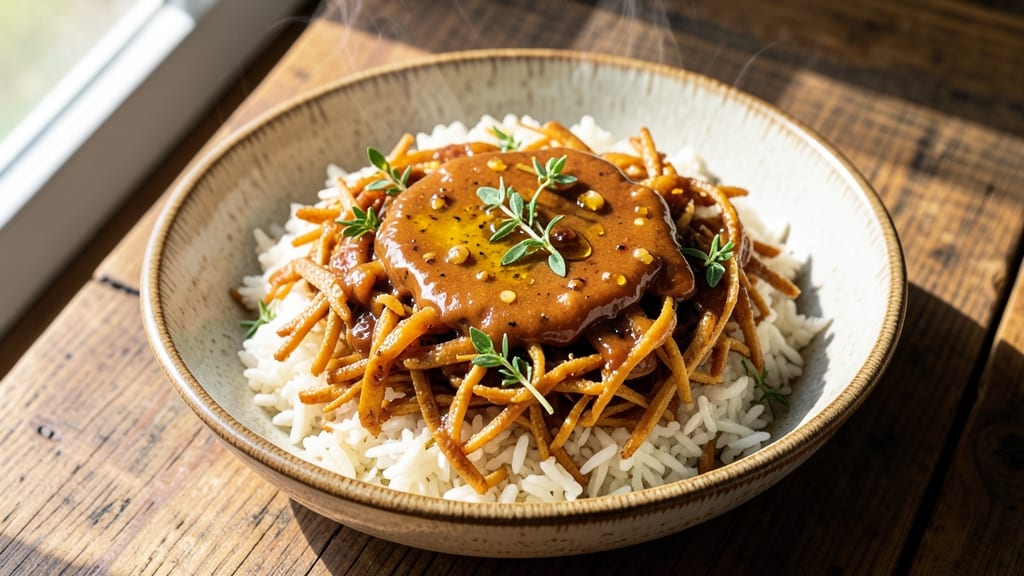
This cassava rice recipe transforms humble ingredients into a fragrant, one-pot base that elevates any meal—think hearty stews, grilled proteins, or even as a standalone dish. The secret lies in perfectly grated cassava and rice cooked together, absorbing flavors as they simmer into tender, aromatic perfection. No broth, no dairy, just pure plant-based satisfaction that works for vegans and global palates alike.
What sets this version apart is the simplicity: just 30 minutes of hands-on time, one pot to clean, and a method that adapts to Brazilian tapioca rice or Caribbean cou-cou traditions.
The cassava's natural starch creates a creamy texture while the rice adds satisfying bite—every spoonful delivers that comforting, homey flavor without compromise. Ready to master this versatile staple?
Ingredients for cassava rice
Simple plant-based ingredients that create a creamy, aromatic base perfect for any meal.
| Ingredient | Amount | Notes |
|---|---|---|
| Medium-Grain White Rice 🍚 | 1 cup | Uncooked, long-grain preferred |
| Fresh Cassava (Yuca) 🥔 | 1 ½ lb | Peeled, grated fine (like cheese) |
| Vegetable Oil 🫒 | ¼ cup | High smoke point preferred |
| Yellow Onion 🧅 | 1 whole | Diced into 1/4-inch pieces |
| Garlic Cloves 🧄 | 4 cloves | Minced finely for aromatic base |
| Fresh Thyme Leaves 🌿 | ¼ cup | Or 1 tbsp dried thyme |
| Fresh Cilantro Leaves 🌿 | ¼ cup | Chopped, for garnish (optional) |
| Vegetable Broth 💧 | 2 cups | Low-sodium preferred |
| Lemon Juice 🍋 | 1 tbsp | Freshly squeezed |
| Ground Black Pepper 🌶️ | ½ tsp | Freshly ground for brightness |
| Salt 🧂 | 1 ½ tsp | Diamond Crystal preferred |
| Bay Leaf 🌿 | 1 whole | Removed before serving |
| Scotch Bonnet Pepper 🌶️ | 1 whole | Seeds removed for mild heat |
The cassava is the star here—freshness is critical. Latin markets or specialty grocery stores often carry it pre-peeled, but if you're buying whole, look for firm, unblemished tubers. Grate it immediately after peeling to prevent browning. For the rice, jasmine or basmati adds a subtle floral note that pairs beautifully with cassava's earthiness. The vegetable oil should have a high smoke point—avocado or refined coconut oil works best for this high-heat method. If you can't find scotch bonnet, jalapeño or habanero will work, but reduce the amount by half for milder heat.
No fresh thyme? Dried thyme at one-third the amount suffices, but fresh delivers that bright, herbal depth. Substituting the vegetable broth for water dilutes the flavor—low-sodium versions like Pacific Foods are ideal. The lemon juice can be swapped for lime if preferred, though lemon's acidity cuts through the cassava's starchiness better. For extra richness, stir in 1 tbsp nutritional yeast at the end—it mimics the umami of dairy without compromising the vegan integrity. The bay leaf adds complexity but must be removed before serving—use a slotted spoon for easy extraction.
This dish reheats beautifully—simmer with a splash of water for 2-3 minutes to restore creaminess. Store in an airtight container for 4-5 days in the fridge, or freeze portions for up to 3 months. For meal prep, double the recipe and portion into containers with your choice of protein—grilled tofu, black beans, or shrimp all pair wonderfully. The cassava's texture softens further upon reheating, so undercook slightly if you prefer a firmer bite when served fresh.
Why You'll Love This Recipe
- No Chopping Struggle: I swear by this recipe because you only need to dice one onion and mince a few garlic cloves—no peeling cassava, no tedious grating. The fresh yuca just gets grated right over the rice, and boom, you’re done.
- Creamy-Garlicky Magic: That slow-cooked cassava blends into the rice until it’s silky, while the onions caramelize just enough to give it depth. Honestly, the first bite makes me pause—it’s like a hug in grain form, but way more satisfying.
- Lunchbox Hero: Between us, this keeps perfectly for days in the fridge. Pack it cold for work or reheat it with a splash of water—it’s my go-to for busy mornings, and my kids actually eat it (no complaints about "boring rice").
- Pantry Stretch: I make this when I’m low on cash because rice, yuca, and onions are cheap staples. Plus, the oil stretches thin when you fry the cassava first—no wasted ingredients, just maximum flavor for minimum cost.
Step-by-step instructions for cassava rice
Aromatic, hearty cassava rice builds flavor in one pot for perfect bases.
Prepare the Cassava and Aromatics
Begin by peeling the 1.5 lb fresh cassava (yuca) and grating it finely using a box grater or food processor—think of it like cheese shreds. Transfer the grated cassava to a large bowl and toss it with 1.5 tsp salt, 0.5 tsp ground black pepper, and 0.25 cup fresh thyme leaves. This step ensures the cassava absorbs the seasoning and releases its natural starches, which will form the base of your dish.
In a separate bowl, combine 1 cup medium-grain white rice, the 1 whole yellow onion (diced into ¼-inch pieces), 4 cloves garlic cloves (minced finely), and the scotch bonnet pepper (seeds removed, chopped). The scotch bonnet adds a subtle, smoky heat that pairs beautifully with the earthy cassava. Mix everything gently to distribute the flavors evenly—this ensures every bite has balanced seasoning.
Sauté the Base and Add Cassava Mixture
Heat 0.25 cup vegetable oil in a large, heavy-bottomed pot over medium heat. Once the oil shimmers, add the rice-onion-garlic mixture and sauté for 5-6 minutes, stirring frequently. You’ll notice the onion softens and the garlic releases its aroma—this is your foundation. The rice will begin to toast slightly, deepening its nutty flavor.
After the initial sauté, add the seasoned grated cassava to the pot. Stir well to coat the cassava in the aromatic oil and rice mixture. Cook for an additional 3-4 minutes, stirring occasionally, until the cassava begins to soften slightly. This step is critical—it ensures the cassava integrates with the rice and aromatics, creating a cohesive texture before adding liquid.
Simmer with Broth and Infuse Flavors
Pour in 2 cups vegetable broth and bring the mixture to a gentle boil. Once boiling, reduce the heat to low, cover the pot with a tight-fitting lid, and let it simmer for 20-25 minutes. The cassava will absorb the broth and soften further, while the rice expands and becomes tender. Avoid peeking under the lid—each time you lift it, steam escapes, and the cooking time increases.
After 15 minutes, check the texture. The cassava should be fork-tender, and the rice should be mostly cooked but still slightly firm. If the mixture looks dry, add 2-3 tablespoons of water to maintain moisture. The goal is a creamy, cohesive texture—neither mushy nor undercooked. The cassava’s natural starches will thicken the dish as it cooks.
Finish with Brightness and Rest
Once the cassava and rice are tender, remove the pot from heat and stir in 1 tbsp lemon juice and the 1 whole bay leaf. The lemon juice brightens the dish, cutting through the earthiness of the cassava and balancing the richness. Let the mixture sit, covered, for 5 minutes to allow the flavors to meld. This resting period is essential—it lets the cassava and rice absorb the lemon’s acidity and the bay leaf’s subtle piney notes.
Before serving, discard the bay leaf and garnish with 0.25 cup chopped fresh cilantro leaves for a fresh, herbaceous finish. The cassava rice should have a creamy, slightly sticky texture with a fragrant aroma from the thyme, garlic, and scotch bonnet. Serve immediately as a base for proteins like grilled chicken, fish, or shrimp, or enjoy it as a standalone dish with a side of roasted vegetables.
Pro Tips For Making Cassava Rice
- PEEL CASSAVA RIGHT: Use a vegetable peeler—not a knife—after boiling the yuca for 10 minutes. The skin slips off easier when it’s warm, and you’ll avoid the bitter, fibrous outer layer that ruins the texture. (I learned this the hard way after chewing through a stubborn patch.)
- SOAK RICE 30 MINUTES: Skip the rinse, but soak the rice in warm water for at least 30 minutes before cooking. Medium-grain rice absorbs liquid better this way, and the cassava’s starch won’t turn your rice gluey mid-cook. (Yes, even if you’re impatient like me.)
- LOW-HEAT FRY CASSAVA: Sauté the diced cassava in oil over medium-low heat until golden, not brown. High heat burns it before it softens, and you’ll end up with a bitter, charred mess instead of that perfect tender bite. (Start hot, finish low—like your grandma said.)
- SAVE TIME WITH PRE-CUT CASSAVA: Buy pre-peeled, frozen cassava cubes and thaw them in cold water for 10 minutes. It’s not as fresh, but it cuts prep time in half and still holds up in the rice. (I skip this when I’m lazy, but the dish is noticeably better when I don’t.)
Common mistakes when making great cassava rice
Over-Soaking Cassava
Never soak the grated cassava in water before cooking—this leaches out its natural starches, which are essential for that creamy texture. I once made this mistake and ended up with a dry, gritty mess that lacked the signature body.
Instead, season it dry with salt and pepper right after grating to activate the starches properly. 🥔
Skipping the Sauté
Rushing the sauté step is a big no-no. The rice and aromatics need 5-6 minutes over medium heat to develop deep, toasty flavors. I’ve seen recipes where people add broth too soon, and the result is bland, underseasoned cassava rice. Patience here pays off—don’t skip this foundational step!
Using Old Cassava
Fresh cassava is non-negotiable. If you’re using pre-peeled cassava from the store, check the packaging for a freshness date—it should be within 2 weeks of purchase.
Once peeled, cassava oxidizes quickly, turning brown and developing an off taste. For best results, buy whole cassava, peel it yourself, and grate it immediately before cooking.
Peeking Too Often
Every time you lift the lid during the 20-25 minute simmer, steam escapes, and the cooking time increases. I’ve seen people check every 5 minutes and end up with dry, unevenly cooked cassava rice.
Trust the process—set a timer and resist the urge to peek. The lid stays on until the final 5-minute rest.
Ignoring the Rest Time
That final 5-minute rest after cooking is crucial for letting flavors meld and the cassava absorb the lemon juice. I’ve served this dish straight out of the pot, and while it’s edible, it lacks that cohesive, well-balanced taste.
Let it sit covered—it’s the secret to restaurant-quality cassava rice at home. ✨
Overcrowding the Pot
Using a pot that’s too small causes the cassava rice to steam instead of simmer, leading to a mushy texture. I recommend a 4-quart heavy-bottomed pot for this recipe—it gives the ingredients room to cook evenly without overcrowding.
If your pot is too small, cook the rice and cassava in batches, but you’ll lose that perfect one-pot convenience.
Nutrition facts
Frequently asked questions
Can I substitute cassava flour for fresh cassava in this recipe?
Yes, but the texture will differ. For 1.5 lb fresh cassava, use 1 cup cassava flour mixed with ½ cup water to form a thick paste before adding to the pot. The flour version creates a more uniform, slightly denser consistency—ideal for Caribbean-style cou-cou. However, fresh cassava yields that signature creamy, slightly chunky texture.
How do I adjust this recipe for a larger group?
Double the ingredients and use a 6-quart pot for even cooking. Maintain the same 1:1.5 ratio of rice to cassava and 2 cups broth per 1 cup rice. For 8 servings, you’ll need 2 cups rice, 3 lb cassava, and 4 cups broth. Cooking time increases by 5-7 minutes—check for doneness at 30 minutes.
Why does my cassava rice turn out gummy?
Overcooking or insufficient liquid causes gumminess. The cassava’s starch thickens when over-simmered—remove from heat as soon as the rice is tender (20-25 minutes). If too thick, stir in 2 tbsp water during the final 5-minute rest. Also, ensure your pot isn’t too small—overcrowding traps steam, leading to mushiness.
Can I make this cassava rice without rice?
Replace the rice with 2 cups cooked quinoa or 2 cups diced sweet potato for a gluten-free, grain-free version. For quinoa, use 1 cup uncooked (cooks to 2 cups). The cassava’s starch will still create a creamy base, but the texture becomes lighter. Add an extra ¼ cup broth to compensate for quinoa’s moisture absorption.
How long can I store leftover cassava rice?
Store in an airtight container in the fridge for 4-5 days or freeze for up to 3 months. Reheat gently with 1-2 tbsp water over low heat for 3-4 minutes, stirring occasionally. Microwaving can make it gummy—stovetop reheating preserves the creamy texture. For best results, reheat only what you’ll serve immediately.