
Main Courses
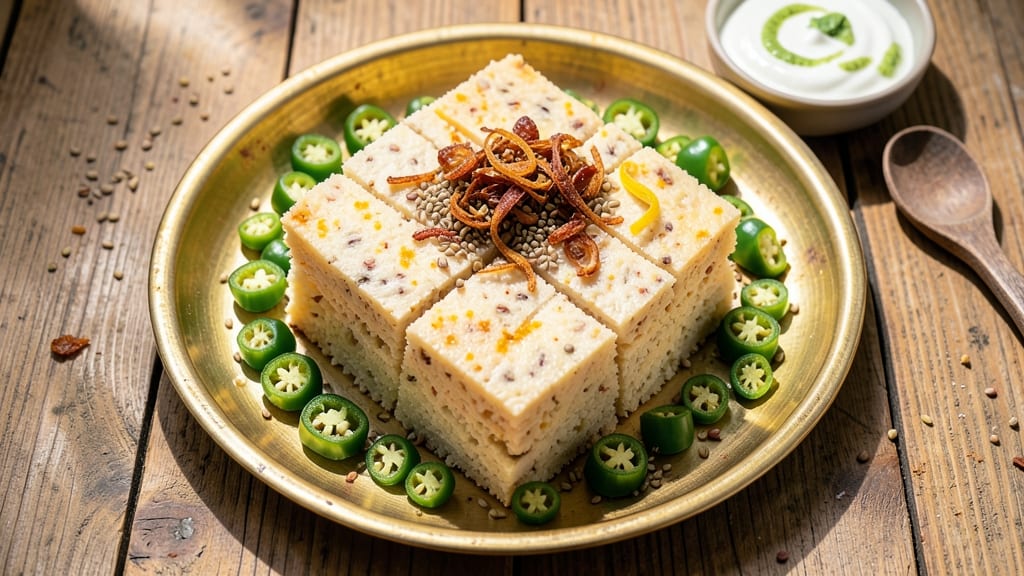
This chana dal and rice dhokla recipe transforms humble ingredients into a protein-rich, steamed delicacy with a satisfying yogurt tang. The secret lies in the perfect balance of soaked chana dal and rice, fermented just enough to develop subtle sourness while maintaining a tender, spongy texture.
Unlike traditional versions that require overnight fermentation, this method offers flexibility—whether you prefer the classic slow fermentation or a quicker baking soda approach.
What sets this dhokla apart is its steamed softness that melts in your mouth, paired with the bright acidity of yogurt that cuts through the earthy dal and rice. The result is a dish that’s both nourishing and elegant—ideal for breakfast, snacking, or as a light lunch.
Serve it with green chutney or coconut chutney for a burst of freshness that complements the dhokla’s mild, savory depth. Ready in under 2 hours (or 1 hour with the quick method), this recipe delivers restaurant-quality results at home.
Ingredients for chana dal and rice dhokla
Humble ingredients meeting fermentation magic for restaurant-quality dhokla at home.
| Ingredient | Amount | Notes |
|---|---|---|
| Chana Dal (Split Chickpea Lentils) 🌾 | 1 cup | Rinsed and soaked overnight |
| Steamed White Rice 🍚 | ½ cup | Coarsely ground into powder |
| Plain Yogurt 🥛 | ½ cup | Whisked smooth, unsweetened |
| Turmeric Powder 🌿 | ¼ tsp | Freshly ground preferred |
| Cumin Seeds 🌶️ | ¼ tsp | Toasted lightly for aroma |
| Green Chilies 🌶️ | 2 whole | Finely chopped, adjust to taste |
| Asafoetida (Hing) 🌿 | ⅛ tsp | Pinch for authentic flavor |
| Salt 🧂 | ½ tsp | Diamond Crystal preferred |
| Baking Soda 🧂 | ¼ tsp | For quick fermentation method |
| Fresh Cilantro 🌿 | ¼ cup | Chopped, for garnish |
| Lemon Juice 🍋 | 1 tbsp | Freshly squeezed |
| Water 💧 | ½ cup | For batter consistency |
The foundation starts with chana dal—soak it overnight for optimal texture, and drain thoroughly before grinding. Whole Foods or Indian grocery stores carry high-quality split chickpeas; avoid pre-cooked varieties. For rice, use freshly steamed white rice that’s been cooled completely before grinding into a powder—this ensures the perfect lightness. The yogurt should be plain, unsweetened, and thick—Greek-style works exceptionally well. If you're using the quick method, the baking soda is non-negotiable for that signature rise.
No turmeric? Saffron-infused milk at half the amount adds color, though it won’t replicate the earthy warmth. Fresh green chilies can be swapped for red chili powder at one-third the amount, but the heat profile will differ. Asafoetida is available at Indian specialty stores—if unavailable, omit entirely as it’s more for authenticity than necessity. For the cilantro, fresh is ideal, but dried works at one-quarter the amount if you’re in a pinch. The batter consistency is critical: if too thick, add water 1 tablespoon at a time until it reaches a smooth, pourable texture.
This batter holds for up to 4 hours in the fridge if you're prepping ahead, though it’s best used fresh for optimal steaming. The baking soda method allows for instant fermentation**, so you can skip the overnight soak entirely. Store leftovers in an airtight container for 2 days—they reheat beautifully in a steamer or microwave. For restaurant-quality results, serve immediately after steaming while the texture remains delicate.
Why You'll Love This Recipe
- No-Soaking Needed: I’ll admit, I used to dread lentil recipes that required overnight soaking. Not this one—just a quick rinse and the chana dal soaks up the yogurt and turmeric while you steam the rice. Honestly, the texture comes out perfectly tender without any fuss.
- Creamy Yet Crispy: That contrast? Chef’s kiss. The yogurt and rice give it a light, fluffy bite, while the cumin seeds toasted in a dry pan add a nutty crunch. It’s the kind of dish where every forkful feels like a little celebration.
- Leftover Reinvention: Let’s be real—no one wants sad, dried-out dhokla the next day. But this version? I’ve reheated slices in a pan with a sprinkle of ghee and they’re just as good, or even better. (Yes, even on a Tuesday night.)
- Pantry Staple Power: Between us, this recipe uses ingredients you’re already buying—no specialty items, no last-minute grocery runs. The chana dal and rice are shelf-stable, the yogurt is versatile, and the spices? Basic. It’s my go-to when I’m broke or lazy.
Step-by-step instructions for chana dal and rice dhokla
Transform simple ingredients into fluffy, steamed dhokla with this precise method.
Prepare the Batter Base
In a large mixing bowl, combine the soaked 1 cup chana dal and the coarsely ground ½ cup steamed white rice. Add the ½ cup plain yogurt, ½ teaspoon salt, and ¼ teaspoon turmeric powder. Mix thoroughly until you achieve a smooth, lump-free batter. The texture should be slightly thicker than pancake batter but still pourable.
Next, lightly toast the ¼ teaspoon cumin seeds in a dry skillet for 30 seconds until fragrant. Immediately add them to the batter along with the finely chopped 2 green chilies and pinch of asafoetida (hing). Stir well to distribute all spices evenly. This step ensures maximum flavor infusion and prevents any single ingredient from dominating the taste profile.
Incorporate Leavening Agents
Add the ¼ teaspoon baking soda to the batter and mix vigorously for 1-2 minutes until you see the mixture begin to bubble slightly. This chemical reaction is crucial as it creates the air pockets that will give your dhokla its signature light, spongy texture. The batter should expand noticeably and become slightly frothy.
Now incorporate the ½ cup water gradually while stirring continuously. The goal is to achieve a consistency similar to thick pancake batter - it should coat the back of a spoon but still flow freely. If the batter appears too thick, add a few tablespoons more water; if too thin, a bit more rice powder. This balance is essential for achieving the perfect dhokla texture when steamed.
Ferment the Batter
Transfer the batter to a clean, greased bowl and smooth the surface. Cover tightly with a damp cloth or plastic wrap to maintain moisture. Allow the batter to ferment at room temperature for 4-6 hours or until it doubles in volume and develops a slightly tangy aroma. This fermentation step is what transforms simple ingredients into the complex, flavorful dhokla we know and love.
I recommend placing the bowl in a warm spot, like near a sunny window or on top of your refrigerator. The ideal fermentation temperature is around 80-85°F. You'll know it's ready when the batter puffs up noticeably and has a pleasant, slightly sour smell. Don't over-ferment - the batter should be light and airy, not dense or alcoholic-smelling.
Steam the Dhokla
Preheat your steamer with 2-3 inches of water brought to a rolling boil. Grease your dhokla molds or line a steaming tray with parchment paper lightly sprayed with oil. Pour the fermented batter into the prepared molds, filling them about ¾ full. The batter should hold its shape but still be pourable - if it's too thick, add a splash of water.
Place the filled molds in the steamer and cover with a tight-fitting lid. Steam over medium-high heat for 12-15 minutes until the dhokla spring back when gently pressed and the edges pull away cleanly from the sides. The top should appear slightly puffed and set, with a delicate golden hue. Be careful not to oversteam - dhokla continues cooking slightly as it cools.
Serve with Tangy Garnishes
Remove the dhokla from the steamer and let them cool for 5 minutes before unmolding. Gently run a knife around the edges if needed. Arrange on a serving platter and immediately drizzle with 1 tablespoon freshly squeezed lemon juice. This final touch brightens the flavors and balances the richness of the yogurt.
Garnish generously with the ¼ cup chopped fresh cilantro and serve warm with additional lemon wedges on the side. The dhokla should be light yet substantial, with a delicate crumb that practically melts in your mouth. Each bite should deliver the tangy yogurt, nutty chana dal, and subtle spice notes in perfect harmony. For best results, serve immediately while still warm and springy.
Pro Tips For Making Chana Dal And Rice Dhokla
- Soak Dal Properly: Split chana dal needs a good 4-6 hour soak—overnight works best if you’re planning ahead. I learned this the hard way: skipping it makes the batter gummy and the dhokla dense. Trust me, the texture changes completely when the dal absorbs water properly.
- Grind While Warm: Heat the soaked dal and rice just until they’re warm to the touch before grinding. The batter will be smoother and less likely to separate. My grandmother swore by this, and she was right: cold ingredients mean a thicker, lump-prone mess.
- Ferment Overnight: Don’t rush the fermentation—let the batter sit for at least 8 hours, ideally overnight. The longer it ferments, the lighter and fluffier the dhokla will be. I used to skip this and ended up with dense, heavy results every time.
- Steam Gently: Use a tight-fitting lid and keep the heat low to medium. If the steam escapes too fast, the dhokla will turn out dry and rubbery. I was skeptical until I tried it—now I double-check the lid and adjust the heat to keep it steady.
Best sauces and condiments for these flavors
Tangy Yogurt Sauce
My go-to sauce for dhokla is a simple yogurt-based dip that enhances the dish's natural tang. Whisk ½ cup plain yogurt with 1 tablespoon lemon juice, ½ teaspoon roasted cumin powder, and a pinch of salt.
For extra depth, add 1 teaspoon chaat masala and 1 tablespoon finely chopped mint. This sauce cuts through the dhokla's richness while complementing its subtle spices. 🥛
Green Chutney
For a vibrant contrast, prepare a fresh green chutney using 1 cup cilantro, 2 green chilies, 1 tablespoon lemon juice, and ½ teaspoon cumin seeds. Pulse in a food processor until smooth, then thin with 2 tablespoons water if needed.
The bright, herby notes balance the dhokla's earthy flavors perfectly. Serve chilled for the best texture.
Coconut Chutney
For a sweeter, creamier option, blend ½ cup fresh coconut, ¼ cup cilantro, 1 green chili, and 1 tablespoon lemon juice with a splash of water. The natural sweetness of coconut pairs beautifully with dhokla's savory profile.
Garnish with a pinch of black salt (kala namak) for a unique tangy kick. This chutney is especially popular in coastal Indian regions.
Spicy Tamarind Sauce
If you prefer a tangy, slightly sweet sauce, mix 2 tablespoons tamarind paste with ¼ cup water, 1 teaspoon jaggery or sugar, and ½ teaspoon red chili powder.
Simmer for 3 minutes** to meld flavors, then cool. This sauce adds a complex depth that elevates dhokla to restaurant-level quality. Serve warm for best results. 🌶️
Mango Pulp Sauce
For a summer twist, blend ½ cup ripe mango pulp with 1 tablespoon yogurt, ½ teaspoon ginger paste, and a pinch of black pepper. The natural sweetness of mango complements dhokla's mild spices, creating a refreshing contrast. This sauce works especially well during peak mango season. 🍈
Nutrition facts
Frequently asked questions
Can I make dhokla without fermentation?
The quick method uses ¼ teaspoon baking soda instead of fermentation. Mix it into the batter just before steaming—this creates instant air pockets for that signature spongy texture. The result is just as light and fluffy, though slightly less tangy than fermented dhokla.
What's the best way to grind rice for dhokla?
Use freshly steamed white rice that's been cooled completely, then grind it into a fine powder. A wet grinder works best for a smooth texture, but a food processor will do in a pinch. Avoid pre-ground rice flour—it lacks the freshness needed for authentic dhokla.
Why did my dhokla turn out dense?
Oversteaming or underfermented batter are common culprits. Steam for exactly 12-15 minutes and check when the top springs back. For fermentation, aim for 4-6 hours at 80-85°F
How do I store leftover dhokla?
Keep leftovers in an airtight container for up to 2 days. Reheat in a steamer for 5 minutes or microwave with a damp paper towel. For longer storage, freeze for up to 1 month—thaw overnight in the fridge before reheating.
Can I substitute chana dal with other lentils?
While chana dal is traditional, you can try moong dal or toor dal for a slightly different texture. However, chana dal's nutty flavor is key—substitutes may alter the taste. Soak and grind them the same way for best results.