
Side Dishes
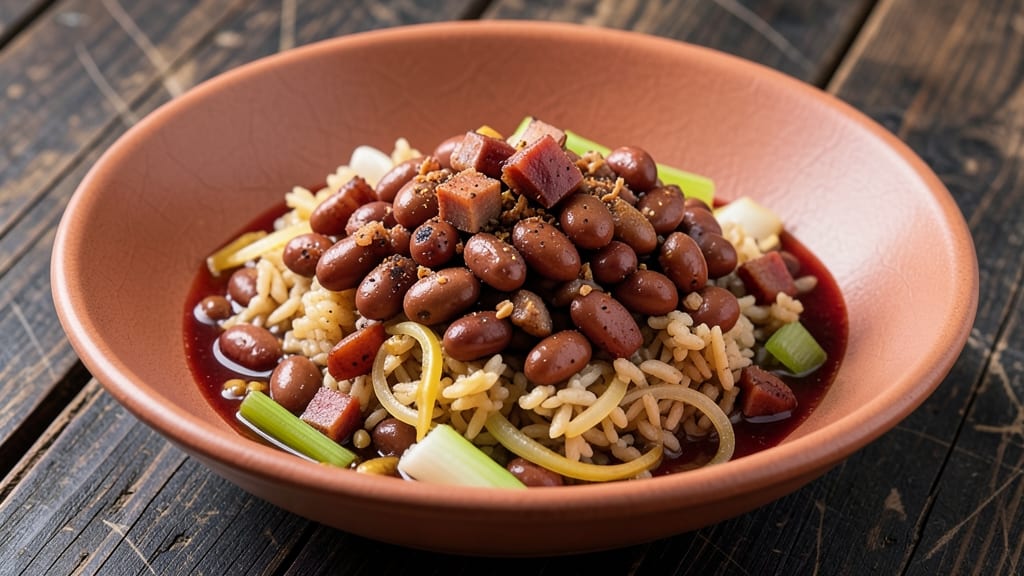
Chef John Besh's red beans and rice recipe transforms a simple one-pot into a soulful New Orleans tradition, where smoky ham hocks and deep spices create unmatched depth. The key lies in slow simmering—letting flavors meld over hours rather than minutes—while the beans break down into creamy perfection. This isn't just a side; it's the heart of a meal, built on patience and tradition.
No roux, no shortcuts—just a pot of beans, ham hock, and Cajun spices that work their magic through gentle heat. The result? A dish so rich and aromatic, it turns every bite into an experience.
Serve it with fluffy white rice, and you've got the foundation of a feast that feels like home. Let's get started on this one-pot masterpiece.
Ingredients for chef john besh red beans and rice
Sixteen ingredients for a dish that tastes like New Orleans tradition in every bite.
| Ingredient | Amount | Notes |
|---|---|---|
| Dried Red Kidney Beans 🌱 | 2 cups | Soaked overnight for best texture |
| Ham Hock 🥓 | 2 whole | Smoked for authentic New Orleans flavor |
| Yellow Onion 🧅 | 1 whole | Diced, medium size |
| Green Bell Pepper 🌶️ | 1 whole | Diced, optional for freshness |
| Celery Stalks 🥬 | 3 whole | Diced, classic holy trinity |
| Garlic Cloves 🧄 | 4 cloves | Minced, fresh preferred |
| Cayenne Pepper 🔥 | 1 tsp | Adjust for heat preference |
| Smoked Paprika 🌶️ | 1 tbsp | For authentic smoky depth |
| Ground Black Pepper 🌶️ | ½ tsp | Freshly ground for best flavor |
| Kosher Salt 🧂 | 1 ½ tsp | Diamond Crystal preferred |
| Fresh Thyme Sprigs 🌿 | 2 whole | Or 1 tsp dried thyme |
| Bay Leaves 🍃 | 2 whole | Removed before serving |
| Water 💧 | 8 cups | Or low-sodium chicken broth |
| Long-Grain White Rice 🍚 | 2 cups | Uncooked, for serving |
| Green Onions 🧅 | 4 whole | Sliced, for garnish |
The ham hock is non-negotiable—it brings that unmistakable smoky depth that defines Chef Besh's style. Look for smoked hocks at specialty butchers or Latin markets, where they often carry authentic cuts. If you must substitute, smoked turkey legs or a smoked sausage works in a pinch, but nothing beats the real deal. The beans? Dried kidney beans from a bulk bin (like at Whole Foods or a Latin grocery) have better texture than canned. Soak them overnight—this is where the magic starts, breaking down their tough skins for that creamy finish. Don't skip it.
No smoked paprika? Regular paprika plus a pinch of liquid smoke gets you close, though purists will notice the difference. Fresh thyme is ideal, but dried works at one-third the amount. The holy trinity (onion, bell pepper, celery) can be swapped for just onion and garlic if you're in a hurry, though the pepper adds that bright freshness. For the water, low-sodium chicken broth deepens the flavor without overpowering. And if you're feeling adventurous, add a splash of hot sauce at the end—just like Chef Besh does.
This dish tastes even better the next day as flavors meld. Store leftovers in the fridge for up to 5 days, or freeze for 3 months. The rice? Cook it separately—1 cup rice to 1.5 cups water—and fluff it with a fork before serving. For extra authenticity, serve with cornbread on the side. Double the batch if you can—this recipe disappears fast, and the second helping is always better.
Why You'll Love This Recipe
- I swear by this: soak the dried beans overnight, then dump everything—ham hock, onions, peppers, celery—into one pot and let it simmer. No fancy steps, no stress. The ham hock practically melts into the beans, and the veggies soften just enough to disappear into the sauce.
- Soy-Simple Prep: I swear by this: soak the dried beans overnight, then dump everything—ham hock, onions, peppers, celery—into one pot and let it simmer. No fancy steps, no stress. The ham hock practically melts into the beans, and the veggies soften just enough to disappear into the sauce.
- Smoky-Sweet Magic: That ham hock? It’s the secret weapon. The slow simmer pulls all the savory, smoky goodness into the beans, while the bell pepper adds just enough sweetness to balance the richness. Honestly, the first bite makes me close my eyes—it’s that good.
- Weeknight Workhorse: This isn’t just Sunday supper. I make it for lazy Mondays, potlucks where I don’t want to cook, or even as a side when I’m grilling. The beans hold up for days, and the rice? Just cook it fresh. It’s my go-to for when I need something reliable that still feels special.
Step-by-step instructions for chef John Besh's red beans and rice
This classic New Orleans dish comes together in one pot with deep smoky flavors and tender beans.
Prepare the Beans and Build the Flavor Base
Start by rinsing the 2 cups of dried red kidney beans under cold water to remove any debris. In a large Dutch oven, add the 2 whole ham hocks and cover with the 8 cups of water. Bring to a boil over high heat, then reduce to medium-high heat and simmer for 30 minutes to extract maximum flavor from the ham hocks.
While the ham hocks simmer, dice the 1 whole yellow onion, 1 whole green bell pepper, and 3 whole celery stalks into ¼-inch pieces. This classic "holy trinity" combination forms the flavor foundation. Add these vegetables along with the 4 cloves of minced garlic to the pot. Stir in the 1 tablespoon smoked paprika, 1 teaspoon cayenne pepper, 0.5 teaspoon ground black pepper, and 1.5 teaspoons kosher salt. Add the 2 whole fresh thyme sprigs and 2 whole bay leaves, then bring the mixture back to a gentle boil.
Simmer the Beans Until Tender
Add the rinsed red kidney beans to the pot and stir gently to combine. Reduce heat to low and maintain a gentle simmer. The beans will need to cook for 1.5 to 2 hours until they're fork-tender but not mushy. You'll know they're ready when they hold their shape but are still slightly firm to the bite.
Here's the thing—don't be tempted to rush this step. The slow cooking allows the beans to absorb all that smoky ham flavor while developing their signature creamy texture. Stir occasionally to prevent the vegetables from sticking to the bottom. If the liquid level gets too low, add a little more water as needed to keep the beans submerged.
Remove the Ham Hocks and Shred the Meat
Once the beans are tender, use tongs to remove the ham hocks and place them on a cutting board. Discard the bay leaves. The ham hocks should be easy to pull apart now. Use two forks to shred the meat, discarding any large bones or gristle. Return the shredded ham meat to the pot and stir it into the bean mixture.
This is where the dish really comes together. The ham adds rich, savory depth that balances the smoky spices. Give everything a final taste and adjust seasoning if needed—you might want to add a pinch more salt or cayenne to suit your preference. The beans should be seasoned through with a perfect balance of heat and saltiness.
Cook the Rice Separately for Perfect Texture
While the beans finish cooking, rinse the 2 cups of long-grain white rice under cold water until the water runs clear. In a separate pot, bring 4 cups of fresh water to a boil. Add the rice and reduce heat to low, then cover and simmer for 15 minutes. Remove from heat and let it steam, covered, for another 5 minutes. Fluff with a fork before serving.
I always cook the rice separately for red beans and rice—it gives you perfectly fluffy grains that don't turn mushy from soaking up all the bean broth. The traditional New Orleans approach serves the rice on the side, allowing everyone to create their own perfect portion ratio.
Serve with Fresh Garnishes
Just before serving, slice the 4 whole green onions into ¼-inch pieces. Ladle the red beans into serving bowls and top each portion with a generous spoonful of the cooked rice. Sprinkle with the sliced green onions for freshness and color. The contrast of the bright green against the deep red beans makes this dish visually stunning.
Serve immediately while hot. Each bite should deliver tender beans infused with smoky ham flavor, balanced by the freshness of the green onions. The rice on the side lets everyone customize their perfect ratio of beans to rice—some like it more beans, others prefer more rice. Either way, this one-pot tradition delivers authentic New Orleans comfort.
Pro Tips For Making Chef John Besh Red Beans And Rice
- Parboil Beans First: Skip the overnight soak—just boil dried kidney beans for 2 minutes, drain, then cover with fresh water. I learned this the hard way after forgetting to soak them overnight, and the beans still turned out tender. This cuts prep time and keeps them from splitting too much during the long simmer.
- Brown the Ham Hock: Don’t just toss the ham hock in raw—sear it in the pot with a splash of water until the fat renders and the meat develops a crust. After burning through three batches of bland beans, I realized this step makes the flavor actually sing. Use medium-high heat until the edges darken.
- Dice Veggies Small: Cut onions, bell peppers, and celery into ¼-inch pieces so they disappear into the beans without leaving chewy chunks. I used to chop them roughly, and they’d sit like little crunchy reminders of my laziness. Uniform size = even cooking.
- Simmer Low and Long: Keep the beans at a bare simmer—tiny bubbles, not a rolling boil—after the first hour. I was impatient once and cranked the heat, and the beans turned to mush. Low and slow (3-4 hours) builds depth without falling apart. Stir every 30 minutes to prevent sticking.
Essential equipment for chef john besh red beans and rice
Dutch Oven
This is the non-negotiable piece of equipment for Chef Besh's red beans. A 5-6 quart Dutch oven with a tight-fitting lid creates the ideal environment for slow simmering. I recommend a Lodge cast iron Dutch oven—it retains heat beautifully and develops a natural non-stick seasoning over time.
The heavy material ensures even heat distribution, which is crucial for tender beans and caramelized flavors. If you don't own one, a stainless steel Dutch oven like those from All-Clad works well too. 🌡️
Tongs and Forks
You'll need heavy-duty tongs for handling the ham hocks and two sturdy forks for shredding the meat. I prefer 12-inch stainless steel tongs with silicone grips—they handle the weight of ham hocks effortlessly. For shredding, use Dexter-Russell brand forks—their sharp tines make quick work of separating meat from bones.
These tools prevent burns and make the process cleaner than using your hands. Trust me, your fingers will thank you after handling hot ham hocks!
Measuring Tools
Precision matters when balancing the smoky paprika, cayenne, and kosher salt. Invest in a set of stainless steel measuring spoons (I use OXO Good Grips) for accurate measurements. For the ¼-inch vegetable dice, a mandoline slicer with a julienne attachment makes this task effortless.
If you're new to the holy trinity, practice cutting the onion, bell pepper, and celery into even ¼-inch pieces—consistency ensures even cooking and flavor distribution throughout the dish.
Instant-Read Thermometer
While not strictly necessary, an instant-read thermometer (like the ThermoWorks Thermapen) helps verify the beans reach 212°F for proper tenderness without overcooking. This is especially useful if you're using dried beans that vary in size.
I check the temperature by inserting the probe into a bean—when it reaches 212°F, they're perfectly tender. This small investment prevents mushy beans and ensures restaurant-quality results every time. 💡
Rice Cooker or Pot
For the rice component, you have two options: a dedicated rice cooker (like the Zojirushi) or a medium-sized saucepan. If using a pot, a heavy-bottomed stainless steel pan prevents scorching. I prefer rice cookers because they handle the 1:2 rice-to-water ratio automatically and maintain even heat.
The key is letting the rice steam uncovered for the final 5 minutes—this creates that perfect fluffy texture that separates it from mushy rice.
Optional: Immersion Blender
While traditional red beans don't require blending, an immersion blender (like the Cuisinart) lets you create a slightly smoother texture if you prefer. I use mine to blend just 10-15% of the beans at the end for a velvety consistency while keeping some texture.
This technique is inspired by Chef Besh's approach to balancing tradition with modern twists. If you're serving to a crowd, this small adjustment makes the dish even more approachable for those who prefer smoother textures. 💫
Nutrition facts
Frequently asked questions
Why does Chef Besh's recipe use ham hocks instead of just ham?
The ham hocks are essential for that authentic New Orleans smoky depth. When simmered for 30 minutes before adding beans, they infuse the broth with rich, savory flavor that regular ham can't match. Plus, the meat falls off the bone beautifully when shredded, adding texture and protein. For a shortcut, you could use smoked turkey legs or even a smoked sausage, but nothing beats the real deal.
Can I make this recipe without soaking the beans overnight?
You can, but your beans won't be as tender or creamy. Quick-soaking in 4 cups boiling water for 2 hours helps, but overnight soaking (8+ hours) breaks down the skins for that signature texture. If short on time, use 1 can of red beans (drained/rinsed) plus 1 cup dried beans—just reduce cooking time to 1 hour after adding the canned beans.
How do I adjust the heat level in this recipe?
Chef Besh's recipe balances smoky and spicy flavors perfectly. For less heat, reduce the cayenne to ½ teaspoon or omit it entirely. For more kick, add ½ teaspoon extra cayenne or a dash of hot sauce at the end. Remember: smoked paprika adds depth, not heat—it's the cayenne that controls the spice level. Taste as you go!
Can I make this recipe in a slow cooker?
Follow the same steps but transfer everything to a 6-quart slow cooker after the initial 30-minute ham hock simmer. Cook on low for 8 hours or high for 5 hours. The beans will be even more tender, and the flavors will meld beautifully. Just shred the ham hocks by hand before returning them to the pot—no forks needed!
What's the best way to reheat leftovers?
Reheat gently to preserve texture. In a pot with ¼ cup water, warm over medium-low heat for 5-7 minutes, stirring occasionally. For microwave reheating, cover with a damp paper towel and heat in 30-second intervals until hot. Never reheat rice separately—it absorbs the bean flavors best when warmed together. Leftovers taste even better the next day!