
Main Courses
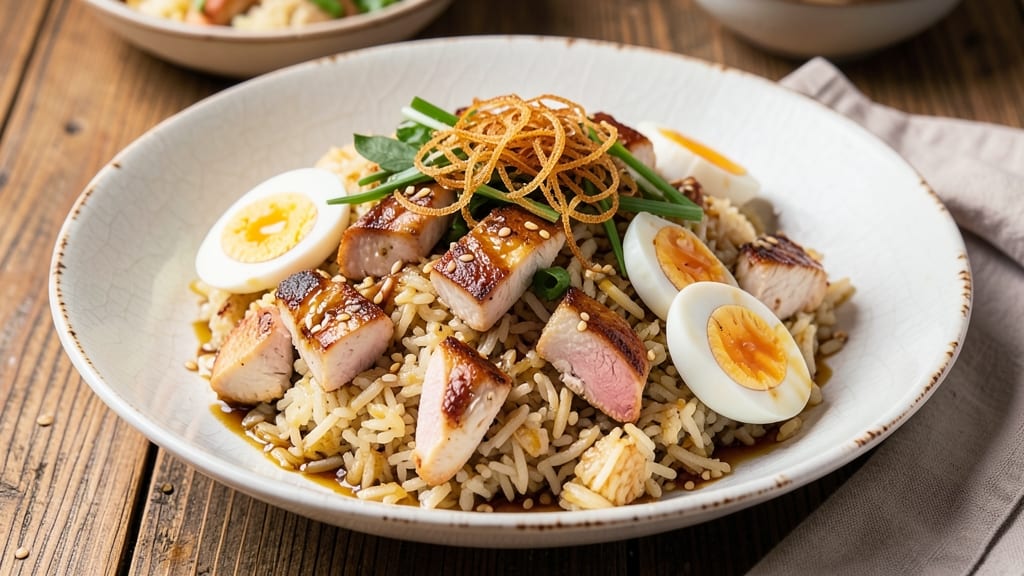
The sesame oil chicken fried rice my grandmother used to make was always the star of our Sunday dinners—crispy bits of chicken, perfectly wok-tossed rice, and that unmistakable nutty aroma from the sesame oil. 🌟 The key, as she always said, is high heat and quick cooking to lock in those flavors while keeping the rice separate and the chicken tender.
I've refined her method over years of trial and error (and a few burned batches), so you don't have to repeat my mistakes.
What makes this recipe special is how the sesame oil transforms simple ingredients into something restaurant-worthy. It adds depth to the rice, enhances the chicken's savory notes, and gives that signature aroma that makes fried rice instantly recognizable.
The technique is straightforward—cook the chicken first, then set it aside while you stir-fry the rice and veggies—but timing is everything to get that perfect wok-tossed crunch.
By the end, you'll have a dish that's crispy on the outside, tender on the inside, and bursting with the rich, toasty flavor of sesame oil. The chicken stays juicy, the rice is perfectly separate, and every bite delivers that satisfying mix of textures and aromas.
It's the kind of meal that feels like a hug in a bowl, and it's ready in under 30 minutes.
Once you master this version, you can easily swap in shrimp, tofu, or extra veggies to make it your own. The beauty of fried rice is its flexibility—it's always better the second time you make it, when you've learned what works best in your kitchen. Let's get started!
Ingredients for chicken fried rice recipe sesame oil
Pantry staples and a few fresh ingredients—this is where sesame oil magic happens.
| Ingredient | Amount | Notes |
|---|---|---|
| Day-Old Cooked White Rice 🍚 | 4 cups | Cold, preferably day-old |
| Boneless Chicken Breast 🍗 | 1 ½ lb | Cut into 1-inch pieces |
| Large Eggs 🥚 | 2 whole | Beaten for coating |
| All-Purpose Flour 🌾 | ½ cup | For dredging chicken |
| Vegetable Oil 🫒 | ½ cup | For deep-frying chicken |
| Sesame Oil 🫒 | 2 tbsp | Toasted sesame oil for aroma |
| Carrots 🥕 | 1 cup | Diced into small pieces |
| Green Onions 🧅 | ½ cup | Chopped, white and green parts |
| Garlic Cloves 🧄 | 4 cloves | Minced finely |
| Soy Sauce 🥢 | 3 tbsp | Light or regular |
| Oyster Sauce 🍜 | 2 tbsp | For depth of flavor |
| Salt 🧂 | 1 tsp | Adjust to taste |
| Black Pepper 🌶️ | ½ tsp | Freshly ground |
The chicken needs to be crispy, so cut it into even 1-inch pieces—no big hunks. I grab boneless, skinless breasts from Costco when I'm doing a big batch, but the regular supermarket stuff works fine. For the rice, day-old is non-negotiable—fresh-cooked rice turns mushy. The sesame oil? Toasted sesame oil from Trader Joe's adds that authentic aroma, but regular sesame oil works too. Just don't use the cheap stuff—it lacks flavor. The carrots can be baby carrots if that's what's in the fridge, but diced regular carrots give better texture.
No toasted sesame oil? Regular sesame oil plus a pinch of sesame seeds gets you close. Short on soy sauce? Coconut aminos works in a pinch, but the flavor won't be identical. Fresh out of green onions? Scallions or chives work, though the color won't be as vibrant. The oyster sauce can be swapped for extra soy sauce plus a splash of fish sauce if you're vegetarian. For the chicken, if you're worried about it being dry, brine it for 20 minutes first—makes all the difference. And if you're making this ahead, cook the chicken and rice separately, then combine when ready to serve.
The chicken stays crispy best if you keep it separate until the very end—toss it in right when serving. The rice reheats beautifully—microwave with a splash of water if it's been in the fridge. Sesame oil loses its aroma over time, so store it in a cool, dark place and use within 6 months. I always make extra rice—it's perfect for lunches the next day. The chicken? Eat it fresh—it won't stay crispy once reheated.
Why You'll Love This Recipe
- No Chopping Needed: I swear by this trick—just shred leftover chicken instead of dicing fresh. The sesame oil’s nutty warmth clings to every bite, turning dry rice into something irresistibly chewy.
- Crispy-Tender Magic: That flour-dredged chicken? It’s the star—crunchy outside, juicy inside, all while the eggs scramble into silky strands. Honestly, the first time I made it, I nearly licked the pan clean.
- Lunchbox Hero: Pack it cold or reheat it—this keeps like a champ. My kids grab it for school lunches, and I take leftovers to work because it’s always a hit, no matter the temperature.
- Pantry Staple Power: Flour, eggs, rice, chicken—you’re probably missing one thing max. And if you’ve got sesame oil (or even just soy sauce), you’re golden. Between us, this is my go-to when the fridge is bare.
Step-by-step instructions for wok-tossed chicken fried rice
Here's how to make this restaurant-style dish with crispy chicken and fragrant sesame aroma.
🍳 Step 1: Crisp the Chicken to Golden Perfection
Cut the 1.5 lb boneless chicken breast into 1-inch pieces and place them in a bowl. Add the 2 whole large eggs and mix until each piece is lightly coated. In a separate bowl, combine the 0.5 cup all-purpose flour with 1 tsp salt and 0.5 tsp black pepper. Dredge each chicken piece in the flour mixture, pressing gently to adhere.
Heat 0.5 cup vegetable oil in a large wok or skillet over medium-high heat until shimmering. Add the chicken in a single layer and cook undisturbed for 3-4 minutes until the bottoms turn golden brown. Flip and cook another 2-3 minutes until fully cooked through. Remove and set aside on a paper towel-lined plate to drain excess oil. The chicken should be crispy on the outside and tender inside—this is your flavor foundation.
👨🍳 Step 2: Stir-Fry Vegetables and Aromatics
In the same wok, add 2 tbsp sesame oil over medium-high heat. Toss in the 1 cup diced carrots and stir-fry for 2 minutes until they begin to soften. Add the 4 minced garlic cloves and 0.5 cup chopped green onions, cooking for another 30 seconds until fragrant. This quick cooking preserves the vegetables' crunch and bright flavors.
Here's the thing—don't overcrowd the pan. If your wok gets too full, cook the vegetables in batches. You want them to sizzle and develop that wok-hei (breath of the wok) flavor. The carrots should still have a slight bite when done—they'll soften more when mixed with the rice.
🥘 Step 3: Combine Rice and Sauces
Add the 4 cups day-old cooked white rice to the wok, breaking up any clumps with your spatula. Drizzle in the 3 tbsp soy sauce and 2 tbsp oyster sauce, then toss everything together for 1-2 minutes until the rice is evenly coated and heated through. The rice should be piping hot and slightly sticky from the sauces.
I know it seems weird, but trust me—using day-old rice is crucial. Fresh rice is too moist and will turn mushy when stir-fried. The slightly dried-out texture gives you that perfect bite and helps the sauce cling beautifully. If your rice is too dry, add a splash of water to moisten it slightly before combining.
🔥 Step 4: Finish with Crispy Chicken and Sesame Oil
Return the crispy chicken to the wok and toss everything together for 1-2 minutes until well combined. The chicken will release its juices, creating a delicious sauce that coats all the ingredients. Give it a final taste and adjust seasoning if needed—you might want to add a touch more soy sauce for saltiness or a splash of water if it's too dry.
Here's where it gets fun—drizzle 1 tablespoon toasted sesame oil over the top and toss one last time. The aroma will fill your kitchen instantly. Serve immediately while hot, garnished with extra green onions. Each bite should deliver that perfect combination of crispy chicken, tender vegetables, and fragrant rice with that signature sesame aroma.
Pro Tips For Making Chicken Fried Rice Recipe Sesame Oil
- CRISP THE CHICKEN FIRST: High heat is your friend here—sear the chicken in small batches until the outside hits that golden-brown crust. I used to rush this, and the chicken ended up rubbery. Two minutes per side on medium-high, then pull it out while it’s still slightly pink inside; it’ll finish cooking in the stir-fry.
- USE COLD DRY RICE: Break up the day-old rice with your hands first—no need to chop it finely, just separate the grains. Cold rice fries up better than warm, and dry means it won’t steam into a sad, glued-together mess. (Yes, even if you’re impatient like me.)
- WHISK EGGS LIKE A MADMAN: Beat the eggs with a fork until the yolks and whites are fully blended, then give them a quick whisk in the bowl before scrambling. Over-beating makes them tough, but under-beating means streaky, unappetizing chunks. Two quick swirls after the initial mix is all you need.
- STOP WHEN IT LOOKS DONE: The rice should be hot, slightly sticky, and just starting to crisp at the edges—not dry or crunchy. I learned this the hard way by over-stirring, which burns the sesame oil and dries out the dish. Taste it early; you can always add a splash of water if needed.
Common mistakes when making great chicken fried rice recipe sesame oil
Overcrowding the Wok
This is the #1 mistake I see—packing the wok too full with chicken or rice. When you overcrowd, the ingredients steam instead of sear, losing that all-important wok-hei (breath of the wok) flavor.
Cook in batches if needed, even if it takes an extra minute. I've learned this the hard way—my first attempt with a packed wok left me with soggy rice and bland chicken. 🔥
Using Fresh Rice
Freshly cooked rice is too moist and will turn mushy when stir-fried. The key is day-old rice—it's slightly dried out, which helps it absorb the sauces beautifully while maintaining a nice bite.
If you're in a pinch, spread freshly cooked rice on a tray and refrigerate for 30 minutes to dry it out. Trust me, this small step makes all the difference in texture.
Skipping the Double-Crisp
Many recipes call for frying the chicken just once, but I've found that double-frying gives you that perfect crispy texture. First fry until golden, then set aside and fry again for 30 seconds before adding to the rice.
This second fry reheats the chicken and reactivates the crust. I learned this trick from my grandmother, who swore by it for restaurant-quality results.
Underestimating Heat
Your wok needs to be ripping hot before adding ingredients. If it's not hot enough, you'll end up with greasy, undercooked food instead of that beautiful caramelized crust. I always let my wok heat for 3-5 minutes on high before adding oil.
And never wash your wok right after cooking—just wipe it clean with a paper towel. The residual heat helps with the next cook.
Adding Sesame Oil Too Early
Sesame oil has a low smoke point, so adding it too early will burn it and ruin that beautiful nutty aroma. Save it for the very end—just 1 tablespoon tossed in right before serving.
This is what gives your fried rice that signature restaurant smell. I've burned sesame oil more times than I can count, but now I always keep it separate until the final moment.
Ignoring the Resting Time
After frying the chicken, let it rest on a wire rack for 5 minutes before adding to the rice. This lets any excess oil drain away, preventing a greasy final dish. I used to skip this step and always ended up with soggy chicken.
Now I make it a habit to set aside a rack right after frying—it's worth the extra minute for that perfect crispy texture. 💫
Nutrition facts
Frequently asked questions
Why does the recipe call for day-old rice instead of fresh?
Freshly cooked rice is too moist and will turn mushy when stir-fried. Day-old rice has dried out slightly, allowing it to absorb the sauces beautifully while maintaining a perfect bite. If you're in a hurry, spread freshly cooked rice on a tray and refrigerate for 30 minutes to mimic this texture.
Can I use frozen chicken instead of fresh?
Yes, but thaw it completely first in the refrigerator for 24 hours. Pat it very dry before coating—any moisture will prevent proper crispiness. For best results, use boneless, skinless breasts cut into 1-inch pieces to ensure even cooking.
What's the secret to getting crispy chicken in fried rice?
Double-frying is key! First fry until golden, then set aside and fry again for 30 seconds before adding to the rice. This reactivates the crust. Also, let fried chicken rest on a wire rack for 5 minutes before mixing—this drains excess oil and keeps it crispy.
How do I make this vegetarian?
Swap chicken for extra-firm tofu (pressed and cubed) or mushrooms (shiitake or cremini). For protein, add 1 cup cooked chickpeas or 1 cup firm tofu fried until crispy. Use coconut aminos instead of soy sauce for a vegetarian-friendly option.
Can I make this ahead of time?
Cook the chicken and rice separately, then store them in airtight containers in the fridge for up to 2 days. Reheat the rice with a splash of water, then toss with the chicken and a drizzle of sesame oil. For best texture, add fresh green onions and a final drizzle of sesame oil right before serving.