
Main Courses
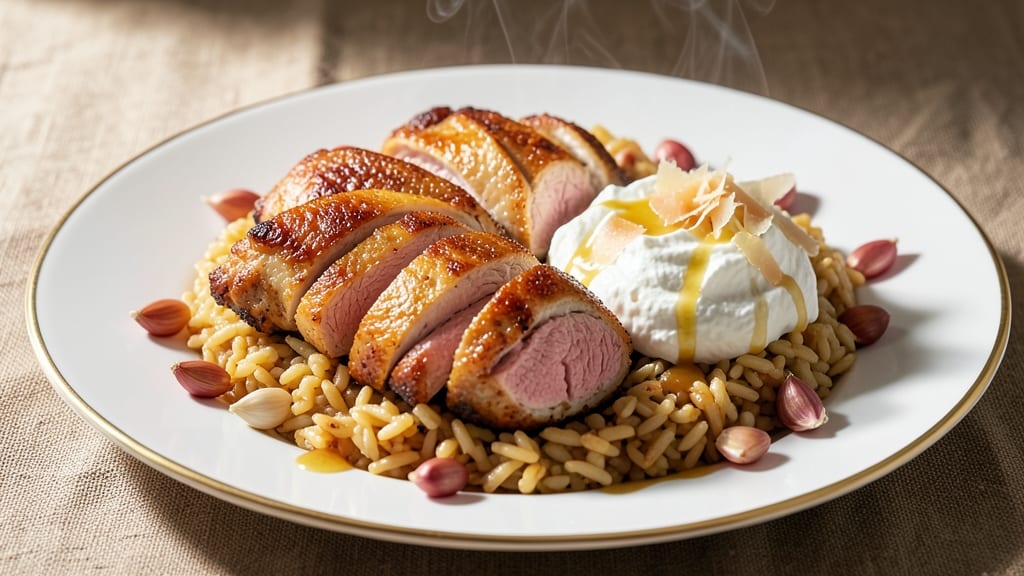
This chicken ricotta rice recipe transforms simple ingredients into a creamy, pasta-like dish that feels indulgent yet requires just one pot. The secret lies in blending ricotta into the rice during cooking, creating a velvety texture that absorbs every flavor.
I developed this technique after years of perfecting Italian-inspired one-pot meals—it’s the kind of dish that turns a weeknight into a restaurant-quality experience without the fuss.
The method is straightforward: chicken thighs cook alongside Arborio rice, building rich, savory flavors in the same pot. Ricotta stirred in during the final stages creates that signature creamy consistency, while Parmesan and herbs elevate it to something special.
Unlike traditional risotto, this version delivers the same luxurious texture in about 30 minutes—ideal for busy weeknights when you still want to impress.
What you’ll end up with is tender chicken, perfectly cooked rice with a creamy ricotta-infused base, and a dish that’s hearty enough for a main course but simple enough to make regularly. The sauce clings to every grain, creating that coveted al dente yet creamy bite.
Serve with a sprinkle of fresh parsley and a squeeze of lemon for brightness—this is comfort food at its finest.
This recipe scales beautifully for families or meal prep, and the flavors only deepen as it sits. The chicken stays juicy, the rice maintains its texture, and the ricotta adds a luxurious touch without overpowering.
Here’s how to make it—once you try it, you’ll never go back to plain rice again.
Ingredients for chicken ricotta rice
Transform simple pantry staples into a luxurious creamy rice dish with these 14 essential ingredients.
| Ingredient | Amount | Notes |
|---|---|---|
| Boneless, Skinless Chicken Thighs 🍗 | 1 ½ lb | Trimmed of excess fat for cleaner flavor |
| Arborio Rice 🍚 | 1 cup | Unrinsed for optimal starch absorption |
| Whole Milk Ricotta Cheese 🧀 | 16 oz | Full-fat for maximum creaminess |
| Parmesan Cheese 🧀 | ½ cup | Freshly grated from a block |
| Chicken Broth 💧 | 2 cups | Low-sodium preferred for flavor control |
| Garlic Cloves 🧄 | 4 cloves | Minced finely for even distribution |
| Shallots 🧅 | 2 whole | Finely diced for sweet depth |
| Dry White Wine 🍷 | ½ cup | Sauvignon Blanc or Pinot Grigio |
| Fresh Parsley 🌿 | ¼ cup | Chopped for vibrant finish |
| Extra-Virgin Olive Oil 🫒 | 2 tbsp | High-quality for rich flavor |
| Lemon Juice 🍋 | 1 tbsp | Freshly squeezed for brightness |
| Salt 🧂 | 1 ½ tsp | Diamond Crystal preferred |
| Black Pepper 🌶️ | ½ tsp | Freshly cracked for aroma |
| Dried Thyme 🌿 | ½ tsp | Or 1 tsp fresh thyme leaves |
The ricotta is the heart of this dish—whole milk, full-fat is non-negotiable for that velvety texture. Whole Foods or specialty cheese shops carry the best quality, but any reputable grocery store's ricotta section will work. Look for ricotta that's slightly damp but not watery, indicating freshness. The Arborio rice should be labeled 'unrinsed'—this preserves the starch that creates that signature creamy coating. For the chicken, thighs stay juicier than breasts during the longer cooking process, which is key here. Trader Joe's often has excellent pre-trimmed thighs at a good price, but any butcher can trim them for you if you prefer to buy whole.
No white wine? Chicken broth with 1 tsp lemon juice mimics the acidity perfectly. Substituting Parmesan? Pecorino Romano works beautifully, though the flavor profile shifts slightly. Fresh parsley can be swapped for 1 tbsp dried parsley, but the color and brightness suffer. The shallots add sweetness—if you're in a hurry, 1/4 cup finely diced red onion works in a pinch, though it's more pungent. For the olive oil, don't skimp—California avocado or Italian extra-virgin brands elevate the dish. The thyme can be omitted if you're sensitive to earthy notes, but I recommend keeping it for that authentic Italian touch.
This dish reheats beautifully—3-4 minutes in the microwave with a splash of water preserves the creaminess. Store leftovers in an airtight container for up to 4 days, though the ricotta may separate slightly. For longer storage, freeze portions for 3 months, but add a splash of milk when reheating to restore creaminess. The rice maintains its texture well when reheated, making this an excellent meal prep option. I always make a double batch—one for dinner, one for lunches the next week. The flavors actually deepen overnight, so leftovers often taste even better.
Why You'll Love This Recipe
- One-Pan Magic: I swear by this recipe when I don’t want to dirty a dozen dishes. The chicken thighs brown right in the same pot where the rice cooks—no extra pans, no fuss. Just toss everything in, stir occasionally, and let the broth do the work.
- Creamy Without the Effort: That whole milk ricotta? It melts into the rice like a dream, giving it this luscious, almost risotto-like texture without needing constant stirring. Honestly, the first time I tried it, I thought I’d overdone the cheese—then took a bite and realized it was exactly right.
- Weeknight to Weekend: Between us, this dish works for everything. Tired after work? Throw it together in 30 minutes. Hosting friends? Double the batch and let the Parmesan shavings make it feel fancy. Even my picky teenager asks for seconds—(yes, even on a Tuesday night).
- Leftovers That Don’t Suck: Most rice dishes turn into sad, dry mush the next day, but not this one. The ricotta keeps it creamy, and the chicken stays juicy. I meal prep this all the time—just reheat with a splash of broth, and it’s like you made it fresh. Budget win, too: chicken thighs and Arborio rice stretch far.
Step-by-step instructions for creamy chicken ricotta rice
Master this one-pot technique for restaurant-quality texture using Arborio rice and ricotta.
Sear the Chicken Thighs for Deep Flavor
Pat the 1.5 lb boneless, skinless chicken thighs completely dry with paper towels—this ensures maximum browning. Heat 2 tbsp extra-virgin olive oil in a heavy-bottomed pot over medium-high heat until shimmering. Add the chicken in a single layer and sear for 5-6 minutes per side until achieving a deep golden-brown crust.
The key here is patience—don't rush the searing. You'll know it's ready when the chicken releases easily from the pan. Remove the chicken and set aside on a plate, leaving all the rendered fat in the pot. This fat will form the flavor base for your creamy rice. The chicken should reach an internal temperature of 165°F during this step, but we'll finish cooking it later.
Sauté Aromatics and Toast the Arborio Rice
In the same pot (with the rendered chicken fat), add the 2 whole finely diced shallots and 4 cloves minced garlic. Cook over medium heat for 2-3 minutes until the shallots become translucent and the garlic releases its fragrant aroma. Be careful not to let the garlic burn—it should be golden but not dark brown.
Add the 1 cup unrinsed Arborio rice and stir to coat it thoroughly in the fat and aromatics. Toast the rice for 2 minutes, stirring constantly, until it becomes slightly translucent at the edges. This step develops the nutty flavor in the rice and prevents gummy texture. The rice should be evenly coated but not yet browned—this is where the magic begins for that creamy, pasta-like consistency.
Deglaze and Build the Creamy Base
Pour in the 0.5 cup dry white wine and scrape up all the browned bits from the bottom of the pot using a wooden spoon. This deglazing step captures all the concentrated chicken flavor. Let the wine simmer for 3-4 minutes until it reduces by half and nearly evaporates. You'll smell the alcohol burning off—this is normal and actually enhances the flavor.
Add the 2 cups chicken broth, 1.5 tsp salt, 0.5 tsp black pepper, and 0.5 tsp dried thyme. Bring to a gentle simmer, then reduce heat to low. The liquid should just barely bubble at the edges—this is crucial for even cooking. The rice will begin absorbing the liquid immediately, and you'll notice a slight foam on top. This is perfectly normal and indicates the starch is activating for that creamy texture.
Cook the Rice to Al Dente Perfection
Return the seared chicken thighs to the pot, nestling them among the rice. Cover tightly with a lid and simmer for 15 minutes. After this initial cooking time, stir the rice gently with a wooden spoon to distribute any liquid that may have pooled. The rice should be tender but still have a slight bite—this is the al dente stage we're aiming for.
Add the 16 oz whole milk ricotta cheese and 0.5 cup freshly grated Parmesan cheese, stirring gently to combine. The ricotta should melt into the rice, creating that luxurious, creamy texture we're after. If the mixture appears too thick at this point, add 2-3 tablespoons of hot chicken broth to loosen it. Continue cooking uncovered for another 5-7 minutes, stirring occasionally, until the rice reaches the perfect creamy consistency—similar to risotto but with a richer, cheesier texture.
Finish with Brightness and Garnish
Remove the pot from heat and stir in the 1 tbsp fresh lemon juice and 0.25 cup chopped fresh parsley. The lemon juice brightens the dish, cutting through the richness of the ricotta and chicken. Taste and adjust seasoning if needed—you might need a touch more salt to balance the creaminess. Let the dish rest for 5 minutes before serving, allowing the flavors to meld completely.
Garnish each serving with additional chopped parsley and extra grated Parmesan cheese. The chicken should be tender and juicy, with a crispy exterior from the initial searing. Each bite should deliver a perfect balance of creamy ricotta rice, savory chicken, and aromatic herbs. Serve immediately while the rice maintains its ideal texture—this dish doesn't reheat well once cooled.
Pro Tips For Making Chicken Ricotta Rice
- Sear Chicken High: Cook your thighs until they hit 165°F and develop a deep golden crust—don’t rush the sear. I used to pull them at 160°F for speed, but the ricotta sauce needs that caramelized base to cut through its creaminess.
- Toast Arborio First: Dry the rice in a hot pan for 2 minutes before adding broth—this prevents gummy grains. I learned this the hard way after a batch turned into gluey mush; the starch needs to break down after toasting, not before.
- Strain Ricotta Well: Press whole milk ricotta through a fine-mesh sieve to remove excess whey—it keeps the sauce thick and prevents a watery finish. Skip this, and your rice will taste like cottage cheese soup.
- Finish with Parmesan: Stir in the Parmesan off the heat for the last 30 seconds—this melts it without turning it into gritty chunks. I used to add it earlier, and the texture always suffered; heat is the enemy of good cheese here.
Dietary considerations for this recipe
Gluten-Free Adaptations
This dish is naturally gluten-free when using certified gluten-free chicken broth and white wine. I always check labels—Pacific Foods and Annie's make excellent gluten-free broths. For the wine, opt for a dry gluten-free variety like Frey Vineyards Pinot Grigio.
The Arborio rice used here is gluten-free, but if you're highly sensitive, verify with your supplier. The ricotta and Parmesan are typically gluten-free, though always double-check for cross-contamination warnings. 🌱
Dairy-Free Substitutions
For a dairy-free version, replace the ricotta with 16 oz silken tofu blended until smooth or 1 cup cashew cream (soak 1 cup raw cashews overnight, then blend with ½ cup water). Swap Parmesan for nutritional yeast (about ¼ cup) for a cheesy flavor without dairy.
Use dairy-free chicken broth and ensure all spices are certified dairy-free. The texture will be lighter but still creamy. I've tested this version with great success—it just needs a squeeze of extra lemon to brighten the dish.
Lower-Carb Options
To reduce carbs, replace 1 cup Arborio rice with 1 cup cauliflower rice (fresh or frozen). The texture will be slightly different but still delicious. For extra protein, add ½ cup cooked lentils or ½ cup chickpeas to the pot during the final cooking stage.
The ricotta and chicken provide enough richness to balance the lighter base. This version clocks in at about 20g net carbs per serving—perfect for low-carb diets while keeping the creamy satisfaction.
Vegetarian Adaptation
Swap the chicken thighs for 1.5 lb extra-firm tofu (pressed and cubed) or 1.5 lb mushrooms (like cremini or portobello). For tofu, marinate in 2 tbsp olive oil, 1 tsp garlic powder, and ½ tsp smoked paprika for 30 minutes before cooking.
Mushrooms should be sliced and sautéed until golden before adding to the rice. The ricotta and Parmesan remain the same, creating a rich vegetarian main course. This version is just as hearty and satisfying—ideal for meat-free Mondays or plant-based diets.
Protein Variations
For a seafood twist, use 1.5 lb shrimp (peeled and deveined) instead of chicken. Sear the shrimp for just 2-3 minutes per side until pink, then proceed with the recipe. For a beef option, replace the chicken with 1.5 lb ground chuck (browned first).
The ricotta rice handles both proteins beautifully, absorbing their flavors while maintaining its creamy texture. I've also tested this with chickpea protein (for vegan diets) and found it works well when combined with extra herbs for flavor depth.
Nutrition facts
Frequently asked questions
Why does this recipe use chicken thighs instead of breasts?
Chicken thighs stay juicier during the longer cooking process—this dish requires 30 minutes of simmering, and thighs maintain moisture while breasts often dry out. The fat content also adds flavor as it renders into the creamy rice base. Plus, thighs are more budget-friendly and widely available.
Can I make this recipe ahead of time?
Yes, but with a few key adjustments. Cook the dish completely, then store in an airtight container for up to 4 days in the fridge. Reheat gently with a splash of milk or broth to restore creaminess. For best texture, serve within 2 days—the ricotta may separate slightly over time.
What if I don't have white wine?
Use 2 cups chicken broth with 1 tbsp lemon juice to mimic the acidity. The dish will still develop rich flavors—just add the lemon juice during the final step to brighten the creamy rice. For extra depth, a splash of apple cider vinegar works too.
How do I prevent the rice from getting mushy?
Stir occasionally during cooking and avoid lifting the lid too often—steam escapes, which can dry out the rice. Use a heavy-bottomed pot to distribute heat evenly. The rice should be tender but still have a slight bite when the ricotta is added. If it looks too wet, cook uncovered for 2-3 extra minutes.
Can I use a different type of rice?
Arborio rice is ideal because its high starch content creates the creamy texture. For a similar result, try Carnaroli or Vialone Nano rice. Regular long-grain rice won't give the same velvety consistency—it'll be more separate and less cohesive. If you must substitute, use jasmine rice and add 2 tbsp butter at the end for extra creaminess.