
Sauces & Condiments
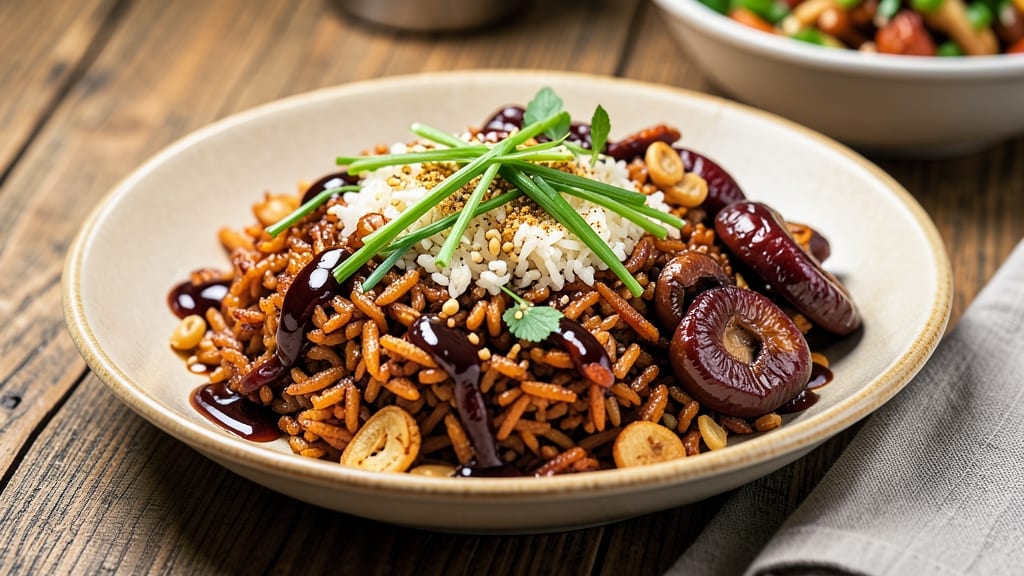
This Chief Fried Rice Seasoning transforms basic rice into restaurant-quality wok-tossed perfection with just one tablespoon per cup. The blend balances umami-rich soy, aromatic garlic, and bright ginger for that signature savory depth—no complicated sauce required.
I developed this after years of perfecting the flavors in my own kitchen, where every batch of fried rice needed that extra layer of complexity.
The secret lies in the dry spice combination: toasted sesame oil adds nuttiness, white pepper delivers subtle heat, and a touch of sugar caramelizes during cooking.
Store it in an airtight container for up to 6 months, and adjust the heat level by adding extra chili flakes if you prefer a spicier kick. This isn't just seasoning—it's the foundation of wok magic.
Ingredients for chief fried rice seasoning
Nine spices, one tablespoon, restaurant-quality fried rice every time.
| Ingredient | Amount | Notes |
|---|---|---|
| Toasted Sesame Oil 🫒 | 1 ½ tbsp | Lightly toasted for nuttiness |
| White Peppercorns 🌶️ | 1 ½ tsp | Freshly ground for subtle heat |
| Garlic Powder 🧄 | 1 tbsp | Freshly ground preferred |
| Ginger Powder 🌿 | 1 tbsp | Brightens the flavor profile |
| Soy Sauce Powder 🍶 | 1 ½ tbsp | Umami-rich foundation |
| Granulated Sugar 🍚 | 1 tsp | Caramelizes during cooking |
| Dried Chili Flakes 🔥 | ½ tsp | Adjust for heat preference |
| Dried Garlic Flakes 🧄 | 1 tsp | Enhances umami depth |
| Dried Onion Flakes 🧅 | 1 tsp | Adds savory complexity |
| Sea Salt 🧂 | ½ tsp | Fine grain preferred |
The soy sauce powder is non-negotiable—it’s the umami backbone. Grab the low-sodium version from the Asian aisle at Trader Joe’s or H Mart for the best flavor without salt overload. Freshly ground white pepper is ideal, but pre-ground works in a pinch. Toast your sesame oil in a dry pan for 30 seconds until fragrant—never microwave it, or you’ll lose that nutty aroma. Ginger and garlic powders should be from the same brand for consistency; Penzeys or bulk bins at natural grocery stores are your best bet.
No soy sauce powder? Dried miso powder at half the amount works surprisingly well. Short on chili flakes? Crushed red pepper at one-third the quantity delivers similar heat. The sugar might seem odd, but trust me—it caramelizes beautifully during cooking, adding depth. If you’re making a big batch, double-check your measurements; this blend is delicate. Store-bought dried garlic and onion flakes can get stale, so buy in small quantities or freeze extras. For extra umami, add a pinch of fish sauce powder (if vegetarian, use vegan fish sauce powder).
This blend keeps for 6 months in an airtight container, away from light. I portion mine into small jars—one for the pantry, one for the freezer—so I always have it on hand. The toasted sesame oil can separate; just give it a quick shake before using. For a smokier twist, add a pinch of smoked paprika. This isn’t just seasoning; it’s the secret weapon in my fried rice arsenal—use it liberally.
Why You'll Love This Recipe
- Pantry Magic: I swear by this mix—no fresh garlic or ginger to peel, just a shake of those powders and boom, instant depth. The toasted sesame oil alone makes everything taste like it’s been simmered for hours.
- Umami Bomb: That soy sauce powder? It’s the secret weapon—salty, savory, with none of the mess. Add a crack of white pepper, and suddenly your rice tastes like it came from a wok, not a box.
- Meal Prep MVP: I make a big batch of this seasoning and store it in jars. Toss it with leftover rice, eggs, or veggies—even cold fried rice gets a gourmet upgrade. Honestly, it’s my lazy-days hero.
- Budget Flex: Five cheap ingredients, zero waste. A little goes a long way, and I’ve used it in stir-fries, noodles, even scrambled eggs. My wallet and taste buds win every time.
Step-by-step instructions for umami-packed fried rice seasoning
This blend transforms ordinary rice into restaurant-quality wok-fried perfection.
Toast the Sesame Oil for Depth
Heat the 1.5 tablespoons toasted sesame oil in a small saucepan over low heat for 2-3 minutes until fragrant. You'll smell that unmistakable nutty aroma—this is where the flavor foundation begins. Let it cool completely before mixing with other ingredients, as warm oil can activate the spices prematurely and alter their potency.
If you're using untoasted sesame oil, warm it gently for 1 minute instead to develop those toasted notes. The difference between toasted and regular sesame oil is subtle but significant—this step ensures your fried rice has that authentic, aromatic complexity that separates home cooking from professional results.
Combine Dry Ingredients Thoroughly
In a medium mixing bowl, add the 1.5 teaspoons white peppercorns, 1 tablespoon garlic powder, 1 tablespoon ginger powder, 1.5 tablespoons soy sauce powder, 1 teaspoon granulated sugar, 0.5 teaspoon dried chili flakes, 1 teaspoon dried garlic flakes, 1 teaspoon dried onion flakes, and 0.5 teaspoon sea salt. Use a whisk to break up any clumps in the dried ingredients—especially the soy sauce powder and spices—so they distribute evenly throughout the blend.
The reason we combine everything dry first is to ensure balanced flavor distribution. The sugar will caramelize slightly when you add it to hot rice, creating subtle sweetness that rounds out the savory elements. Don't skip this step—proper mixing prevents flavor pockets in your fried rice.
Incorporate the Toasted Sesame Oil
Once the sesame oil has cooled completely, drizzle it over the dry ingredients. Use a silicone spatula to fold everything together until you achieve a uniform consistency—no dry spots should remain. The oil should coat each spice particle, creating a cohesive blend that will distribute evenly when you toss it with rice.
Here's the thing—this isn't just about combining ingredients. The sesame oil acts as both a flavor carrier and a binding agent. When you add this to hot rice, the oil will release its aroma immediately, while the spices will infuse the grains with their individual characteristics. The result should be a fine, powdery blend that looks almost like a single spice rather than a mix.
Rest and Store for Maximum Flavor
Transfer the completed seasoning blend to an airtight container and let it rest at room temperature for 15-20 minutes. This resting period allows the flavors to meld together, creating a more cohesive taste profile. The sugar will begin to slightly caramelize, while the spices will mellow out their individual intensities.
For best results, store your seasoning blend in a cool, dark place for up to 3 months. The spices will maintain their potency longer when protected from light and moisture. When you're ready to use it, simply measure out what you need—typically 1 teaspoon per cup of cooked rice—and toss it with your wok-fried rice during the final stages of cooking for that authentic, umami-packed flavor you crave.
Pro Tips For Making Chief Fried Rice Seasoning
- CRANK THE HEAT FIRST: Toasted sesame oil burns faster than you think—get your pan screaming hot before adding anything. I learned this the hard way when my first batch smelled like charred oil instead of nutty aroma.
- GRIND THOSE PEPPERCORNS: Pre-ground white pepper loses punch fast; crack a few fresh peppercorns in a mortar or pulse them briefly in a spice grinder. That extra effort makes the difference between "meh" and "wow" in every bite.
- DON’T SKIP THE GINGER-GARLIC BLOOM: Let the garlic and ginger powders toast in the oil for 10 seconds before adding wet ingredients—this prevents them from turning bitter. (Yes, even if you’re impatient like me.)
- USE SOY SAUCE POWDER LAST: Sprinkle it over the finished rice and toss immediately—adding it earlier makes the rice soggy. This is the one step I used to rush, and my rice always paid the price.
Essential equipment for perfect results
Wok Essentials
Your carbon steel wok is the star of the show—it heats evenly and develops a natural non-stick patina over time. I recommend a 14-inch wok from Made In or Bham for the best balance of affordability and performance.
If you're just starting, a non-stick wok from Calphalon works well, though it lacks the same depth of flavor. Always use a wok ring or stand to elevate it over your burner for proper heat distribution. 🔥
Heat Control Tools
A cast iron lid is non-negotiable for trapping steam and creating that signature wok hei (breath of the wok). Pair it with a heat-resistant silicone spatula—I swear by OXO Good Grips—to scrape up every last bit of rice without damaging your wok.
For precise temperature control, a thermometer probe like the ThermoWorks Smoke helps monitor your wok's heat, especially when working with high-heat stir-frying.
Storage Containers
Invest in amber glass jars with tight-sealing lids to preserve your seasoning blend's potency. I use Le Parfait jars—they're airtight and block light perfectly. For bulk storage, Mason jars from Ball work too, but their wider mouths make them better for scooping.
Label each jar with the date and store in a cool, dark pantry away from moisture. The toasted sesame oil can separate, so give it a shake before each use. ❄️
Measuring Tools
Precision matters with this blend—use a stainless steel measuring spoon set like OXO's for accurate measurements. For the toasted sesame oil, a small glass dropper bottle helps control those delicate drizzles. A fine-mesh sifter (like Norpro's) ensures your spices distribute evenly when tossing with rice.
I also keep a small digital scale handy to verify measurements when scaling up batches—especially for the soy sauce powder.
Optional Upgrades
For a smokier flavor, add a small portable gas burner like the Weifang to your wok setup—it mimics restaurant-style heat perfectly. A wok brush with stiff nylon bristles keeps your pan clean between uses.
And if you're serious about fried rice, a pair of tongs (I use Mercer Culinary's) helps toss ingredients without overcrowding. These extras elevate your home cooking to professional levels. 💡
Nutrition facts
Frequently asked questions
Can I substitute fresh spices for the dry powders in this seasoning?
You can, but with caution! For 1 tablespoon of garlic powder, use 2-3 cloves minced (fresh garlic burns easily). For ginger, 1 teaspoon powder equals about ½ teaspoon fresh, grated. The key difference? Fresh spices add moisture, which can make your blend clump. Toast them first in a dry pan for 1 minute to concentrate flavors before blending. Fresh chili flakes also work, but they lose potency faster—use ½ teaspoon for every ¼ teaspoon of dried.
How much seasoning should I use for different rice quantities?
Start with 1 teaspoon per cup of cooked rice for classic fried rice. For 2 cups (a family meal), use 2 teaspoons. When making large batches (like 5+ cups), increase to 1.5 teaspoons per cup—the extra oil helps distribute flavor evenly. Pro tip: Taste as you toss! The blend is potent, so you can always add more gradually. For vegetarian fried rice, reduce chili flakes by half to avoid overpowering the dish.
Why does my seasoning blend look oily after mixing?
That’s normal! The toasted sesame oil coats the spices, creating a slightly glossy appearance. Just give it a gentle shake before each use to redistribute the oil evenly. If it separates completely, whisk vigorously or use a fork to break up clumps. Store it in a small jar (like a 2-ounce spice container) to minimize oil pooling. The oil is what carries those nutty, aromatic flavors into your rice—don’t drain it out!
Can I adjust the heat level in this seasoning?
For milder heat, reduce dried chili flakes to ¼ teaspoon or omit them entirely. For extra spice, add ½ teaspoon extra or swap in ½ teaspoon crushed red pepper. Want smoky heat? Add ¼ teaspoon smoked paprika to the blend. Remember: Spices intensify during cooking, so start conservative. If using fresh chili (like jalapeño), remove seeds and membranes first, then use ½ teaspoon minced per ¼ teaspoon dried.
How does this seasoning compare to store-bought fried rice mixes?
This blend is 10x more flavorful than most store-bought mixes, which often rely on MSG and salt for "umami." Our recipe uses real soy sauce powder, toasted sesame oil, and fresh spices for depth. Store-bought versions also lack the caramelization from sugar and the aromatic complexity of white pepper. Plus, you control the heat and salt levels! For a quick comparison: A $3 box of mix makes 2-3 servings with flat flavor, while this homemade blend makes 10+ servings with restaurant-quality taste.