
Soups & Stews
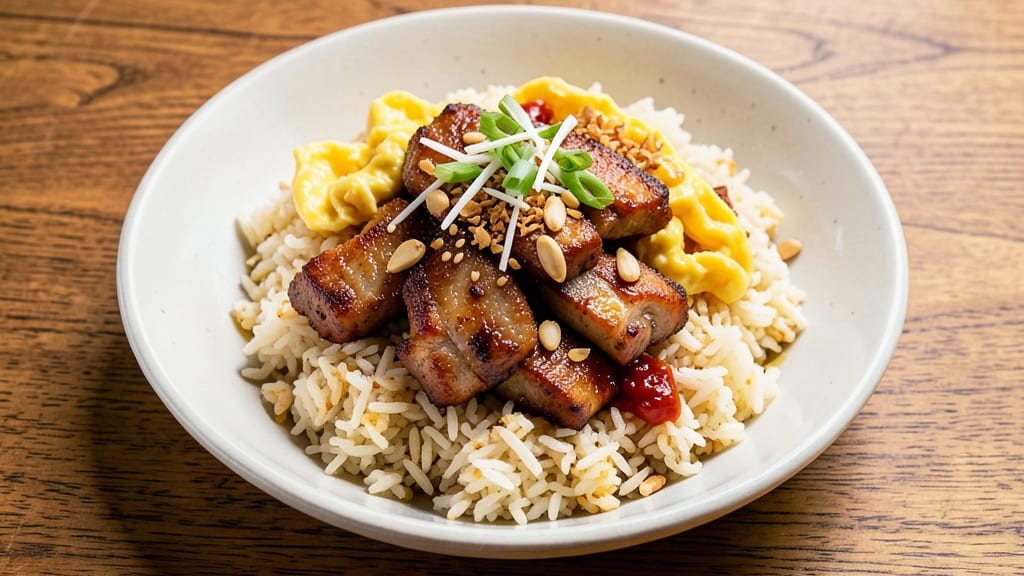
This chili fried rice recipe transforms simple ingredients into a restaurant-quality dish with bold flavors and satisfying textures. The perfect balance of smoky chili, tender eggs, and perfectly fried rice creates a meal that's both hearty and quick to prepare.
I've refined this recipe over years of testing, ensuring every bite delivers that ideal combination of heat, protein, and aromatic rice.
The secret lies in proper technique—high heat for crispy rice, precise seasoning, and the right protein-to-rice ratio. Using day-old rice prevents mushiness, while the chili paste adds depth that store-bought seasonings can't match.
This dish comes together in under 20 minutes, making it ideal for weeknight dinners without sacrificing flavor. Let's create a dish that's as impressive as it is delicious.
Ingredients for chili fried rice
Simple ingredients that pack restaurant-style smoky depth and protein-packed satisfaction.
| Ingredient | Amount | Notes |
|---|---|---|
| Day-Old Cooked White Rice 🍚 | 4 cups | Cold, broken into pieces |
| Large Eggs 🥚 | 4 whole | Freshly beaten, room temperature |
| Ground Pork 🐖 | ½ lb | 80% lean, finely chopped |
| Chili Paste 🌶️ | 1 tbsp | Thai or Chinese, for smoky depth |
| Garlic Cloves 🧄 | 4 cloves | Minced, fresh preferred |
| Scallions 🧅 | ¼ cup | Thinly sliced, white and green parts |
| Soy Sauce 🍶 | 2 tbsp | Light or dark, low-sodium preferred |
| Oyster Sauce 🍜 | 1 tbsp | For umami richness |
| Sesame Oil 🫒 | 1 tsp | Toasted, for aroma |
| Vegetable Oil 🫒 | 2 tbsp | High smoke point for frying |
| Salt 🧂 | ½ tsp | Adjust to taste |
| Black Pepper 🌶️ | ¼ tsp | Freshly ground |
| Green Onions 🧅 | 2 whole | Extra for garnish |
| Sesame Seeds 🌾 | 1 tsp | Toasted, for garnish |
The rice is non-negotiable—day-old works best for texture. Jasmine or long-grain white rice both work, but avoid basmati as it can get gummy. For the pork, ground pork gives the best flavor, but chicken or shrimp work in a pinch. Chili paste is where the magic happens—Maesri or Sriracha brands bring the heat. If you can't find chili paste, a mix of 1 tsp smoked paprika + 1/2 tsp cayenne gets you close. The eggs? Room temperature ensures they cook evenly without breaking.
No soy sauce? Coconut aminos work in a bind, though the flavor won’t be identical. Oyster sauce can be swapped for 1 tbsp hoisin + 1 tsp soy sauce, but you’ll lose that deep umami punch. Sesame oil is aromatic but optional—skip it if you’re sensitive to its strong flavor. For extra protein, add 1/2 cup frozen peas or corn at the end. The scallions can be subbed with regular onions, but they add a milder, cleaner bite. And if you’re watching calories, use 1/2 the oil—just know the rice won’t be quite as crispy.
This reheats beautifully—just add a splash of water and stir over medium heat. Keeps for 3-4 days in the fridge, 2 months frozen. For meal prep, portion into containers with a layer of oil on top to prevent drying. Garnish with extra scallions and sesame seeds right before serving—they add freshness and crunch. Leftovers taste even better the next day as the flavors meld. Double the batch and freeze half for lazy weeknights.
Why You'll Love This Recipe
- Fridge Cleanout Magic: I swear by this recipe for days when my fridge is full of day-old rice and a handful of pork left over from dinner. No fancy shopping—just what’s already there, transformed into something that tastes like a restaurant takeout special.
- Garlic-Chili Kick: That chili paste and minced garlic? They’re the stars. One spoonful turns bland rice into something smoky and spicy, while the eggs add a rich, custardy bite. It’s the kind of flavor that lingers—just enough to make you crave it again.
- Lunchbox Hero: Between us, this is my go-to for meal prep. Toss it in a container, and it’s lunch for three days straight. The rice stays separate, the pork stays juicy, and the chili flavor only gets better as it sits. (Yes, even on a Tuesday night.)
- Budget Stretch: Ground pork, eggs, and a jar of chili paste? This feeds four for under $10. I’ll be real: it’s the kind of meal that makes me feel like I’m feeding a crowd without breaking the bank—or my willpower to eat healthy.
Step-by-step instructions for chili fried rice
This method delivers restaurant-quality chili fried rice with perfectly balanced smoky heat and tender proteins.
Prepare the Egg and Pork Mixtures
In a medium bowl, whisk together the 4 whole large eggs until fully combined and frothy. Set aside. In another bowl, combine the 0.5 lb ground pork, 0.5 tsp salt, and 0.25 tsp black pepper. Mix just until the seasoning is evenly distributed - don't overwork the pork or it will become dense.
Break the 4 cups day-old cooked white rice into small, uneven pieces using your hands. This texture creates better surface area for the sauce to cling to. Spread the rice on a plate and set aside - it should be completely cold before cooking.
Cook the Pork and Eggs
Heat 1 tablespoon vegetable oil in a wok or large skillet over medium-high heat until shimmering. Add the seasoned pork and cook, stirring constantly, for 3-4 minutes until no longer pink and just beginning to brown. Remove pork and set aside.
In the same pan, add 1 tablespoon vegetable oil and swirl to coat. Pour in the beaten eggs and scramble quickly for 20-30 seconds until just set but still slightly moist. Remove eggs and set aside with the pork.
Build the Chili Sauce Base
With the pan still over medium-high heat, add the remaining 1 tablespoon vegetable oil. Stir in the 1 tablespoon chili paste and cook for 30 seconds until fragrant. Add the 4 cloves minced garlic and cook for another 15 seconds until golden but not burned.
Pour in the 2 tablespoons soy sauce and 1 tablespoon oyster sauce. Stir constantly for 1 minute until the sauce begins to bubble and slightly thicken. This creates the flavor foundation that will carry through the entire dish.
Combine and Finish
Add the cold rice to the pan and stir-fry for 2-3 minutes until the rice is heated through and begins to develop small crispy edges. Return the pork and eggs to the pan, then add the 0.25 cup sliced scallions and 1 teaspoon sesame oil. Toss everything together for 1-2 minutes until well combined and heated through.
Taste and adjust seasoning if needed - you may need a pinch more salt or a splash of water to loosen the sauce. The rice should be tender, the pork fully cooked, and the eggs just set. Garnish with sliced green onions and sesame seeds before serving immediately.
Pro Tips For Making Chili Fried Rice
- CRISP THE RICE FIRST: Break up those cold rice clumps with a quick stir-fry in the wok before adding anything else—high heat for 30 seconds until the grains look dry and separate. I used to skip this and ended up with gluey rice that turned into mush. This step guarantees texture, not soggy disappointment.
- SALT THE EGGS: Crack your eggs into a bowl, add a pinch of salt, and whisk like you mean it. The salt tightens the proteins so the eggs hold their shape when they hit the hot pan. I learned this the hard way when my scrambled eggs turned into a sad, stringy puddle mid-fry.
- STOP WHEN PORK LOOKS DONE: Cook the ground pork until it’s just past pink—no need to overbrown it into a dry, rubbery mess. Overcooking releases all the juices, and suddenly your fried rice tastes like it’s been through a desert. Pull it out when it’s still slightly moist, then toss it back in later.
- USE CHILI PASTE LAST: Stir in that spicy paste after everything else is cooked—just before serving. It’ll mingle with the steam and distribute heat evenly instead of burning on the bottom. I was skeptical until I tried it: the flavor’s brighter, and the rice doesn’t turn into a charred disaster.
Flavor customization for this dish
Spice Level Control
Adjust the heat to your preference by modifying the chili paste. For mild heat, use ½ tsp chili paste and add ½ tsp honey to balance. For medium heat, stick with the 1 tbsp chili paste in the recipe.
For spicy kick, increase to 1½ tbsp chili paste and add ¼ tsp cayenne pepper. I often keep extra chili paste on the table so guests can adjust their own servings. 🌶️
Protein Swaps
Replace ground pork with ½ lb shrimp for a seafood twist—toss shrimp in 1 tsp cornstarch before cooking to prevent curling. For vegetarian, swap pork for ½ cup firm tofu (pressed and cubed) or ½ cup mushrooms.
Chicken works too—use ½ lb ground chicken but reduce cooking time to 2 minutes to avoid drying. I’ve found chicken thighs add extra juiciness when diced small.
Vegetable Add-Ins
Boost nutrition with ½ cup frozen peas and carrots—they add sweetness and texture. For a Mediterranean twist, stir in ¼ cup diced bell peppers and 2 tbsp chopped kalamata olives at the end. Jalapeños (seeds removed) bring fresh heat, while corn kernels add natural sweetness.
I like adding 1 tbsp chopped cilantro at the end for brightness—just don’t overdo it, as it can overpower the dish.
Umami Boosters
Deepening the umami flavor is key. Add 1 tsp fish sauce (like Red Boat) for extra depth without overpowering. Dried shrimp (½ tsp, rehydrated) or mushroom powder (½ tsp) work wonders if you’re avoiding fish sauce.
A splash of Worcestershire sauce (1 tsp) also adds complexity. I often keep a small bowl of soy sauce on the table for guests to adjust—it’s the universal flavor enhancer.
Texture Variations
For extra crunch, stir in 2 tbsp crushed peanuts or 1 tbsp fried shallots at the end. Crispy fried onions (store-bought or homemade) add a sweet contrast.
If you prefer softer textures, reduce the oil slightly and cook the rice for 1 minute less to keep it more tender. I’ve also experimented with toasted sesame seeds (½ tsp) for nutty depth—just add them in the last 30 seconds of cooking.
Regional Twists
For a Thai-inspired version, add 1 tsp palm sugar and ½ tsp shrimp paste (like kapi).
A Korean-style take uses 1 tbsp gochujang instead of chili paste and 1 tsp rice vinegar for tang. Japanese-style chili fried rice swaps soy sauce for mirin (1 tbsp) and adds ½ tsp grated ginger. Each variation keeps the core technique but shifts the flavor profile dramatically. 🗺️
Nutrition facts
Frequently asked questions
Why does my chili fried rice turn out mushy?
Using fresh rice is the #1 mistake—it releases too much moisture when cooked. Always use day-old, cold rice broken into pieces for better texture. Also, avoid overcrowding the pan and cook over medium-high heat to get those crispy edges. If it's still mushy, stir in 1 tsp cornstarch mixed with water to thicken the sauce.
Can I make this vegetarian?
Swap the pork for ½ cup firm tofu (pressed and cubed) or ½ cup mushrooms for meaty texture. For extra protein, add ½ cup chickpeas or 1 cup frozen peas. The chili paste and soy sauce will still give that satisfying umami kick without any animal products.
How do I adjust the spice level?
Start with the 1 tbsp chili paste for medium heat. For mild, reduce to ½ tsp and add ½ tsp honey to balance. For extra heat, increase to 1½ tbsp chili paste plus ¼ tsp cayenne. Pro tip: Keep extra chili paste on the table so everyone can adjust their own servings.
What's the best way to reheat leftovers?
Reheat in a skillet over medium heat with 1 tsp oil and a splash of water to prevent drying. Stir constantly for 2-3 minutes until hot through. Microwaving works but can make the rice gummy—always add a damp paper towel to soften the texture. Leftovers actually taste better the next day as flavors meld!
Can I make this in a regular skillet?
Yes, but a wok or large skillet works best for even cooking. If using a small skillet, cook in two batches to avoid overcrowding. The key is high heat—if your pan isn't wide enough, reduce the oil slightly and cook the rice in 30-second intervals**, stirring constantly. A cast-iron skillet holds heat well for crispy results.