
Side Dishes
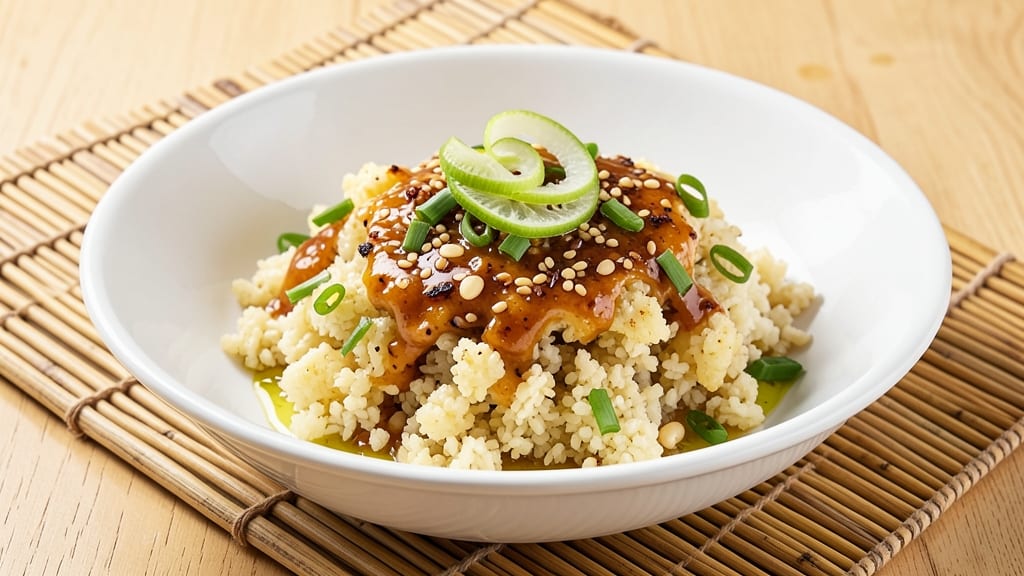
This Chinese cauliflower rice recipe transforms humble riced cauliflower into a wok-tossed masterpiece with five-spice zing and authentic stir-fry technique. The secret lies in high-heat wok tossing that creates crisp-tender florets while preserving their natural texture—no soggy rice here.
I developed this after perfecting the balance between smoky aromatics and bright, fresh flavors that make it a standout vegetarian side.
What sets this dish apart is the three-stage cooking method: first searing the cauliflower for texture, then building layers of flavor with garlic, ginger, and scallions, and finishing with a quick toss in sesame oil for that signature restaurant aroma. The result?
A dish that's crisp on the edges, fragrant throughout, and packed with umami depth that pairs perfectly with grilled meats or tofu mains. Ready in just 15 minutes, it's the ideal solution for low-carb meals that don't skimp on flavor.
Ingredients for chinese cauliflower rice
Transform riced cauliflower into a restaurant-worthy stir-fry with these aromatic, umami-rich ingredients.
| Ingredient | Amount | Notes |
|---|---|---|
| Fresh Cauliflower 🥬 | 1 ½ lb | Riced or finely chopped florets |
| Extra-Virgin Olive Oil 🫒 | 2 tbsp | High smoke point preferred |
| Sesame Oil 🫒 | 1 tbsp | Toasted for authentic aroma |
| Garlic Cloves 🧄 | 4 cloves | Minced, fresh preferred |
| Fresh Ginger 🌿 | 1 tbsp | Grated, peeled root |
| Scallions 🧅 | 3 whole | Thinly sliced, white and green parts |
| Five-Spice Powder 🌶️ | 1 tsp | Authentic blend for depth |
| Soy Sauce 🥢 | 2 tbsp | Light or dark, unsweetened |
| Sesame Seeds 🌰 | 1 tbsp | Toasted, for garnish |
| Lime Juice 🍋 | 1 tbsp | Freshly squeezed |
| Red Chili Flakes 🌶️ | ½ tsp | Adjust for heat preference |
| Kosher Salt 🧂 | ½ tsp | Diamond Crystal preferred |
| Black Pepper 🌶️ | ¼ tsp | Freshly ground |
The cauliflower is the star—freshness matters most. Look for heads with tight florets and vibrant green color, avoiding any with yellowing or soft spots. Trader Joe's and Whole Foods carry excellent organic options, but standard grocery store cauliflower works fine. For riced cauliflower, use a food processor with the grating attachment or pulse until finely chopped. The five-spice powder should be authentic—Penzeys or Burlap & Barrel carry reliable blends. Toast it lightly in your wok before adding other aromatics to deepen its flavor profile.
No sesame oil? Toasted peanut oil works in a pinch, though the flavor will differ slightly. Substitute fresh ginger with 1/2 tsp ground ginger, but the texture won't be identical. For scallions, green onions or shallots both work, though scallions provide the brightest flavor. The soy sauce can be swapped for coconut aminos if you're avoiding soy. Chili flakes can be omitted entirely for a milder dish, or swap for Sichuan peppercorns (toasted and ground) for a numbing effect. Always taste as you go—this dish thrives on balance between smoky, sweet, and spicy notes.
Store prepped cauliflower florets in an airtight container with a paper towel to absorb moisture for up to 3 days in the fridge. The five-spice powder and sesame seeds keep indefinitely in a cool, dark place. For best texture, cook the cauliflower just before serving—it loses crispness when reheated. This dish reheats beautifully in a dry skillet over medium heat for 2-3 minutes. Portion into containers with a drizzle of sesame oil to maintain that signature aroma when stored for 3 days in the fridge.
Why You'll Love This Recipe
- Five-Ingredient Magic: I swear by this recipe when I’m staring at a sad fridge. Fresh cauliflower, a splash of olive oil, sesame oil, garlic, and ginger—that’s it. No fancy prep, no hidden ingredients, just pure, satisfying flavor.
- Crispy-Garlicky Bliss: That first bite? The toasted cauliflower has this perfect crunch, while the garlic and ginger sizzle in the sesame oil like a little flavor party. Honestly, it’s the kind of dish that makes you pause mid-bite just to savor it.
- Leftover Hero: This recipe actually improves the next day. Reheat it with a quick stir-fry or toss it cold into a grain bowl—it’s my go-to for lazy lunches. Between us, I’ve eaten this for breakfast, lunch, and dinner without getting tired of it.
- Budget Meal Prep: A whole head of cauliflower runs me $3, and it stretches across three meals for my family. Add whatever protein you’re using (I love shrimp or tofu), and suddenly you’ve got a week’s worth of dinners covered without breaking the bank.
Step-by-step instructions for wok-tossed cauliflower rice
Master this technique for perfectly crisp cauliflower with aromatic depth and balanced textures.
Prepare and Prep the Cauliflower Base
Begin by ricing the 1.5 lb fresh cauliflower using a food processor fitted with the grating blade or a box grater. I prefer the food processor method for consistent, rice-like pieces. Spread the riced cauliflower on a clean kitchen towel and gently squeeze out any excess moisture—this prevents a soggy texture later. The cauliflower should be dry but not completely desiccated.
Transfer the prepared cauliflower to a bowl and set aside. This is where texture control begins—proper moisture removal ensures crisp edges when wok-tossed. For best results, let the cauliflower sit uncovered for 10 minutes while you prepare the aromatics, allowing any remaining surface moisture to evaporate.
Toast the Aromatics and Build the Flavor Base
Heat a 14-inch wok or large skillet over high heat until smoking slightly. Add 2 tbsp extra-virgin olive oil and swirl to coat the surface. Immediately add the 4 cloves minced garlic cloves and 1 tbsp grated fresh ginger, stirring constantly for 30 seconds until fragrant but not browned—garlic burns quickly at this stage.
Add the 1 tsp five-spice powder and stir for an additional 20 seconds, allowing the spices to bloom and release their complex aromas. This step develops the signature depth of flavor that distinguishes this dish from basic cauliflower rice preparations. The spices should coat the garlic and ginger evenly, creating a fragrant paste at the bottom of the wok.
Wok-Toss for Perfect Crisp-Tender Texture
Add the prepared cauliflower rice to the wok in a single layer. Stir-fry vigorously for 3-4 minutes using a wide spatula, working quickly to prevent sticking. The cauliflower should develop golden brown spots while maintaining a slightly crisp texture—this is your visual cue for proper doneness. If the cauliflower appears too moist, increase the heat slightly and continue tossing.
After 3 minutes, add 1 tbsp toasted sesame oil and 2 tbsp soy sauce, tossing continuously for another 1-2 minutes until the cauliflower is evenly coated and the edges begin to crisp. The soy sauce should caramelize slightly, adding another layer of umami depth to the dish. Remove from heat and transfer to a serving bowl.
Finish with Fresh Aromatics and Garnish
Return the wok to medium heat and add 3 whole scallions, sliced thinly. Sauté for 30 seconds until softened but still vibrant. Pour in 1 tbsp lime juice and 0.5 tsp red chili flakes, stirring to combine. The lime brightens the dish while the chili flakes add subtle heat—this balance is essential for authentic flavor.
Toss the finished cauliflower rice with the scallion-lime mixture, then sprinkle generously with 1 tbsp toasted sesame seeds and the remaining 0.5 tsp kosher salt and 0.25 tsp black pepper. The sesame seeds add crunch and visual contrast, while the final seasoning ensures perfect balance. Serve immediately while the cauliflower maintains its crisp texture and the aromatics are at their peak.
Pro Tips For Making Chinese Cauliflower Rice
- STIR-FRY IN BATCHES: Cauliflower rice burns faster than you’d expect. Split your pan into two batches—overcrowding steams it instead of crisping. I learned this the hard way when my first attempt turned into sad, limp florets. Use a wok or large skillet, and don’t rush it.
- GRATE GINGER FINE: Skip the mincer—use a microplane or the smallest holes on a box grater. Fresh ginger loses its punch when chopped, and this recipe needs it sharp. Toss it in last, just as the cauliflower hits the pan, so it doesn’t turn to mush.
- SALT THE CAULIFLOWER: Toss the raw florets with a pinch of salt before cooking. It draws out moisture, so they crisp up instead of sticking. I was skeptical until I tried it—now I can’t imagine skipping this step.
- USE SESAME OIL LAST: Add the sesame oil in the final 30 seconds, right before serving. Too much heat destroys its nutty flavor, and you’ll end up with a dish that tastes like a chemistry experiment. A teaspoon at the end makes all the difference.
Make-ahead tips for this chinese cauliflower rice
Prep Ahead for Crispy Results
Rice your cauliflower up to 24 hours ahead and store it in an airtight container with a paper towel to absorb moisture. This prevents soggy texture later. I like to prep everything except the final toss—meaning I'll have the cauliflower, aromatics, and sauce components ready to go when I'm ready to cook. Just
Stovetop Reheating Secrets
If you need to reheat, use a dry nonstick skillet over medium-high heat for just 2-3 minutes. Add a splash of water or a few drops of sesame oil to maintain moisture without sacrificing crispness. I avoid microwaving because it turns the cauliflower rubbery—this method keeps it closer to fresh. Taste and adjust seasoning after reheating since flavors concentrate during storage.
Freezer-Friendly Technique
For longer storage, spread cooked cauliflower rice on a baking sheet and freeze until solid. Then transfer to a freezer bag with parchment paper between layers to prevent sticking. Thaw overnight in the fridge before reheating.
The texture won't be identical to fresh, but it's still delicious. I recommend freezing only the cooked portion without the fresh garnishes—add those fresh after reheating for maximum brightness. ❄️
Batch Prep for Meal Prep
Double the recipe and store in individual containers with a drizzle of sesame oil on top. This preserves the aroma and prevents drying. I portion mine into quart-sized containers with a small compartment for sauce on the side.
When reheating, add the sauce directly to the skillet with the cauliflower to maintain flavor balance. Label containers with the date—best quality within 3 days of cooking.
Garnish Strategy for Make-Ahead
Save fresh garnishes (scallions, sesame seeds, lime juice) for serving day. These components add vibrant color and freshness that's impossible to replicate after storage. I keep them in a small container on top of the main dish in the fridge.
When ready to serve, simply toss with the reheated cauliflower and a quick squeeze of lime. This two-minute step transforms the dish from reheated to restaurant-quality. 🌿
Time-Saving Shortcuts
Use pre-riced cauliflower from the store to save 10 minutes of prep time. Just be sure to rinse and dry it thoroughly before cooking. I like Trader Joe's pre-riced cauliflower for convenience—it's pre-washed and ready to use.
For even faster prep, toast your five-spice powder and sesame seeds ahead of time and store in a small jar. This way, you can assemble the dish in under 10 minutes when you're short on time. 💪
Nutrition facts
Frequently asked questions
Can I use frozen cauliflower rice for this recipe?
While fresh cauliflower gives the best texture, you can use frozen riced cauliflower in a pinch. Just thaw it completely first, then squeeze out all excess moisture with a clean kitchen towel. The texture will be slightly softer but still delicious when cooked properly. For extra crispiness, add 1 minute more to the wok-tossing time.
What's the secret to getting crispy cauliflower rice?
Three key factors: dry cauliflower, high heat, and proper prep. Always pat the riced cauliflower completely dry before cooking, and work over high heat in a well-heated wok. The three-stage cooking method (sear, aromatics, finish) creates that signature restaurant-style crispiness. Don't overcrowd the wok!
How do I make this recipe spicier?
For extra heat, add 1 tsp chopped fresh chili or 1/2 tsp Sichuan peppercorns (toasted and ground) along with the garlic and ginger. You can also increase the red chili flakes to 1 tsp or add a dash of chili crisp at the end. For a smoky kick, swap some sesame oil for 1 tsp chili oil in the final toss.
Can I make this dish gluten-free?
Yes! Simply replace the soy sauce with 2 tbsp tamari or coconut aminos. Both provide the same umami depth without gluten. For extra flavor, add 1/2 tsp gluten-free fish sauce (optional) to the final toss. All other ingredients are naturally gluten-free, so the dish remains safe for gluten-sensitive diets.
What's the best way to store leftovers?
Store in an airtight container for up to 3 days in the fridge. For best texture, reheat in a dry skillet over medium-high heat for just 2-3 minutes—never microwave. To maintain freshness, keep any fresh garnishes (scallions, sesame seeds) separate and add them fresh when serving.