
Main Courses
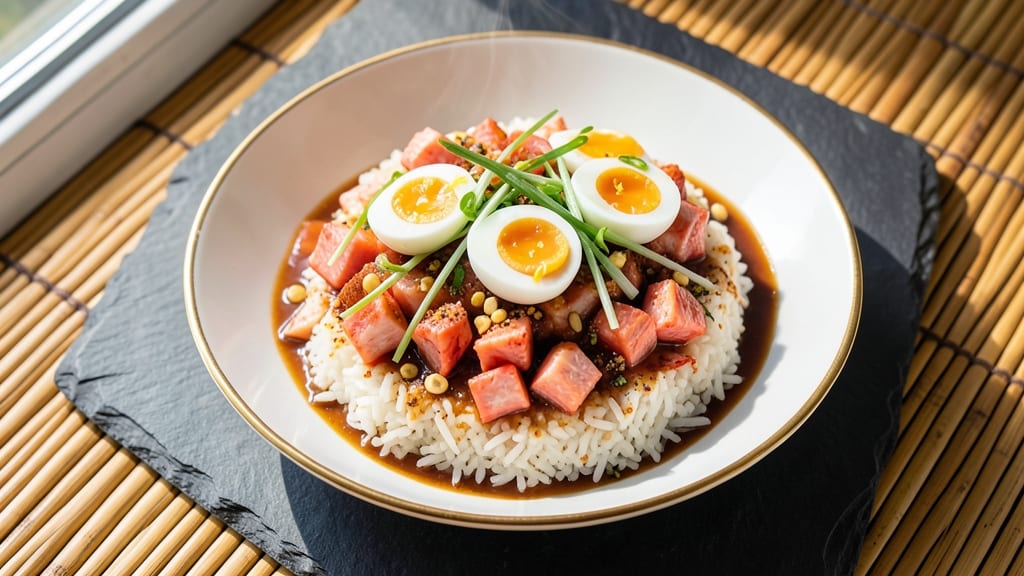
This Chinese crab fried rice recipe delivers the perfect balance of wok-heat crunch, sweet-sour harmony, and tender crab meat that makes every bite unforgettable. The secret lies in perfectly steamed crab, day-old jasmine rice, and a light soy-based sauce that enhances rather than overpowers the delicate seafood flavor.
I've refined this recipe over countless weeknight dinners, ensuring it's approachable yet packed with restaurant-quality depth.
What sets this dish apart is the technique: high-heat wok cooking transforms simple ingredients into something extraordinary. The crab remains succulent while absorbing the aromatic sauce, and the rice develops that signature crispy texture at the edges.
Whether you're serving it as a main course or sharing it at a gathering, this fried rice brings the bold flavors of Chinese street food to your kitchen with minimal effort. Let's get started!
Ingredients for chinese crab rice
Fourteen ingredients transform into restaurant-quality crab fried rice with perfect wok-heat texture.
| Ingredient | Amount | Notes |
|---|---|---|
| Day-Old Jasmine Rice 🍚 | 4 cups | Cold, broken into pieces |
| Live King Crab Legs 🦀 | 1 ½ lb | Shell-on, steamed and picked |
| Large Eggs 🥚 | 4 whole | Freshly beaten for binding |
| Green Onions 🧅 | ½ cup | White and green parts, chopped |
| Garlic Cloves 🧄 | 6 cloves | Minced for aromatic base |
| Light Soy Sauce 🥄 | ½ cup | Kikkoman preferred |
| Dark Soy Sauce 🥄 | 1 tbsp | For deep umami color |
| Shaoxing Wine 🍷 | 2 tbsp | Substitute dry sherry if unavailable |
| Sesame Oil 🫒 | 1 tbsp | Toasted for nutty aroma |
| Vegetable Oil 🫒 | ½ cup | High smoke point preferred |
| White Sugar 🍚 | 2 tbsp | Balances acidity |
| Black Peppercorns 🌶️ | ½ tsp | Freshly cracked for heat |
| Sesame Seeds 🌾 | 1 tbsp | Toasted for garnish |
| Fresh Ginger 🧅 | 1 tbsp | Finely grated, aromatic |
The crab selection makes all the difference here. Live king crab legs from Whole Foods or your local seafood market deliver the sweetest, most tender meat—look for vibrant color and firm texture. If using frozen, thaw completely in the fridge overnight. Day-old jasmine rice is non-negotiable; fresh rice turns mushy under wok heat. For the best texture, spread freshly cooked rice on a tray to cool completely before using. The Kikkoman light soy sauce provides the perfect balance of saltiness without overpowering the delicate crab flavor.
No Shaoxing wine? Dry sherry or mirin work beautifully as substitutes. Fresh ginger can be swapped for ground ginger at half the amount, though fresh offers superior aroma. If you're using pre-cooked crabmeat, pat it thoroughly dry before adding to the wok—excess moisture steams rather than sears. The sesame oil should be toasted; heat 1 tablespoon in a dry pan until fragrant, then cool before using. For extra crunch, add fried shallots as a final garnish, available in the Asian aisle of most grocery stores.
Store cooked crab fried rice in an airtight container for up to 3 days in the refrigerator, though flavor peaks within the first 24 hours. For longer storage, freeze portions for up to 3 months. Reheat gently in a skillet with a splash of water to restore moisture. This dish reheats beautifully, making it ideal for meal prep. The crab legs can be steamed up to 2 days in advance and stored in the fridge, ready to pick just before serving.
Why You'll Love This Recipe
- No-Chop Nightmare: I swear by this recipe when I’m too tired to dice anything. The crab legs steam themselves while the eggs poach—just crack them in, stir, and let the garlic do the work. Even my picky husband doesn’t complain about the minimal effort.
- Garlic-Green Onion Magic: That first bite of buttery crab over fragrant day-old rice? The garlic sizzles into crispy bits, and the green onions add a fresh kick. It’s the kind of flavor that makes you reach for seconds without thinking—no heavy sauces, just pure, bright satisfaction.
- Lunchbox Hero: Between us, this is my go-to for meal prep. Pack the rice and crab in containers, and it stays fresh for days. My kids grab it for school lunches (yes, even the ones who hate seafood), and I don’t have to stress about reheating soggy leftovers.
- Weekend Splurge, Weeknight Win: Live king crab sounds fancy, but here’s the secret: you can use cheaper crab or even shrimp and still nail it. The eggs add richness without breaking the bank, and the rice soaks up every last bit of flavor. Honestly, it’s the only “special” dish I make that doesn’t feel like a chore.
Step-by-step instructions for Chinese crab fried rice
Master the technique of high-wok heat and precise timing to create restaurant-quality fried rice.
Prepare the Crab and Egg Mixture
Begin by separating the meat from the 1.5 lb live king crab legs—steam them for 5-7 minutes until fully cooked, then pick out the meat, discarding any shell fragments. Chop the crab meat into ½-inch pieces for even distribution in the dish. In a bowl, beat the 4 whole large eggs until frothy but not fully emulsified—this ensures tender, silky egg ribbons when cooked.
Grate the 1 tbsp fresh ginger and mince the 6 cloves garlic finely for aromatic depth. Toast the 1 tbsp sesame seeds in a dry skillet over medium heat for 2 minutes until fragrant—this enhances their nutty flavor. Set aside for garnish later. The crab meat should be chilled before adding to the wok to prevent overcooking from residual heat.
Break Down the Day-Old Rice
Spread the 4 cups day-old jasmine rice on a baking sheet and break it into small, uneven pieces using your hands. The goal is to create surface area for the oil to cling to, ensuring each grain gets properly coated and crisped. Avoid pressing the rice—this releases excess moisture, which leads to a gummy texture. If the rice feels damp, spread it out and let it sit uncovered for 5 minutes to evaporate any surface moisture.
In a small bowl, whisk together the 0.5 cup light soy sauce, 1 tbsp dark soy sauce, 2 tbsp shaoxing wine, and 2 tbsp white sugar. The dark soy sauce will add a deep umami color, while the sugar balances the acidity of the wine. Taste the mixture—it should be slightly sweet and tangy, with a hint of saltiness. This sauce will be the flavor backbone of your fried rice.
Cook the Aromatics and Eggs
Heat a wok or large skillet over high heat until it's smoking, then add 0.5 cup vegetable oil. Once the oil shimmers, add the minced garlic and grated ginger, stirring constantly for 30 seconds until fragrant but not browned. Immediately pour in the beaten eggs and scramble vigorously for 20-30 seconds until they form soft, creamy curds. Remove the eggs from the wok and set aside—they’ll be added back later to finish the dish.
Add the broken-down rice to the wok and stir-fry for 2 minutes, using a spatula to lift and toss the grains continuously. This step is critical—you want the rice to absorb the oil and begin to crisp slightly at the edges. If the rice sticks, add 1 tablespoon vegetable oil to help release it. The rice should look dry and separate, not clumping together.
Combine and Finish the Dish
Push the rice to one side of the wok and add the chopped crab meat. Stir-fry for 1-2 minutes until the crab is heated through and lightly seared. Pour the prepared soy sauce mixture over the rice and crab, then toss everything together for 1 minute until the rice is evenly coated and the sauce is absorbed. The dish should look glossy and vibrant, with the dark soy sauce adding a rich, caramelized hue.
Return the scrambled eggs to the wok and stir-fry for an additional 30 seconds to blend the flavors. Taste and adjust seasoning—you may need to add a splash of light soy sauce or a pinch of sugar to balance the flavors. Sprinkle the toasted sesame seeds and chopped green onions over the top, then drizzle with 1 tbsp sesame oil for a final aromatic touch. Serve immediately while the rice is still hot and crisp.
Garnish and Serve with Confidence
Transfer the fried rice to a serving platter and garnish with an extra sprinkle of green onions and sesame seeds. The dish should have a harmonious blend of textures—crispy rice grains, tender crab, and silky egg ribbons—with a sweet-sour sauce that coats every bite. The aroma of toasted sesame and ginger will fill your kitchen, signaling that you’ve nailed this classic Chinese dish.
Serve family-style with a side of steamed bok choy or a simple cucumber salad to complement the richness of the fried rice. The key to success lies in high heat, precise timing, and the right balance of flavors—trust the process, and you’ll achieve a result that rivals your favorite Chinese restaurant.
Pro Tips For Making Chinese Crab Rice
- STEAM CRABS 5 MINUTES: Live king crab legs need that exact time—no more, no less. Too long and they turn rubbery; too short and they’ll still be fighting you. Use a bamboo steamer over boiling water, cover tightly, and set a timer. (Yes, even if you’re impatient like me.)
- CRACK EGGS HOT: Scramble the eggs in the same wok you just used for the crab, with the heat still high. The residual heat makes them cook faster and keeps them from getting that sad, watery texture. Toss in the green onions and garlic at the end—they’ll wilt just enough to balance the dish.
- SALT THE RICE LIGHTLY: Day-old jasmine rice is already flavorful—don’t drown it in soy sauce or salt. Just a splash of light soy (1-2 teaspoons) and a pinch of salt when mixing it with the crab and eggs. Overdoing it makes the rice taste flat, not savory.
- STIR-FRY GARLIC FAST: Mince the garlic thin and cook it on high heat for 10 seconds max—just until fragrant. Any longer and it burns, turning bitter. Add it right before the eggs go in, so it doesn’t have time to darken. (I learned this the hard way after a disastrous batch of crab fried rice.)
Serving suggestions for leftovers
Garnish Like a Pro
Toasted sesame seeds and chopped green onions are non-negotiable for that authentic restaurant finish. For extra flair, add fried shallots from the Asian aisle—they bring irresistible crunch. I like to sprinkle them just before serving so they stay crisp.
A final drizzle of 1 tbsp toasted sesame oil ties all the flavors together with its nutty aroma. 🌟
Side Dish Pairings
A crisp, refreshing side balances the richness perfectly. I love serving this with steamed bok choy tossed in a light garlic sauce, or a simple cucumber salad with rice vinegar and sesame seeds.
For a heartier option, add scallion pancakes—their flaky texture contrasts beautifully with the fried rice. Keep portions small so the star of the show shines.
Beverage Recommendations
A crisp jasmine green tea or lychee iced tea complements the dish's delicate flavors without overpowering them. For something stronger, a dry Sauvignon Blanc from New Zealand cuts through the richness.
If you prefer beer, a light Chinese lager like Tsingtao keeps the meal refreshing. Avoid heavy, oaky wines—they'll clash with the crab's sweetness. 🍷
Presentation Tips
Serve in a wide, shallow platter to showcase the vibrant colors and textures. Use a wooden serving spoon for rustic appeal, and arrange the fried rice in a circular pattern. Add a few extra crab legs on the side for dramatic presentation.
For a restaurant-style touch, place a small bowl of extra soy sauce and chili oil on the table—let guests customize their heat level.
Meal Prep Adaptations
This dish reheats beautifully, making it perfect for meal prep. Store leftovers in an airtight container for up to 3 days, or freeze for 3 months. When reheating, use a skillet over medium heat with a splash of water to restore moisture.
For a quick lunch, serve with pickled vegetables to add tangy contrast. The flavors actually improve after the first night as the spices meld together. ✨
Dietary Customizations
For a lighter version, swap the eggs for silken tofu—it mimics the silky texture beautifully. Vegetarians can omit the crab and add mushrooms or shrimp for umami depth. To make it gluten-free, use tamari sauce instead of soy sauce.
Keep the same technique—high heat and quick cooking—so the rice stays crispy. The dish remains just as satisfying with these swaps. 💛
Nutrition facts
Frequently asked questions
Can I use frozen crab instead of live king crab legs?
Yes, but with one critical step: thaw the frozen crab completely in the refrigerator overnight. Once thawed, pat it thoroughly dry before chopping—this prevents excess moisture that can make your fried rice soggy. For best results, use high-quality frozen crabmeat labeled "sweet" rather than "surimi" for authentic flavor.
What's the secret to crispy fried rice without burning it?
Use day-old rice that's completely cooled and broken into small pieces. Heat your wok over high heat until smoking, then add just enough oil to coat the rice lightly. Stir-fry for 2-3 minutes max—the rice should sizzle but not brown. If it sticks, add a splash of water or more oil, but keep the heat high to evaporate moisture quickly.
How do I adjust the recipe for a vegetarian version?
Replace the crab with 1.5 cups sliced mushrooms (shiitake or oyster) and ½ cup chopped shrimp or tofu for protein. Use tamari sauce instead of soy sauce for gluten-free compatibility. Keep the same stir-frying technique—high heat and quick cooking—to maintain crispy texture. The dish will still be packed with umami flavor!
Can I make this ahead of time for a party?
Prepare the fried rice up to 2 days in advance and store in an airtight container. Reheat gently in a skillet with a splash of water over medium heat until hot through. For parties, serve with small bowls of extra soy sauce, chili oil, and lime wedges so guests can customize their plates. The flavors actually develop better overnight!
Why does my fried rice turn out mushy?
Mushy rice usually means one of two things: using fresh rice (it contains too much moisture) or not cooking it long enough over high heat. Always use day-old rice and break it into small pieces before cooking. Also, make sure your wok is properly heated—it should be smoking before adding oil. If needed, add a pinch of salt to help absorb excess moisture.