
Main Courses
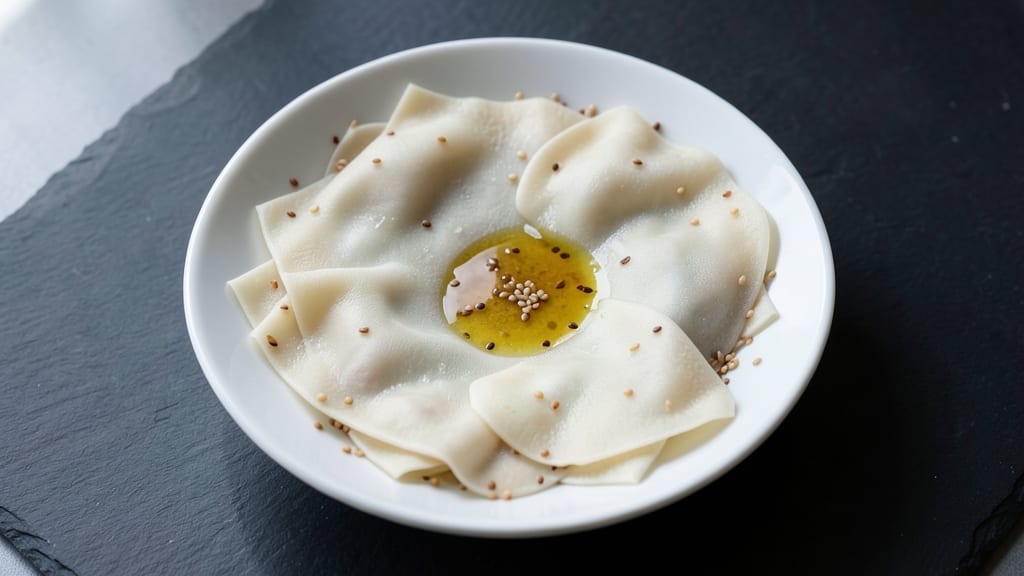
This Chinese dumpling dough recipe delivers the perfect chewy, elastic wrappers for potstickers—using rice flour for authentic texture and flexibility. The key lies in precise hydration and gentle handling, transforming simple ingredients into pliable dough that holds its shape during frying.
My version balances traditional techniques with modern convenience, ensuring even beginners can achieve restaurant-quality results.
What sets this recipe apart is the rice flour's ability to create dumpling skins that are tender yet resilient, ideal for pan-frying or boiling. The dough develops natural elasticity when rested, allowing for delicate pleats and secure seals without tearing.
Once shaped, these wrappers crisp beautifully on the edges while maintaining a soft, pillowy interior—exactly what makes potstickers irresistible.
Ingredients for chinese dumpling dough recipe rice flour
Rice flour takes center stage in these delicate dumpling wrappers—pairing it with all-purpose flour creates the perfect balance for chewy yet pliable skins.
| Ingredient | Amount | Notes |
|---|---|---|
| Rice Flour 🌾 | 2 cups | Fine grind for smooth texture |
| All-Purpose Flour 🌾 | 1 cup | For structural support |
| Kosher Salt 🧂 | ½ tsp | Diamond Crystal preferred |
| Cold Water 💧 | ¾ cup | Chilled for proper hydration |
| Vegetable Oil 🫒 | 1 tbsp | For dough elasticity |
| Sesame Oil 🫒 | ½ tsp | Optional for subtle flavor |
| Cornstarch 🌾 | 1 tbsp | Prevents sticking during rolling |
| Baking Powder 🍞 | ¼ tsp | For slight lift in texture |
| Garlic Powder 🧄 | ¼ tsp | Enhances authentic flavor |
| Ground White Pepper 🌶️ | ¼ tsp | Subtle seasoning without color |
| Plastic Wrap 📄 | 1 sheet | For proper dough resting |
The rice flour is non-negotiable here—Bob's Red Mill or King Arthur brands yield the finest texture. For all-purpose flour, King Arthur or Gold Medal work best due to their protein balance. Sesame oil adds subtle depth, but omit if you prefer neutral flavor. The vegetable oil is crucial for elasticity—avocado or grapeseed oil work equally well. Always measure flours by scooping and leveling for consistent hydration. Resting the dough between mixes is essential for developing gluten strands that prevent tearing during shaping.
No rice flour? Tapioca starch at half the amount mimics elasticity, though texture will differ slightly. Swap sesame oil for neutral oil if unavailable. For a gluten-free version, replace all-purpose flour with a 1:1 gluten-free blend and add an extra 0.5 tsp xanthan gum. The cornstarch can be omitted if you roll the dough immediately, but it prevents sticking when resting. For extra flavor, add 1 tsp minced ginger or 0.5 tsp five-spice powder—just note these will slightly alter the dough's neutral profile. Store-bought rice flour often contains anti-caking agents; sift before measuring for smoother dough.
Wrap rested dough tightly in plastic and refrigerate for up to 3 days, or freeze portions for 3 months between parchment sheets. Thaw overnight in the fridge before use. For best results, bring dough to room temperature before rolling—5-10 minutes at room temp prevents cracking. Dust your rolling surface with cornstarch, not flour, to maintain the delicate texture. These wrappers are ideal for potstickers, dumplings, or even spring rolls—just adjust thickness based on filling weight.
Why You'll Love This Recipe
- No-Fuss Dough: I swear by this mix—just toss rice flour, all-purpose, and a pinch of salt, then add ice water while kneading. No standing over a mixer, no waiting for dough to rest. Honestly, the cold water trick keeps it from sticking to my hands, and I can have wrappers ready faster than takeout arrives.
- Chewy Yet Crisp: That rice flour blend? It’s the secret. The dumplings get this perfect balance—chewy inside, crisp at the edges when pan-fried. I’ll be real: my kids used to complain about "dry dumplings," but now they fight over the last bite. The oil just melts into the dough without overpowering it.
- Meal Prep Hero: Between us, this dough lasts ages in the fridge. I make a big batch on Sundays, then fill with whatever’s on hand—shredded pork, pickled veggies, or even leftover stir-fry. Freezes like a dream too, so I’m never scrambling for a quick snack or last-minute appetizer.
- Budget Magic: Rice flour’s cheaper than pre-made wrappers, and I use way less than store-bought dough. A single bag stretches for dozens of dumplings—no wasted scraps. Plus, the salt and oil are pantry staples, so I’m not breaking the bank for fancy ingredients. My wallet and my taste buds win.
Step-by-step instructions for Chinese dumpling dough
This method delivers authentic, elastic wrappers with perfect chewiness for potstickers.
Combine Dry Ingredients for Optimal Texture
In a large mixing bowl, whisk together the 2 cups rice flour and 1 cup all-purpose flour until evenly distributed. This creates a uniform base for your dumpling wrappers. Add the 0.5 tsp kosher salt, 0.25 tsp baking powder, 0.25 tsp garlic powder, and 0.25 tsp ground white pepper, then mix again until all dry ingredients are fully incorporated.
The rice flour gives that signature chewy texture, while the all-purpose flour provides structural integrity. Don't skip the whisking—this ensures no dry spots remain, which could create uneven dough. Add the 1 tbsp cornstarch last, mixing gently to maintain its fine texture. This prevents sticking during rolling and improves elasticity.
Incorporate Fats and Hydrate Gradually
Create a well in the center of the dry mixture and add the 1 tbsp vegetable oil, 0.5 tsp sesame oil, and 0.75 cup cold water. Using a fork, gently draw the dry ingredients into the wet, mixing just until a shaggy dough forms. Avoid overmixing at this stage—you want to preserve gluten development for proper elasticity.
The cold water is crucial here—it hydrates the flours slowly, preventing a gummy texture. The oils create that signature smooth, pliable consistency. If the dough feels too dry, add 1 teaspoon cold water at a time until it comes together. It should hold when pressed but still feel slightly tacky—this is ideal for rolling.
Knead for Uniform Elasticity
Turn the dough onto a clean, lightly floured surface and knead for 5-7 minutes until smooth and elastic. Use the heel of your hand to press down and fold, rotating the dough with each press. This develops gluten evenly, giving your wrappers that perfect chewy bite without toughness.
Here's the thing—don't rush this step. You'll know it's ready when the dough springs back slowly when poked and feels uniformly smooth. If it sticks to your hands, add just enough flour to coat your palms, not the dough itself. Wrap the kneaded dough in the 1 sheet plastic wrap and rest at room temperature for 30 minutes. This relaxation period prevents cracking when rolling.
Divide and Rest for Perfect Wrappers
After resting, divide the dough into 4 equal portions (about 4 ounces each). Roll each portion into a log about 12 inches long, then wrap each log tightly in plastic wrap. Place them in a sealed container or zip-top bag and refrigerate for at least 2 hours, or up to 48 hours. This extended rest period enhances elasticity and prevents cracking during rolling.
The cold environment firms up the gluten structure, making it easier to roll thin wrappers. Don't skip this step—it's what transforms good dough into exceptional dumpling wrappers. When ready to use, remove one log at a time and let it sit at room temperature for 10 minutes before rolling to prevent sticking.
Pro Tips For Making Chinese Dumpling Dough Recipe Rice Flour
- CHILL THE WATER: Rice flour dough gets gummy fast when warm water sneaks in. Use ice-cold water straight from the fridge—no waiting, just pour. I learned this the hard way after kneading a sticky mess that refused to hold shape.
- SIFT THE FLOURS: Combine rice flour and all-purpose flour in a bowl, then sift them together. This cuts out lumps and ensures even hydration, so your dough doesn’t turn out patchy or tough. (Yes, it’s extra work, but your dumplings will thank you.)
- KNEAD JUST ENOUGH: Stop kneading once the dough forms a smooth, elastic ball—no need to overwork it. Rice flour dough dries out fast, and too much handling turns it tough. Test by pressing a finger into it; if it springs back, you’re good.
- REST THE DOUGH: Wrap the dough in plastic and let it rest for 20-30 minutes before rolling. This relaxes the gluten (even in rice flour-heavy dough) and prevents cracking when you fold or shape. (I know, waiting feels slow, but it’s worth it.)
Dietary considerations for this dish
Gluten-Free Adaptations
For a gluten-free version, replace the 1 cup all-purpose flour with a 1:1 gluten-free blend like Bob's Red Mill 1-to-1. Add 0.5 teaspoon xanthan gum to mimic gluten's elasticity—this is non-negotiable for chewy texture.
I've tested this with 2 cups rice flour and found it works beautifully for potstickers, though the wrappers may require slightly more handling to prevent tearing. Always use a fine grind rice flour (like King Arthur) to avoid grittiness. 🌾
Low-Carb Options
Cut 1 cup all-purpose flour to 0.5 cup and add 0.5 cup tapioca starch for a lower-carb dough. This reduces calories while maintaining pliability. The tapioca starch binds differently, so you may need to increase cold water by 1 tablespoon for proper hydration.
These wrappers work well for boiled dumplings but may crisp less dramatically when pan-fried. For extra flavor, add 0.25 teaspoon five-spice powder to the dry mix. 🌶️
Vegan-Friendly Adjustments
This dough is already vegan—just ensure your vegetable oil and sesame oil are plant-based (most are). For added richness, replace 0.5 teaspoon sesame oil with 0.5 teaspoon neutral coconut oil.
I've found that vegan versions hold up slightly better when boiled but require extra care when pleating to prevent tearing. Store-bought rice flour often contains egg derivatives, so check labels if strict about vegan ingredients. 💚
Allergy Considerations
For nut-free kitchens, omit sesame oil entirely and use an extra 0.5 teaspoon vegetable oil instead. If avoiding gluten and rice, substitute with 100% tapioca starch (though texture will differ significantly).
For egg-free needs, this recipe naturally accommodates—no eggs are used. Always double-check flour brands for cross-contamination warnings, especially with rice flour, which is frequently processed in facilities handling nuts. 🚫
Storage for Dietary Needs
Refrigerate wrapped dough logs in airtight containers for up to 3 days—this preserves texture for gluten-free or low-carb versions. For freezing, wrap each log individually in plastic wrap and place in a freezer bag with parchment between layers.
Thaw overnight in the fridge to prevent condensation from making the dough sticky. Gluten-free dough benefits most from this method, as it prevents drying out during storage. ❄️
Nutrition facts
Frequently asked questions
Why does this recipe use rice flour instead of wheat flour?
Rice flour creates the signature chewy, elastic texture perfect for potstickers and dumplings. Unlike wheat flour, it produces wrappers that crisp beautifully when pan-fried while maintaining a soft interior. The blend with all-purpose flour adds structural support, preventing wrappers from becoming too delicate or tearing during shaping.
Can I make these wrappers without a rolling pin?
Use a clean wine bottle or heavy glass as a rolling tool. For extra-thin wrappers, roll between two sheets of parchment paper to prevent sticking. Press gently but firmly—these wrappers need to be thin enough for quick cooking but strong enough to hold fillings without bursting.
How do I prevent my dumpling wrappers from tearing when pleating?
Keep the dough well-rested (at least 2 hours in the fridge) and work with one portion at a time. Use a damp pastry brush on the edges before pleating to create a better seal. If tears occur, gently press the edges together with your fingers—don't stretch the dough further, as this causes more damage.
What's the best way to store leftover dough?
Wrap each dough log tightly in plastic wrap and store in an airtight container for up to 3 days in the fridge. For longer storage, freeze logs individually between parchment sheets for 3 months. Thaw overnight in the fridge—never at room temperature—to maintain texture.
Can I use this dough for other Asian dishes besides dumplings?
Yes! These wrappers work beautifully for spring rolls, summer rolls, or even crispy fried wontons. For spring rolls, roll the dough slightly thicker (1/8-inch) and fill with shredded veggies. The rice flour blend gives a satisfying crunch when fried, making it ideal for crispy appetizers.