
Main Courses
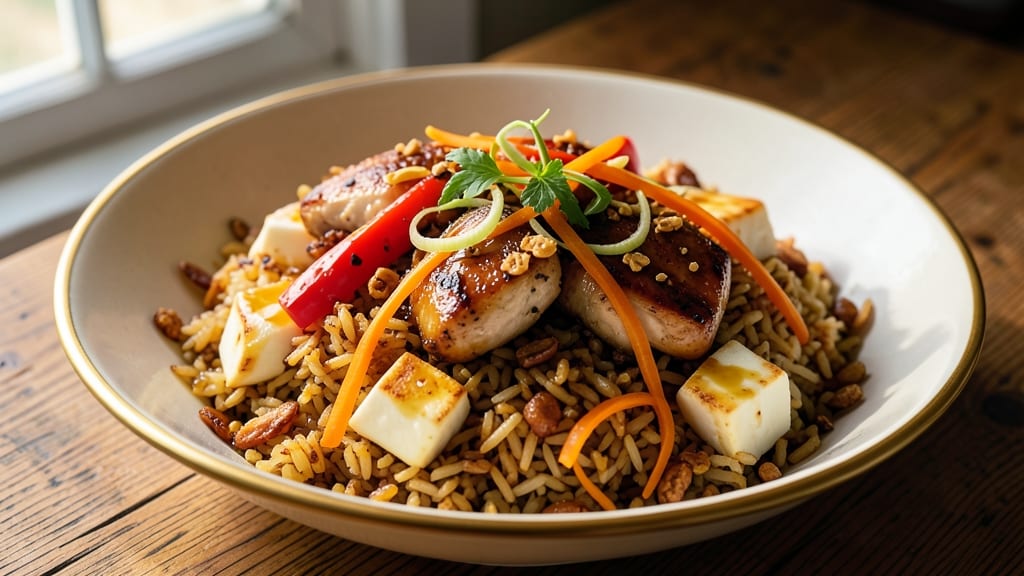
This Indian-style Chinese fried rice fuses two culinary worlds into one unforgettable dish, where wok-tossed crunch meets bold masala heat. 🔥 The secret lies in balancing traditional fried rice techniques with aromatic Indian spices like cumin, turmeric, and garam masala, creating a flavor profile that's both familiar and excitingly new.
What sets this recipe apart is the perfect harmony of textures—crispy edges on the rice, tender proteins (like paneer or chicken), and fresh vegetables all stir-fried to golden perfection. The spices infuse the dish with warmth and depth, while a touch of tangy yogurt or lemon brightens the final result.
Ready in just 30 minutes, this fusion dish delivers restaurant-quality flavor without the fuss.
Ingredients for chinese fried rice recipe indian style
Cold rice, aromatic spices, and wok-tossed proteins—this fusion dish delivers bold flavors in every bite.
| Ingredient | Amount | Notes |
|---|---|---|
| Day-Old Jasmine Rice 🍚 | 4 cups | Cold and dry from fridge |
| Boneless Chicken Thighs 🍗 | 1 lb | Cut into 1-inch pieces |
| Paneer Cubes 🧀 | ¾ lb | Firm, cut into 1-inch cubes |
| Green Bell Pepper 🧅 | 1 whole | Diced, seeds removed |
| Carrots 🥕 | 2 whole | Julienned into matchsticks |
| Ginger Root 🌿 | 1 inch | Fresh, grated finely |
| Garlic Cloves 🧄 | 6 cloves | Minced finely |
| Garam Masala 🌶️ | 1 tbsp | Freshly ground preferred |
| Ground Cumin 🌿 | ½ tbsp | Toasted for depth |
| Turmeric Powder 🌶️ | ½ tsp | Freshly ground preferred |
| Red Chili Powder 🔥 | ½ tsp | Adjust for heat preference |
| Soy Sauce 🥢 | ½ cup | Light or all-purpose |
| Plain Yogurt 🥛 | ¼ cup | Whisked smooth |
| Lemon Juice 🍋 | 2 tbsp | Freshly squeezed |
| Vegetable Oil 🫒 | ½ cup | High smoke point |
The rice is non-negotiable—day-old, cold, and dry. Jasmine rice works best for its distinct aroma, but basmati is a solid alternative. Costco or Indian grocery stores carry the best quality at reasonable prices. For the proteins, chicken thighs stay juicier than breasts during stir-frying, while fresh paneer from the dairy section adds a satisfying texture. Look for paneer with minimal water content—it should be firm but not crumbly. The bell pepper and carrots should be crisp; organic produce from the farmers market ensures vibrant color and better flavor.
No garam masala? Mix equal parts cumin, coriander, and cinnamon for a close substitute. Running short on yogurt? Substitute with coconut milk or a splash of lemon juice to balance acidity. The soy sauce can be swapped for tamari or coconut aminos if you're avoiding gluten. For extra heat, add fresh red chili flakes or a dash of sriracha. The ginger and garlic should be freshly grated and minced—pre-minced jarred versions lack the same punch. If you're using pre-cut frozen veggies, thaw and pat dry thoroughly before stir-frying to avoid excess moisture in your dish.
This dish tastes even better the next day as flavors meld further. Store in airtight containers in the fridge for up to 4 days, or freeze for 3 months. For reheating, use a non-stick pan with a splash of water to restore crispiness. The spices lose potency over time, so toast whole spices briefly in oil before grinding for maximum flavor. Double the batch—it disappears fast at gatherings. Garnish with fresh cilantro or green onions just before serving to keep the dish vibrant.
Why You'll Love This Recipe
- Uses Day-Old Rice: I swear by this trick—leftover jasmine rice transforms into something magical when stir-fried. No soggy texture here; it soaks up the soy, ginger, and garam masala like a sponge, giving every bite that perfect chewy-crisp contrast.
- Crowd-Pleaser Protein: Between the tender chicken thighs (marinated in vinegar and spices) and the paneer cubes that stay just firm enough, this dish has something for everyone. Even my picky teen devours it—no questions asked.
- One-Pan Wonder: Honestly, the cleanup is half the battle. Toss everything—veggies, protein, rice—into one wok or deep skillet, and you’re done. The bell peppers and carrots caramelize in minutes, while the paneer adds that creamy, melt-in-your-mouth finish without extra pans.
- Budget-Friendly Feast: This recipe stretches ingredients further than you’d think. Chicken thighs cost less than breasts, paneer is cheaper than tofu, and veggies bulk it up without breaking the bank. Leftovers? They reheat like a dream—better the next day, if you ask me.
Step-by-step instructions for chinese fried rice Indian style
Master this fusion dish with bold spices and wok-tossed technique for restaurant-quality results.
🍳 Step 1: Marinate and Prep the Proteins
In a mixing bowl, combine the 1 lb boneless chicken thighs (cut into 1-inch pieces) with 0.25 cup plain yogurt, 2 tbsp lemon juice, 0.5 tsp turmeric powder, and 0.5 tsp red chili powder. Mix well and let marinate for 15 minutes at room temperature. This tenderizes the chicken while infusing it with vibrant color and subtle heat.
Meanwhile, prepare the 0.75 lb paneer cubes (cut into 1-inch cubes) by patting them dry with paper towels. The dry surface helps them crisp up beautifully during frying. Keep both proteins separate until ready to cook.
👨🍳 Step 2: Build the Spice Base
Heat 0.25 cup vegetable oil in a large wok or deep skillet over medium-high heat until shimmering. Add the marinated chicken and cook for 4-5 minutes until the edges turn golden and the chicken is cooked through. Remove and set aside.
In the same wok, add the remaining 0.25 cup vegetable oil and swirl to coat. Add 1 inch finely grated ginger root and 6 cloves minced garlic, cooking for 30 seconds until fragrant. Immediately add 0.5 tbsp ground cumin and 0.5 tsp red chili powder, stirring constantly for 1 minute until the spices sizzle and release their aromas. This quick cooking prevents burning while developing deep flavor.
🍳 Step 3: Stir-Fry Vegetables and Paneer
Add the 1 whole diced green bell pepper and 2 whole julienned carrots to the wok. Stir-fry for 3-4 minutes until the vegetables begin to soften but still retain their vibrant color and slight crunch. The high heat ensures they cook quickly without losing texture.
Push the vegetables to one side of the wok and add the 0.75 lb paneer cubes to the empty space. Cook for 2-3 minutes until golden brown on all sides. The paneer should develop a crispy exterior while staying creamy inside. Stir occasionally to promote even browning.
🥘 Step 4: Combine and Season
Return the cooked chicken to the wok and add the 4 cups day-old jasmine rice. Break up any large clumps with your spatula and toss everything together for 1-2 minutes to distribute the flavors evenly. The day-old rice absorbs the spices beautifully while maintaining its distinct texture.
Pour in the 0.5 cup soy sauce and 1 tbsp garam masala, stirring vigorously for 2-3 minutes until the rice is coated and the sauce is absorbed. The soy sauce adds umami depth while the garam masala brings warm, complex spice notes to the dish. Taste and adjust seasoning if needed—you want a balance of salty, spicy, and savory.
🔥 Step 5: Finish with High Heat
Increase the heat to high and continue tossing the fried rice for an additional 2-3 minutes until it becomes light and airy with slightly crispy edges. The high heat creates that signature wok-tossed texture while preventing the rice from becoming mushy.
Remove from heat and let the fried rice rest for 2 minutes to allow the flavors to meld together. Serve immediately while still hot, garnished with additional red chili powder if desired. The dish should have a perfect balance of textures—crispy paneer, tender chicken, and slightly chewy rice—all infused with aromatic Indian spices.
Pro Tips For Making Chinese Fried Rice Recipe Indian Style
- STIR-FRY IN BATCHES: Don’t overload the wok—split your veggies (bell peppers, carrots) and proteins into two piles. Crowding steams instead of sears, and you’ll end up with soggy paneer and undercooked chicken. High heat is your friend here, but only if everything’s spread out enough to breathe.
- CUT PANEER UNIFORM: Paneer cubes should be 1.5cm (about ½ inch) max—any bigger, they’ll stay rubbery in the center. I learned this the hard way after serving a batch where the middle slices were still cold. A sharp knife and steady hand make all the difference.
- SEAR CHICKEN FIRST: Cook the chicken thighs until they’re golden and just pulling away from the bone before tossing in the rest. This isn’t just for flavor—it guarantees they’ll stay juicy while the rice and veggies finish. Skip this, and you’ll end up with dry, overcooked meat.
- USE DAY-OLD RICE: Cold, dry rice from the fridge is non-negotiable—it toasts up perfectly and absorbs sauces like a sponge. Fresh rice? You’ll get a gummy mess. Spread it on a tray, let it cool completely, then refrigerate overnight. No excuses.
Perfect pairings for this chinese fried rice recipe indian style
South Indian Masala
For a South Indian twist, add 1 tsp mustard seeds and 2 dried red chilies to the hot oil before cooking the ginger and garlic. Toast them for 30 seconds until they pop, then proceed with the rest of the spice base.
This adds a nutty, smoky depth that complements the garam masala beautifully. I find this variation works especially well with the paneer, creating a crispy, aromatic crust. 🌶️
North Indian Yogurt Finish
Stir in ¼ cup plain yogurt during the final 2 minutes of cooking to create a creamy, tangy finish. This balances the richness of the paneer and chicken while adding a cooling contrast to the spices.
For extra richness, top with ½ cup mint chutney or a dollop of raita before serving. This approach is inspired by North Indian street food stalls where yogurt is often used to temper heat. 🥛
Spicy Green Chili Twist
Swap the red chili powder for 4-5 fresh green chilies, finely chopped, and sauté them with the ginger and garlic. Their bright, grassy heat pairs wonderfully with the earthy garam masala.
I recommend using serrano or jalapeño chilies for a balanced kick. For an extra layer of flavor, add 1 tsp chaat masala at the end for a tangy, crunchy finish. 🌿
Protein Swaps
Replace the chicken with ½ lb shrimp for a seafood version—toss them in 1 tsp turmeric and 1 tsp garam masala before cooking. Alternatively, use ½ lb tofu, pressed and cubed, for a vegetarian option.
Both proteins absorb the spices beautifully and add a different texture contrast to the dish. I’ve found shrimp works best when cooked just until pink. 🍤
Fresh Herb Garnishes
Finish with 2 tbsp chopped cilantro and 1 tbsp sliced green onions for a fresh, vibrant touch. For a South Indian flair, add ½ tsp curry leaves while cooking the spices—they release a citrusy aroma that elevates the dish.
These garnishes not only enhance flavor but also make the fried rice look restaurant-worthy. ✨
Beverage Pairings
Pair this bold dish with a mango lassi to cool the palate and balance the spices. For a non-dairy option, try a ginger-infused iced tea or a crisp citrusy mojito.
The effervescence and sweetness cut through the richness, making each bite more enjoyable. I always reach for a sparkling lime soda when I’m serving this fusion dish. 🍹
Nutrition facts
Frequently asked questions
Can I use basmati rice instead of jasmine?
Yes! Basmati rice works perfectly—its nutty aroma and long grains hold up well to stir-frying. Just ensure it's day-old and completely cooled before cooking. For extra authenticity, try parboiled basmati from Indian grocery stores, which has a firmer texture that resists mushiness during the high-heat toss.
How do I adjust the spice level?
For milder heat, reduce the red chili powder to ¼ tsp and skip fresh chilies. For extra kick, add ½ tsp cayenne pepper or 1 tsp Kashmiri red chili powder (which adds color without intense heat). Always taste as you go—the spices develop differently based on your wok's heat level.
What if I don't have garam masala?
Make a quick substitute by mixing ½ tsp cumin, ½ tsp coriander, ¼ tsp cinnamon, and pinch of black pepper. Toast these spices in oil for 30 seconds before adding to the rice for maximum depth. Store-bought garam masala blends are fine too—just check for quality (avoid those with added fillers).
Can I make this vegetarian?
Skip the chicken and use 1 lb extra paneer or ½ lb tofu (pressed and cubed). For protein variety, add ½ cup chickpeas or ½ cup mushrooms with the vegetables. The dish will still be hearty and packed with flavor—just ensure your proteins are fully cooked before mixing with the rice.
Why does my fried rice turn out mushy?
Mushy rice usually means either freshly cooked rice (must be day-old) or too much moisture from wet ingredients. Always use cold, dry rice and pat all proteins/vegetables thoroughly before cooking. For extra insurance, spread the rice on a tray and dry it in the sun or oven (170°F for 10 minutes) before stir-frying.