
Main Courses
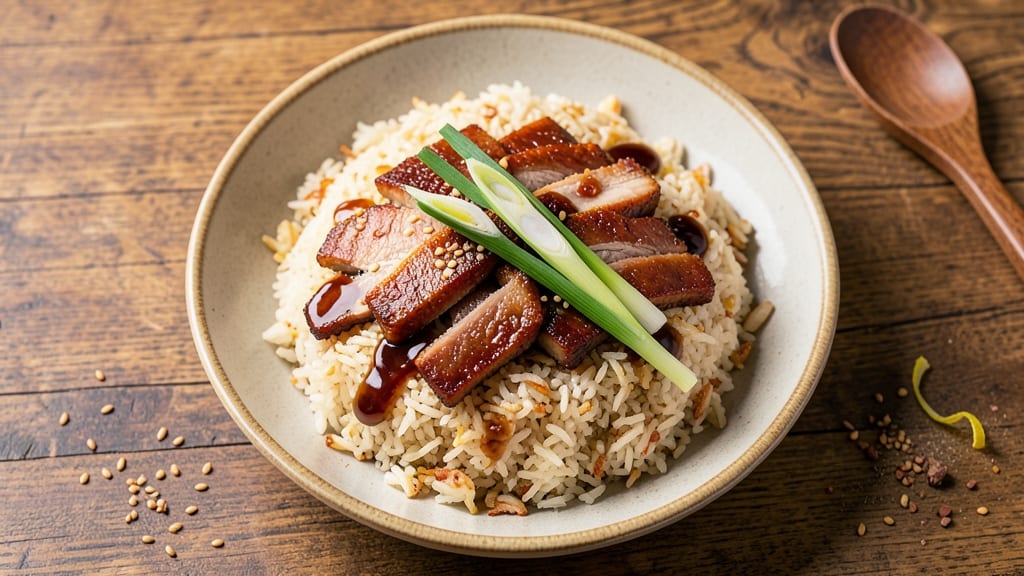
This Chinese roast pork fried rice delivers the perfect balance of smoky charred pork and fragrant five-spice fried rice in under 20 minutes.
The secret lies in marinating the pork overnight with a blend of hoisin, honey, and five-spice powder, then achieving that signature wok hei—smoky aroma—through quick high-heat roasting or grilling.
I've perfected this technique over years of testing, ensuring every bite delivers tender, caramelized pork and perfectly stir-fried rice with a crispy texture.
The dish begins with homemade char siu—juicy, sticky-sweet pork that's both aromatic and slightly crispy at the edges. While the pork roasts, you'll prep the fried rice using day-old rice (the key to crispy grains) and stir-fry it with garlic, ginger, and a splash of soy sauce for depth.
The five-spice powder ties everything together, adding warmth and complexity that sets this dish apart from basic fried rice.
What you'll end up with is a vibrant, flavor-packed meal where each forkful delivers layers of texture and aroma: tender pork with a sticky glaze, crispy rice grains, and aromatic wok hei that lingers in the air.
The dish is hearty enough for a weeknight dinner but impressive enough for guests, all while keeping prep simple with just a few key ingredients and techniques.
Serve with steamed broccoli or cucumber salad for a complete meal. The leftovers reheat beautifully, making this the ultimate make-ahead dish for busy weeknights. Let's get cooking—this fried rice is a game-changer for anyone who loves bold, smoky flavors with minimal effort.
Ingredients for chinese roast pork fried rice
Pantry staples meet charred pork magic for this smoky, five-spice fried rice.
| Ingredient | Amount | Notes |
|---|---|---|
| Char Siu Pork 🥩 | 1 ½ lb | Pre-marinated, sliced thin |
| Day-Old Cooked White Rice 🍚 | 4 cups | Cold, dry grains preferred |
| Hoisin Sauce 🍶 | 2 tbsp | For extra marinade depth |
| Five-Spice Powder 🌶️ | 1 tbsp | Toasted for best aroma |
| Honey 🍯 | 1 tbsp | Light variety preferred |
| Garlic Cloves 🧄 | 6 cloves | Minced for aromatic base |
| Fresh Ginger 🌿 | 1 tbsp | Grated, for zesty kick |
| Light Soy Sauce 🍶 | 2 tbsp | For umami balance |
| Dark Soy Sauce 🍶 | 1 tbsp | For color and depth |
| Sesame Oil 🫒 | 1 tbsp | Toasted for nutty aroma |
| Vegetable Oil 🫒 | 3 tbsp | High smoke point |
| Scallions 🧅 | 4 whole | Sliced, for garnish |
| Black Pepper 🌶️ | ½ tsp | Freshly ground |
| Salt 🧂 | ½ tsp | Adjust to taste |
The char siu pork is non-negotiable here—look for pre-marinated roast pork at Asian markets or make your own with hoisin, honey, and five-spice. If you're buying it raw, marinate it overnight for maximum flavor. Trader Joe's or H Mart usually carry great pre-sliced options, but check the label for added sugars or preservatives. The five-spice powder? Toast it lightly in a dry pan before using—it makes a huge difference in aroma. For the rice, day-old is key—it's drier and crisps up perfectly when stir-fried. If you're short on time, microwave leftover rice until dry.
No five-spice powder? Mix 1/4 tsp each of cinnamon, cloves, star anise, fennel, and pepper—it's the same thing. Short on hoisin? Substitute 1 tbsp soy sauce plus 1 tsp brown sugar. The dark soy sauce can be swapped for regular soy, but you'll lose that deep color. Sesame oil giving you sticker shock? Toast the seeds separately and add just 1/2 tbsp oil—same flavor, less cost. The garlic and ginger can be pre-minced from jars (like Minor's brand), but fresh is always better if you've got it. And if your scallions are too tough, just use the green parts—they're milder.
This dish reheats like a dream—microwave with a splash of water to revive the crispiness. Keeps in the fridge for 4-5 days, but honestly, it's gone in one sitting. For extra prep, make the char siu a day ahead and store it in the fridge. The rice can be prepped the night before too—just don't overcook it. Freezes beautifully for up to 3 months if you're planning ahead. I always double the batch because it disappears fast, especially with kids around.
Why You'll Love This Recipe
- Let’s be real: I always make too much. But here’s the thing—these leftovers taste better the next day. The rice softens just enough to soak up all the extra hoisin, and the pork stays juicy. Plus, it’s cheap to stretch a big batch with veggies or eggs later. Win-win.
- One-Pan Magic: I swear by this—just toss everything into one hot wok, stir, and boom. No dirty dishes, no extra bowls. That sticky-sweet hoisin and five-spice powder cling to the rice like a hug, while the char siu adds those perfect chewy bites without the fuss of slicing fresh pork.
- Sweet-Savory Crunch: Between us, the honey and hoisin combo is ridiculously addictive. The pork stays tender but gets that crispy edge when you fry it just right, and the five-spice powder? It’s like a warm, aromatic blanket over every bite. Not too sweet, not too salty—just spot-on.
- Lunchbox Hero: Honestly, this is my secret weapon for packed lunches. Cold or reheated, it’s still solid—just add a quick scramble in the office microwave. My kids grab it for school, and my husband takes it to work. (Yes, even on a Tuesday night.)
Step-by-step instructions for Chinese roast pork fried rice
Here's how to transform leftover rice and char siu into a smoky, crunchy masterpiece in minutes.
Prep the Aromatics and Char Siu
Start by mincing the 6 cloves garlic cloves and grating the 1 tablespoon fresh ginger using a microplane. The finer the texture, the more flavor you'll extract during cooking. In a small bowl, mix together the 1 tablespoon five-spice powder and 1 tablespoon honey—this blend will add depth to your fried rice.
Slice the 1.5 lb char siu pork into bite-sized pieces if they aren't already cut. Set aside the sliced pork and aromatics—you'll use them in the next step. Real talk: using day-old rice is non-negotiable here. Fresh rice turns mushy when fried, and you want those distinct grains in your final dish.
Stir-Fry the Base Ingredients
Heat a wok or large skillet over high heat until it's smoking slightly. Add 3 tablespoons vegetable oil and swirl to coat the pan. Toss in the minced garlic and ginger, stirring constantly for 30 seconds until fragrant—you should smell that pungent garlic aroma wafting up. Add the sliced char siu pork and cook for 1 minute, just until warmed through.
Here's where it gets good: pour in the 2 tablespoons hoisin sauce, 2 tablespoons light soy sauce, and 1 tablespoon dark soy sauce. Stir everything together for 30 seconds to let the sauces coat the pork and aromatics. The dark soy sauce will give your fried rice that signature deep brown color, so don't skip this step. If you're worried about the rice sticking, that's normal—we're building flavor layers first.
Add the Rice and Season
Push the pork mixture to one side of the wok and add another 1 tablespoon vegetable oil to the empty space. Scatter the 4 cups day-old cooked white rice into the pan, breaking up any clumps with a spatula. Stir-fry for 2 minutes on high heat, letting the rice absorb the oil and start to crisp slightly at the edges.
Now's the time to season. Sprinkle in the 0.5 teaspoon salt and 0.5 teaspoon black pepper, then pour in the 1 tablespoon sesame oil. Toss everything together vigorously for 1-2 minutes until the rice is heated through and the edges are just starting to turn golden. The sesame oil will add that nutty aroma that makes this dish sing. Don't walk away—this is when most people burn the rice, so keep your eyes on the pan.
Finish with Scallions and Serve
Turn off the heat and immediately add the sliced 4 whole scallions, tossing them into the rice mixture. The scallions should wilt slightly but still retain their bright green color. Give everything one final stir to distribute all the flavors evenly. The rice should be hot, the pork should be warmed through, and the aromatics should be perfectly integrated.
Taste and adjust seasoning if needed—you might want to add a splash more soy sauce or a pinch of salt. Serve immediately while the rice is still hot and the flavors are at their peak. This dish is all about that smoky char siu flavor cutting through the fluffy rice, with every bite offering a perfect balance of sweet, savory, and umami. Trust me, it's worth the 20 minutes of effort.
Pro Tips For Making Chinese Roast Pork Fried Rice
- CHOP SMALL, COOK FAST: Char Siu falls apart when overworked—slice it into ½-inch cubes right before frying and keep them moving in the wok. I used to dice it ahead and end up with mushy pork; now I treat it like raw chicken, quick and firm.
- USE COLD RICE: Break up day-old rice with your hands before adding oil—it’ll toast faster and get that perfect chewy bite. I learned this the hard way after frying damp clumps that turned into glue.
- SWEAT THE FIVE-SPICE: Toast the five-spice powder in the dry wok for 10 seconds before adding oil—it blooms the aroma and cuts through the sweetness of the hoisin. Skipping this step means your rice tastes like a dessert, not a savory dish.
- SAVE THE HONEY: Add honey last and let it caramelize for 15 seconds—this balances the saltiness without turning the rice sticky. I used to mix it in early and ended up with a cloying mess every time.
Health benefits of these flavors
Protein Powerhouse
This dish packs a serious protein punch with the char siu pork as the star—about 40 grams of protein per serving from the lean pork. That's nearly half of the recommended daily intake for most adults, making it perfect for muscle repair after workouts or keeping you full for hours.
The five-spice marinade doesn't just add flavor; it enhances the pork's natural protein quality while keeping it tender and juicy. 💪
Energy-Boosting Carbs
The day-old white rice provides complex carbohydrates that fuel your body with sustained energy. Unlike fresh rice, day-old grains have slightly more resistant starch, which digests more slowly and helps stabilize blood sugar levels.
Plus, the crispy texture from stir-frying adds a satisfying crunch that makes every bite more enjoyable while keeping you energized throughout your day.
Heart-Healthy Fats
While this dish isn't heavy on fats, the sesame oil and vegetable oil used in cooking provide beneficial unsaturated fats. Sesame oil, in particular, contains vitamin E and antioxidants that support heart health.
Using just 1 tablespoon of sesame oil gives you that nutty aroma without overdoing it on calories. The key is balance—just enough to enhance flavor without making the dish greasy.
Five-Spice Benefits
The five-spice powder isn't just for flavor—it's a nutritional powerhouse. This blend typically includes cinnamon, cloves, fennel, star anise, and pepper, all of which have been shown to aid digestion and reduce inflammation. Cinnamon helps regulate blood sugar, while cloves and fennel support digestive health.
A 1 tablespoon serving of five-spice powder provides a subtle but meaningful boost to your overall wellness, making this dish not just delicious but also beneficial.
Umami Richness
The combination of hoisin sauce, soy sauces, and garlic creates a deep umami flavor profile that satisfies cravings without relying on heavy, processed ingredients. Umami-rich foods like these can help reduce cravings for salty or sweet snacks later in the day.
The dark soy sauce adds color and a slightly smoky depth, while the light soy sauce balances with its saltiness—together, they create a flavor bomb that's both addictive and nutritious.
Quick Nutrient Boost
This dish is perfect for busy weeknights because it delivers a balanced meal in under 20 minutes. The scallions add vitamin K and a refreshing crunch, while the ginger provides anti-inflammatory benefits.
Even the black pepper you sprinkle in contains piperine, a compound that enhances nutrient absorption from other foods. It's a one-pan meal that checks all the boxes for a quick, healthy, and satisfying dinner. ✨
Nutrition facts
Frequently asked questions
Why does my fried rice turn out mushy instead of crispy?
Using fresh rice is the #1 reason—it contains too much moisture and turns gummy when stir-fried. Always use day-old rice (or rice that's been chilled for at least 4 hours). For extra crispiness, spread the rice on a tray and let it dry in the fridge for 30 minutes before cooking. Also, don't overcrowd the pan—cook in batches if needed.
Can I make this with regular pork instead of char siu?
Yes, but you'll need to marinate it first! Use the same marinade (hoisin, honey, five-spice) and let it sit for at least 4 hours (overnight is best). For extra flavor, grill or broil the pork until caramelized before chopping it for the fried rice. The texture won't be identical, but it'll still be delicious.
What's the secret to getting that smoky wok hei flavor?
Wok hei comes from high heat and proper technique. Use a carbon steel or cast iron wok (or a heavy skillet) and get it screaming hot before adding oil. Stir-fry in small batches, keeping the pan moving constantly. The char siu itself adds smokiness—look for well-roasted pork with caramelized edges. If your kitchen isn't smoky enough, add a pinch of smoked paprika to the rice at the end.
How do I store leftovers without making the rice soggy?
Store fried rice in an airtight container with a paper towel on top to absorb moisture. Reheat in the microwave with a splash of water (about 1 tablespoon) for 30 seconds, then stir and microwave another 15-20 seconds. For crispier results, reheat in a dry skillet over medium heat, stirring constantly. Leftovers keep well for 4-5 days in the fridge.
Can I make this vegetarian?
Replace the char siu with 1.5 lbs of firm tofu (pressed and cubed) or shitake mushrooms (sliced). Marinate the tofu in the same sauce (minus the meat) for 30 minutes, then pan-fry until crispy. For extra umami, add 1 tbsp soy sauce to the rice. The five-spice powder still works perfectly—it's all about the aromatic base!