
Main Courses
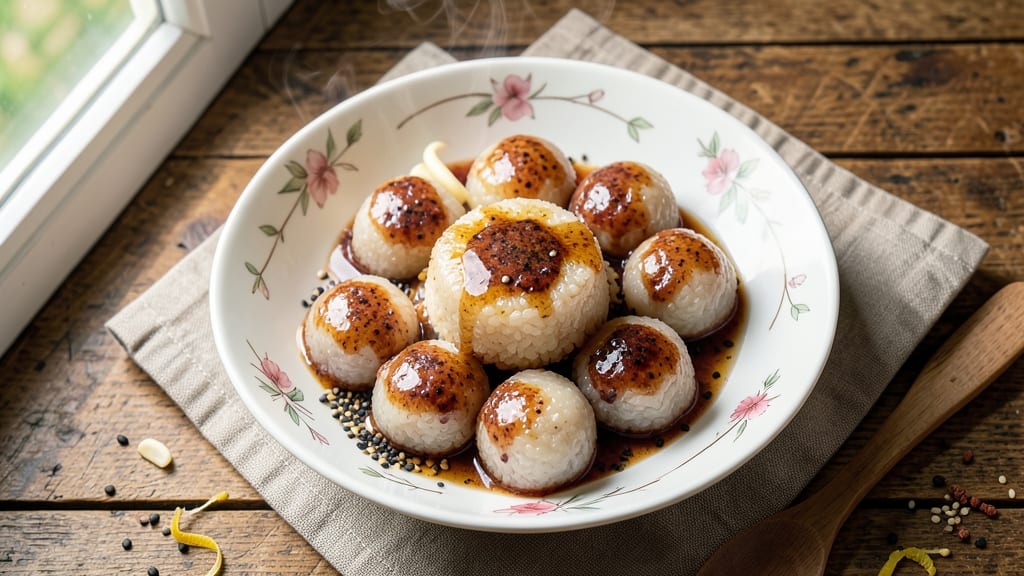
This Chinese sticky rice dumpling recipe delivers the delicate balance of chewy glutinous rice and rich fillings that make tangyuan unforgettable. The secret lies in perfectly cooked glutinous rice dough that wraps around sweet or savory fillings, creating bite-sized edible treasures.
Whether you prefer traditional red bean paste or modern twists like Nutella, this recipe brings authentic texture and flavor to your table.
The process begins with soaking and grinding glutinous rice until smooth, then shaping it into small balls around your chosen filling. Traditional methods use molds, but hands work just as well for a more rustic touch.
Boiling or steaming transforms these delicate dumplings into golden, translucent bites with a satisfying chew.
What makes these dumplings special is their versatility - serve them as a festive dessert during Lunar New Year or as a unique savory appetizer. The key lies in achieving that perfect balance between tender rice and flavorful filling, creating a dish that's both comforting and impressive.
With just a few simple ingredients and techniques, you'll create restaurant-quality tangyuan that taste like a taste of tradition. The process is straightforward once you master the dough preparation, and the results are well worth the effort. Let's get started on these delicious glutinous bites!
Ingredients for chinese sticky rice dumpling
These authentic ingredients transform simple rice into irresistible chewy dumplings with endless filling possibilities.
| Ingredient | Amount | Notes |
|---|---|---|
| Glutinous Rice (Sweet Rice) 🍚 | 1 cup | Uncooked, short-grain preferred |
| Red Bean Paste 🌱 | 1 cup | Sweetened, store-bought or homemade |
| Water 💧 | 1 ½ cups | Room temperature for soaking |
| White Sugar 🍬 | ¼ cup | Fine granulated, adjust to taste |
| Vegetable Oil 🫒 | 1 tbsp | Light, for dough shaping |
| Sesame Oil 🌿 | 1 tsp | Toasted, for aroma |
| Salt 🧂 | ¼ tsp | Fine sea salt for balance |
| Cornstarch 🌾 | 2 tbsp | For dusting dough |
| Nutella (or Black Sesame Paste) 🍫 | ½ cup | Alternative sweet filling |
| Lotus Leaves (optional) 🌿 | 1 whole | For wrapping dumplings |
| Water Chestnuts (optional) 🍠 | ½ cup | Diced, for savory filling |
| Dried Shitake Mushrooms (optional) 🍄 | ¼ cup | Rehydrated, for umami |
The glutinous rice is the heart of these dumplings—short-grain varieties from Asian markets work best, like those in H Mart or 99 Ranch bags. Soak it overnight for perfect texture. For red bean paste, store-bought from specialty aisles (like Trader Joe's or Asian grocery freezers) saves time, but homemade is worth the effort. The Nutella alternative is a crowd-pleaser, but traditionalists swear by black sesame paste for depth. If using lotus leaves, grab them fresh at Asian markets—they add an authentic aroma when steamed.
No red bean paste? Sweetened mashed beans or peanut butter work in a pinch. For savory versions, water chestnuts and shiitake mushrooms (rehydrated) bring texture and umami. The sesame oil is non-negotiable—toasted for aroma, not cooking. Cornstarch prevents sticking, but if you're short, potato starch does the same. Pro tip: Chill the dough 30 minutes before shaping for easier handling. And yes, Nutella counts as a filling—this isn’t your grandma’s recipe.
Dough keeps 2 days wrapped in plastic in the fridge, or 3 months frozen in balls. Boil or steam—both work, but boiling gives that classic translucent look. Double-boil for extra tenderness. Store cooked dumplings in airtight containers with a sprinkle of cornstarch to prevent sticking. Leftover filling? Freeze in ice cube trays for quick future dumplings. And if anyone asks, yes, you can microwave them—just cover with a damp towel for 30 seconds.
Why You'll Love This Recipe
- No Fuss, No Mess: I swear by this recipe because it’s literally three ingredients plus water—no fancy techniques, no stress. Soak the glutinous rice overnight (yes, that’s it), mix in the red bean paste and a touch of sugar, then steam until the edges are golden. That’s it. No chopping, no blending, no cleanup.
- Sweet Chewy Magic: Between us, that first bite of sticky rice with the creamy red bean paste melting into your mouth? It’s the kind of texture combo that makes you close your eyes. The sugar caramelizes just enough to balance the earthy bean, and the rice stays pillowy—no dry, sad dumplings here.
- Lunchbox Hero: I pack these cold or at room temp, and they’re still perfect hours later. Kids love them (my picky eater actually eats these), and they’re great for picnics or office snacks. Honestly, the fact that they hold up without wilting is a miracle—I’ve tried other sticky rice recipes that turn to mush.
- Pantry Staple Power: You’re already using things you have: rice, sugar, oil. No specialty ingredients, no last-minute grocery runs. And if you make a batch, they keep for days in the fridge—steam them again, and they taste just as good. Between us, this is my go-to when I’m too tired to cook but still want something special.
Step-by-step instructions for Chinese sticky rice dumplings
Here's how to craft these delicate dumplings with a perfect balance of chewy rice and rich filling.
Soak and Cook the Glutinous Rice
Rinse the 1 cup glutinous rice (sweet rice) thoroughly under cold water until the water runs clear. This removes excess starch that would make the dough gummy. Transfer the rice to a bowl, add the 1.5 cups room temperature water, and let it soak for at least 4 hours (or overnight in the fridge). The rice should absorb all the water and become translucent.
After soaking, drain any excess water and transfer the rice to a steamer lined with cheesecloth or a clean kitchen towel. Steam over medium-high heat for 20-25 minutes until tender. You'll know it's done when the rice grains are fully cooked but still slightly sticky to the touch. Let it cool completely before handling—warm rice will tear when shaping.
Prepare the Filling and Season the Dough
In a small bowl, mix together the 1 cup red bean paste with the 0.5 cup Nutella (or black sesame paste) until well combined. For a savory option, replace half the Nutella with the 0.5 cup diced water chestnuts and 0.25 cup rehydrated dried shitake mushrooms, finely chopped. Season with 0.25 tsp salt and 1 tsp sesame oil for depth of flavor.
While the filling rests, transfer the steamed glutinous rice to a large bowl. Add the 0.25 cup white sugar, 1 tbsp vegetable oil, and 2 tbsp cornstarch, then gently knead everything together with your hands until the mixture becomes a smooth, pliable dough. If it's too sticky, dust with a little more cornstarch. The dough should be soft but not wet—think of it like playdough consistency.
Shape the Dumplings with Lotus Leaves (Optional)
If using the 1 whole lotus leaf, carefully remove the thick midrib and cut it into 4 equal quarters. Each quarter should be large enough to wrap about 4-5 dumplings. For the filling, roll small, even balls of the mixture—about 1 teaspoon each—and place them in the center of each lotus leaf section.
Dampen your fingers with water and gently press the edges of the lotus leaf upward, folding them inward to encase the filling. Roll the leaf tightly from the bottom up, tucking the edges to seal. The lotus leaf will naturally steam the dumplings, infusing them with a delicate floral aroma. If skipping the leaves, shape the dough into small, smooth balls around the filling instead.
Steam to Perfection
Line a steamer with a clean cloth or parchment paper, then arrange the dumplings in a single layer, leaving space between them. Bring 2 inches of water to a boil in the steamer base, then place the dumpling basket on top. Cover and steam over medium heat for 15-18 minutes until the glutinous rice is fully cooked and the dumplings are tender.
You'll know they're ready when the rice is translucent and the filling is warm throughout. Let the dumplings rest for 5 minutes before serving—this allows the juices to redistribute, ensuring each bite is moist and flavorful. Serve warm with a drizzle of extra sesame oil or a sprinkle of white sugar for a touch of sweetness.
Pro Tips For Making Chinese Sticky Rice Dumpling
- SOAK RICE OVERNIGHT: I learned this the hard way—rushing the soak means gummy, uneven dumplings. Glutinous rice needs 6-8 hours (or overnight) in water to soften properly. Use room-temp water and double the rice volume—no need to soak it all in, just let it absorb.
- STEAM DON’T BOIL: The moment you drop these dumplings in boiling water, they’ll turn to mush. Use a steamer basket with 1 inch of water below, bring to a rolling boil, then gently place the dumplings on the rack. Cover and steam for 15-18 minutes—no peeking, or they’ll dry out.
- CHOP BEAN PASTE SMALL: Skip the big chunks—slice the red bean paste into tiny, even pieces (about ½ cm cubes). This ensures every bite has that sweet, creamy texture without overwhelming the rice. A sharp knife and quick, firm cuts work best.
- WRAP TIGHTLY IN PARCHMENT: Does it look weird? Yes. Does it work? Every single time. Wrap each dumpling in a single sheet of parchment paper before steaming. The paper keeps them from sticking to the rack and gives a clean, professional finish when unwrapped. No more tearing or gluey messes.
Storing and reheating this recipe
Fridge Storage Tips
Keep your dumplings fresh by storing them in an airtight container with a layer of parchment paper between layers to prevent sticking. They’ll stay good in the fridge for up to 2 days, but I recommend eating them within 48 hours for the best texture.
The glutinous rice can dry out if left too long, so plan accordingly. If you’re prepping ahead, make the dough first and store it wrapped in plastic—it keeps for 2 days in the fridge. 🌟
Freezer Prep
For longer storage, freeze the dough balls (without filling) in a single layer on a tray before transferring to a freezer bag—this prevents clumping. They’ll keep for 3 months. When ready to cook, thaw overnight in the fridge, then add filling and steam as directed.
For filled dumplings, freeze them on a tray first, then transfer to a bag. Pro tip: Label bags with dates to track freshness. ❄️
Reheating Methods
Steamed dumplings reheat best in a steamer basket over simmering water for 5-7 minutes—this restores their chewy texture. If you’re short on time, microwave them on medium power for 30-45 seconds (cover with a damp paper towel to prevent drying).
For crispy edges, pan-fry in 1 tbsp oil over medium heat for 2 minutes per side after reheating. 🔥
Leftover Magic
Turn leftover dumplings into fried rice by chopping them and sautéing with scrambled eggs, scallions, and a splash of soy sauce. Or blend them into a creamy soup with coconut milk and a pinch of sugar. The glutinous rice absorbs flavors beautifully—don’t waste a single bite! 💫
Steaming vs. Boiling
Steaming preserves the dumplings’ delicate texture, but boiling works in a pinch. If boiling, use a large pot with enough water to cover the dumplings by 1 inch. Bring to a gentle boil (not rolling) and cook for 8-10 minutes—they’re done when they float and turn translucent.
For extra tenderness, double-boil by transferring them to a second pot of simmering water for 2 minutes. 🌊
Garnish Like a Pro
Finish reheated dumplings with a drizzle of sesame oil, a sprinkle of toasted sesame seeds, or a dusting of powdered sugar. For a modern twist, add crushed pistachios or edible gold leaf.
These little touches elevate the dish from homemade to restaurant-worthy. Trust me, the presentation matters! ✨
Nutrition facts
Frequently asked questions
Why does my glutinous rice dough keep sticking to my hands?
The dough needs the right balance of moisture and starch. If it's too sticky, add 1 teaspoon cornstarch at a time while kneading. Chill the dough for 30 minutes before shaping—this firms it up. Work quickly and keep your hands lightly dampened with water to prevent sticking while shaping.
Can I make these dumplings without lotus leaves?
Traditional methods use hands to shape the dough around the filling into small balls. For a more secure seal, wet your fingers slightly and press gently to form smooth, round dumplings. If you prefer a firmer texture, you can also wrap them in parchment paper before steaming.
What's the best way to tell when the dumplings are fully cooked?
The dumplings are done when the glutinous rice becomes fully translucent and the filling is warm throughout. For steamed versions, this takes about 15-18 minutes. When boiling, they're ready when they float to the surface and turn slightly golden. Always let them rest for 5 minutes before serving to redistribute juices.
How do I prevent my dumplings from falling apart when cooking?
Overhandling the dough causes tears. Work with cold dough and use minimal water when shaping. For extra strength, add 1 extra tablespoon cornstarch to the dough mixture. When steaming, avoid overcrowding the basket—leave space between dumplings. If boiling, use a gentle simmer to prevent rough water from breaking them apart.
What are some creative filling variations beyond red bean paste?
Try sweet options like mango purée with coconut milk, matcha white chocolate, or lychee jam. For savory, mix minced pork with ginger and soy sauce, spicy chili oil with scallions, or mushroom and shallot. Even peanut butter with banana slices makes a delicious modern twist! The key is keeping fillings moist but not watery.