
Main Courses
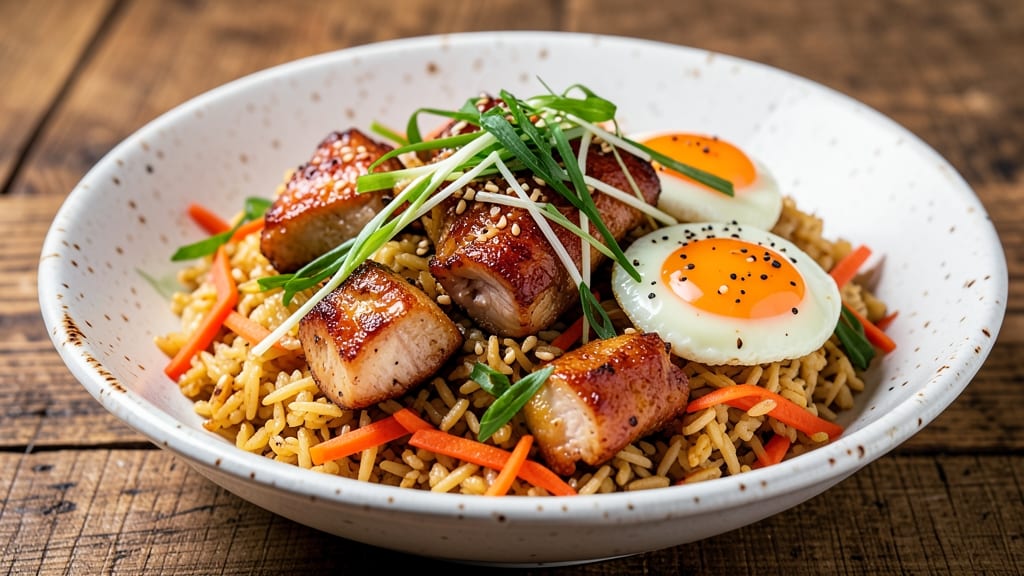
This chicken fried rice recipe delivers the perfect balance of crisp-tender chicken, fluffy rice, and wok-tossed vegetables in every bite. The secret lies in using day-old rice that absorbs flavors beautifully while maintaining its texture, paired with a protein boost from perfectly seasoned chicken.
Whether you're feeding a crowd or meal prepping for the week, this dish comes together faster than takeout but tastes infinitely better.
What sets this recipe apart is the two-stage cooking process: first searing the chicken until golden and juicy, then tossing it with the rice and vegetables in a hot wok.
This method creates that signature crispy texture while keeping the rice separate and fluffy. A simple soy-ginger sauce ties everything together with just the right amount of umami and brightness.
The result is a restaurant-quality dish that's simple enough for weeknight dinners but impressive enough for guests. Each forkful delivers tender chicken, aromatic vegetables, and perfectly seasoned rice—all coated in a light, savory sauce.
The best part? It's ready in under 30 minutes with minimal prep, making it your new go-to comfort food.
For extra flavor, consider adding a fried egg on top or swapping in your favorite vegetables. The possibilities are endless, but the foundation remains the same: crispy chicken, fluffy rice, and a wok-tossed finish that brings it all together. Let's get cooking!
Ingredients for chocken fried rice
Pantry staples plus a few fresh ingredients for crispy, saucy fried rice perfection.
| Ingredient | Amount | Notes |
|---|---|---|
| Day-Old Cooked White Rice 🍚 | 4 cups | Cold and separated for texture |
| Boneless Chicken Thighs 🍗 | 1 ½ lb | Cut into 1-inch pieces |
| Large Eggs 🥚 | 3 whole | Freshly beaten for crispy coating |
| Yellow Onion 🧅 | 1 whole | Diced small for even cooking |
| Carrots 🥕 | 2 medium | Julienned for quick cooking |
| Green Onions 🧅 | ¼ cup | Sliced thin for garnish |
| Fresh Ginger 🌿 | 1 tbsp | Grated finely for zing |
| Soy Sauce 🍶 | ½ cup | Use low-sodium preferred |
| Sesame Oil 🫒 | 1 tbsp | Toasted for nutty aroma |
| Vegetable Oil 🫒 | 4 tbsp | High smoke point for wok |
| Garlic Cloves 🧄 | 4 cloves | Minced for aromatic punch |
| Salt 🧂 | 1 tsp | Adjust to taste |
| Black Pepper 🌶️ | ½ tsp | Freshly ground preferred |
| White Pepper 🌶️ | ¼ tsp | For subtle heat |
The chicken makes or breaks this dish—thighs over breasts stay juicier through the crispy stage. Grab bone-in, skin-on thighs from the butcher section for extra flavor, or use pre-cut from Trader Joe's if you're short on time. Day-old rice is non-negotiable (the good stuff, not the mushy kind)—cook a big batch of jasmine or basmati rice the night before. For the veggies, fresh carrots and onions from the produce section keep things bright, but frozen works in a pinch if you're prepping ahead. Just thaw and drain them well.
No sesame oil? Toasted peanut oil gives similar nuttiness, though it's stronger. Short on ginger? Substitute half the amount of ground ginger, but fresh is worth hunting down at Asian markets—it's cheaper and more aromatic. The soy sauce matters here: Kikkoman or La Choy are solid, but if you've got a fancy Japanese tamari, use that. For extra protein, add scrambled eggs at the end (like the intro suggests)—just crack them into the wok with the rice at the very finish. The white pepper is optional but adds that classic Chinese takeout vibe.
This reheats beautifully—just toss with a splash of water and stir-fry again. Keeps 4-5 days in the fridge, freezes for 3 months (portion into containers for easy lunches). For next-level prep, cook all the chicken and chop all the veggies ahead, then store separately. When ready to cook, just toss everything in the wok—10 minutes to restaurant-quality fried rice.
Why You'll Love This Recipe
- That’s the secret: searing the chicken thighs first until they’re golden and juicy. The day-old rice soaks up all the savory pan drippings, while the eggs add a silky contrast. Honestly, the texture alone makes me want to eat it straight from the wok.
- One-Pan Magic: I swear by this recipe when I’m too tired to wash dishes. Toss everything—rice, chicken, eggs—into one hot pan, and let the residual heat do the work. The onions caramelize while the eggs set, and suddenly, dinner’s ready without a sink full of pans.
- Crispy-Tender Bite: That’s the secret: searing the chicken thighs first until they’re golden and juicy. The day-old rice soaks up all the savory pan drippings, while the eggs add a silky contrast. Honestly, the texture alone makes me want to eat it straight from the wok.
- Lunchbox Hero: Between us, this is my go-to for meal prep. Portion it into containers, and it reheats like a dream—no soggy rice, just perfectly crispy edges every time. My kids grab it for school lunches, and I still sneak bites from my own container.
Step-by-step instructions for wok-tossed chicken fried rice
This crispy, protein-packed fried rice comes together faster than takeout—just follow these simple steps.
Prep the Chicken and Break Down the Rice
Cut the 1.5 lb boneless chicken thighs into 1-inch pieces—this size ensures they cook through without drying out. Pat them dry with paper towels to help them crisp up in the wok. While you're prepping, spread the 4 cups day-old cooked white rice on a baking sheet. Use a fork to break up any clumps and separate the grains so they stay distinct when we stir-fry.
Here's the thing—day-old rice is crucial. Fresh rice turns mushy when fried, but slightly dried rice absorbs the flavors and stays separate. If your rice isn't cold, pop it in the fridge for 20-30 minutes before starting. This step makes all the difference in texture.
Stir-Fry the Chicken Until Golden
Heat 2 tablespoons vegetable oil in a wok or large skillet over medium-high heat until shimmering. Add the chicken pieces in a single layer and let them cook undisturbed for 3-4 minutes until they develop a golden crust. This initial sear locks in juices and builds flavor—don't rush it.
Once the chicken is golden on one side, give it a stir and cook for another 2-3 minutes until fully cooked through. Remove the chicken from the wok and set it aside on a plate. You'll want to keep it warm while we prep the rest of the ingredients—just cover it loosely with a lid or foil.
Scramble the Eggs Perfectly
In the same wok (no need to wipe it clean—those browned bits are flavor gold), reduce the heat to medium and add 1 tablespoon vegetable oil. Pour in the 3 whole large eggs and let them sit for 5 seconds before gently pushing them around with a spatula. You want soft, creamy curds—not scrambled eggs.
Once the eggs are just set but still slightly runny in the center, remove them from the wok and set aside with the chicken. The residual heat will finish cooking them slightly when we combine everything. Real talk: overcooked eggs make fried rice taste dry, so keep an eye on them.
Sauté the Aromatics and Vegetables
Add another 1 tablespoon vegetable oil to the wok and turn the heat back up to medium-high. Toss in the minced 4 cloves garlic and 1 tablespoon finely grated fresh ginger, cooking for 30 seconds until fragrant. Next, add the diced 1 whole yellow onion and 2 medium julienned carrots, stirring for 2-3 minutes until the onions soften but don't brown.
Now add the 4 cups broken-down rice and toss everything together for 1 minute to coat the grains with the aromatic flavors. This is where the magic happens—don't skip the tossing. The rice should look dry but well-coated with the oil and aromatics.
Combine Everything and Finish with Sauce
Return the chicken and eggs to the wok. Drizzle in the 0.5 cup soy sauce, 1 tablespoon toasted sesame oil, and season with 1 teaspoon salt, 0.5 teaspoon black pepper, and 0.25 teaspoon white pepper. Toss everything vigorously for 2-3 minutes until the rice is heated through and the sauce is evenly distributed.
Taste and adjust seasoning—you might need a splash more soy sauce or a pinch of salt depending on your preference. Once it's perfectly balanced, turn off the heat and give it one final toss. Garnish with the 0.25 cup sliced green onions and serve immediately while it's hot and crispy. This dish tastes best right out of the wok!
Pro Tips For Making Chocken Fried Rice
- CRISP THE CHICKEN FIRST: Cut those boneless chicken thighs into 1-inch chunks, then pat them completely dry with paper towels—wet skin means steam instead of sear. Hit a hot pan with 1 tablespoon of oil (neutral like vegetable or peanut) and cook the chicken until the edges turn golden and the internal temp hits 165°F. Pull it out when it’s still slightly underdone; it’ll finish in the rice. I used to rush this, and the chicken always ended up rubbery. Don’t.
- SCRAMBLE EGGS IN STAGES: Crack your eggs into a separate bowl first, then scramble them just until they’re still slightly runny—about 30 seconds on medium heat. When you’re ready to add them to the rice, pour them in a thin layer and let them set for 10 seconds before folding. This keeps them creamy, not dry. I was skeptical until I tried it; now I won’t go back.
- PREP CARROTS LIKE A PRO: Skip the julienne—dice those carrots into ¼-inch cubes, then blanch them in boiling water for 2 minutes before adding to the rice. The partial cook prevents them from turning to mush while keeping their texture. Pro move: Toss the blanched carrots with a pinch of salt and a drizzle of oil so they don’t stick when you stir-fry later.
- USE DAY-OLD RICE, BUT DO THIS: Spread your day-old rice on a baking sheet and microwave it for 1 minute to revive it—cold rice makes soggy fried rice. Then, while the chicken cooks, break up any clumps with your hands (no chopsticks needed). The goal is individual grains, not rice glue. I skip this step sometimes, and the dish feels heavy. Don’t.
Common mistakes when making your chocken fried rice
Overcooking the Chicken
One of the biggest mistakes is overcooking the chicken, which turns it dry and chewy. Chicken thighs should be cooked just until they reach 165°F internal temperature—any longer, and they lose their juicy texture.
I recommend using a meat thermometer to check, but if you're cooking by sight, look for golden-brown edges with just a hint of pink inside. Once the chicken is done, remove it immediately and set it aside to keep it warm. 🍗
Using Fresh Rice
Freshly cooked rice is a no-go for fried rice—it's too moist and will turn mushy when stir-fried. The starch in fresh rice absorbs too much oil and sauce, making the final dish soggy. Always use day-old rice that's been chilled and broken up with a fork.
If you're short on time, spread freshly cooked rice on a tray and refrigerate it for 30 minutes to dry it out slightly. This simple step makes all the difference in texture.
Skipping the Egg Stage
Many recipes omit the egg step, but those creamy curds add richness and help bind the fried rice together. If you skip them, the rice can end up dry and separate. I like to scramble the eggs separately and add them back at the end—this keeps them soft and custardy.
For best results, use fresh eggs and cook them just until set but still slightly runny in the center. Overcooked eggs make fried rice taste bland and dry.
Not Enough Oil
Fried rice needs plenty of oil to get that signature crispy texture. Using too little oil results in dry, sticky rice that clumps together. I recommend using 4 tablespoons vegetable oil total—enough to coat the wok and create a light, crispy finish.
Don't be afraid to use a little extra if your wok is large. The oil helps separate the rice grains and adds flavor as it cooks. 🫒
Overcrowding the Wok
Overcrowding the wok is a recipe for disaster—it lowers the temperature and steams the food instead of searing it. When stir-frying, work in batches if needed. Start with the chicken, then the eggs, and finally the vegetables and rice.
This ensures everything gets properly browned and crispy. A good rule of thumb is to leave at least 1 inch of space between ingredients in the wok for even cooking.
Underseasoning
Many home cooks hold back on soy sauce or other seasonings, thinking they can always add more later. But once the rice is cooked, it's hard to fix underseasoned fried rice. I recommend using the full ½ cup soy sauce called for in the recipe and tasting as you go.
Adjust with a little more soy sauce, a pinch of salt, or a splash of sesame oil if needed. The sauce should coat the rice lightly but not make it soggy. Trust me, your fried rice will thank you! 💫
Nutrition facts
Frequently asked questions
Can I use chicken breast instead of thighs?
Chicken thighs stay juicier during the crispy cooking process, but you can use breasts if that's what you have. Cut them into ½-inch pieces and cook them at medium heat instead of high to prevent drying out. For extra moisture, marinate the breasts in 1 tablespoon soy sauce and ½ teaspoon cornstarch for 15 minutes before cooking.
What if I don't have day-old rice?
Fresh rice will turn mushy, but you can still make it work! Spread freshly cooked rice on a baking sheet and refrigerate it for 30 minutes to dry it out slightly. Then break up any clumps with a fork before using. For best texture, try to use rice that's at least 4-6 hours old—the longer it sits, the better it absorbs flavors.
How do I make this spicier?
Add ½ teaspoon red pepper flakes or 1 teaspoon sriracha to the soy sauce mixture, or stir in 1 tablespoon chopped fresh chili with the aromatics. For extra heat, top each serving with a fried egg and a sprinkle of chili oil. Start with small amounts—you can always add more, but you can't take it out!
Can I make this vegetarian?
Swap the chicken for 1 cup firm tofu (pressed and cubed) or ½ cup mushrooms (sliced). For extra protein, add 2 extra eggs or ½ cup chickpeas. Keep the same cooking method—just ensure your protein is fully cooked before combining with the rice. The eggs and soy sauce will still give it that classic fried rice flavor.
Why does my fried rice turn out soggy?
Soggy fried rice usually means one of two things: using fresh rice or not enough oil. Always use day-old rice and break up any clumps. Also, make sure your wok is hot enough before adding the rice—it should sizzle when the oil hits it. If needed, add ½ teaspoon more oil to help crisp the grains. Stir-fry in batches if your wok is crowded.