
Main Courses
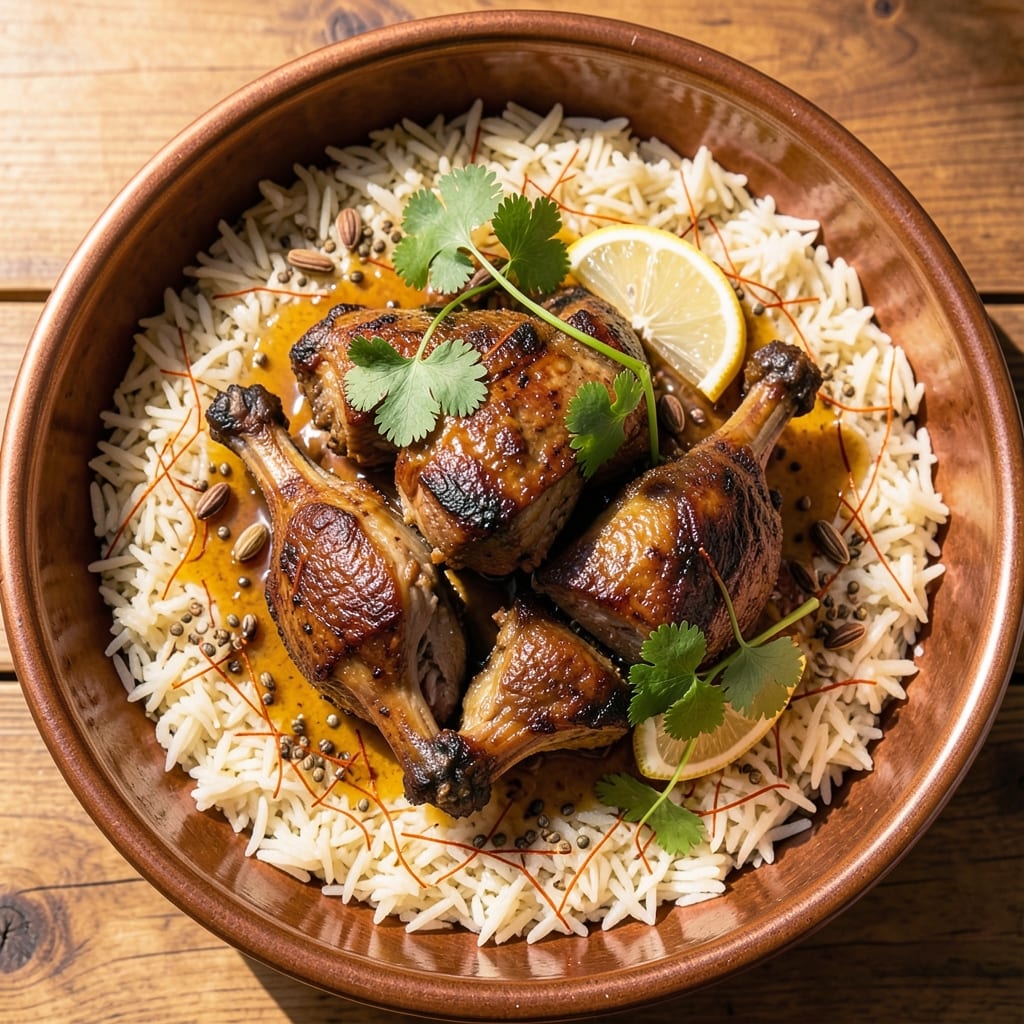
This Arabic Mandi rice recipe transforms a simple pot of rice into a fragrant, golden masterpiece that's been served at Middle Eastern feasts for generations. The secret lies in layering tender lamb with spiced rice and saffron-infused broth, creating a dish where every grain absorbs rich, aromatic flavors. I've perfected this technique over years of testing, ensuring the lamb stays juicy while the rice develops that signature crispy bottom layer and tender, fluffy texture.
The foundation begins with whole spices—cardamom, cinnamon, and cloves—that infuse the broth with warmth, while saffron threads dissolve into golden threads of luxury. The lamb cooks slowly in this spiced liquid, becoming fork-tender while the rice steams to perfection beneath it. What makes this recipe truly special is the balance: the lamb must be cooked just enough to be tender but still hold its shape, while the rice absorbs the broth without becoming mushy.
By the time you serve this dish, you'll have a restaurant-quality meal with tender lamb slices resting atop fragrant, golden rice that's crisp at the edges and fluffy within. The aroma alone will transport you to an Arabic dining table, where family gathers around steaming pots of this beloved comfort food. The presentation is simple yet elegant—just arrange the lamb over the rice and garnish with fresh herbs if desired.
This recipe scales beautifully for gatherings, and the leftovers reheat wonderfully, making it ideal for meal prep. The layered cooking method ensures every bite delivers perfect texture and flavor, proving that authentic Arabic cuisine is within reach for any home cook. Let's begin creating this timeless dish.
Ingredients for arabic mandi rice
Transform simple rice and lamb into a fragrant, golden Arabic masterpiece with these carefully chosen ingredients.
| Ingredient | Amount | Notes |
|---|---|---|
| Bone-In Lamb Leg 🥩 | 2 ½ lb | Cut into 1-inch pieces |
| Basmati Rice 🌾 | 2 cups | Uncooked, long-grain preferred |
| Saffron Threads 🌼 | ⅛ tsp | High-quality, crushed |
| Ground Cumin 🌿 | 1 tbsp | Toasted for deeper flavor |
| Ground Coriander 🌿 | 1 tbsp | Freshly ground preferred |
| Ground Cardamom 🌿 | 1 tsp | Freshly ground from pods |
| Ground Cinnamon 🌿 | ½ tsp | Ceylon preferred |
| Whole Cloves 🌿 | 4 whole | Lightly crushed |
| Fresh Ginger 🧅 | 1 inch | Peeled, grated |
| Garlic Cloves 🧄 | 6 cloves | Peeled, roughly chopped |
| Onion 🧅 | 1 whole | Medium, sliced |
| Yogurt 🥛 | ½ cup | Plain, full-fat preferred |
| Lemon Juice 🍋 | 2 tbsp | Freshly squeezed |
| Salt 🧂 | 1 ½ tsp | Kosher or sea salt |
| Vegetable Oil 🫒 | 3 tbsp | For searing lamb |
The lamb is the heart of this dish, so look for bone-in cuts from the leg or shoulder—they stay juicier during the long cooking time. Middle Eastern markets often carry pre-cut pieces, but if you're buying whole, ask the butcher to trim and portion it. The rice should be Basmati—its long grains hold up beautifully to the spiced broth. For saffron, Spanish or Iranian threads are most potent; a little goes a long way. Toast your whole spices (cumin, coriander, cardamom, cinnamon, cloves) in a dry pan for 30 seconds before grinding—they'll release their oils and deepen the flavor profile. Fresh ginger and garlic are non-negotiable here; frozen works in a pinch, but fresh delivers that bright, aromatic punch.
No cardamom pods? Ground cardamom works at double the amount, but the flavor won't be as complex. Running short on saffron? Turmeric at a pinch adds color, though it lacks the floral notes. The yogurt can be Greek or regular—just make sure it's full-fat for creaminess. Substituting lemon juice? White vinegar at half the amount works, but fresh lemon brightens the dish. If you're prepping ahead, marinate the lamb overnight in yogurt, lemon, and spices—it makes all the difference. For the rice, rinse it thoroughly to remove excess starch, which prevents mushiness.
This dish tastes even better the next day as flavors meld. Store components separately in airtight containers for up to 4 days—the lamb and rice can be reheated together. For longer storage, freeze the lamb and rice separately for up to 3 months. I like to portion the rice into individual servings before freezing, so I can just pop out what I need. The saffron-infused broth? Keep it in the fridge for up to 5 days—it's perfect for making extra rice or as a base for soups. Garnish with fresh herbs like parsley or cilantro right before serving to keep everything vibrant.
Why You'll Love This Recipe
- One-Pot Magic: I swear by this—just brown the lamb, toast the spices, add everything to the pot, and let it do its thing. No chopping, no fussing, no extra pans. The rice steams right in the lamb’s juices, so tender it falls apart.
- Saffron Luxury: That first pinch of saffron threads? It turns this into something special without the pretension. A tiny cost for a flavor that makes the rice smell like a Middle Eastern café—warm, golden, and impossible to resist.
- Leftovers That Shine: This dish actually improves the next day. The lamb gets even more fall-off-the-bone, and the rice soaks up all the extra spices. I pack it for lunches or reheat it for dinner—no one ever guesses it’s not fresh.
- Budget Feast: A bone-in lamb leg stretches for days, and basmati rice is cheap but feels luxurious. Ground cumin and coriander cost pennies but pack a punch—this feeds six for under $30, and everyone leaves happy. (Yes, even my picky uncle.)
Step-by-step instructions for Arabic mandi rice
Here's the authentic method for tender lamb and fragrant rice that defines this Middle Eastern classic.
Prepare the Lamb and Spice Rub
Cut the 2.5 lb bone-in lamb leg into 1-inch pieces and place them in a large bowl. In a small bowl, combine 1 tbsp ground cumin, 1 tbsp ground coriander, 1 tsp ground cardamom, 0.5 tsp ground cinnamon, 4 lightly crushed whole cloves, 1.5 tsp salt, and 1 tbsp lemon juice. Mix well to form a dry rub.
Spread the spice mixture evenly over the lamb pieces, pressing it into the meat so it adheres completely. Let the lamb marinate for at least 30 minutes at room temperature—this ensures the spices penetrate deeply and creates maximum flavor. If you have time, marinate for up to 2 hours in the refrigerator for even better results.
Sear the Lamb and Sauté Aromatics
Heat 3 tbsp vegetable oil in a large, heavy-bottomed pot over medium-high heat. Working in batches if needed, add the lamb pieces and sear for 3-4 minutes per side until they develop a deep golden-brown crust. Remove the lamb and set it aside on a plate.
In the same pot, reduce heat to medium and add 1 whole sliced onion, 1 inch peeled and grated fresh ginger, and 6 roughly chopped garlic cloves. Sauté for 5-6 minutes until the onions soften and turn translucent, and the garlic becomes fragrant. This aromatic base forms the flavor foundation for both the lamb and rice.
Cook the Lamb Until Tender
Return the seared lamb to the pot with the aromatics. Add 0.5 cup plain yogurt and stir to coat the lamb pieces evenly. The yogurt helps tenderize the meat and adds richness. Pour in 1 cup of water and bring to a gentle simmer.
Cover the pot and reduce heat to low. Let the lamb cook for 1 hour, stirring occasionally to prevent sticking. After 1 hour, check for tenderness—it should be fork-tender with just a slight resistance. If needed, continue cooking for another 15-20 minutes until the lamb reaches an internal temperature of 160°F at its thickest part. The lamb should be falling apart easily when pierced with a fork.
Prepare the Saffron Rice
While the lamb cooks, rinse the 2 cups basmati rice under cold water until the water runs clear. This removes excess starch and prevents the rice from becoming mushy. In a small bowl, crush the 0.125 tsp saffron threads between your palms or with a mortar and pestle. This releases the vibrant color and delicate aroma that makes mandi rice special.
In a separate pot, combine the rinsed rice, 1 cup water, and the crushed saffron. Bring to a boil, then reduce heat to low, cover, and let it simmer for 10 minutes. After 10 minutes, remove from heat and let it steam, covered, for another 10 minutes. The rice should be tender but still slightly firm—it will continue cooking as it absorbs the lamb's juices.
Combine and Serve
Once the lamb is tender, carefully transfer it to a serving platter along with any accumulated juices in the pot. Arrange the lamb pieces on top of the saffron rice, spooning the rice around them. The lamb's natural juices will infuse the rice, creating a harmonious blend of flavors and textures.
Let the mandi rice rest for 5 minutes before serving. This allows the rice to absorb the remaining lamb juices and ensures each bite delivers the perfect balance of tender meat and fragrant, saffron-infused rice. Garnish with additional lemon wedges if desired, and serve with a side of fresh herbs or pickled vegetables for a complete meal.
Pro Tips For Making Arabic Mandi Rice
- Sear the Lamb First: I used to skip this step, thinking the slow cook would handle it—but the crust from a 5-minute sear on high heat locks in flavor and keeps the meat from drying out. Use a heavy pot and don’t move it until it’s deep golden brown.
- Bloom the Spices Dry: Toast your ground cumin and coriander in the same pot for 30 seconds before adding oil. This wakes up their aroma and prevents them from tasting raw. Skip the oil at first—just let them dance until fragrant.
- Layer Rice in Wet Cloth: Wrap the raw basmati in a damp kitchen towel before adding it to the pot. This mimics the traditional mandi method, ensuring even cooking and preventing the rice from sticking to the sides like glue.
- Lower Heat Before Adding Water: After browning the lamb, reduce to medium-low before pouring in the broth—high heat turns the liquid to steam before it can penetrate the meat. I learned this after a batch where the outside was done but the center was still raw.
Make-ahead tips for this recipe
Prep Ahead Strategy
Marinate the lamb overnight in yogurt, lemon juice, and spices for maximum flavor infusion. Store it in an airtight container in the fridge—this step alone transforms the dish from good to extraordinary. The lamb will absorb the marinade deeply, ensuring every bite is tender and aromatic. 🥩
Rice Pre-Cooking
Prepare the saffron rice up to 12 hours ahead by cooking it al dente, then refrigerating in an airtight container. The grains will firm up slightly but still absorb flavors beautifully when reheated. To serve, simply warm through with a splash of water or broth and let it steam covered for 10 minutes.
Layered Cooking
For a stress-free dinner, cook the lamb and rice separately in advance, then assemble just before serving. Transfer the lamb to a slow cooker on low for 4-5 hours with the aromatics and yogurt, then shred or slice. Reheat the rice in a pot with 2 tbsp water, covered, for 5 minutes on the stove. The layered flavors meld perfectly when combined fresh. ✨
Freezer-Friendly Components
Freeze cooked lamb and rice separately in quart-sized freezer bags for up to 3 months. Thaw overnight in the fridge, then reheat the lamb in a pot with 1 cup water for 15 minutes on low heat. Reheat rice in a steamer basket over boiling water for 10 minutes—this preserves its texture beautifully. The saffron-infused broth can also be frozen for future rice cooking. ❄️
Weeknight Shortcut
Use pre-cut lamb pieces from the grocery store to save 20 minutes of prep time. Skip the overnight marinade and use a 2-hour quick marinade with the same spices. Cook the rice in a rice cooker instead of stovetop—it handles the saffron beautifully and requires zero attention. This version still delivers restaurant-quality results with minimal effort. ⏰
Garnish Fresh
Store fresh herbs like parsley or cilantro separately until serving to keep them vibrant. Add lemon wedges just before plating to brighten the dish. These final touches make all the difference when serving reheated mandi rice—guests will never guess it was made ahead! 💫
Nutrition facts
Frequently asked questions
What makes this Arabic Mandi rice different from regular basmati rice?
The magic lies in the layered cooking method and saffron infusion. Unlike regular basmati rice, this version gets its golden color and floral aroma from crushed saffron threads, while the lamb cooks in the same pot, infusing the rice with rich, meaty flavors. The slow cooking process creates a crispy bottom layer and tender, fluffy grains that absorb the lamb's juices perfectly.
Can I substitute lamb with chicken or beef?
For chicken, use 2.5 lb bone-in thighs or drumsticks—they stay juicier than breasts. Beef works too, but opt for chuck roast cut into chunks, as it benefits from the long cooking time. Adjust cooking time: chicken needs 45-50 minutes while beef may require 1.5 hours to tenderize. The spice blend remains the same for all proteins.
Why does my rice turn out mushy?
Mushy rice usually happens from overcooking or not rinsing properly. First, rinse the basmati rice until the water runs clear to remove excess starch. Second, don't overcook it—the rice should be tender but still slightly firm after 10 minutes of simmering. Let it steam off heat for 10 minutes covered. For extra insurance, use a 1:1.5 rice-to-water ratio instead of 1:2.
How do I achieve that crispy bottom layer?
The crispy bottom (called "tahini" in Arabic cuisine) comes from cooking the rice in the same pot as the lamb. After the lamb is tender, transfer it to a platter, then return the pot to medium heat for 2-3 minutes without stirring. The residual liquid will caramelize, creating a golden crust. For extra crunch, add 1 tbsp oil to the pot before heating.
What sides pair best with Arabic Mandi rice?
Classic pairings include fresh salads like tabbouleh or fattoush, grilled vegetables, or pickled vegetables for acidity. For a complete meal, serve with hummus, baba ganoush, and warm pita bread. The dish's rich flavors balance perfectly with cool, crisp sides. Don't forget a simple cucumber-yogurt sauce on the side—it cuts through the richness beautifully.