
Salads
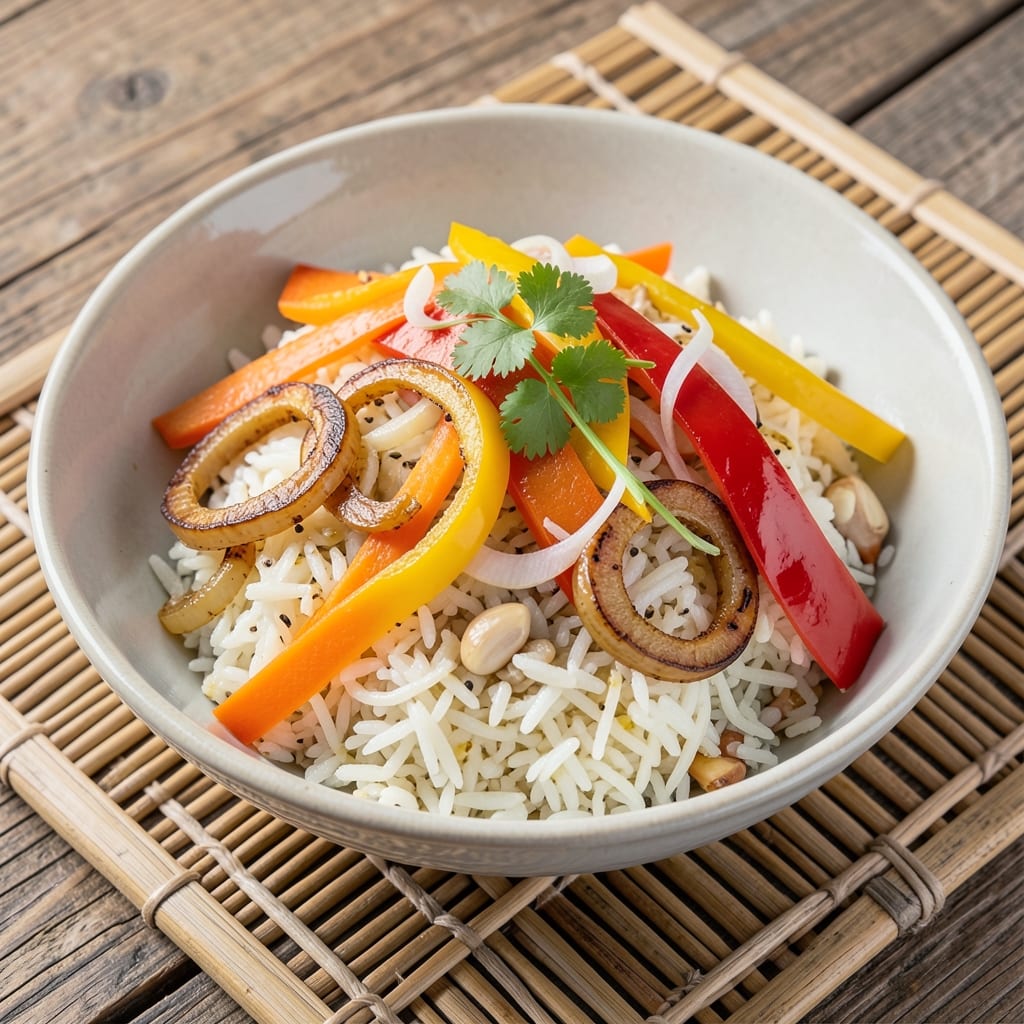
This Asian rice and vegetables recipe transforms simple ingredients into a fragrant, restaurant-quality dish with minimal effort. The secret lies in perfectly cooked basmati rice paired with wok-tossed vegetables that develop a satisfying charred crunch. I've refined this technique over years of testing, ensuring every bite delivers a balance of textures and flavors that feels both comforting and exciting.
The foundation begins with aromatic basmati rice cooked to just the right consistency—light, fluffy, and infused with the subtle warmth of ginger and garlic. While the rice steams, the vegetables get their moment in the wok, where high heat creates those coveted charred edges while preserving their natural sweetness. A quick toss in a simple soy-ginger sauce ties everything together with umami depth and brightness.
What you'll end up with is a dish that's equally at home as a side or a standalone meal—fragrant rice with perfectly charred vegetables that offer both crunch and tenderness. The aroma alone will have everyone gathering at the table, and the flavors are balanced just right: savory, slightly sweet, with a touch of heat from the sesame oil finish. This is the kind of meal that feels special without requiring hours in the kitchen.
The best part? This recipe scales effortlessly for any occasion. Double the ingredients for a crowd, or keep it as-is for a satisfying weeknight dinner. Here's how to create it—step by step, with all the professional techniques you need to achieve that wok-tossed perfection at home.
Ingredients for asian rice and vegetables
Fragrant basmati rice and wok-tossed vegetables create a restaurant-quality dish with just these essential ingredients.
| Ingredient | Amount | Notes |
|---|---|---|
| Long-Grain Basmati Rice 🍚 | 1 ½ cups | Uncooked, rinsed thoroughly |
| Yellow Onion 🧅 | 1 whole | Thinly sliced, outer layers removed |
| Carrots 🥕 | 3 medium | Julienned, uniform thickness |
| Bell Peppers 🌶️ | 2 whole | Assorted colors, sliced into strips |
| Fresh Ginger Root 🌿 | 1 tbsp | Finely grated, organic preferred |
| Garlic Cloves 🧄 | 4 cloves | Minced, fresh preferred |
| Vegetable Oil 🫒 | ½ cup | High smoke point, neutral flavor |
| Sesame Oil 🫒 | 1 tbsp | Toasted, for finishing |
| Low-Sodium Soy Sauce 🍶 | ¼ cup | Kikkoman preferred |
| Rice Vinegar 🍶 | 2 tbsp | Seasoned, for brightness |
| Honey 🍯 | 1 tbsp | Pure, for subtle sweetness |
| Green Onions 🧅 | 4 whole | Thinly sliced, for garnish |
| Salt 🧂 | 1 ½ tsp | Diamond Crystal preferred |
| Black Pepper 🌶️ | ½ tsp | Freshly ground |
The quality of your basmati rice makes all the difference—look for long-grain varieties with a high starch content for that signature fluffiness. Lundberg Family Farms or Tilda are excellent choices, but any brand labeled 'jasmine' or 'basmati' will work. For the vegetables, freshness is key: bell peppers should be firm with vibrant color, and carrots should snap when broken. If using pre-sliced vegetables, rinse them thoroughly to remove any excess moisture that could cause sticking in the wok. The ginger and garlic? Always fresh—dried spices lack the aromatic depth needed for this dish.
No sesame oil? Toasted peanut oil works in a pinch, though the flavor profile shifts slightly. Running low on rice vinegar? Apple cider vinegar at half the amount provides similar acidity. For the honey, any pure variety will do, but avoid artificial sweeteners—they won't caramelize properly in the sauce. The soy sauce is non-negotiable for umami depth, but if you must substitute, coconut aminos offer a slightly sweeter alternative. When selecting bell peppers, red and yellow varieties add natural sweetness that complements the dish beautifully. And if you're short on green onions, scallions or chives work equally well for garnish.
Store uncooked rice in an airtight container in a cool, dark place for up to 6 months. Fresh ginger keeps for 2 weeks in the fridge, while garlic stays fresh for 4-6 weeks when stored properly. Cooked rice reheats best when steamed again with a splash of water—this restores its texture perfectly. The wok-tossed vegetables can be prepped ahead and stored in the fridge for 2 days, though they're best served immediately for maximum crunch. For meal prep, cook the rice and sauce separately, then combine just before serving to maintain texture.
Why You'll Love This Recipe
- One-Pot Magic: I swear by this—no separate pots, no extra bowls. Toss everything in one pan, add water, and let the rice steam with the veggies. The onions caramelize right into the rice, and the ginger infuses every grain. Honestly, my weeknights thank me.
- Ginger-Zing Kick: That fresh ginger? It’s the star. Thinly sliced, it softens just enough to melt into the rice while keeping a bright, zesty edge. The carrots stay crisp, the bell peppers add sweetness, and together, they balance the rice’s nutty depth. It’s the kind of flavor that sticks with you.
- Lunchbox Hero: Between us, this is my go-to for meal prep. Cook a big batch, and you’ve got lunch sorted for days. The rice stays fluffy, the veggies hold their texture, and it reheats like a dream—no soggy messes. My kids even pack it in their lunches. (Yes, even the picky ones.)
- Pantry Staple Power: You’re already using what’s in your fridge. No fancy ingredients, no last-minute grocery runs—just rice, onions, carrots, peppers, and ginger. It’s cheap, it’s filling, and it stretches for leftovers without getting boring. I’ve made this for date nights, family dinners, and lazy Sundays. Works every time.
Step-by-step instructions for wok-tossed fragrant basmati with charred vegetables
This method delivers perfectly fragrant rice and perfectly charred vegetables—every bite balanced with sweet, savory, and umami notes.
🍳 Step 1: Cook the Basmati Rice to Al Dente Perfection
Rinse the 1.5 cups Long-Grain Basmati Rice thoroughly under cold water until the water runs clear. This removes excess starch that would make the rice mushy. Combine the rinsed rice with 2 cups water in a medium saucepan and bring to a boil over high heat. Once boiling, reduce to low heat, cover tightly with a lid, and simmer for exactly 12 minutes.
Resist the urge to peek or stir—this disrupts the even cooking process. After 12 minutes, turn off the heat and let the rice steam undisturbed for 10 minutes. The residual heat will finish cooking the rice perfectly. Fluff gently with a fork before transferring to a serving bowl. The rice should be tender but still have a slight bite—this is the al dente texture that pairs beautifully with the charred vegetables.
🔥 Step 2: Prepare the Vegetable Mixture for Wok-Tossing
In a large wok or skillet, heat the 0.5 cup Vegetable Oil over high heat until shimmering. Add the 1 whole Yellow Onion and 3 medium Carrots (julienned), spreading them in an even layer. Cook undisturbed for 3-4 minutes until the onions begin to soften and develop a slight golden color at the edges. Stir gently and add the 2 whole Bell Peppers (strips), continuing to cook for another 2-3 minutes until the vegetables start to blister and char in spots.
This high-heat cooking creates the signature charred flavor while preserving the vegetables' natural crunch. Watch closely—you're aiming for a balance between tender and slightly crisp. Once the vegetables are tender-crisp with charred edges, remove them from the wok and set aside. The vegetables should retain their shape but show visible char marks, indicating proper cooking.
🍳 Step 3: Build the Fragrant Sauce Base
In the same wok, reduce the heat to medium and add the 1 tbsp Fresh Ginger Root and 4 cloves Garlic Cloves. Sauté for 30 seconds until fragrant—you should smell the bright, zesty aroma of ginger and the sweet, pungent scent of garlic. Add the 0.25 cup Low-Sodium Soy Sauce, 2 tbsp Rice Vinegar, and 1 tbsp Honey, stirring to combine. Let the mixture simmer for 1-2 minutes until slightly reduced and glossy.
The sauce should coat the back of a spoon with a balanced sweet-savory profile. This reduction intensifies the flavors and prepares the sauce to perfectly coat both the rice and vegetables. Taste and adjust seasoning with 1.5 tsp Salt and 0.5 tsp Black Pepper—the soy sauce provides saltiness, while the vinegar and honey add brightness and depth.
🥘 Step 4: Combine and Finish with Sesame Oil
Return the cooked vegetables to the wok and toss with the sauce, coating them evenly. Add the cooked 1.5 cups Long-Grain Basmati Rice and gently fold everything together, letting the rice absorb the fragrant sauce. Cook for an additional 1-2 minutes over medium heat, just until the rice is heated through and the vegetables are evenly distributed.
Remove from heat and drizzle with 1 tbsp Sesame Oil, tossing gently to coat. The sesame oil adds a nutty aroma and rich finish to the dish. Garnish with 4 whole Green Onions (thinly sliced) for a fresh, oniony brightness. Serve immediately while the vegetables are still slightly crisp and the rice maintains its al dente texture. The dish should be vibrant, aromatic, and bursting with contrasting textures.
Pro Tips For Making Asian Rice And Vegetables
- SOAK THE BASMATI: I learned this the hard way—skipping the soak gives you that dreaded "dry rice" texture. Toss the rice in cold water for 20 minutes first, then rinse until the water runs clear. This guarantees fluffy grains that don’t turn into gluey mush when mixed with the veggies.
- JULIENNE THE GINGER: Thin, even slices of ginger cook faster and infuse flavor more evenly than chopped chunks. Use a mandoline or sharp knife for 1/8-inch strips—no need to peel unless it’s fibrous. They’ll soften in minutes and disappear into the dish without overpowering.
- DON’T OVERCROWD THE PAN: I used to dump all the chopped veggies in at once, and they just steamed instead of caramelizing. Work in batches: onions first until golden, then carrots, peppers, and ginger. A hot, slightly crowded pan gives better color, but too much at once turns your stir-fry into soup.
- USE THE RICE WATER: After draining the rice, save that starchy water—it’s liquid gold for keeping the veggies tender and the rice from drying out. Toss the cooked veggies in 2-3 tablespoons of it before mixing with the rice. Sounds weird, but it works: your dish stays juicy longer.
Health benefits of this asian rice and vegetables
Whole-Grain Powerhouse
Basmati rice is a complex carbohydrate that provides sustained energy thanks to its low glycemic index, making it ideal for balanced meals. A 1.5-cup cooked serving delivers about 150 calories and 35 grams of carbohydrates, including fiber that aids digestion and keeps you full longer. The long-grain structure ensures each bite delivers a satisfying texture without being overly heavy. 💪
Vegetable Nutrient Boost
The colorful vegetables in this dish pack a nutritional punch—carrots provide beta-carotene (essential for eye health), bell peppers offer vitamin C (immune support), and onions contribute antioxidants like quercetin. Together, they create a low-calorie, high-fiber side that enhances digestion and nutrient absorption. The charred edges even boost the availability of certain antioxidants through the Maillard reaction.
Protein Synergy
While this recipe doesn't include meat, the soy sauce and sesame oil provide plant-based protein and healthy fats that complement the dish's nutritional profile. A ¼ cup soy sauce adds about 5 grams of protein, while 1 tablespoon sesame oil contributes omega-6 fatty acids for heart health. Pair this with a tofu or tempeh stir-fry to create a complete protein meal—your body will thank you for the balanced amino acid profile. 💡
Anti-Inflammatory Benefits
The fresh ginger and garlic in this recipe are natural anti-inflammatory powerhouses. Ginger contains gingerol, which helps reduce inflammation, while garlic provides allicin, a compound linked to cardiovascular benefits. The low-sodium soy sauce keeps blood pressure in check, making this dish heart-friendly. Even the honey adds antioxidants that support overall wellness—just use it sparingly for maximum benefits.
Digestive Health Support
The fiber-rich vegetables and whole-grain rice work together to promote gut health by encouraging regular digestion. The green onions add prebiotic fiber, which feeds beneficial gut bacteria. For extra digestive support, consider adding fermented elements like kimchi or pickled vegetables as a topping—they introduce probiotics that further enhance gut microbiome balance. Your digestive system will stay happy with this flavorful, nutrient-dense combination. ✨
Meal Prep Flexibility
This dish is perfect for meal prep because its components store well separately. The cooked rice keeps for 4 days in the fridge, while the vegetables can be prepped ahead and stored for 2 days (though they're best fresh). The sauce can be made in advance and reheated gently—just avoid boiling it to preserve its flavor complexity. This makes it an easy, healthy option for busy weeks when you want to avoid processed meals. 📅
Nutrition facts
Frequently asked questions
Can I substitute jasmine rice for basmati in this recipe?
Yes, you can use jasmine rice as a direct substitute! Both varieties have a similar texture when cooked properly, though jasmine tends to be slightly stickier. For best results, rinse the rice thoroughly and follow the same cooking method. Jasmine rice works especially well if you prefer a more aromatic dish—it has a naturally fragrant quality that complements the vegetables beautifully.
How do I achieve that perfect char on the vegetables without burning them?
High heat is key—your wok or skillet should be smoking hot before adding the vegetables. Spread them in a single layer and resist stirring for the first 2-3 minutes to allow charring. Stir only when you see dark spots forming, then toss gently. If your pan isn't hot enough, the vegetables will steam instead of char. A heavy-bottomed wok or cast-iron skillet maintains heat best.
Can I make this dish ahead of time for meal prep?
but with a few adjustments! Cook the rice and sauce separately, then store them in airtight containers for up to 4 days. When ready to serve, reheat the sauce gently and toss with the rice and prepped vegetables (which should be stored separately for 2 days max). For best texture, add fresh sesame oil and green onions just before serving to maintain that restaurant-quality finish.
What vegetables work best in this recipe?
This recipe shines with sturdy vegetables that hold up to high heat: bell peppers, carrots, onions, and broccoli are perfect. For extra color, add snap peas or zucchini (they cook faster). Avoid delicate veggies like lettuce or mushrooms—they'll turn mushy. If you love heat, swap in thinly sliced jalapeños or add a pinch of red pepper flakes to the sauce.
How can I make this dish spicier?
Add heat by mixing 1 teaspoon of gochujang (Korean chili paste) or ½ teaspoon of chili flakes into the sauce, or stir in 1 tablespoon of sriracha at the end. For a smoky kick, add ½ teaspoon of smoked paprika to the oil before cooking the vegetables. Fresh chili slices (like serrano or Thai bird's eye) tossed in at the end also add vibrant heat.