
Main Courses
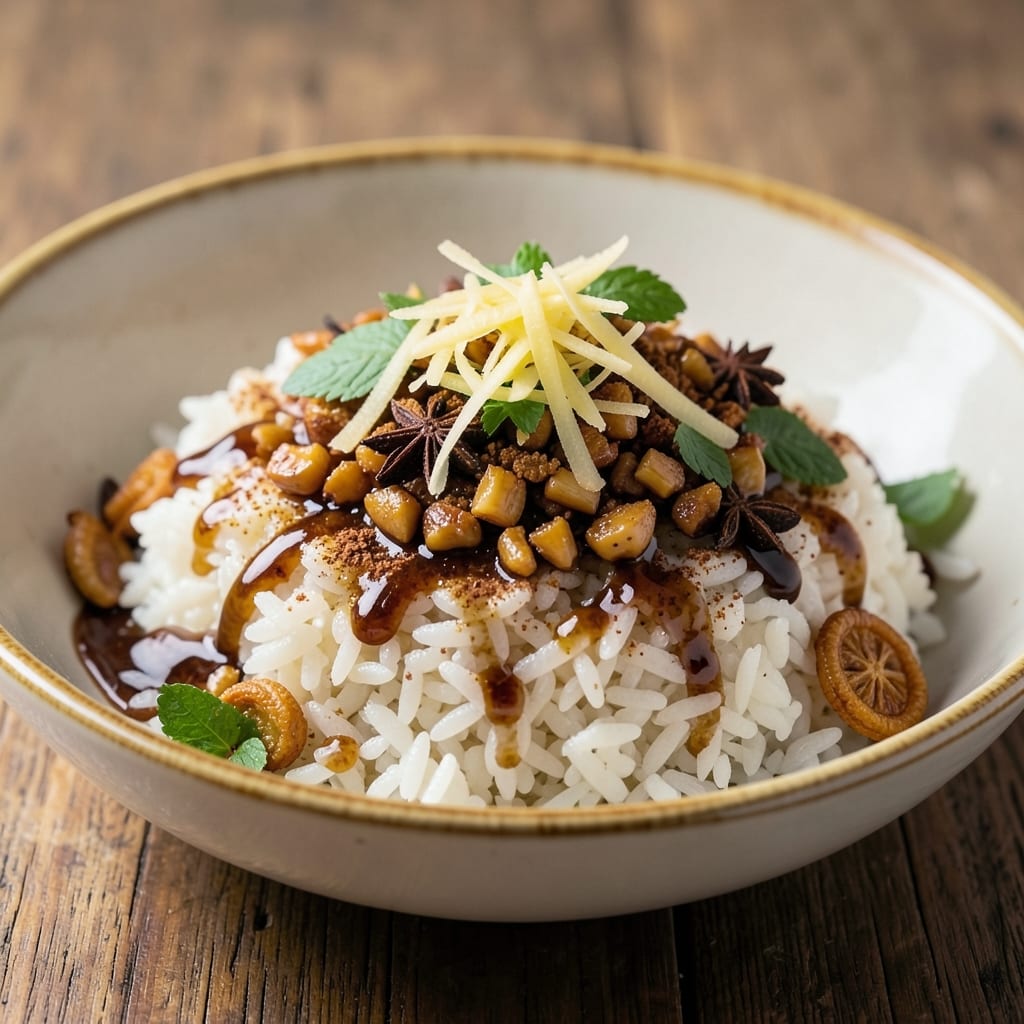
This Asian seasoned rice recipe transforms simple white rice into a fragrant, flavor-packed side that pairs perfectly with stir-fries or grilled proteins. The magic happens in the wok—where garlic, ginger, and five-spice powder create an aromatic base that infuses every grain. I developed this method after realizing most seasoned rice recipes either taste flat or require too many steps. This version delivers bold, restaurant-quality flavor in one pot with minimal effort.
The secret lies in toasting the aromatics until fragrant before adding rice, ensuring deep flavor penetration. A balance of soy sauce, sesame oil, and fish sauce creates that signature umami depth, while a splash of rice vinegar adds brightness. The result is rice with a subtle crunch from toasted sesame seeds and a complex aroma that lingers long after the first bite. This technique works with jasmine, basmati, or even short-grain rice—each variety brings its own texture while absorbing the seasoning perfectly.
What makes this recipe stand out is its versatility—it elevates simple meals into something special without requiring advanced skills. The five-spice blend adds warmth, while scallions contribute freshness, creating a harmonious balance. Serve it alongside stir-fried vegetables, grilled chicken, or even as a standalone dish with a fried egg on top. The rice stays fragrant and flavorful even when reheated, making it ideal for meal prep.
For an extra layer of complexity, consider adding a variation like Thai basil rice (swap five-spice for holy basil and lime zest) or coconut-lime rice (stir in toasted coconut flakes and lime juice at the end). The key is customizing the seasoning blend to match your preferred flavor profile while keeping the core technique intact. This dish proves that seasoned rice doesn't have to be complicated—just flavorful and foolproof.
Ingredients for asian seasoned rice
Jasmine rice, aromatic spices, and carefully balanced seasonings create restaurant-quality flavor in one pot.
| Ingredient | Amount | Notes |
|---|---|---|
| Jasmine Rice 🍚 | 1 ½ cups | Uncooked, long-grain preferred |
| Garlic Cloves 🧄 | 4 cloves | Minced, fresh preferred |
| Fresh Ginger 🌿 | 1 tbsp | Grated, peeled |
| Five-Spice Powder 🌶️ | 1 tbsp | Authentic Chinese blend |
| Light Soy Sauce 🍶 | 2 tbsp | Kikkoman preferred |
| Sesame Oil 🫒 | 1 tbsp | Toasted, for aroma |
| Fish Sauce 💧 | 1 tsp | Red Boat preferred |
| Rice Vinegar 🍋 | 1 tbsp | Seasoned, for brightness |
| Toasted Sesame Seeds 🥜 | 1 tbsp | For crunchy texture |
| Scallions 🧅 | 3 whole | Thinly sliced, green parts |
| Vegetable Oil 🫒 | 2 tbsp | High smoke point |
| Water 💧 | 2 cups | Room temperature |
| Salt 🧂 | ½ tsp | Diamond Crystal preferred |
| Black Pepper 🌶️ | ¼ tsp | Freshly ground |
The foundation of this dish lies in the five-spice powder and toasted sesame oil—authentic Chinese five-spice from Penzeys or Asian markets delivers the best depth of flavor. For garlic and ginger, fresh is non-negotiable—the aromatic compounds develop fully when toasted. Look for Kikkoman soy sauce at any grocery store, but Red Boat fish sauce requires a specialty aisle or online order. The rice vinegar should be seasoned, not plain, for that signature tang. Scallions add freshness, so choose bright green, firm stalks—avoid any with wilted tops. Toast your sesame seeds in a dry pan until golden for maximum crunch.
No five-spice powder? Substitute 1/2 tsp each of cinnamon, cloves, fennel, star anise, and pepper—though it won't be identical. Running short on fish sauce? Soy sauce with a pinch of sugar mimics the umami. For a vegetarian version, replace fish sauce with 1 tsp coconut aminos plus 1/2 tsp sugar. The sesame oil is purely aromatic—if you dislike its flavor, reduce to 1/2 tbsp or omit entirely. For the rice, jasmine works best but basmati or short-grain rice will adapt. If using basmati, increase water by 1/4 cup—it absorbs differently. The scallions can be swapped for green onions, but the white parts must be removed for true freshness.
This rice reheats beautifully—simply cover with a damp paper towel and microwave for 1-2 minutes. For meal prep, store in an airtight container for up to 4 days, though flavor peaks within 2 days. Freeze portions for 3 months—thaw overnight in the fridge before reheating. The sesame seeds and scallions can be added fresh after reheating to maintain texture. For extra crunch, toast additional seeds in a dry pan and sprinkle on top before serving. This dish's versatility makes it ideal for batch cooking—double the recipe and freeze half for future meals.
Why You'll Love This Recipe
- No-Chop Necessary: I swear by this—just mince one garlic clove and a thumb-sized ginger chunk. The rest? Toss the rice in a bowl, sprinkle the five-spice powder, and let the soy sauce do the work. My lazy nights thank me every time.
- Umami Bomb: That light soy sauce, simmered just until it clings to the rice? Chef’s kiss. The garlic and ginger caramelize into something sweet-savory, while the five-spice adds warmth—like a cozy blanket for your taste buds. Honestly, I’ve had people ask what brand of rice I use. (It’s just jasmine.)
- Lunchbox Hero: This rice stays fresh for days in the fridge, so I make a big batch on Sundays. Pack it cold for work or reheat it with a fried egg and quick-pickled veggies—suddenly, boring lunches feel like a restaurant meal. My kids even eat it straight from the container. (Yes, even on a Tuesday.)
- Pantry Staple Magic: Five-spice and soy sauce are already in my cupboard, and jasmine rice is cheap. I’ve made this with $3 worth of ingredients and fed four people. Plus, leftovers taste just as good reheated—no sad, dry rice here. Budget win, flavor win.
Step-by-step instructions for Asian seasoned rice
Master this one-pot technique for fragrant, perfectly seasoned rice with aromatic depth and textural contrast.
Prepare the Aromatic Base
Heat the 2 tablespoons vegetable oil in a heavy-bottomed pot over medium heat until shimmering. Add the 4 cloves minced garlic cloves and 1 tablespoon grated fresh ginger, cooking for 1-2 minutes until fragrant but not browned. This step develops the foundation of your rice's complex flavor profile.
Add the 1 tablespoon five-spice powder and stir for 30 seconds to toast the spices, allowing their warm, earthy notes to bloom. Immediately pour in the 2 tablespoons light soy sauce and 1 teaspoon fish sauce, stirring constantly for 1 minute to create a cohesive paste. The soy sauce will begin to caramelize slightly, deepening the umami flavor.
Toast the Rice and Build Layers
Add the 1.5 cups jasmine rice to the pot and stir vigorously for 1-2 minutes until each grain is evenly coated in the aromatic oil mixture. This critical step ensures each kernel absorbs the seasonings thoroughly. You'll notice the rice begins to release starches, creating a light sheen in the pot.
Pour in the 2 cups room temperature water and the 1 tablespoon rice vinegar, then sprinkle with the 0.5 teaspoon salt and 0.25 teaspoon black pepper. Stir gently once to distribute the liquid evenly. The rice should be submerged but with a slight headspace above the water level.
Simmer to Perfect Texture
Bring the mixture to a gentle boil over medium-high heat, then immediately reduce to low heat. Cover the pot tightly with a lid and maintain a steady simmer for 15 minutes. During this time, resist the urge to peek—each disturbance releases steam and can lead to uneven cooking.
After 15 minutes, remove the pot from heat and let it rest, covered, for 10 minutes. This resting period allows the steam to redistribute throughout the rice, resulting in perfectly fluffy grains with a slightly sticky texture. The rice should be tender but still have a slight bite—this indicates proper doneness.
Finish with Crunchy Contrast
Gently fluff the rice with a fork, then stir in the 1 tablespoon toasted sesame seeds and 3 whole thinly sliced scallions. Drizzle with the 1 tablespoon sesame oil and toss lightly to distribute evenly. The sesame oil adds a nutty aroma and subtle richness, while the sesame seeds provide essential crunch.
For optimal texture, serve immediately while the rice is still warm. The contrast between the tender, fragrant rice and the crisp sesame seeds creates an irresistible mouthfeel. Each bite should deliver a harmonious blend of savory, aromatic, and slightly sweet notes with a satisfying crunch.
Pro Tips For Making Asian Seasoned Rice
- Bloom the Spices First: Toss your five-spice powder and minced garlic/ginger in a dry pan for 30 seconds before adding oil—just until the garlic turns pale gold and you smell that warm, toasty aroma. I used to skip this, and the rice always tasted flat; now it’s the foundation of the flavor.
- Toast the Ginger Hard: When frying the ginger, push it into the oil until it’s deep amber, not just pale—about 2 minutes. Burnt-tasting? Good. That’s the depth you want. Fresh ginger’s heat mellows into a smoky sweetness that cuts through the rice’s starchiness.
- Soy Sauce Last: Stir in the light soy sauce after the rice is fully cooked and off the heat, then let it sit covered for 5 minutes. Adding it earlier makes the rice gummy; this way, it soaks in evenly without turning gluey.
- Use Day-Old Rice: Cook your jasmine rice a day ahead and refrigerate it—then reheat with a splash of water and steam. Cold rice absorbs the garlic-ginger-soy mix better, and the texture stays separate instead of mushy. (Yes, even if you’re impatient like me.)
Dietary considerations for this recipe
Gluten-Free Adaptations
This recipe naturally accommodates gluten-free diets by using rice vinegar and tamari instead of regular soy sauce. Replace the 2 tbsp light soy sauce with 2 tbsp gluten-free tamari (like San-J brand) for the same umami depth without gluten. Double-check your five-spice powder for hidden wheat additives—stick to certified gluten-free blends from Penzeys or Asian markets. The fish sauce is typically gluten-free, but verify the brand (Red Boat is safe). 🌱
Vegetarian Modifications
For a vegetarian version, replace the 1 tsp fish sauce with 1 tsp coconut aminos plus ½ tsp sugar to mimic umami and balance flavors. The five-spice powder remains vegetarian-friendly, and all other ingredients are plant-based. If you prefer a richer taste, add ½ tsp miso paste (white or red) during the aromatic base step. The texture and aroma stay identical—just the depth of savory notes changes slightly. 🥜
Low-Sodium Options
Reduce the 2 tbsp soy sauce to just 1 tbsp and add ½ tsp nutritional yeast for umami without extra sodium. Use low-sodium fish sauce (or omit entirely) and cut the salt to ¼ tsp. For extra flavor, increase the garlic and ginger to 5 cloves and 1.5 tbsp respectively. The rice will still taste deeply seasoned but with significantly less sodium—ideal for heart-healthy meals. 💡
Allergen-Friendly Swaps
For sesame allergies, omit the sesame oil and seeds—replace with 1 tbsp neutral oil and 1 tbsp chopped peanuts for crunch. If nut allergies are a concern, skip both and add extra scallions or a sprinkle of toasted pumpkin seeds. For soy allergies, use Kikkoman gluten-free coconut aminos instead of soy sauce. Always check labels on five-spice blends for potential cross-contamination. 🚫
Protein Pairings
This rice pairs beautifully with lean proteins like grilled shrimp or baked tofu—the five-spice notes complement their mild flavors. For heartier meals, serve with teriyaki chicken or miso-glazed salmon. The slight stickiness of the rice helps it cling to proteins, creating each bite's perfect harmony. Keep portions balanced: 1 cup rice per 4 oz protein ensures a satisfying plate without overwhelming flavors. ✨
Nutrition facts
Frequently asked questions
Can I use basmati rice instead of jasmine?
Yes, you can substitute basmati rice—it works especially well for this recipe! Increase the water by ¼ cup (to 2¼ cups) since basmati absorbs slightly differently. The aromatic base and seasoning technique remains identical, though basmati's nuttier flavor pairs beautifully with the five-spice blend. For extra fragrance, consider toasting the basmati in the pot for 1 minute before adding water.
Why does my seasoned rice taste bland?
Bland flavor usually means the aromatics weren't toasted enough or the seasonings weren't incorporated properly. Always cook the garlic and ginger until fragrant (not browned) and stir the rice vigorously for 1-2 minutes in the oil. For extra depth, add ½ tsp more fish sauce or soy sauce during the simmering stage. Freshly ground black pepper also helps balance flavors—don't skip it!
How do I make this rice with less oil?
You can reduce the oil to 1 tablespoon while still achieving great flavor, but be extra careful with the heat. Toast the garlic and ginger at medium-low heat for 2-3 minutes to develop aroma without burning. The rice may release slightly less starch, so stir it more vigorously during the toasting step. For texture, add extra toasted sesame seeds to compensate for reduced oil.
Can I make this rice in a rice cooker?
Use the same ratio of rice to water (1.5 cups rice : 2 cups water) and follow the same aromatic base steps in a small pot first. After toasting the garlic, ginger, and spices, add the rice and water to the rice cooker. The cooker will handle the simmering perfectly. For best results, let it rest for 10 minutes after cooking before adding the sesame seeds and scallions.
What's the best way to reheat leftover seasoned rice?
Reheat in a skillet over medium-low heat with 1 teaspoon oil and 1 tablespoon water per cup of rice, stirring gently for 3-4 minutes. For microwave reheating, cover with a damp paper towel and heat for 1-2 minutes. Always add fresh sesame seeds and scallions after reheating to maintain texture. The rice will be slightly drier but still packed with flavor—just add a splash of water if needed.