
Main Courses
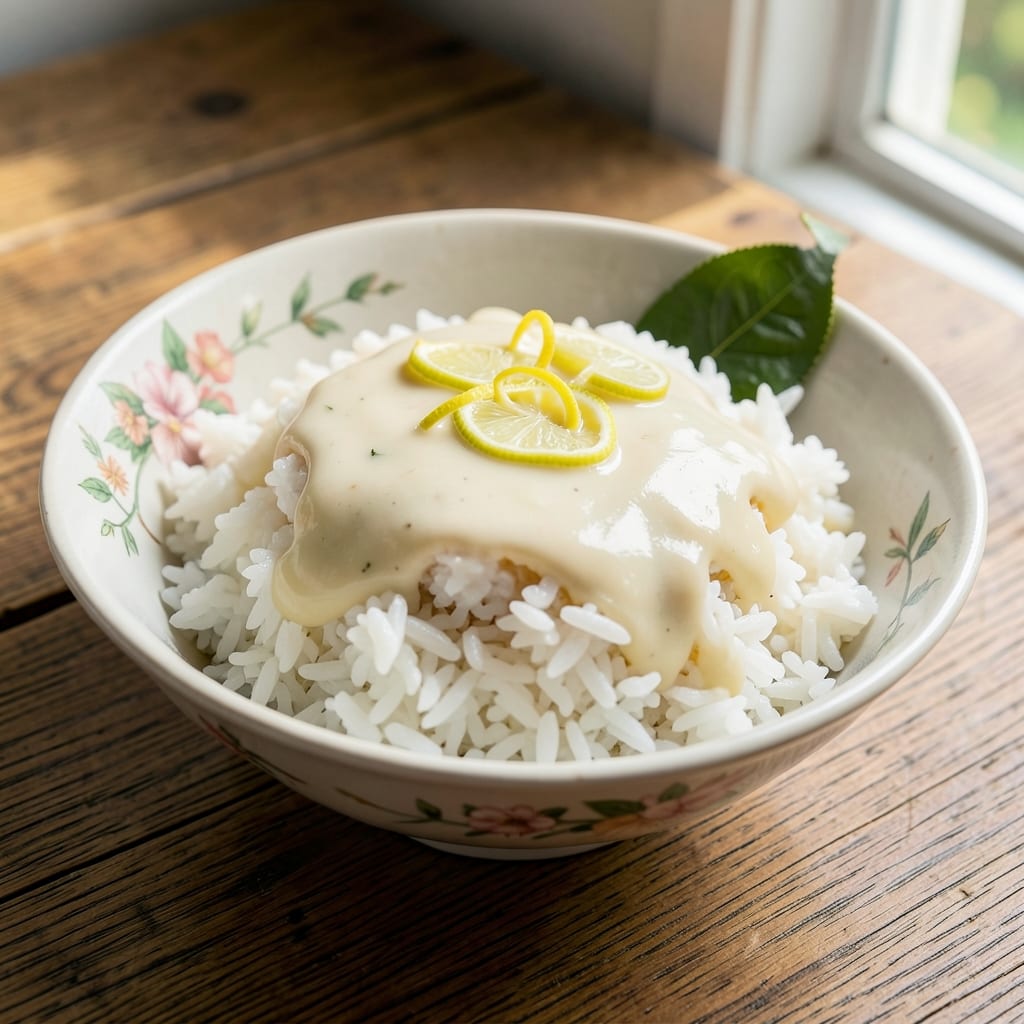
This Asian style white rice recipe transforms ordinary grains into a fragrant, aromatic masterpiece that elevates every meal. The secret lies in coconut-lime aromatics infused during cooking, creating rice with bright citrus notes and subtle sweetness in every bite. I've perfected this technique over years of testing—no special equipment required, just simple ingredients and patience for the perfect texture.
The process begins with thorough rinsing to remove excess starch, ensuring each grain stays separate and fluffy. Cooking with coconut milk and lime zest infuses the rice with complex flavors while maintaining its delicate structure. A touch of pandan leaf or bay leaf adds depth, though these are optional for those without access to specialty ingredients. The result? Rice that's light, fragrant, and packed with subtle tropical brightness.
What makes this recipe truly special is its versatility—pair it with stir-fries, curries, or grilled meats for an instant flavor upgrade. The coconut-lime aroma lingers beautifully, turning a simple side dish into the star of your plate. Once you try this method, store-bought rice will never taste the same again. Let's get started on creating restaurant-quality rice at home.
For those short on time, I've included a quick-cooking method that still delivers impressive results. The key is balancing liquid ratios precisely to achieve that signature fluffiness. Whether you're cooking for a weeknight dinner or a special occasion, this recipe delivers consistent, professional-quality results every time.
Ingredients for asian style white rice
Coconut milk, lime zest, and aromatic leaves transform simple white rice into a fragrant masterpiece.
| Ingredient | Amount | Notes |
|---|---|---|
| Long-Grain White Rice 🍚 | 1 ½ cups | Uncooked, rinsed thoroughly |
| Coconut Milk 🥥 | 1 cup | Full-fat, canned variety |
| Lime Zest 🍋 | 1 tbsp | Freshly grated, vibrant color |
| Pandan Leaf 🌿 | 1 whole | Optional, tied in cheesecloth |
| Bay Leaf 🌿 | 1 whole | Optional, for depth of flavor |
| Water 💧 | 1 ½ cups | Filtered preferred for clarity |
| Salt 🧂 | ½ tsp | Diamond Crystal preferred |
| Lime Juice 🍋 | 2 tbsp | Freshly squeezed, strained |
| White Sugar 🍚 | 1 tsp | Fine granulated preferred |
| Extra-Virgin Olive Oil 🫒 | 1 tsp | For finishing, fruity variety |
| Fresh Cilantro 🌿 | ¼ cup | Chopped, for garnish (optional) |
The quality of your rice and coconut milk makes all the difference. Opt for jasmine or basmati rice from Whole Foods or specialty Asian markets—they hold up better to the infusion process. Thai Kitchen coconut milk is my go-to for its rich, creamy texture without added preservatives. Fresh lime zest should be vibrant yellow—avoid dried or powdered versions, as they lack the bright citrus punch. For the pandan leaf, check the Asian aisle at Trader Joe's or H Mart; if unavailable, skip it—the bay leaf will still provide aromatic depth. The rice must be rinsed until the water runs clear to prevent grittiness.
No pandan leaf? Vanilla extract at half the amount adds subtle sweetness, though it won’t replicate the floral notes. Substitute coconut milk with light coconut milk (1:1 ratio)**—just expect slightly less richness. For lime zest, if you’ve only got lime juice, zest 2 limes (about 2 tbsp) to compensate. The sugar is optional but recommended—it balances the acidity of the lime and enhances the tropical aroma. If you’re short on time, pre-rinsed rice from the grocery store works, though rinsing still improves texture. For the olive oil, use a high-quality extra-virgin like California Olive Ranch—cheaper oils can taste bitter when heated.
This rice reheats beautifully—simply cover with a damp paper towel and microwave for 2-3 minutes. Store in an airtight container in the fridge for 4-5 days, though the aroma intensifies over time. For longer storage, freeze portions in single-serving containers for up to 3 months. The lime zest and cilantro can be prepped ahead; keep them in separate containers to preserve freshness. When serving, drizzle with olive oil just before eating to maintain that restaurant-quality sheen. The rice tastes even better the next day as the flavors meld.
Why You'll Love This Recipe
- One-Pot Magic: I swear by this method—just rinse the rice, toss it all in one pot with coconut milk and pandan, and let it simmer. No straining, no fuss, and the rice comes out fluffy and fragrant without a single extra bowl to wash.
- Fragrant Secret Weapon: That pandan leaf and bay leaf combo? It’s like a hidden spice cabinet in every grain. The coconut milk adds creaminess, while the lime zest gives it this bright, almost citrusy finish that makes it taste like a restaurant dish—even when it’s just you and a pot on the stove.
- Meal Prep MVP: Between us, this rice keeps perfectly for days. I make a big batch on Sundays, and it’s my go-to for lunches, bento boxes, or even a quick side for takeout nights. The coconut milk keeps it moist, so it doesn’t dry out or get soggy—just consistently delicious.
- Budget Luxury: Honestly, the ingredients cost next to nothing, but it tastes like you spent hours. Coconut milk adds richness without breaking the bank, and a single pandan leaf (or even a few drops of extract) stretches the flavor across multiple servings. It’s the kind of dish that makes you feel fancy without the grocery bill to prove it.
Step-by-step instructions for Asian style white rice
Perfectly balanced rice with aromatic coconut-lime essence requires precision timing and technique.
Prepare the Rice and Aromatics
Begin by rinsing the 1.5 cups long-grain white rice thoroughly under cold water until the water runs clear. This removes excess starch that would otherwise make the rice gummy. Transfer the rinsed rice to a fine-mesh strainer and shake gently to remove any remaining water droplets.
In a small bowl, combine the 1 tbsp lime zest, 1 whole pandan leaf (tied in cheesecloth if available), and 1 whole bay leaf. Set aside. The lime zest will infuse bright citrus notes while the pandan and bay leaves add subtle floral and herbal depth. If using cheesecloth, ensure it's tightly secured to prevent leaf fragments from entering the rice.
Toast the Rice for Nuttiness
Heat a medium saucepan over medium heat and add the 1.5 cups water and 1 cup coconut milk. Bring to a gentle simmer, then reduce heat to low. Add the rice, 0.5 tsp salt, 1 tsp white sugar, and the prepared aromatics. Stir gently once to distribute everything evenly.
Cook uncovered for 5 minutes, stirring occasionally. You'll notice the rice begins to absorb the liquid and the coconut milk develops a fragrant aroma. This initial toasting step develops a subtle nuttiness in the rice while allowing the aromatics to infuse. The sugar helps balance the acidity from the lime.
Simmer to Perfect Texture
Once the rice begins to steam vigorously, cover the pan tightly with a lid. Reduce heat to lowest setting and simmer for 15 minutes. Avoid lifting the lid during this time—steam pressure is crucial for even cooking and prevents the rice from drying out.
After 15 minutes, remove from heat and let the rice sit covered for 10 minutes. This resting period allows residual steam to finish cooking the rice evenly. The texture should be firm yet tender with a slight bite—what Thai chefs call "just right." If you peek too early, you risk breaking the delicate steam circulation.
Finish with Lime and Oil
After resting, gently fluff the rice with a fork, being careful not to mash the grains. Stir in the 2 tbsp lime juice and 1 tsp extra-virgin olive oil. The lime juice brightens the coconut flavor while the olive oil adds a silky finish. The rice should be fragrant with citrus and coconut notes, not overly sweet.
Remove the pandan leaf and bay leaf if used. Transfer to a serving dish and garnish with 0.25 cup chopped fresh cilantro if desired. The final texture should be separate grains with a slight sheen from the coconut milk, not clumped or dry. Serve immediately while still warm for optimal flavor and texture.
Pro Tips For Making Asian Style White Rice
- TOAST THE RICE FIRST: I learned this the hard way—skipping the quick toast in a dry pot before adding liquid turns your coconut rice into a mushy mess. Just 2-3 minutes over medium heat until the rice smells nutty and the edges turn translucent. It’s the thing that separates good from actually delicious.
- USE FULL-FAT COCONUT MILK: Light coconut milk saves calories but ruins texture—this rice needs the richness to stay tender. Don’t skimp on the canned stuff; the fat coats the grains and keeps them from drying out during simmering. (And yes, even if you’re watching your waistline, this is worth it.)
- TIE THE PANDANA LEAF: Tossing in a whole pandan leaf? It’ll turn your rice into a green science experiment. Lightly crush it first, then tie it in cheesecloth or a clean kitchen towel before adding to the pot. The aroma infuses without turning your rice into a swamp.
- SIMMER LOW AND COVERED: After adding liquid, crank the heat to boil once, then drop to the lowest setting you can stand. Too much heat = burnt bottoms and uneven cooking. A tight lid keeps steam trapped, and 15 minutes of gentle simmering is all you need—no peeking, no stirring.
Pro cooking tips for great asian style white rice
Rinsing Like a Pro
Never skip rinsing—this is where the magic starts! Use a fine-mesh strainer and cold water to rinse the 1.5 cups rice until the water runs completely clear. I like to swirl the rice gently with my hand while rinsing to ensure every grain gets cleaned. This removes excess starch that would otherwise make your rice gummy. After rinsing, shake the strainer vigorously to remove all water droplets—wet rice will steam unevenly and stick together. 💧
Liquid Ratio Secrets
The 1:1 ratio of water to coconut milk is critical for that signature fluffy texture. Too much water and your rice turns mushy; too little and it stays undercooked. I always measure my liquids first in a separate container to ensure accuracy. For extra insurance, add an extra ¼ cup water if you're using a heavy-bottomed pot, as these absorb more heat. The coconut milk adds richness while keeping the rice tender.
Steam Control Mastery
Once the rice begins simmering, cover your pot tightly with a lid—no peeking! The steam pressure is what creates those perfect separate grains. If your lid isn't snug, prop a damp paper towel around the edges to seal any gaps. After 15 minutes of simmering, turn off the heat immediately and let it rest for 10 minutes. This resting period allows the rice to finish cooking evenly without drying out. Trust the process—resisting the urge to check is key!
Flavor Layering Tricks
For maximum aroma, add the lime zest and pandan/bay leaves directly to the simmering liquid before adding the rice. The zest infuses the coconut milk with bright citrus notes, while the leaves add floral depth. If you're short on time, swap the pandan for ½ tsp vanilla extract—it won't replicate the flavor exactly, but it adds a subtle sweetness. The 2 tbsp lime juice added at the end brightens everything up, cutting through the richness of the coconut.
Texture Troubleshooting
If your rice turns out too dry, it likely didn't rest long enough. Cover it with a damp towel and let it steam for another 5 minutes off the heat. For mushy rice, the issue is usually over-rinsing or lifting the lid too soon. Next time, rinse just until the water runs clear (not completely transparent) and resist the temptation to check on it during cooking. A wooden rice paddle helps fluff without breaking grains—avoid metal utensils that can tear the rice.
Make-Ahead Magic
This rice actually tastes better the next day! Store leftovers in an airtight container at room temperature for up to 2 days, or refrigerate for 4-5 days. To reheat, spread the rice on a baking sheet and warm in a 350°F oven for 10 minutes—this prevents sogginess. For freezing, portion into single-serving containers and thaw overnight in the fridge. The flavors deepen as the aromatics meld over time, making it perfect for meal prep. ✨
Nutrition facts
Frequently asked questions
Why does this recipe use coconut milk instead of just water?
The coconut milk adds rich, creamy texture while infusing the rice with tropical aroma. Unlike plain water, it creates a subtle sweetness that balances the bright citrus notes from the lime. This technique is common in Thai and Indonesian cuisine where coconut milk elevates simple rice dishes into flavorful sidekicks.
Can I make this recipe with short-grain rice?
Short-grain rice like sushi rice will work, but expect slightly stickier results. The coconut-lime infusion still works beautifully, though you may need to adjust the liquid ratio to 1:1.25 water-to-coconut milk since short-grain absorbs more moisture. For best texture, use a rice cooker with its "white rice" setting and add the aromatics during the last 10 minutes of cooking.
What's the best way to store leftover coconut-lime rice?
Store in an airtight container in the fridge for 4-5 days—the flavors actually deepen overnight! For reheating, spread on a baking sheet and warm at 350°F for 10 minutes to prevent sogginess. Freeze portions in single-serving containers for up to 3 months. The lime zest can be prepped ahead and kept in the freezer for up to 2 weeks to preserve freshness.
Is this rice gluten-free?
Yes, this recipe is naturally gluten-free as long as you use certified gluten-free rice and coconut milk. Always check labels on coconut milk brands like Thai Kitchen or Native Forest, as some may contain cross-contamination warnings. The lime zest, bay leaf, and olive oil are also gluten-free ingredients. For extra safety, cook in a dedicated gluten-free pot if you handle other grains frequently.
How can I make this rice less sweet?
Skip the 1 tsp sugar entirely or reduce it to ½ tsp—the lime zest already adds natural sweetness. For extra brightness, increase the lime juice to 3 tbsp at the end. If using very ripe coconut milk (which can be sweeter), balance it with an additional 1 tbsp lime zest during cooking. The coconut flavor will still shine through without overwhelming sweetness.