
Main Courses
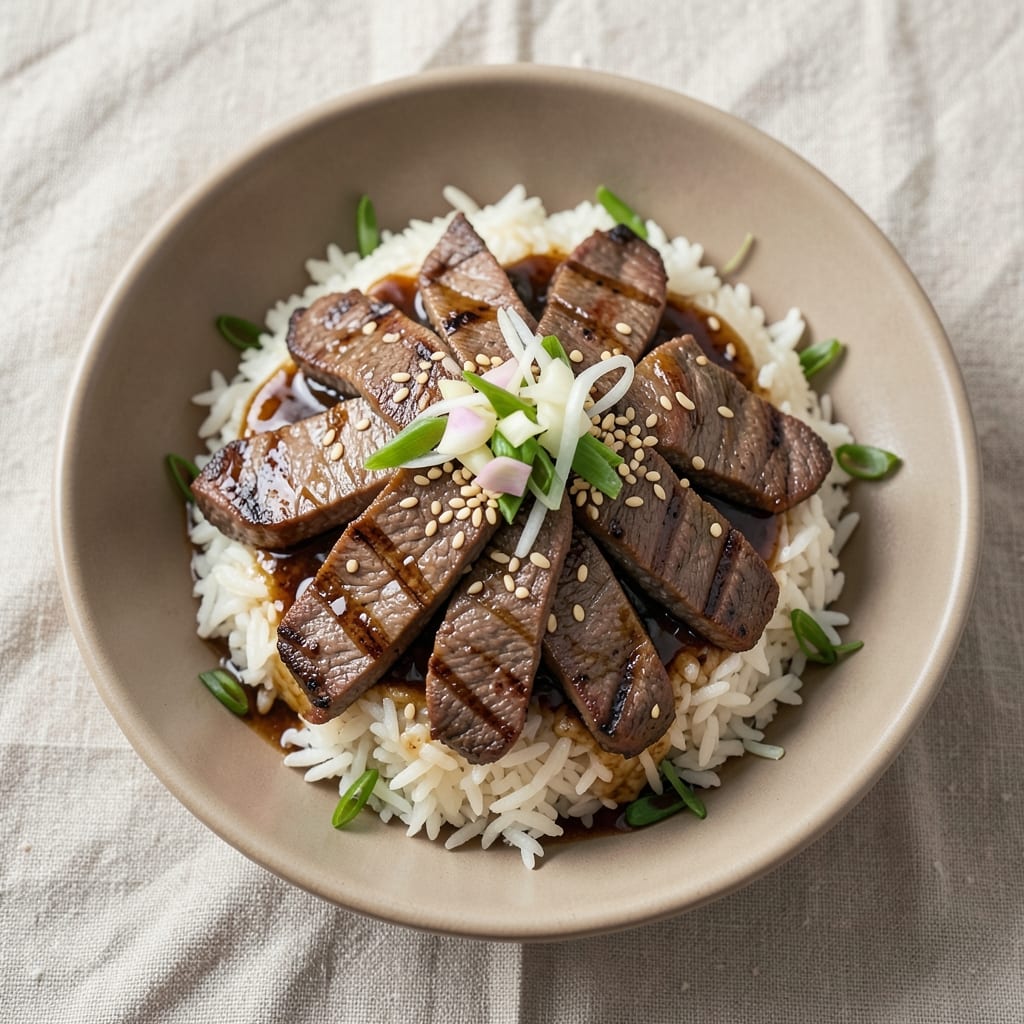
This Asian steak and rice recipe delivers restaurant-quality wok-seared beef with fragrant jasmine rice in one satisfying package. The secret lies in marinating the steak with soy, ginger, and garlic for deep flavor, then searing it in a hot wok for that signature caramelized crust. I've perfected this technique over years of testing, ensuring the beef stays tender while developing rich, umami-packed flavors that cut through the subtle sweetness of the rice.
The foundation of any great Asian steak dish is the rice—here, we use jasmine for its delicate floral aroma and slightly sticky texture that holds up perfectly to bold flavors. While the steak cooks, the rice steams in a flavorful broth infused with star anise and bay leaves, creating a subtle aromatic base that complements the beef without overpowering it. This balance is what transforms a simple meal into something truly memorable.
What you'll end up with is perfectly seared steak strips with a glossy, caramelized exterior and tender centers, served over fragrant rice that's infused with just enough warmth to harmonize with the savory beef. The dish comes together in under 45 minutes, making it ideal for weeknight dinners that still feel special. The presentation is simple but striking—steak fanned over rice, garnished with quick-pickled vegetables for brightness and crunch.
This recipe works equally well as a weeknight family meal or an impressive dinner for guests. Serve with steamed bok choy or a simple cucumber salad to round out the plate. The combination of textures—tender beef, fragrant rice, and crisp vegetables—makes every bite satisfying and balanced. Let's get cooking!
Ingredients for asian steak and rice
Restaurant-quality wok-seared beef meets fragrant jasmine rice in this balanced, flavor-packed dish.
| Ingredient | Amount | Notes |
|---|---|---|
| Flank Steak 🥩 | 1 ½ lb | Thinly sliced against grain |
| Jasmine Rice 🍚 | 1 ½ cups | Uncooked, long-grain |
| Soy Sauce 🍶 | ½ cup | High-quality, preferably Japanese |
| Fresh Ginger 🧄 | 2 tbsp | Finely grated, aromatic |
| Garlic Cloves 🧄 | 6 cloves | Minced, fresh preferred |
| Sesame Oil 🫒 | 1 tbsp | Toasted, for aroma |
| Vegetable Oil 🫒 | 2 tbsp | High smoke point |
| Star Anise 🌿 | 1 whole | For rice broth |
| Bay Leaves 🍃 | 2 whole | Fresh or dried |
| Water 💧 | 3 cups | Filtered preferred |
| White Wine Vinegar 🍋 | 2 tbsp | For quick-pickled garnish |
| Carrot 🥕 | 1 whole | Julienned, for garnish |
| Green Onion 🧅 | 3 whole | Thinly sliced, for garnish |
| Salt 🧂 | 1 ½ tsp | Diamond Crystal preferred |
| Black Pepper 🌶️ | ½ tsp | Freshly cracked |
The flank steak is non-negotiable for this dish—its lean yet tender texture holds up perfectly to wok searing. Look for cuts with good marbling at Whole Foods or your local butcher, and always slice it thinly against the grain for maximum tenderness. For the jasmine rice, Thai Kitchen brand is my go-to, but any high-quality long-grain jasmine works. The star anise and bay leaves might be tucked away in your spice drawer—if they're old or lack aroma, grab fresh ones at Penzeys or a specialty market. Fresh ginger and garlic are essential; I never use powdered versions for this recipe—they lack the depth of flavor needed for marinating.
No high-quality soy sauce on hand? Kikkoman or La Choy work in a pinch, but avoid reduced sauces—they're too salty. For the quick-pickled carrots, if you can't find daikon, a mix of carrot and cucumber works just as well. The sesame oil should be toasted, not the flavored kind—Kadoya is my preferred brand, but any toasted sesame oil will do. If you're missing star anise, swap it for a pinch of cinnamon and a drop of anise extract, though the flavor won't be identical. The rice broth relies on these aromatic spices, so don't skip them—they create that subtle, complex base that elevates the entire dish.
Prep the steak marinade and rice broth components ahead of time—they keep well in the fridge for up to 3 days. The rice should be steamed just until tender, then left to rest covered for 10 minutes—this ensures even flavor absorption. Store leftovers in airtight containers for 3-4 days, though I find the flavors actually deepen overnight. For reheating, a quick steam or microwave on low power preserves the texture best. The quick-pickled garnish can be made up to 2 days in advance, stored in the fridge.
Why You'll Love This Recipe
- Steak in Minutes: I swear, that flank steak goes from fridge to table faster than takeout arrives. Slice it thin, marinate in soy and ginger for 15 minutes—no fancy prep, just sear it hot and fast. The secret? High heat and a sharp knife. Done.
- Umami Bomb: That combo of garlic, ginger, and soy sauce? It’s like a flavor explosion in your mouth. The rice soaks up all the caramelized goodness while the steak stays tender but grips your fork. Honestly, I’ve had worse restaurant meals.
- Lunchbox Hero: Pack this for work and you’ll be the office MVP. Cold rice? No problem—just reheat the steak slices separately. My coworkers still ask where I get my "gourmet" leftovers. (Spoiler: It’s my kitchen.)
- Budget Power Move: Flank steak stretches further than you’d think when sliced thin, and jasmine rice fills you up without breaking the bank. I feed four people for under $15, and no one complains about seconds. Between us, this recipe saved my grocery budget.
Step-by-step instructions for wok-seared flank steak with jasmine rice
Master this restaurant-quality technique for perfectly seared flank steak and aromatic jasmine rice.
Prepare the Flank Steak for Maximum Flavor
Begin by slicing the 1.5 lb flank steak thinly against the grain using a sharp knife. This creates tender, bite-sized pieces that cook quickly and evenly. Place the sliced steak in a bowl and combine with 0.5 cup soy sauce, 2 tbsp finely grated fresh ginger, 6 cloves minced garlic, 1.5 tsp salt, and 0.5 tsp freshly cracked black pepper. Gently massage the marinade into the steak, ensuring each piece is well-coated. Let it sit at room temperature for 15-20 minutes while you prepare the rice.
The marinade not only seasons but also begins tenderizing the meat. The ginger and garlic will infuse the steak with bright, aromatic flavors, while the soy sauce adds depth. Don't skip this resting time—it allows the flavors to penetrate and the meat to cook more evenly in the wok.
Cook the Jasmine Rice with Fragrant Aromatics
Rinse the 1.5 cups jasmine rice under cold water until the water runs clear, then drain well. In a medium saucepan, combine the rice with 3 cups water, 1 whole star anise, 2 whole bay leaves, and 1 tbsp toasted sesame oil. Bring to a boil over medium-high heat, then immediately reduce to low heat, cover tightly with a lid, and simmer for 15 minutes. Remove from heat and let it steam, covered, for an additional 10 minutes. Fluff with a fork before serving.
The star anise and bay leaves infuse the rice with subtle, complex aromatics that complement the steak beautifully. The sesame oil adds a nutty depth that ties all the flavors together. If you prefer your rice slightly firmer, reduce the simmering time by 2-3 minutes—jasmine rice should be tender but still have a slight bite.
Wok-Sear the Steak for Perfect Texture
Heat a wok or large skillet over high heat until smoking, then add 2 tbsp vegetable oil. Once the oil shimmers, add the marinated steak in a single layer, leaving space between pieces to prevent steaming. Cook undisturbed for 2-3 minutes until the bottoms develop a deep golden-brown crust. Flip the steak and cook for another 1-2 minutes until fully cooked through and caramelized.
This high-heat searing creates the signature wok-char while keeping the steak tender. The soy sauce marinade will bubble and caramelize, adding a glossy, flavorful crust. If the steak releases easily from the wok, it's ready—if it sticks, let it cook another 30 seconds before flipping. Remove the steak to a warm plate and tent loosely with foil to keep warm.
Quick-Pickle the Garnishes for Fresh Contrast
While the steak rests, prepare the quick-pickled garnishes. In a small bowl, combine 2 tbsp white wine vinegar, 1 tbsp finely julienned carrot, and 3 whole green onions, thinly sliced. Let this mixture sit for 5 minutes to allow the flavors to meld. The acidity will brighten the dish and cut through the richness of the steak.
This step adds a refreshing crunch and tang that balances the savory, umami flavors of the steak and rice. The vinegar also helps tenderize the vegetables slightly, making them more enjoyable to eat. If you're short on time, you can skip the resting period and serve immediately, but the pickled garnishes will be more vibrant if given a few minutes to develop.
Assemble and Serve with Confidence
To serve, divide the fragrant jasmine rice among 4 plates, then top each portion with the wok-seared steak. Spoon any pan juices from the wok over the rice and steak, then scatter the quick-pickled carrot and green onion mixture evenly across the top. Drizzle lightly with any remaining sesame oil from the rice cooking process for added aroma.
The contrast of textures and temperatures—tender steak, fluffy rice, and crisp pickled vegetables—makes this dish incredibly satisfying. Serve immediately while the steak is still sizzling and the rice is warm. The combination of wok-seared flavors and aromatic rice creates a harmonious balance that's both comforting and exciting.
Pro Tips For Making Asian Steak And Rice
- Slice Against the Grain: Flank steak’s tough fibers need a knife, not brute force. Cut it into 1-inch strips perpendicular to the grain—yes, it’ll look messy, but each bite will melt like butter. I used to fight this step, thinking thin slices were the goal, but the texture difference is night and day.
- Salt the Steak First: Toss the raw flank steak with 1 teaspoon of salt and let it sit uncovered for 10 minutes. This isn’t just seasoning—it breaks down proteins slightly, so the soy sauce clings better and the edges crisp instead of sticking. I learned this the hard way after serving dry, flavorless strips that refused to caramelize.
- Low and Slow for Rice: Jasmine rice needs patience—don’t walk away. Once the water boils, reduce to the lowest heat possible, cover, and let it steam for 15 minutes. Peeking or lifting the lid ruins the texture, and high heat turns it gummy. My grandmother’s trick: If the rice is done before the timer, leave it covered another 5 minutes.
- Toast the Ginger-Garlic: Melt 1 tablespoon of oil in the same pan you’ll sear the steak, then add 2 tablespoons of minced fresh ginger and 3 smashed garlic cloves. Cook until fragrant and just golden (about 2 minutes)—this builds flavor depth that raw ginger can’t match. I was skeptical until I tried it; now I never skip it.
Essential equipment for asian steak and rice
Wok Essentials
A carbon steel wok is my go-to for this recipe—it heats up fast and retains heat perfectly for that signature wok-char. Look for a 14-inch diameter wok from brands like Made In or Calphalon for professional results. If you don’t own a wok, a heavy-bottomed cast iron skillet (like Lodge) works just as well. Preheat your wok over high heat until it smokes before adding oil—this ensures proper searing. 🔥
Rice Cooker Upgrade
While a stovetop pot works fine, an electric rice cooker (like Cuisinart CRC-325) simplifies the process and ensures consistent results. These cookers maintain even heat and steam, preventing burnt rice or uneven cooking. For stovetop cooking, use a medium saucepan with a tight-fitting lid—avoid nonstick pans, as they don’t handle high heat well. A digital thermometer (like Thermoworks Smoke) helps monitor the rice’s internal temperature for perfect doneness.
Knife and Cutting Tools
A sharp chef’s knife (I recommend Shun Premier) and a cutting board are non-negotiable for slicing the flank steak against the grain. For the quick-pickled garnishes, a mandoline (like Benedict) makes julienning carrots effortless. If you’re new to slicing steak, practice on a small piece first—thin, even slices ensure tender, bite-sized pieces. A meat tenderizer mallet can also help break down tough fibers if your steak is extra tough.
Marinating and Mixing
Use a glass or ceramic bowl for marinating the steak—these materials don’t absorb flavors like plastic. A silicon spatula helps coat the steak evenly without tearing the meat. For grating ginger and garlic, a microplane (like OXO Good Grips) gives you fine, even textures that dissolve perfectly into the marinade. If you’re short on time, a food processor can quickly mince garlic, but fresh is always better for depth of flavor.
Garnish and Serving Tools
For the quick-pickled garnishes, a small mixing bowl and tongs work best for tossing ingredients. To serve, use wide, shallow plates (like Corelle Stoneware) to showcase the dish’s presentation. A small squeeze bottle (for sesame oil drizzle) or a spoon for garnishing adds a professional touch. Don’t skip the tongs—they help arrange the steak neatly over the rice without crushing it.
Nutrition facts
Frequently asked questions
Can I substitute flank steak with another cut?
For this recipe, skirt steak or ribeye work beautifully—they have similar marbling and tenderness. If using a leaner cut like sirloin, marinate it for 30-45 minutes instead of 15-20 minutes to ensure maximum flavor penetration. Avoid tougher cuts like flank steak's reverse side (the "silverside") without extra tenderizing.
How do I adjust this recipe for a rice cooker?
Use the same 1.5 cups uncooked jasmine rice to 3 cups water ratio, but add the star anise and bay leaves directly to the rice cooker's inner pot. Start the cooker on "white rice" setting, then let it steam for 10 minutes after cooking completes. The rice cooker's even heat distribution prevents burning and ensures perfect aroma infusion.
What if I don't have a wok?
No problem! A heavy cast iron skillet (like Lodge) or even a large stainless steel pan works perfectly. The key is high heat—preheat your pan until it's nearly smoking before adding oil. For best results, use 2 tbsp vegetable oil and work in batches if needed to avoid crowding the pan.
Can I make this dish ahead of time?
Yes! Cook the steak and rice separately, then refrigerate in airtight containers for up to 3 days. Reheat the rice in a steamer or microwave with a damp paper towel over it for 1-2 minutes. For the steak, warm it in a dry skillet over medium heat for 1-2 minutes until heated through. The flavors actually deepen overnight!
What's the best way to slice flank steak?
Slice against the grain at a 45-degree angle for maximum tenderness. First identify the grain by looking at the muscle fibers, then cut perpendicular to them. For even slices, freeze the steak for 30 minutes before slicing—this makes the fibers more visible and easier to cut cleanly. Use a sharp chef's knife and keep your hand flat on the cutting board for control.