
Side Dishes
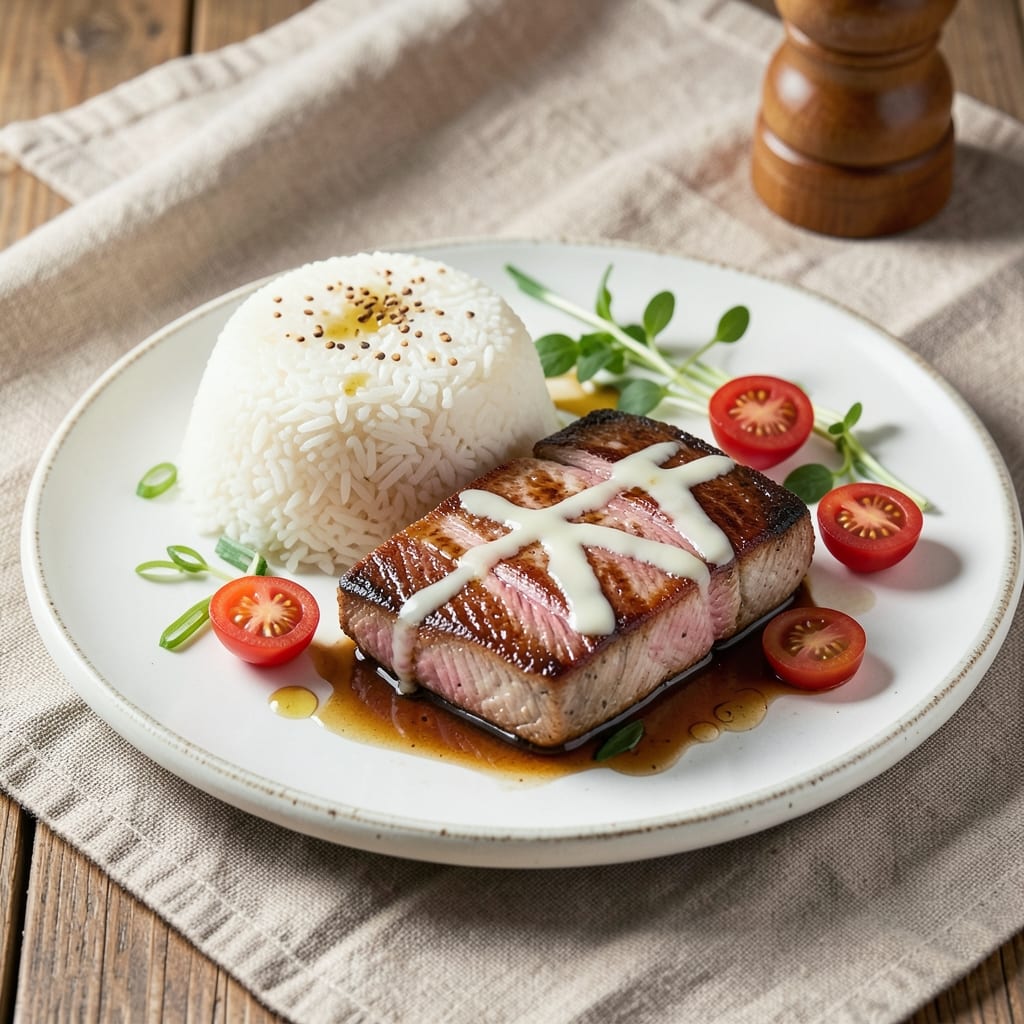
This Asian tuna steak recipe transforms simple ingredients into a restaurant-worthy meal with sesame-seared crispiness and fragrant jasmine rice. The key lies in a quick soy-miso marinade that tenderizes while adding depth, followed by a high-heat sear for that coveted caramelized crust. I developed this after years of experimenting with Japanese izakaya techniques at home—no fancy equipment needed, just precision timing and quality ingredients.
The beauty of this dish is its balance: the tuna steak delivers a tender yet firm bite with umami-rich flavors from the marinade, while the jasmine rice absorbs the sesame aroma perfectly. We'll use a simple one-pot method for the rice, ensuring it's fluffy and fragrant without requiring special tools. The combination of textures—crispy sear on the tuna, soft rice—makes every bite satisfying.
What you'll achieve is a complete meal that feels both elegant and approachable, perfect for weeknight dinners or special occasions. The tuna cooks in just 5 minutes, while the rice simmers alongside for effortless timing. Garnishes like toasted sesame seeds and thinly sliced scallions add visual appeal and freshness, completing the dish.
This recipe works equally well for grilling or pan-searing, and the marinade can be adjusted for spicier or sweeter preferences. The technique ensures you'll get that perfect medium-rare center with crispy edges every time—no guessing required. Let's get started on creating this pan-Asian favorite at home.
Ingredients for asian tuna steak recipe with rice
Quality ingredients transform simple techniques into restaurant-style Asian tuna steak with fragrant jasmine rice.
| Ingredient | Amount | Notes |
|---|---|---|
| Fresh Ahi Tuna Steaks 🐟 | 1 ½ lb | 1-inch thick, center-cut preferred |
| Jasmine Rice 🍚 | 1 ½ cups | Uncooked, long-grain preferred |
| White Miso Paste 🍶 | 2 tbsp | High-quality, fermented preferred |
| Soy Sauce 🍶 | 3 tbsp | Japanese-style preferred |
| Sesame Oil 🫒 | 2 tbsp | Toasted sesame oil preferred |
| Mirin 🍶 | 1 tbsp | Sweet rice wine, not imitation |
| Garlic Cloves 🧄 | 4 cloves | Fresh, minced finely |
| Ginger Root 🌿 | 1 tbsp | Fresh, grated finely |
| Toasted Sesame Seeds 🌾 | 2 tbsp | For garnish, store-bought or homemade |
| Scallions 🧅 | 3 whole | Thinly sliced, white and green parts |
| Vegetable Oil 🫒 | ½ cup | High smoke point preferred |
| Diamond Crystal Kosher Salt 🧂 | 1 ½ tsp | For rice and seasoning |
| Ground Black Pepper 🌶️ | ½ tsp | Freshly ground preferred |
| Water 💧 | 3 cups | Filtered preferred for rice |
The tuna steak is the centerpiece—center-cut, 1-inch thick slices ensure optimal texture. For the best quality, purchase from a well-stocked seafood counter like Whole Foods Market or Trader Joe's, where they handle the fish carefully. Look for bright red color and firm texture; avoid any with a fishy odor. The jasmine rice should be uncooked, long-grain—brands like Lotus Foods or Koshihikari are excellent choices. For the marinade, Japanese white miso adds depth, while mirin brings sweetness without overpowering. If you can't find mirin, a mix of sake and sugar works in a pinch.
No sesame oil? Toasted sesame seeds blended with neutral oil mimics the flavor, though it won't be as aromatic. Substituting soy sauce with tamari works for gluten-free needs, but the umami profile will differ slightly. For the ginger, if you only have powdered, use half the amount—fresh is always better. The garlic can be pre-minced from a jar, but freshly minced adds a brighter punch. When selecting rice, avoid instant or pre-cooked varieties—they lack the necessary starch for proper texture. If you're short on time, pre-soaking the rice for 30 minutes improves texture, though it's not mandatory.
Prep the rice first—it simmers while the tuna cooks. Store cooked rice in an airtight container for 3-4 days in the fridge, though it's best served fresh. The tuna steaks should be cooked immediately after marinating for optimal texture. Leftover marinade can be refrigerated for 3 days or frozen for 2 months. For a quicker meal, use pre-cooked rice, but the flavor and texture won't be as refined. Garnishes like sesame seeds and scallions can be prepped ahead and stored in the fridge for 2 days, keeping their freshness.
Why You'll Love This Recipe
- No-Fuss Freshness: I swear by this when I’m craving something restaurant-worthy but don’t want to slave over it. Five minutes of marinating the tuna in miso and soy—no chopping, no fuss—then a quick sear. The rice cooks while you focus on the steak, and honestly? That smoky sesame aroma alone makes the whole thing feel like a treat.
- Umami Bomb: The miso paste is where the magic happens—deep, savory, and just a little funky in the best way. One spoonful mixed with soy and a drizzle of sesame oil turns simple tuna into something dangerously addictive. The rice soaks it all up like a sponge, so every bite is rich without being heavy.
- Weeknight to Date Night: This is my go-to when I need to feed a crowd or impress someone special. The rice stays fluffy, the tuna gets that perfect crispy edge, and the whole thing comes together faster than takeout. (Yes, even on a Tuesday night.) Plus, it’s one of those dishes that looks elegant enough for company but feels totally effortless.
- Leftovers That Don’t Suck: I make double portions because the leftovers are just as good cold the next day—great for lunchboxes or a quick office meal. The miso-sesame glaze keeps the tuna from drying out, and the rice stays separate so it doesn’t turn to mush. No sad, greasy takeout here; just clean, satisfying bites.
Step-by-step instructions for Asian tuna steak with rice
Master this balance of crispy sear and delicate texture with precise timing and technique.
Prepare the Jasmine Rice Foundation
Rinse the 1.5 cups jasmine rice thoroughly under cold water until the water runs clear—this removes excess starch for perfectly fluffy grains. In a medium saucepan, combine the rinsed rice with 3 cups water and bring to a boil over medium-high heat. Once boiling vigorously, reduce heat to low, cover tightly with a lid, and simmer for 15 minutes without lifting the lid. The rice is ready when all liquid is absorbed and the grains are tender but still slightly firm to the bite.
Resist the urge to peek or stir—this disrupts the even cooking process. After 15 minutes, remove from heat and let the rice steam undisturbed for an additional 10 minutes. Fluff gently with a fork before serving to maintain that signature cloud-like texture. This method ensures each grain remains separate and absorbs the sesame-miso glaze perfectly later.
Create the Sesame-Miso Marinade
In a small bowl, whisk together the 2 tbsp white miso paste, 3 tbsp soy sauce, 1 tbsp mirin, 2 tbsp sesame oil, 1 tbsp finely grated ginger root, and 4 cloves minced garlic until completely smooth. The miso should dissolve fully without any grainy texture—this creates the flavor base for both the rice and tuna. Taste and adjust seasoning with additional soy sauce or mirin if needed, aiming for a balance of umami and subtle sweetness.
Divide the marinade evenly between two small bowls. Set aside 1 tbsp of the mixture for the rice—this will transform ordinary grains into fragrant, nutty-perfumed rice. Reserve the remaining marinade for the tuna steaks. The marinade's acidity from mirin and soy tenderizes the tuna slightly while adding depth to the sear.
Sear the Tuna to Perfect Medium-Rare
Pat the 1.5 lb fresh ahi tuna steaks completely dry with paper towels—moisture prevents proper searing. Heat a heavy skillet over high heat until a drop of water sizzles violently upon contact. Add 0.5 cup vegetable oil and swirl to coat the pan evenly. Working in batches if needed, add the tuna steaks and sear for 1 minute per side for 1-inch thick steaks. You'll know it's ready when the edges develop a deep golden crust and the internal temperature reaches 125°F at the thickest point.
Remove the steaks and let rest on a wire rack for 5 minutes—this crucial step prevents overcooking while the residual heat finishes the center. During this time, brush the cooked rice with the reserved 1 tbsp sesame-miso mixture and gently toss to coat evenly. The rice should absorb the marinade while maintaining its fluffy structure, adding nutty depth to each bite.
Finish with Garnish and Assembly
While the tuna rests, thinly slice the 3 whole scallions and toast the 2 tbsp sesame seeds in a dry skillet over medium heat for 1-2 minutes until fragrant and golden. Arrange the rice on serving plates, creating a base for the tuna. Slice the rested tuna against the grain into ½-inch thick pieces and fan over the rice.
Drizzle any accumulated juices from the tuna over the top, then sprinkle with the toasted sesame seeds and scallions. The contrast of crispy sesame seeds against the tender rice and perfectly seared tuna creates the signature texture profile. Serve immediately while the tuna remains at its ideal 125-130°F internal temperature—this ensures each bite delivers that perfect balance of crispy exterior and delicate, buttery interior.
Pro Tips For Making Asian Tuna Steak Recipe With Rice
- SEAR STEAKS OVER HIGH HEAT: Get your pan screaming hot—like, just before it smokes—before adding the tuna. Ahi turns rubbery if it cooks slowly, and high heat locks in that buttery melt-in-your-mouth texture. Two minutes per side max, then let it rest. (Yes, even if you’re impatient like me.)
- USE MISO SPARINGLY: White miso paste is potent—start with half the recipe’s suggested amount and taste as you go. Too much overpowers the delicate tuna flavor, and you’ll end up with a salty, funky mess instead of a balanced glaze. A teaspoon goes a long way.
- DON’T OVERCOOK THE RICE: Jasmine rice needs just enough water to steam through the grains—about 1.5 cups liquid per cup of rice. Drain it immediately when done and spread it on a tray to stop cooking. Sticky, overcooked rice ruins the dish faster than anything else.
- REST THE TUNA UNDER FOIL: After searing, tent the steaks with foil and let them sit for 5 minutes. This keeps the juices from running out when you slice, and the miso-soy glaze will cling better. Cutting into it too soon? You’ll lose half the flavor to the plate.
Common mistakes when making this recipe
Overcooking the Tuna
Tuna cooks in a flash—just 1 minute per side for 1-inch thick steaks—so overcooking is the #1 mistake. I've ruined perfectly good tuna by leaving it too long in the pan, resulting in dry, rubbery texture. Use a meat thermometer to check the internal temperature at 125°F—this ensures medium-rare perfection. If you don't have one, cut into the thickest part: the center should still feel slightly cool and springy, not warm. 🌡️
Skipping the Rest
After searing, the tuna needs that crucial 5-minute rest on a wire rack. This allows juices to redistribute, preventing them from escaping when sliced. I've sliced into tuna too soon and lost precious moisture, resulting in a dry bite. The rest also lets residual heat finish cooking the center evenly. Don't skip this step—it's what separates good from great tuna steak.
Using Wrong Heat Level
Medium heat won't give you that signature crispy crust. You need high heat until the pan is screaming hot—a drop of water should sizzle violently. I've tried to play it safe with medium-high and ended up with pale, undercooked edges. The high heat creates the Maillard reaction that gives the crust its deep color and flavor. Invest in a heavy skillet like Lodge cast iron to maintain even heat distribution.
Rinsing Rice Inadequately
Many people give their rice a quick rinse, but you need to wash it until the water runs completely clear. This removes excess starch that would make the rice gummy. I've made this mistake and ended up with gluey rice that clumped together. Rinse in a fine-mesh strainer under cold water for about 30 seconds, swirling the grains with your fingers until the water stays clear. This step is non-negotiable for perfect texture.
Overcrowding the Pan
Cooking multiple tuna steaks at once lowers the pan's temperature, preventing proper searing. I've tried to cook both sides simultaneously and ended up with unevenly cooked, pale tuna. Work in batches if needed—your pan should only hold one steak at a time for that perfect crust. The oil should be shimmering hot before adding each piece. This ensures each steak gets the attention it deserves for that restaurant-quality sear. 🔥
Ignoring the Marinade Prep
The marinade needs to be completely smooth with no grainy miso paste. I've rushed this step and ended up with gritty texture in my rice and tuna. Whisk vigorously until the miso dissolves fully—this takes about 2-3 minutes of consistent whisking. The smooth marinade coats the rice evenly and penetrates the tuna for maximum flavor. Don't be tempted to skip this crucial preparation step—it makes all the difference in the final dish.
Nutrition facts
Frequently asked questions
Can I substitute regular rice for jasmine rice?
While you can use regular long-grain white rice, jasmine rice has a distinct floral aroma and slightly sticky texture that pairs beautifully with the sesame-miso flavors. For a similar experience, try basmati rice—it has a delicate fragrance and separate grains. Avoid instant rice as it lacks the necessary starch for proper texture and flavor absorption.
How do I know when the tuna is cooked perfectly?
For medium-rare tuna, the edges should develop a deep golden crust while the center remains cool to the touch (125°F internal temperature). Use a meat thermometer for precision, or cut into the thickest part—it should look slightly translucent with a warm center. Overcooking turns tuna dry and rubbery, so 1 minute per side for 1-inch thick steaks is ideal.
Can I make this recipe with frozen tuna?
Fresh tuna is essential for this recipe—frozen varieties lose their delicate texture and rich flavor. If you must use frozen, thaw it overnight in the refrigerator, then pat it completely dry before cooking. Even then, the texture won't match fresh ahi tuna. For best results, purchase the highest-quality fresh tuna from a trusted seafood market.
What if I don't have mirin?
You can substitute mirin with a mix of 1 tbsp sake + 1 tsp sugar or 1 tbsp white wine + 1 tsp sugar. The sugar mimics mirin's sweetness, while the alcohol adds depth. For a non-alcoholic option, use 1 tbsp rice vinegar + 1 tsp sugar. The flavor won't be identical, but it will still enhance the umami profile of the dish.
How do I reheat leftover tuna steak?
Reheating tuna steak is tricky—it's best served fresh. If you must reheat, use a nonstick pan over low heat for 10-15 seconds per side to warm through without overcooking. Avoid microwaving as it can make the tuna rubbery. For rice, reheat in a steamer or covered pot with a splash of water to restore moisture. Store leftovers in airtight containers for 1-2 days maximum.