
Salads
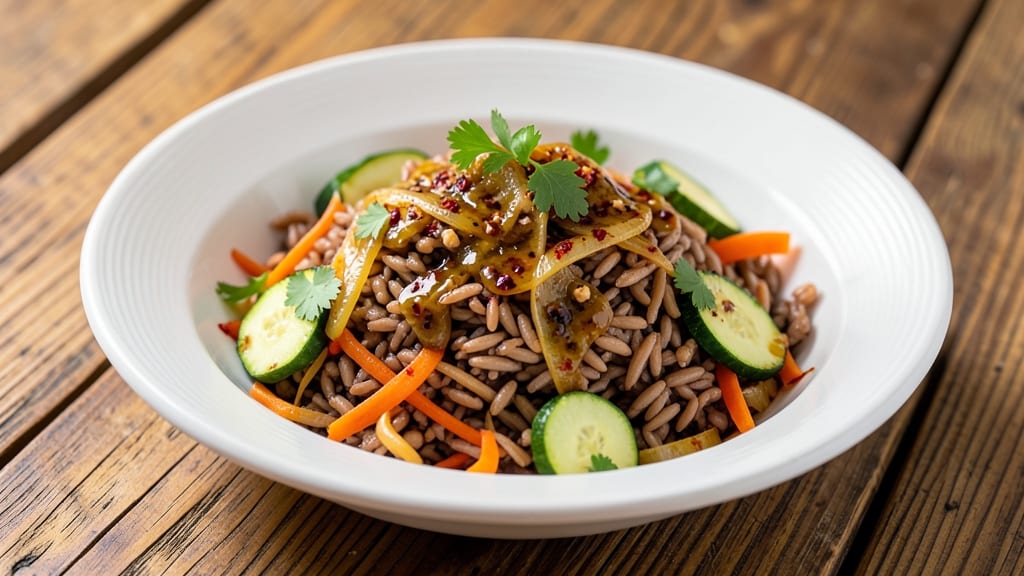
This brown rice pasta with vegetables recipe delivers a hearty, protein-rich meal that’s surprisingly simple to prepare. The combination of nutty brown rice pasta and colorful vegetables creates a satisfying dish that’s perfect for weeknight dinners or meal prep. No special skills required—just a few basic techniques and fresh ingredients.
What sets this recipe apart is its balance of texture and flavor: tender pasta, crisp-tender vegetables, and a light sauce that ties everything together. Ready in under 30 minutes, it’s a complete dish that feels restaurant-quality without the fuss.
The best part? It’s naturally vegan, packed with fiber, and customizable to your favorite veggies.
Ingredients for brown rice pasta with vegetables
These wholesome ingredients transform into a restaurant-worthy vegan pasta dish that's both hearty and nutritious.
| Ingredient | Amount | Notes |
|---|---|---|
| Brown Rice Pasta 🍜 | 12 oz | Uncooked, medium or long shape |
| Extra-Virgin Olive Oil 🫒 | ½ cup | High-quality, fruity variety |
| Yellow Onion 🧅 | 1 whole | Diced, medium size |
| Garlic Cloves 🧄 | 4 cloves | Minced, fresh preferred |
| Carrots 🥕 | 2 medium | Julienned or thinly sliced |
| Zucchini 🍆 | 1 medium | Sliced into half-moons |
| Cherry Tomatoes 🍅 | 1 pint | Halved, or 1.5 cups whole |
| Bell Peppers 🌶️ | 2 medium | Any color, diced |
| Vegetable Broth 💧 | 1 ½ cups | Low-sodium preferred |
| Lemon Juice 🍋 | 2 tbsp | Freshly squeezed |
| Fresh Basil Leaves 🌿 | ¼ cup | Chopped, stems removed |
| Salt 🧂 | 1 ½ tsp | Diamond Crystal preferred |
| Black Pepper 🌶️ | ½ tsp | Freshly ground |
| Nutritional Yeast 🧀 | 2 tbsp | For cheesy flavor |
| Hemp Seeds 🥜 | 2 tbsp | For protein boost |
The brown rice pasta is the foundation—look for brands like Lundberg or Annie's for optimal texture and fiber content. Whole Foods or well-stocked grocery stores carry excellent options, often in the organic section. For the vegetables, freshness matters most: vibrant colors indicate peak ripeness. The cherry tomatoes should be firm with no soft spots, and bell peppers should have smooth, glossy skin. Pre-cut veggies from the store work in a pinch, but whole vegetables hold up better to cooking. Nutritional yeast, available at health food stores or the baking aisle, adds that essential umami depth without dairy.
No cherry tomatoes? Grape tomatoes or regular tomatoes work equally well. Substitute zucchini for eggplant if you prefer, though zucchini cooks faster. The vegetable broth can be homemade or a quality store-bought version like Pacific Foods or Imagine brands. For extra protein, add white beans or chickpeas to the pan during the last 5 minutes of cooking. The hemp seeds can be swapped for pumpkin seeds or sunflower seeds if unavailable, though hemp offers the most balanced omega profile. Fresh herbs are ideal, but dried basil at one-third the amount works when fresh isn't available.
Store prepped vegetables in airtight containers for 3-4 days in the fridge, though they're best used immediately for optimal texture. The cooked pasta and sauce keep for 4-5 days refrigerated, or can be frozen for up to 3 months—portion into single servings before freezing for easy reheating. For meal prep, assemble components separately and combine when ready to eat. The nutritional yeast and hemp seeds can be stored at room temperature in their original packaging for up to 6 months, though they're best used within 3 months for peak freshness.
Why You'll Love This Recipe
- One-Pot Magic: I swear by this recipe when I’m too tired to wash a million dishes. Toss everything—pasta, veggies, garlic—into one pan with olive oil, and let it simmer. The onions caramelize just enough to sweeten the deal, while the carrots stay tender-crisp. No strainer, no fuss.
- Garlic-Oil Glow-Up: That first hit of sizzling garlic in olive oil? Pure flavor alchemy. The brown rice pasta soaks up the aromatic oil like a sponge, giving it a rich, toasty depth without needing heavy cream or cheese. Honestly, the smell alone makes me forget it’s a healthy-ish dish.
- Lunchbox Hero: This keeps like a champ in the fridge—better than takeout, I promise. Pack it cold for work lunches (the pasta holds up surprisingly well) or reheat it in minutes. My kids actually eat their veggies when they’re hidden in this, and I’ll take that win any day.
- Budget Meal Stretch: Brown rice pasta costs more upfront, but it stretches further than white—meaning fewer trips to the store. Onions and carrots are cheap staples, and garlic? A little goes a long way. I’ve fed four people for under $10 with this, and no one complains about the leftovers. (Yes, even on a Tuesday night.)
Step-by-step instructions for brown rice pasta with vegetables
This one-pan method delivers a perfectly balanced dish where al dente pasta meets tender vegetables in a rich, umami-packed sauce.
🍳 Step 1: Sauté Aromatics Until Fragrant
Heat the 0.5 cup extra-virgin olive oil in a large, deep skillet over medium heat. Once shimmering, add the diced yellow onion and cook for 5 minutes until soft and translucent. This foundational step develops sweetness in the onion that carries through the entire dish.
Add the minced garlic cloves and continue cooking for 1 minute until the garlic releases its pungent aroma. Watch carefully—garlic burns quickly, and you want it to perfume the oil without turning bitter. Here's the thing—this aromatic base is what transforms simple vegetables into something extraordinary.
🍳 Step 2: Cook Vegetables Until Tender-Crisp
Increase heat to medium-high and add the julienned carrots, sliced zucchini, halved cherry tomatoes, and diced bell peppers. Stir to combine and cook for 6-8 minutes until the vegetables soften but still retain a slight bite. You're aiming for tender-crisp texture here—this prevents mushy vegetables that disappear into the sauce.
Season immediately with 1.5 teaspoons salt and 0.5 teaspoon black pepper, tossing well to distribute the seasoning evenly. The salt at this stage ensures every vegetable absorbs flavor before the pasta joins. If you notice any vegetables cooking faster than others, remove them to a plate temporarily and return them later.
🍳 Step 3: Toast Nutritional Yeast and Brown Pasta
Reduce heat to medium-low and sprinkle in the 2 tablespoons nutritional yeast. Toast for 1 minute until fragrant and slightly nutty—this step deepens the umami flavor that will complement the vegetables. Remove the pan from heat temporarily and add the 12 oz brown rice pasta, tossing to coat evenly with the oil and toasted yeast.
Return to medium heat and cook the pasta for 2-3 minutes, stirring occasionally. The pasta will begin to soften but won't fully cook—this ensures it finishes perfectly in the broth. This preliminary cooking also prevents the pasta from overcooking when added to the simmering vegetables later, which would turn it mushy.
🥘 Step 4: Simmer in Vegetable Broth
Pour in the 1.5 cups vegetable broth and bring to a gentle simmer. Cover and cook for 10-12 minutes, stirring occasionally, until the pasta reaches al dente texture and the vegetables are fully tender. The pasta should absorb most of the liquid but still have a slight bite when bitten.
During this time, the pasta will finish cooking while the vegetables soften further in the flavorful broth. If the mixture looks too dry before the pasta is done, add 2-3 tablespoons water to maintain the proper consistency. The key here is patience—rushing will result in either undercooked pasta or overcooked vegetables.
🍽️ Step 5: Finish with Lemon and Garnish
Remove from heat and stir in the 2 tablespoons lemon juice and 0.25 cup chopped fresh basil leaves. The acidity brightens the dish while the basil adds fresh herbal notes that cut through the richness. Taste and adjust seasoning if needed—this is where you can really refine the balance of flavors.
Finally, sprinkle with 2 tablespoons hemp seeds just before serving. These provide a satisfying crunch and boost the protein content without altering the dish's texture. Serve immediately while hot, garnished with additional basil if desired. The pasta should be perfectly al dente with vibrant vegetables and a sauce that clings beautifully to every strand.
Pro Tips For Making Brown Rice Pasta With Vegetables
- Cook Pasta Separately: Brown rice pasta needs more time than regular pasta—often 2-3 minutes extra—and it turns mushy if overcrowded. Boil it in a separate pot with plenty of salted water (like a pasta bath), then drain and toss it in with the veggies at the end. This keeps it from absorbing the sauce and turning into a gluey mess.
- Slice Carrots Thin: I used to dice carrots into big chunks, and they’d sit like rocks in the sauce. For this dish, cut them into matchsticks—about 1/8-inch thick. They’ll soften faster and blend into the texture instead of looking like they’re fighting for space.
- Sweat Onions Low: After chopping onions, let them sit in the pan with olive oil for 3-4 minutes on medium-low heat before adding garlic. This draws out their moisture, so they caramelize instead of steaming into a sad, watery pile. (Yes, even if you’re impatient like me.)
- Finish with Acid: Toss in a splash of lemon juice or red wine vinegar at the very end—just a tablespoon—while the pasta’s still hot. It brightens the earthy flavors of the brown rice pasta and cuts through the richness of the olive oil. Skip this, and the dish feels flat.
Make-ahead tips for this dish
Prep Ahead Strategy
Start by chopping all vegetables the night before and storing them in separate airtight containers. I keep them in the fridge for up to 3 days—this saves 20 minutes on prep day. The key is to wash and dry them thoroughly to prevent sogginess. 🥕
Pasta Cooking Shortcut
Cook the brown rice pasta just until al dente (about 80% done) and immediately plunge it into ice water to stop the cooking. Drain and store in an airtight container with a drizzle of olive oil to prevent sticking.
This pre-cooked pasta reheats beautifully in 3 minutes on the stovetop when you're ready to assemble.
Sauce Assembly
Prepare the sauce base separately by sautéing onions and garlic, then toasting nutritional yeast. Store this flavorful mixture in a sealed container for up to 2 days.
When ready to serve, simply reheat with fresh veggies and your pre-cooked pasta. The sauce keeps its rich umami flavor perfectly through reheating. 🍋
Freezer-Friendly Components
For longer storage, freeze the cooked pasta and sauce separately. Portion into single-serving bags and freeze for up to 3 months. When reheating, combine the pasta and sauce in a pot with 2 tablespoons water and simmer for 5 minutes.
The texture remains excellent, though the vegetables will be slightly softer than fresh.
Garnish Freshness
Keep fresh basil and hemp seeds separate until serving. Store basil leaves wrapped in a damp paper towel in a sealed bag for 5 days, and keep hemp seeds in their original container.
Add these fresh garnishes right before eating to maintain their vibrant flavors and textures. This simple step makes your meal-prepped dish feel restaurant-fresh. 🌿
Portion Control Tips
Divide the fully assembled dish into meal prep containers, leaving ½ inch headspace at the top. This prevents spills when reheating. I like using 16-ounce glass containers because they're microwave-safe and keep food fresh longer. Label containers with dates—they're ready to eat within 4-5 days when refrigerated. 📅
Nutrition facts
Frequently asked questions
Can I substitute regular pasta for brown rice pasta in this recipe?
While you can use regular pasta, brown rice pasta offers superior nutrition with its fiber and protein content. For a similar texture, choose whole wheat or chickpea pasta. Regular white pasta will cook faster and lack the nutty flavor that complements the vegetables. If substituting, reduce cooking time by 2-3 minutes since brown rice pasta takes longer to cook.
What vegetables work best if I don't have all the suggested ones?
The recipe is flexible! Swap bell peppers for mushrooms or spinach, and carrots for broccoli or snap peas. Zucchini can be replaced with eggplant or asparagus. For heartier meals, add white beans or lentils. Just adjust cooking times—denser veggies like broccoli need 2-3 extra minutes to soften properly.
Why does my brown rice pasta turn mushy when cooked?
Overcooking is the most common cause. Brown rice pasta needs gentle heat and careful monitoring. Always cook it uncovered at a gentle simmer, and remove it 1-2 minutes before package instructions suggest. The final cooking in the vegetable broth should finish it perfectly. If using pre-cooked pasta, reheat with just enough broth to steam, not boil.
Can I make this dish gluten-free?
Simply choose a certified gluten-free brown rice pasta brand like Tinkyada or Jovial. Double-check labels to ensure no cross-contamination. The rest of the recipe remains naturally gluten-free. For extra flavor, add a pinch of xanthan gum to the cooking water if your pasta requires it for texture.
How can I make this dish more protein-rich?
Add plant-based protein boosters like 1 cup cooked chickpeas or ½ cup edamame during the final 5 minutes of cooking. For a cheesy flavor without dairy, increase nutritional yeast to 3 tablespoons. Top with toasted tempeh crumbles or a sprinkle of marinated tofu for extra heartiness. These additions keep the dish vegan while adding satisfying protein.