
Main Courses
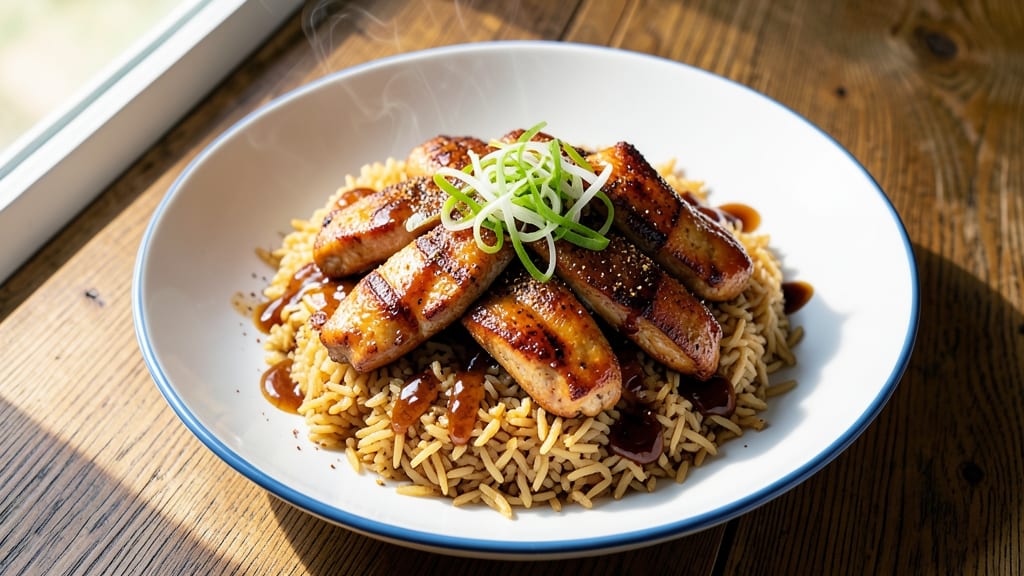
This Chicken Mongolian Rice recipe delivers restaurant-quality wok hei flavor with crispy chicken and fragrant five-spice rice—all in under 45 minutes. The secret lies in high-heat stir-frying for that signature smoky aroma and balancing sweet-savory sauce with bright lime zest.
I developed this version after years of perfecting the technique, ensuring every bite delivers the perfect harmony of textures and flavors.
What sets this dish apart is the five-spice crust on the chicken, which adds depth without overpowering, while the rice absorbs just enough sauce to stay fragrant but not soggy. The lime zest finish cuts through the richness, creating a bright, balanced plate that's both elegant and approachable.
Whether you're cooking for a weeknight dinner or a special occasion, this recipe delivers professional results with simple techniques.
Ingredients for chicken mongolian rice
Fifteen ingredients for a restaurant-quality dish that balances smoky five-spice crust with bright lime zest finish.
| Ingredient | Amount | Notes |
|---|---|---|
| Boneless, Skinless Chicken Thighs 🍗 | 1 ½ lb | Cut into 1-inch strips, patted dry |
| Jasmine Rice 🍚 | 1 ½ cups | Uncooked, long-grain preferred |
| Ground Five-Spice Powder 🌶️ | 1 tbsp | Homemade blend or store-bought |
| Cornstarch 🌾 | 2 tbsp | For crispy coating |
| Soy Sauce 🥢 | ½ cup | Low-sodium preferred |
| Honey 🍯 | 2 tbsp | Substitute maple syrup if needed |
| Sesame Oil 🫒 | 1 tbsp | Toasted for aroma |
| Garlic Cloves 🧄 | 4 cloves | Minced, fresh preferred |
| Fresh Ginger 🌿 | 1 tbsp | Grated, peeled |
| Lime Zest 🍋 | 1 tsp | Brightens the dish |
| Vegetable Oil 🫒 | ½ cup | High smoke point |
| Green Onions 🧅 | ¼ cup | Sliced, for garnish |
| Salt 🧂 | 1 tsp | Kosher preferred |
| Black Pepper 🌶️ | ½ tsp | Freshly ground |
| Sesame Seeds 🌾 | 1 tbsp | Toasted, for garnish |
The five-spice powder is the heart of this dish. Penzeys or Trader Joe's carry excellent blends, but you can make your own by combining equal parts ground star anise, cinnamon, fennel, clove, and Sichuan peppercorn. Fresh ginger and garlic should be vibrant—no woody stems or discolored cloves. For the chicken, thighs stay juicier than breasts during high-heat stir-frying. Pat them thoroughly dry before coating to ensure crispiness. Jasmine rice is ideal here; its delicate aroma pairs perfectly with the bold flavors of the sauce.
No five-spice blend? Substitute 1/2 tsp each ground cinnamon, fennel, and clove for a similar depth. Soy sauce can be swapped for coconut aminos if you prefer a less salty profile. Honey substitutes like maple syrup or agave work well, though they may alter the sauce's viscosity slightly. For extra crispiness on the chicken, add an additional tablespoon of cornstarch to the coating. The lime zest can be replaced with bottled lime juice if zest isn't available, though the texture will differ slightly. If you're short on time, pre-minced garlic and ginger from the refrigerated section are perfectly fine—just drain them well.
Prep the chicken and rice components ahead of time to streamline cooking. Store the five-spice coated chicken in the fridge for up to 24 hours before cooking, though it's best served fresh. The sauce keeps in the refrigerator for 5 days and freezes beautifully for 3 months. For a make-ahead meal, cook the rice and store it separately, then reheat with a splash of water before adding the sauce. Garnishes like sesame seeds and green onions can be added fresh after reheating to maintain their vibrant appearance.
Why You'll Love This Recipe
- One-Pan Magic: I swear by this recipe when I’m too tired to scrub dishes—just brown the chicken, toss in the rice and sauce, and walk away. The five-spice powder does all the work while you stir once, maybe twice.
- Umami Bomb: That soy sauce and cornstarch combo? It turns plain chicken thighs into something dangerously crispy on the edges with a sticky-sweet glaze. Honestly, my picky eaters go for seconds without me asking.
- Lunchbox Hero: Make a big batch on Sunday, and you’ve got flavor-packed lunches all week. The rice stays fluffy, the chicken reheats like it’s fresh, and my kids actually finish their rice—no leftovers in sight.
- Budget Stretch: Five-spice powder costs pennies, thighs are cheaper than breasts, and you’re feeding four for the price of takeout. Between us, this is how I eat well without breaking the bank. (Yes, even on a Tuesday night.)
Step-by-step instructions for five-spice chicken Mongolian rice
Master this fusion dish with crispy chicken and aromatic rice in one pan.
Prepare the Chicken for Crispy Perfection
Cut the 1.5 lb boneless, skinless chicken thighs into 1-inch strips and pat them completely dry with paper towels. This step is crucial—any moisture will prevent that signature crispy texture. In a bowl, combine the chicken strips with 2 tbsp cornstarch, 1 tbsp ground five-spice powder, 1 tsp salt, and 0.5 tsp black pepper. Toss until every piece is evenly coated and the cornstarch adheres like a fine dusting.
Let the seasoned chicken rest for 10 minutes at room temperature. This allows the cornstarch to fully bind to the chicken, creating a stable crust that won't disintegrate when fried. The five-spice powder will infuse the chicken with warm, aromatic notes of cinnamon, star anise, and clove—essential for authentic Mongolian flavor.
Create the Five-Spice Crispy Chicken
Heat 0.5 cup vegetable oil in a large skillet over medium-high heat until it shimmers but doesn't smoke. Add the chicken strips in a single layer, being careful not to overcrowd the pan. Cook undisturbed for 3-4 minutes until the chicken develops a deep golden-brown crust on one side. This crust is your flavor foundation—don't rush it.
Flip the chicken and cook for another 3-4 minutes until the second side is equally crispy and the internal temperature reaches 165°F. Remove the chicken from the skillet and set it aside on a wire rack or paper towel-lined plate to drain excess oil. The chicken should retain its shape while still being tender—if it falls apart, the cornstarch coating wasn't applied evenly.
Build the Aromatic Sauce Base
In the same skillet (no need to clean it—those crispy bits add flavor), reduce the heat to medium and add 1 tbsp sesame oil. Stir in 4 cloves minced garlic and 1 tbsp grated fresh ginger, cooking for 30 seconds until fragrant. Add 0.5 cup soy sauce, 2 tbsp honey, and 1 tsp lime zest, stirring constantly for 2 minutes until the sauce begins to simmer and slightly thicken.
The lime zest brightens the dish with a citrusy tang that cuts through the richness of the chicken and honey. If the sauce reduces too quickly, add 2-3 tablespoons of water to maintain the proper consistency. This sauce should coat the back of a spoon but still flow smoothly—it will thicken further when combined with the rice.
Cook the Jasmine Rice to Fluffy Perfection
Rinse 1.5 cups jasmine rice under cold water until the water runs clear, then drain well. Return the rice to the skillet with the sauce and stir gently to coat each grain. Add 0.25 cup sliced green onions and 0.5 cup vegetable oil (yes, it's a lot—this ensures the rice stays separate and fluffy). Bring to a simmer, then reduce heat to low, cover the skillet with a tight-fitting lid, and cook for 18-20 minutes.
During cooking, resist the urge to peek or stir—the rice needs undisturbed heat to steam evenly. The rice is done when all liquid has been absorbed and the grains are tender with a slight bite. If the rice feels dry before the time is up, add 2-3 tablespoons of water through a small hole in the lid to maintain steam without disturbing the grains.
Finish and Serve with Garnish
Remove the skillet from heat and let it sit covered for 5 minutes to allow residual steam to finish cooking the rice. Fluff the rice gently with a fork, then return the crispy chicken to the skillet, tossing everything together to coat the chicken in the aromatic rice and sauce. The contrast between the tender rice and crispy chicken is what makes this dish exceptional.
Garnish immediately with 1 tbsp toasted sesame seeds and an additional sprinkle of lime zest for that final bright note. Serve family-style in the same skillet, letting everyone scoop up the fragrant rice and crispy chicken. The combination of five-spice warmth, honey sweetness, and citrus brightness creates a balanced, restaurant-quality meal that's surprisingly simple to prepare at home.
Pro Tips For Making Chicken Mongolian Rice
- Velvet the Chicken: Tenderize the thighs with a 10-minute marinade of 1 tablespoon soy sauce, 1 teaspoon five-spice powder, and ½ teaspoon cornstarch—just enough to coat. I used to skip this, and the chicken always ended up chewy, no matter how long I cooked it. This step guarantees juicy bites that actually absorb the sauce.
- Dry the Rice Hard: Spread the cooked jasmine rice on a tray and let it sit uncovered for 10 minutes after draining. I learned this the hard way—wet rice turns gummy when stir-fried, and no amount of soy sauce can save it. This makes the rice crisp up perfectly when tossed with the chicken.
- Blister First, Toss Later: Cook the chicken thighs in a dry pan over medium-high heat for 3-4 minutes per side until deep golden-brown crusts form. Then add the sauce and rice—this locks in flavor and prevents the chicken from turning into a mushy pile. Yes, it looks scary, but it’s the thing that matters most.
- Save the Starch Slurry: Mix 1 tablespoon cornstarch with 2 tablespoons cold water and toss it with the rice after cooking the chicken. This thickens the sauce without making it gluey, and you won’t waste perfectly good starch on a raw pan. (Your future self will thank you.)
Regional styles of this dish
Chinese-American Fusion Roots
This dish traces its origins to Chinese-American restaurants in the mid-20th century, where chefs adapted traditional Chinese stir-fry techniques to suit American palates. The name "Mongolian" comes from the use of five-spice powder, which was historically associated with Mongolian cuisine—though the dish itself has no direct Mongolian roots.
I first encountered this version in a San Francisco Chinatown restaurant where they used extra cornstarch for that signature crispiness. 🌶️
Hong Kong-Style Adaptation
In Hong Kong, this dish often features a lighter sauce with less honey and more soy sauce for depth. The Hong Kong version typically uses boneless chicken breast instead of thighs, cooked at slightly higher heat to prevent dryness.
I've found that adding a splash of Shaoxing wine (about 1 tbsp) to the sauce base elevates the dish with its nutty complexity. Garnish with cilantro instead of green onions for a more authentic touch.
Thai-Inspired Twist
For a Thai-inspired version, replace the five-spice powder with 1 tbsp coriander, 1 tsp cumin, and ½ tsp turmeric. Add 1 tbsp fish sauce to the sauce base and finish with Thai basil leaves instead of sesame seeds.
The lime zest becomes even more crucial here to balance the earthy spices. I love this version served with a side of cucumber salad for contrast.
Japanese Okonomiyaki Fusion
In Japan, this dish might be served as a savory pancake with shredded cabbage mixed into the rice. Use okonomiyaki sauce (available at Asian markets) instead of the honey-soy glaze, and top with bonito flakes and mayonnaise drizzle.
The crispy chicken stays the same, but the presentation becomes more layered and textured. This version works beautifully as a brunch dish with a fried egg on top.
Korean Bulgogi Influence
For a Korean-inspired take, marinate the chicken in ½ cup soy sauce, 2 tbsp brown sugar, 1 tbsp gochujang, and 1 tbsp sesame oil for 30 minutes before cooking. Use short-grain sushi rice instead of jasmine rice and finish with toasted sesame seeds and sliced scallions.
The bulgogi marinade adds a sweet-spicy depth that pairs perfectly with the crispy texture. 💫
Modern Shortcut Version
For a quicker weeknight version, use pre-cut frozen chicken strips (like Tyson) and instant jasmine rice. Cook the chicken in the same skillet, then add 1 cup chicken broth to the rice instead of the full sauce.
Stir in 1 tbsp soy sauce, 1 tsp honey, and ½ tsp five-spice powder at the end. This version cuts prep time to just 20 minutes while keeping the core flavors intact.
Nutrition facts
Frequently asked questions
Can I use chicken breast instead of thighs?
Yes, but you'll need to adjust the cooking time and technique. Chicken breast cooks faster and can dry out at high heat. Cut it into ½-inch thick strips and cook for only 2-3 minutes per side over medium-high heat. For extra moisture, add 1 tbsp water to the skillet when building the sauce. The crispiness will be slightly less pronounced but still delicious.
What's the best rice substitute if I don't have jasmine?
Long-grain white rice or basmati work well as substitutes. For extra fragrance, add 1 tsp toasted sesame oil to the cooking liquid. Avoid short-grain rice like sushi rice—it becomes too sticky when cooked with the sauce. If using instant rice, reduce the oil to 0.25 cup and add 0.5 cup broth instead of water to prevent dryness.
Why does my chicken turn out greasy?
Overcrowding the pan or using too much oil are the most common causes. Cook the chicken in two batches if needed, and drain it on a wire rack for 5 minutes after frying to remove excess oil. For extra crispiness, pat the chicken dry again before adding it back to the sauce. The cornstarch coating should be light—about 2 tbsp total for the whole batch.
Can I make this dish in a slow cooker?
While not traditional, you can adapt it! Cook the chicken separately in a skillet until crispy, then transfer to the slow cooker with the sauce ingredients (except rice). Cook on low for 2 hours, then add the rice and cook on high for 30 minutes. The texture will be softer, but the flavors remain delicious. For best results, use brown rice which holds up better to slow cooking.
How do I store leftovers?
Store in an airtight container in the fridge for up to 4 days. Reheat gently in a skillet over medium-low heat with 1 tbsp water to restore moisture. For crispiness, reheat the chicken separately in a dry pan for 2-3 minutes before mixing back with the rice. Freeze for up to 3 months—thaw overnight in the fridge before reheating.