
Sauces & Condiments
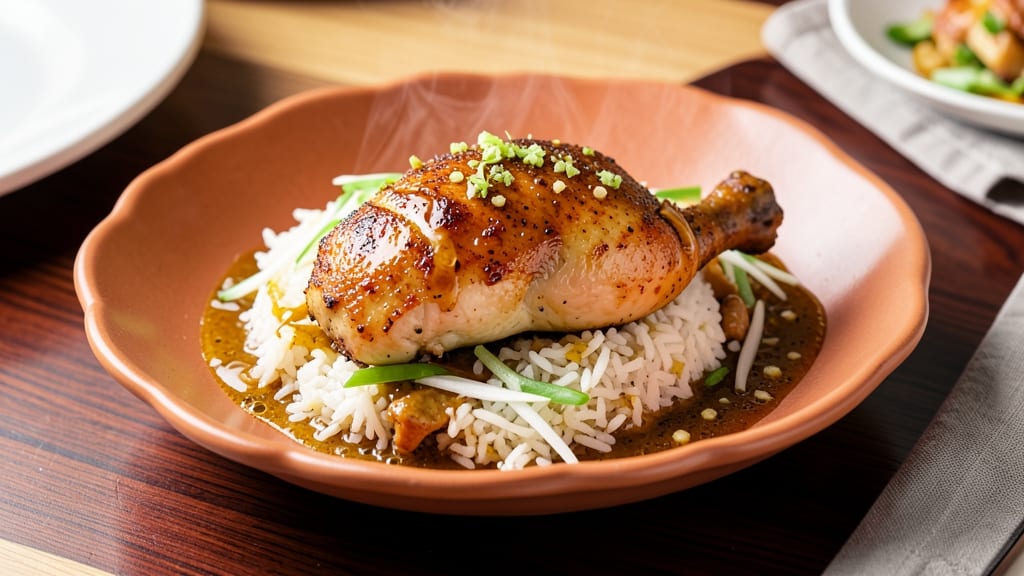
This chicken over rice sauce recipe transforms simple ingredients into a rich, umami-packed glaze that elevates any one-pan meal. The secret lies in a balanced blend of chicken broth, soy sauce, and aromatic spices that simmer into a velvety consistency.
Perfect for drizzling over chicken and rice, this sauce delivers deep flavor with minimal effort.
With just five ingredients and a simple simmering process, you'll achieve a sauce that's restaurant-quality yet effortless to make. The combination of garlic, ginger, and a touch of honey creates a perfect balance of savory and subtle sweetness.
Store it in the fridge for up to five days or freeze for longer shelf life, ensuring you always have a flavorful glaze on hand.
Ingredients for chicken over rice sauce
Five core ingredients create this restaurant-quality glaze that transforms simple chicken and rice into a flavorful masterpiece.
| Ingredient | Amount | Notes |
|---|---|---|
| Chicken Broth 🍲 | 2 cups | Low-sodium preferred for balance |
| Soy Sauce 🥢 | ½ cup | Light or dark variety |
| Garlic Cloves 🧄 | 4 cloves | Minced for even distribution |
| Fresh Ginger 🌿 | 1 tbsp | Finely grated, aromatic |
| Honey 🍯 | 1 tbsp | For subtle sweetness balance |
| Olive Oil 🫒 | 1 tbsp | For velvety texture |
| Cornstarch 🌽 | 1 tsp | Slurry with 1 tbsp water |
| Sesame Oil 🌰 | ½ tbsp | Optional for nutty aroma |
| Salt 🧂 | ½ tsp | Adjust to taste |
| White Pepper 🌶️ | ¼ tsp | For subtle heat |
The chicken broth forms the sauce's foundation—low-sodium versions prevent overpowering saltiness. Grab a high-quality carton from Trader Joe's or Kirkland Signature for the best flavor base. Soy sauce should be light for balance or dark for deeper color; both work. Fresh ginger and garlic are non-negotiable for authentic umami—pre-grated ginger from the jar works in a pinch, but fresh has more punch. Honey should be pure, unprocessed for the cleanest sweetness, though any variety works.
No soy sauce? Coconut aminos work perfectly as a 1:1 substitute. Short on honey? Maple syrup or agave at the same amount keeps the balance. The cornstarch slurry is key for thickening—arrowroot powder works too, but cornstarch gives that classic velvety texture. Sesame oil is optional but adds a nutty depth worth the splurge. For extra richness, swap half the broth for coconut milk, though it will change the consistency slightly. Always taste before serving—adjust salt and pepper to preference.
This sauce thickens as it cools, so reheat gently with a splash of water if needed. Stores perfectly in the fridge for 5 days in an airtight container, or freeze for 3 months in ice cube trays for single-use portions. Double the batch—it disappears fast. The flavor actually improves overnight as the ingredients meld, making it ideal for meal prep.
Why You'll Love This Recipe
- One-Pot Magic: I swear by this recipe when I’m too tired to wash a million dishes. Just toss everything—garlic, ginger, broth, soy—into one pot, let it simmer, and boom. The rice soaks up all that savory, slightly sweet sauce like a sponge. No separate pans, no stress.
- Umami Bomb: That combo of soy sauce and chicken broth? It’s like flavor overload in the best way. The honey rounds out the edge, and the fresh ginger gives it this bright, zesty kick that makes it taste restaurant-quality without trying. Honestly, I’ve had people ask if I followed a recipe—and I just smile.
- Lunchbox Hero: Between us, this sauce is my go-to for meal prep. Slather it over rice, pack it in containers, and you’ve got a lunch that’s basically a hug in a container. My kids actually finish their lunches now—no complaints about boring rice. (Yes, even on a Tuesday night.)
- Budget Stretch: I make this when I need to feed the whole family without breaking the bank. Chicken broth and soy sauce are cheap staples, and a little honey goes a long way. Plus, leftovers taste just as good reheated—sometimes even better, because the flavors meld overnight. My wallet and my taste buds win.
Step-by-step instructions for chicken over rice sauce
This umami-packed sauce transforms simple chicken and rice into a restaurant-worthy dish.
Build the Sauce Base with Aromatics
Heat the 1 tablespoon olive oil in a medium saucepan over medium heat. Add the 4 cloves minced garlic cloves and 1 tablespoon finely grated fresh ginger, cooking for 2-3 minutes until fragrant and the garlic turns golden. This step develops the sauce's aromatic foundation—don't let it brown or it'll turn bitter.
Next, pour in the 2 cups chicken broth and bring to a gentle simmer. Add the 0.5 cup soy sauce and 0.5 teaspoon salt, stirring to combine. The sauce should reduce slightly as it heats, intensifying its flavor. Keep the heat at medium-low to prevent rapid evaporation while allowing the base to meld together.
Sweeten and Thicken the Sauce
Stir in the 1 tablespoon honey and let the mixture simmer for 3-4 minutes until slightly reduced. The honey will caramelize slightly, adding depth to the sauce's flavor profile. In a small bowl, mix the 1 teaspoon cornstarch with 1 tablespoon water to create a slurry—this will help thicken the sauce to a glossy, clinging consistency.
Slowly pour the cornstarch slurry into the simmering sauce while stirring constantly. The sauce will thicken immediately—watch closely to prevent lumps from forming. Once it reaches your desired thickness (it should coat the back of a spoon), remove from heat. The sauce should now have a velvety texture with a balance of sweet, salty, and umami notes.
Finish with Fragrant Oils and Seasoning
Return the sauce to low heat and stir in the 0.5 tablespoon sesame oil and 0.25 teaspoon white pepper. The sesame oil adds a nutty aroma that elevates the dish, while the white pepper provides subtle heat without overpowering the other flavors. Let the sauce simmer for another 1-2 minutes to fully integrate these final ingredients.
Taste and adjust seasoning if needed—you may need a touch more soy sauce for saltiness or honey for sweetness, depending on your preferences. The sauce should now have a balanced, complex flavor that pairs perfectly with chicken and rice. Keep it warm until ready to serve over your one-pan meal.
Combine with Chicken and Rice (Optional Assembly)
If using with pre-cooked chicken and rice, simply pour the warm sauce over the top and toss gently to coat everything evenly. The sauce will cling beautifully to the rice and chicken, creating a cohesive dish. For best results, serve immediately while the sauce is still warm and glossy.
This sauce works equally well with pan-seared chicken thighs, rotisserie chicken, or even shredded chicken. The key to its success lies in the balanced reduction and proper thickening technique—don't rush either step. The result is a sauce that delivers deep umami flavor with just the right amount of sweetness and texture.
Pro Tips For Making Chicken Over Rice Sauce
- Simmer, Don’t Boil: This sauce needs patience—keep the heat at a gentle simmer (tiny bubbles, not rolling) or the soy sauce will turn bitter and the honey will scorch. After 10 minutes, if it’s still too thin, add a cornstarch slurry (1 tbsp cornstarch + 1 tbsp water) and stir like your life depends on it.
- Mince Ginger Like Mad: Skip the lazy grating—finely mince fresh ginger with a knife (or pulse in a food processor) so it dissolves completely into the broth. I used to grate it, and those stubborn strings made the sauce taste uneven. You want it to disappear, not chew.
- Balance Honey Early: Add half the honey upfront with the garlic and ginger, then taste before adding the rest. Too much too late makes the sauce cloying; too little too soon leaves it flat. The broth’s saltiness will mellow the sweetness—adjust in stages.
- Strain the Broth First: Unless you’re serving it to a linebacker, strain your chicken broth through a fine-mesh sieve before using. Fat and bits make the sauce look greasy and taste unrefined. (Yes, even store-bought broth—just let it cool slightly first to avoid a mess.)
Serving suggestions for leftovers
Sauce Over Rice
Pour your warm sauce generously over steamed jasmine rice or brown rice right before serving. The sauce will cling beautifully, creating a glossy, flavorful coating. For extra texture, sprinkle with toasted sesame seeds or chopped scallions right before eating.
I love using short-grain rice because it absorbs the sauce more effectively than long-grain varieties. 🥢
Chicken Pairings
This sauce works perfectly with pan-seared chicken thighs or rotisserie chicken slices. For a quick meal, toss shredded chicken with the sauce and serve over rice.
If using bone-in chicken, the sauce will infuse even more flavor into the meat. I recommend skin-on thighs for maximum juiciness and crispiness when seared. 🍗
Vegetable Additions
Add steamed bok choy, snap peas, or mushrooms to your rice for extra nutrition and texture. The sauce's umami depth complements these veggies beautifully. For a pop of color, stir in red bell pepper strips or carrots after cooking.
I often add steamed broccoli florets for a balanced, vegetable-packed meal. 🥦
Garnish Ideas
Finish your dish with crispy fried shallots for texture or lime wedges for a bright contrast. A sprinkle of fresh cilantro adds freshness, while crumbled bacon brings smoky depth. For a touch of luxury, drizzle with chili oil or sriracha for heat lovers. 🌿
Meal Prep Tips
Store your sauce separately from rice and chicken to prevent sogginess. Reheat the sauce with a splash of water or broth, then drizzle over freshly cooked rice and chicken. I like to prep components ahead: cook rice and chicken in advance, then assemble with warm sauce just before serving. 📅
Beverage Pairings
Pair this dish with a light lager like Asahi or a green tea for balance. For a richer option, try a dry Riesling to complement the sauce's umami and sweetness. Iced hibiscus tea adds a refreshing contrast to the savory flavors. 🍶
Nutrition facts
Frequently asked questions
Can I make this sauce without cornstarch?
Yes! For a naturally thickened version, simmer the sauce longer (10-15 minutes) to reduce it naturally. Alternatively, blend 1/4 cup cooked rice into the sauce at the end for a creamy texture. The flavor will be slightly different but still delicious.
How do I adjust the heat level in this sauce?
For milder heat, reduce the white pepper to 1/4 teaspoon or omit it entirely. For extra spice, add 1/2 teaspoon red pepper flakes or a dash of gochujang at the end. Always taste first—you can adjust to preference.
What’s the best way to reheat leftover sauce?
Gently warm in a saucepan over low heat with 1-2 tablespoons water or broth to restore its glossy texture. Avoid microwaving—it can make the sauce grainy. Stir constantly to prevent scorching.
Can I use this sauce for other dishes besides chicken over rice?
It works wonderfully with stir-fries, noodles, or even as a dipping sauce for spring rolls. The umami balance makes it versatile—just adjust thickness by adding more broth if needed.
Why did my sauce turn out too thin?
Under-thickening usually happens from insufficient simmering time or not using the cornstarch slurry correctly. Next time, simmer longer or mix 1 extra teaspoon cornstarch with water. For an instant fix, blend 1/4 cup cooked rice into the sauce to thicken it naturally.