
Main Courses
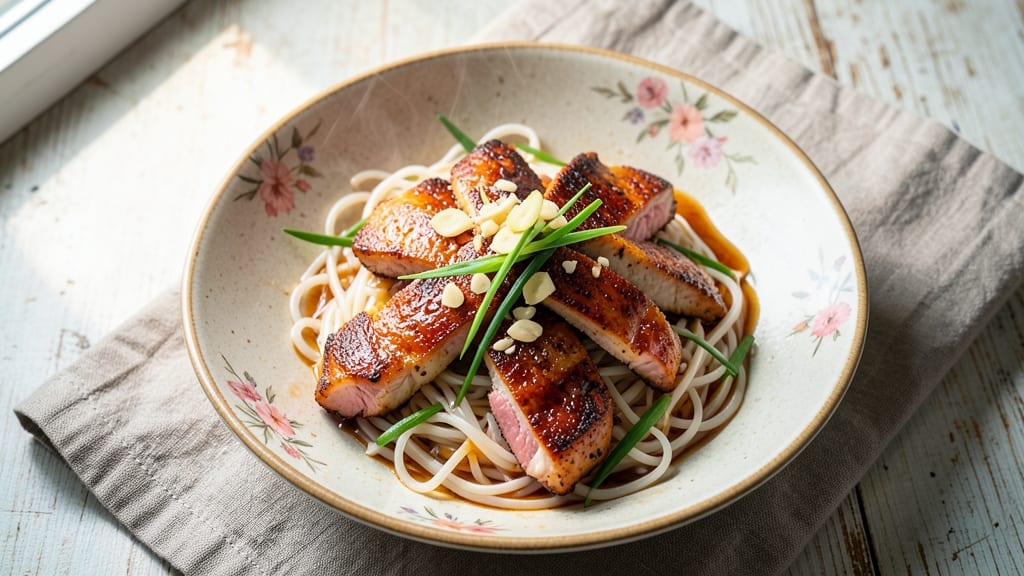
This chicken thigh and rice noodle recipe delivers bold flavors and perfect textures in under 30 minutes, transforming simple ingredients into a restaurant-worthy dish.
The secret lies in wok-searing the thighs for crispy edges while keeping the meat juicy, then tossing everything together with silky rice noodles and a savory-sweet sauce. I developed this after craving a meal that balanced rich protein with delicate noodles—no heavy sauces or complicated techniques required.
What sets this dish apart is the harmony of textures: tender, caramelized chicken thighs paired with chewy yet tender rice noodles, all coated in a glossy sauce that’s both aromatic and balanced.
The method is straightforward—marinate the chicken briefly, sear it in a hot wok, then combine with pre-cooked noodles and a quick sauce made from pantry staples. It’s the kind of recipe that feels indulgent but comes together effortlessly, perfect for weeknights or when you want to impress without stress.
Ingredients for chicken thigh and rice noodle
Juicy chicken thighs meet silky rice noodles in this restaurant-style wok dish.
| Ingredient | Amount | Notes |
|---|---|---|
| Boneless, Skinless Chicken Thighs 🍗 | 1 ½ lb | Cut into 1-inch strips for even cooking |
| Rice Noodles 🍜 | 12 oz | Medium width, pre-cooked per package |
| Extra-Virgin Olive Oil 🫒 | 3 tbsp | High smoke point for wok searing |
| Fresh Garlic Cloves 🧄 | 6 cloves | Minced for marinade and sauce |
| Fresh Ginger 🌿 | 2 tbsp | Finely grated, aromatic base |
| Soy Sauce 🍶 | ⅓ cup | Light or all-purpose variety |
| Honey 🍯 | 2 tbsp | For sauce sweetness balance |
| Sesame Oil 🫒 | 1 tbsp | Toasted for aroma, not cooking |
| Cornstarch 🌾 | 1 tbsp | For sauce thickening |
| Green Onions 🧅 | ¼ cup | Sliced for garnish |
| Sesame Seeds 🌰 | 1 tbsp | Toasted for crunchy texture |
| Ground White Pepper 🌶️ | ½ tsp | Freshly ground for subtle heat |
| Fish Sauce 🍶 | 1 tbsp | For umami depth |
| Lime Juice 🍋 | 1 tbsp | Freshly squeezed for brightness |
The chicken thighs are the star—look for bone-in, skin-on cuts at your butcher for maximum flavor and juiciness. Whole Foods or Trader Joe's often carry pre-cut strips, which saves time. Fresh ginger and garlic should be vibrant and firm; organic ginger from the produce section has more punch. For the rice noodles, Vietnamese-style from the Asian aisle is ideal, but any medium-width variety works. If your noodles are dry, soak them in warm water for 10-15 minutes before using—they should be pliable but not mushy.
No sesame oil? Toasted peanut oil works in a pinch, though the flavor will differ slightly. Running short on fish sauce? Extra soy sauce plus a pinch of sugar mimics the umami. The honey in the sauce can be swapped for maple syrup or agave nectar if you prefer. For extra depth, add 1 tsp of rice vinegar to the sauce. The cornstarch is crucial for that glossy finish—don't skip it, but if you're out, arrowroot powder at the same amount works too. Green onions can be subbed with scallions or chives, though green onion's mild sweetness is preferred.
Prep the chicken and sauce components ahead—they keep well in the fridge for 2-3 days. The rice noodles are best used fresh from the package, but if prepped in advance, store them submerged in water with a splash of vinegar to prevent sticking. This dish reheats beautifully—simply warm with a splash of water or broth. For leftovers, portion into airtight containers and store for up to 3 days. Freeze the sauce separately if you plan to store for longer, as it thickens when reheated.
Why You'll Love This Recipe
- No Fuss, No Stress: The chicken thighs stay juicy with just a quick sear—no brining, no basting, just a hot pan and a few minutes. I swear by the ginger-garlic oil base; it builds flavor while I prep the noodles, so the whole dish practically cooks itself.
- Umami Bomb: That crispy skin on the thighs? Chef’s kiss. The olive oil caramelizes the garlic and ginger into a sticky, aromatic sauce that clings to everything—no heavy sauces, just pure, addictive depth. My picky eaters ask for seconds.
- Lunchbox Hero: Between us, this is my go-to for meal prep. Toss the cooled noodles and chicken with a little extra ginger oil, pack them in containers, and they stay fresh for days. Honestly, I’ve eaten this cold from the fridge and still craved more.
- Budget Win: Chicken thighs are cheaper than breasts, and rice noodles stretch further than any pasta. I make this for four for under $10, and it’s the kind of dish that feels fancy without breaking the bank. (Yes, even on a Tuesday night.)
Step-by-step instructions for wok-seared chicken thighs with rice noodles
Master this balance of smoky wok-seared chicken and silky noodles with precise technique.
Prep and Marinate the Chicken Thighs
Cut the 1.5 lb boneless, skinless chicken thighs into 1-inch strips for even cooking. In a bowl, combine the chicken with 0.33 cup soy sauce, 1 tbsp fish sauce, 0.5 tsp ground white pepper, and 1 tbsp lime juice. Mix gently to coat, then let marinate for at least 15 minutes—this ensures deep flavor penetration and tender texture.
While marinating, finely mince the 6 cloves fresh garlic and grate the 2 tbsp fresh ginger. These aromatics will form the flavor base for both the chicken and sauce. The marinade should smell vibrant—this is your first flavor checkpoint. If using pre-minced garlic or ginger, ensure it's fresh to avoid bitter notes.
Cook the Rice Noodles Al Dente
Prepare the 12 oz rice noodles according to package instructions, but cook them 1 minute less than recommended. Drain, rinse briefly under cold water to stop cooking, then toss with 1 tbsp toasted sesame oil to prevent sticking. The noodles should be tender but still slightly firm—this prevents mushiness when combined with the sauce later.
Keep the noodles covered with a damp towel while you finish cooking the chicken. Overcooked noodles will absorb too much sauce, leaving you with dry strands. The ideal texture is silky yet resistant when bitten—this ensures they hold their shape in the final dish.
Wok-Sear the Chicken for Crispy Texture
Heat a wok or large skillet over high heat until smoking, then add 3 tbsp extra-virgin olive oil. Working in batches if needed, add the marinated chicken strips and sear for 3-4 minutes per side until golden brown and cooked through to an internal temperature of 165°F. The high heat creates a crispy exterior while keeping the interior juicy.
Remove the chicken and set aside, leaving the rendered fats in the wok. If the oil isn't hot enough, the chicken will steam instead of sear—watch for smoke to confirm proper heat. The seared chicken should release easily from the pan with minimal sticking, indicating the right doneness.
Build the Silky Honey-Ginger Sauce
Return the wok to medium-high heat and add the minced garlic and grated ginger, cooking for 30 seconds until fragrant. Pour in 0.33 cup soy sauce, 2 tbsp honey, and 1 tbsp fish sauce, stirring constantly. Let the mixture simmer for 2 minutes until slightly reduced and glossy.
In a small bowl, whisk 1 tbsp cornstarch with 2 tablespoons water to form a slurry. Slowly pour this into the wok while stirring vigorously—this thickens the sauce to a velvety consistency. The sauce should coat the back of a spoon without being gluey. If it's too thick, add 1-2 tablespoons hot water to reach your desired texture.
Combine and Garnish for Perfect Harmony
Return the seared chicken to the wok and toss to coat evenly in the sauce. Add the cooked rice noodles and toss gently for 1-2 minutes until everything is well combined and heated through. The noodles should be fully coated with sauce but still distinct—this creates the signature silky texture.
Divide the dish among plates, garnishing each serving with 0.25 cup sliced green onions and 1 tbsp toasted sesame seeds. The contrast of crispy sesame seeds against the silky noodles and tender chicken elevates the dish. Serve immediately while hot, as the noodles will continue to soften slightly as they cool.
Pro Tips For Making Chicken Thigh And Rice Noodle
- Prep Ginger Like a Pro: Use a microplane for ginger—no peeling, no chopping, just run it straight over the cloves. I learned this the hard way after burning my fingers on a knife and ending up with uneven bits that didn’t infuse as well. For this dish, you want that bright, aromatic punch in every bite, not just a few lucky spots.
- Don’t Crowd the Pan: Cook the chicken thighs in a single layer over medium-high heat. I used to pile them on like sardines, and they’d steam instead of sear—ending up greasy and uneven. Give them space to develop that golden crust, then flip once. The first sear is where all the flavor starts.
- Soak Noodles Just Enough: Rice noodles only need 3-5 minutes in hot water—check them at 3 minutes, then drain and rinse with cold water immediately. Over-soaking turns them mushy, and nobody wants limp noodles in a dish where texture matters. Cold water stops the cooking and keeps them from sticking.
- Save the Chicken Fat: After searing the thighs, leave the pan on low heat and pour in a splash of water (or the noodle cooking liquid). Let it bubble for 30 seconds—this pulls up all the browned bits and chicken fat. Stir them into the noodles at the end for a richer, more flavorful dish. It’s like free gravy.
Flavor customization for this dish
Spicy Thai Kick
Transform this dish into a fiery Thai-inspired version by adding 1 tbsp of red curry paste (like Maesri or Thai Kitchen) to the sauce. Boost the heat with 1 tsp of sambal oelek or 1 sliced Thai chili for extra punch.
Garnish with crushed peanuts and cilantro for authentic flavor. 🌶️
Sweet and Tangy Fusion
For a sweet-tangy twist, swap the honey for 2 tbsp of hoisin sauce and add 1 tsp of rice vinegar to the marinade. Finish with a drizzle of chili oil and scallions for a modern fusion take. This balances the richness of the chicken beautifully.
Umami Bomb Boost
Deepening the umami flavor is easy—add 1 tbsp of miso paste (white or red) to the sauce or 1 tsp of oyster sauce to the marinade. For extra richness, stir in 1 tbsp of coconut aminos alongside the soy sauce. The result is a deeper, more complex flavor profile.
Herbaceous Garden Fresh
Brighten the dish with fresh herbs by adding 2 tbsp of chopped cilantro or Thai basil to the sauce. Toss in 1 tbsp of minced shallots for a sweeter, onion-like depth. Garnish with extra herbs and a squeeze of lime for a refreshing finish. ✨
Creamy Coconut Twist
Turn this into a creamy coconut version by stirring 2 tbsp of coconut milk into the sauce after it thickens. Add ½ tsp of ground turmeric for color and warmth. Top with toasted coconut flakes and lime zest for a tropical-inspired dish that’s both creamy and vibrant.
Smoky Grilled Flavor
For a smoky twist, marinate the chicken in 1 tbsp of smoked paprika along with the original marinade. After searing, finish the chicken under a broiler for 1-2 minutes to add grill marks. Serve with a side of pickled vegetables to cut through the richness.
Nutrition facts
Frequently asked questions
Can I use chicken breast instead of thighs?
Chicken breast works, but thighs are ideal for this dish because they stay juicier and more flavorful during high-heat searing. If you must use breast, cut into ½-inch thick pieces and cook at medium-high heat for 2-3 minutes per side to prevent drying out. Add 1 tsp of honey to the marinade to help retain moisture.
How do I prevent the rice noodles from getting mushy?
Cook the noodles 1 minute less than package instructions, then rinse briefly in cold water to stop cooking. Toss immediately with 1 tbsp sesame oil to create a protective barrier. When combining with the sauce, stir gently for just 1-2 minutes—overmixing breaks them down. Keep them covered with a damp towel until ready to use.
What's the best way to reheat leftovers?
Reheat in a skillet over medium heat with 1 tbsp water or chicken broth to prevent drying. Stir occasionally for 2-3 minutes until warmed through. Avoid microwaving—it makes the noodles rubbery. For extra crispiness, sear the chicken again in a hot pan before adding the noodles.
Can I make this gluten-free?
Replace soy sauce with tamari or coconut aminos, and use gluten-free fish sauce. For thickening, mix 1 tbsp cornstarch with 2 tbsp water instead of relying on soy sauce's natural thickening properties. Check all ingredients (like sesame oil) for hidden gluten if sensitive.
Why did my sauce turn out too thick?
This usually happens when the cornstarch slurry thickens too quickly. Next time, whisk the slurry into cold water first, then gradually add to the hot sauce while stirring constantly. If it's already too thick, thin with 1-2 tbsp hot water while stirring. For prevention, reduce the sauce by 1 minute less before adding the slurry.