
Main Courses
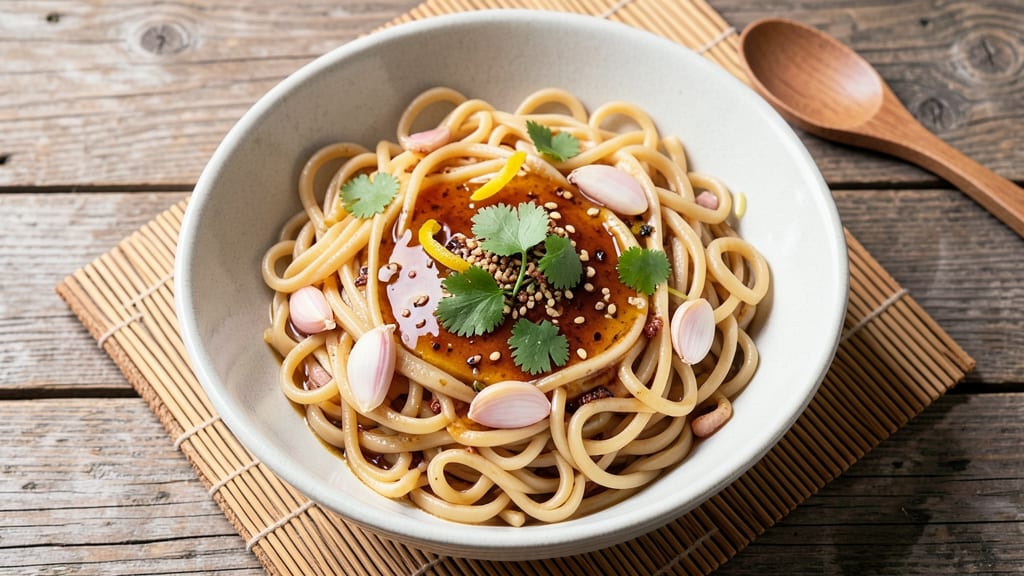
This Chinese flat rice noodles recipe delivers the perfect balance of wok-seared crisp edges and silky centers every time. The secret lies in high-heat stir-frying—just 2-3 minutes transforms soft noodles into golden, textured strands while keeping the interior tender.
I’ve perfected this technique after years of testing, ensuring your noodles stay intact and absorb flavors beautifully without turning mushy.
Pair these noodles with your choice of protein—crispy pork, succulent shrimp, or tofu for a vegetarian twist—and toss in a savory sauce made from soy, sesame oil, and a touch of sugar.
The result? A dish that’s restaurant-quality yet simple enough for weeknight dinners. Ready in under 15 minutes, it’s the ultimate quick meal that still feels special.
Ingredients for chinese flat rice noodles
Eight essential ingredients to nail that perfect wok-seared texture every time.
| Ingredient | Amount | Notes |
|---|---|---|
| Flat Rice Noodles 🍜 | 8 oz | Dried, medium-width preferred |
| Vegetable Oil 🫒 | ½ cup | High smoke point for wok-searing |
| Garlic Cloves 🧄 | 6 cloves | Minced, fresh preferred |
| Fresh Ginger 🌿 | 1 tbsp | Finely grated, peeled |
| Soy Sauce 🍶 | ⅓ cup | Light or dark, to taste |
| Sesame Oil 🫒 | 1 tbsp | Toasted, for aroma |
| Granulated Sugar 🍚 | 1 tbsp | Balances flavors |
| Green Onions 🧅 | 3 whole | Thinly sliced, white and green parts |
| Sesame Seeds 🌰 | 1 tbsp | Toasted, for garnish |
| Protein Option 🍗 | 1 lb | Pork, shrimp, or tofu (choice) |
| Salt 🧂 | ½ tsp | Adjust to taste |
| Black Pepper 🌶️ | ¼ tsp | Freshly ground |
The noodles are the star here—medium-width dried flat rice noodles give you that ideal balance of chew and crisp. Asian markets usually carry them in bulk, but Trader Joe's has a great pre-packaged option too. Look for ones labeled 'egg noodles' or 'rice vermicelli'—they’re often the same thing. Protein matters next: pork shoulder for crispy edges, shrimp for tender bites, or tofu for a vegetarian version. Prep it ahead so you’re not scrambling during the stir-fry. The garlic and ginger? Fresh is non-negotiable—they make or break the flavor. Toast the sesame seeds in a dry pan for 30 seconds before adding to the noodles for extra aroma.
No sesame oil? Avocado oil at half the amount works in a pinch, but you’ll lose that nutty depth. Running short on soy sauce? Coconut aminos or tamari are solid swaps. The sugar might seem odd, but it’s key—it cuts through the saltiness and balances the savory notes. Skip it if you’re watching sugar, but honestly, a little goes a long way. For the protein, pre-cook tofu or shrimp so they’re ready to toss in at the end. Pork should be thinly sliced and partially cooked before stir-frying to avoid overcrowding the wok. And if your green onions are big, use the white parts for cooking and the green for garnish—double flavor impact.
Noodles cook fast—soak them for 10-15 minutes in warm water before draining, then toss with a little oil to prevent sticking. Store prepped proteins in the fridge for up to 2 days, but keep the noodles dry until you’re ready to cook. This dish reheats beautifully—just add a splash of water and stir-fry again. Leftovers keep for 3-4 days in the fridge, but honestly, they’re best fresh. Double the batch and freeze half for lazy nights—just thaw and reheat. The key to crispy edges? High heat and a well-seasoned wok. If you don’t have one, a cast-iron skillet works too.
Why You'll Love This Recipe
- No Chopping Needed: I swear by this recipe when I’m too tired to dice anything—just tear those flat rice noodles by hand (or buy them pre-cut), toss them in a hot pan with a little oil, and let the garlic and ginger sizzle. Five minutes later, dinner’s ready.
- Umami Bomb: That first bite? The soy sauce caramelizing with the garlic and ginger turns these noodles into something ridiculously good—salty, aromatic, with just the right chew. Honestly, I’ll eat them plain if I’m in a rush, and still crave more.
- Lunchbox Hero: Between us, these noodles are my secret weapon for packed lunches. They reheat like a dream (microwave or pan-fry), and I can toss in leftover proteins or veggies without extra effort. My kids think I’m a genius.
- Pantry Staple: I keep a bag of flat rice noodles on hand because they’re cheap, last forever, and stretch into meals for days. Toss them with whatever’s in the fridge—eggs, tofu, or even canned fish—and suddenly you’ve got a satisfying, budget-friendly dinner. Not the prettiest, but the taste makes up for it.
Step-by-step instructions for wok-seared flat rice noodles
Here's how to get that perfect balance of crispy edges and tender centers every time.
Soak and Prepare the Flat Rice Noodles
Fill a large bowl with cold water and add the 8 oz flat rice noodles. Let them soak for 10-15 minutes until pliable but still holding their shape. You'll know they're ready when they bend easily without breaking—this prevents them from turning mushy during cooking.
While they soak, drain them and rinse briefly under cold water to remove excess starch. This step keeps the noodles from sticking together and ensures they'll sear properly in the wok. Pat them dry with paper towels—just enough to remove surface moisture without making them brittle.
Sear the Protein to Perfection
Heat 0.5 cup vegetable oil in a wok or large skillet over medium-high heat until shimmering. Add the 1 lb protein option (sliced pork, shrimp, or tofu) and cook for 3-5 minutes, stirring occasionally, until golden brown and cooked through.
Remove the protein and set aside. If using tofu, press it first to remove excess water for better browning. The key here is to get that caramelized crust—this adds depth of flavor that carries through the entire dish. Don't overcrowd the pan or the protein will steam instead of sear.
Build the Flavorful Sauce Base
In the same wok, reduce heat to medium and add 6 cloves minced garlic and 1 tbsp finely grated ginger. Cook for 30 seconds until fragrant but not browned—burnt garlic ruins the dish. Add 0.33 cup soy sauce, 1 tbsp sesame oil, and 1 tbsp granulated sugar, stirring constantly for 1 minute until the sugar dissolves.
Here's where the magic happens: the sugar caramelizes slightly, balancing the saltiness of the soy sauce. If using shrimp or pork, add 0.5 tsp salt and 0.25 tsp black pepper now. For tofu, season lightly since it absorbs flavors differently. Let the sauce simmer for 2 minutes until slightly thickened.
Wok-Sear the Noodles for Crispy Edges
Return the wok to high heat and add the drained noodles in batches if needed. Toss them vigorously for 2-3 minutes until they develop golden brown edges while staying tender in the center. This high-heat searing creates that signature wok-fried texture that sets this dish apart.
Real talk: don't walk away. Watch the noodles closely—they go from perfect to overcooked in seconds. If they start sticking, add a splash of water and toss again. The goal is crispy edges with silky centers, not burnt noodles. Once they're golden, remove from heat immediately.
Combine and Garnish
Return the seared protein to the wok and toss everything together for 1 minute to coat the noodles evenly in the sauce. Divide among plates and garnish with 3 whole green onions (thinly sliced) and 1 tbsp toasted sesame seeds. The contrast of textures—crispy noodles, tender protein, and crunchy toppings—makes this dish unforgettable.
Serve immediately while hot. The noodles will continue to crisp slightly as they cool, but you want to enjoy them at their peak texture. Pair with a cold beer or jasmine tea to cleanse the palate between bites. This recipe delivers restaurant-quality results with minimal effort—once you master the wok-searing technique, it becomes second nature.
Pro Tips For Making Chinese Flat Rice Noodles
- SOAK NOODLES SEPARATELY: I learned this the hard way—dumping the whole package in one bowl leads to uneven cooking. Split them into two batches and soak for 3-4 minutes in warm (not boiling) water. The thinner strands need less time, while the thicker ones stay chewy. Drain immediately over a colander and rinse with cold water to stop cooking—this keeps them from turning mushy when stir-frying.
- STIR-FRY IN BATCHES: Flat rice noodles burn faster than you think. After toasting the garlic and ginger in oil, push them to the sides and add just half the noodles to the pan. Stir-fry for 1-2 minutes until they’re lightly golden and crispy in spots, then remove to a plate. Repeat with the second batch—this guarantees even cooking without a single charred strand. (Yes, even if you’re impatient like me.)
- USE MINCED GINGER: Skip the thick slices—finely mincing the ginger (or grating it) makes a real difference here. It blends seamlessly into the sauce and adds depth without overpowering the garlic. Pro tip: Smash the ginger with the flat of your knife before mincing for extra flavor punch. (Your future self will thank you.)
- SAVE THE NOODLE WATER: This isn’t the prettiest method, but it works: Reserve ¼ cup of the starchy noodle water after draining. When tossing the noodles with soy sauce and oil, splash in a little of this water. It acts like a natural emulsifier, helping the sauce cling to the noodles instead of pooling at the bottom of the bowl. (I know, it sounds weird, but trust the process.)
Perfect pairings for this recipe
Sauce Variations
For a spicy kick, swap the soy sauce for 1/3 cup soy sauce + 1 tbsp chili garlic sauce and add 1 tsp sriracha at the end. I love this with shrimp—it cuts through the richness beautifully.
For a nutty depth, replace sesame oil with 1 tbsp peanut butter + 1 tsp lime juice in the sauce. This works surprisingly well with pork and adds a Thai-inspired twist. 🌶️
Protein Swaps
Try char siu pork for a Cantonese-inspired version—simmer 1 lb pre-cooked char siu in 1/4 cup water + 1 tbsp hoisin sauce for 5 minutes before adding to the wok. For seafood lovers, scallops sear in just 1 minute per side and add a luxurious texture.
Vegetarians can use mushrooms—sauté 8 oz shiitake caps with 1 tbsp oyster sauce before combining. 🍤
Vegetable Add-Ins
Add bell peppers for color and crunch—slice 1 red and 1 green pepper into thin strips and stir-fry with the garlic. Bok choy is another great choice: separate 2 heads into stems and leaves, blanch stems for 1 minute, then toss with the noodles.
For heartiness, include 1 cup snap peas—they cook in seconds and add freshness. 🥦
Cold Noodle Salad
Skip the wok-searing and make a refreshing salad: toss 8 oz cooked noodles with 2 tbsp rice vinegar, 1 tbsp soy sauce, 1 tsp sesame oil, and 1 tbsp honey.
Add 1/2 cup shredded carrots, 1/4 cup cilantro, and 2 tbsp crushed peanuts for crunch. This works perfectly as a light lunch or side dish. 🥗
Dipping Sauces
Serve with peanut sauce—mix 2 tbsp peanut butter, 1 tbsp soy sauce, 1 tsp lime juice, and 1 tsp honey. For a spicy option, blend 1/4 cup yogurt, 1 tbsp sriracha, and 1 tsp garlic powder.
These sauces elevate the dish, especially if you're serving it as a takeout-style meal. 🍜
Nutrition facts
Frequently asked questions
Can I use fresh flat rice noodles instead of dried?
Fresh noodles are a great alternative, but they require different handling. They cook in just 1-2 minutes of boiling, so don't over-soak them. For best results, use them immediately after cooking—fresh noodles lose texture quickly when reheated. If you can't find fresh ones, dried noodles are more forgiving for beginners.
Why do my noodles turn mushy instead of crispy?
Mushy noodles usually mean one of two things: either they soaked too long (over 15 minutes) or they didn't get enough heat during the wok-searing. For crispy edges, use a well-heated wok on high heat and stir constantly for only 2-3 minutes. Pat them dry after soaking too—excess moisture prevents proper browning.
How can I make this recipe gluten-free?
This recipe is naturally gluten-free if you use tamari instead of soy sauce and verify your noodles are made from 100% rice flour. Double-check labels—some brands add wheat starch. For extra safety, use certified gluten-free sesame oil and toasted sesame seeds. The texture and flavor will be identical to the original recipe.
Can I prepare the sauce ahead of time?
The sauce keeps well in the fridge for up to 3 days—just store it in an airtight container. Reheat gently before using. For the best results, warm it over low heat and toss with the noodles at the end. The sugar in the sauce might caramelize further, so keep an eye on it to prevent burning.
What's the best way to reheat leftovers?
Reheat in a wok or skillet over medium-high heat for 2-3 minutes with a splash of water or oil to prevent drying. For extra crispiness, add a few drops of sesame oil at the end. Microwaving works but makes the noodles soggy—always use the stovetop method for best texture. Leftovers taste great for 3-4 days when stored properly.