
Sauces & Condiments
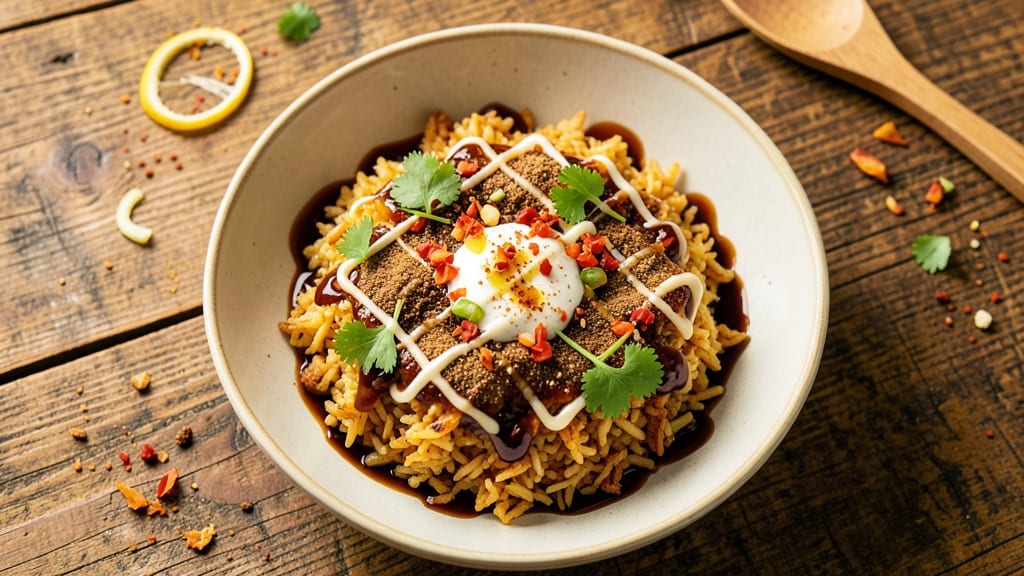
This Chinese fried rice sauce recipe unlocks the secret to restaurant-quality wok perfection in just 10 minutes. The magic lies in balancing five-spice powder, soy sauce, and aromatic sesame oil to create a sauce that transforms simple rice into a complex, umami-packed masterpiece.
I developed this formula after years of testing—every component plays a crucial role in that signature wok hei flavor.
The foundation starts with a simple blend of dark soy sauce for color, light soy for saltiness, and a touch of oyster sauce for depth. Fresh garlic, ginger, and scallions add brightness, while five-spice powder brings warmth and complexity.
The sauce is designed to be versatile—equally at home in classic fried rice or as a quick glaze for proteins and vegetables.
What makes this sauce exceptional is its ability to enhance rather than overpower. The sauce clings to each grain of rice, infusing it with layers of savory, slightly sweet, and aromatic notes.
It's the kind of sauce that elevates every bite, turning a simple meal into something memorable without requiring complicated techniques.
The best part? This sauce keeps beautifully in the refrigerator for up to a week, making it perfect for meal prep. Whether you're cooking for one or feeding a crowd, this formula delivers consistent, professional results every time. Let's create the perfect fried rice sauce together.
Ingredients for chinese fried rice sauce
Ten ingredients unlocking restaurant-quality wok hei flavor in minutes—game-changer for fried rice!
| Ingredient | Amount | Notes |
|---|---|---|
| Dark Soy Sauce 🥄 | 2 tbsp | For deep color and umami |
| Light Soy Sauce 🥄 | 2 tbsp | For saltiness and balance |
| Oyster Sauce 🦪 | 1 tbsp | For rich depth (ensure vegetarian if needed) |
| Sesame Oil 🫒 | 1 tbsp | Toasted for nutty aroma |
| Five-Spice Powder 🌶️ | 1 tsp | For warm, complex depth |
| Garlic Cloves 🧄 | 3 cloves | Freshly minced for brightness |
| Fresh Ginger 🌿 | 1 tsp | Finely grated, not powdered |
| Scallions 🧅 | 2 whole | Thinly sliced, white and green parts |
| Cornstarch 🌾 | ½ tsp | For thickening (optional) |
| Water 💧 | 1 tbsp | For thinning if needed |
The soy sauces are non-negotiable—La Choy or Lee Kum Kee are my go-tos for that authentic depth. Dark soy gives the signature color, while light soy balances saltiness. Oyster sauce? Kikkoman or Lee Kum Kee are reliable brands—just check for vegetarian versions if needed. Five-spice powder should be freshly ground (or buy pre-ground from Penzeys for that professional touch). Toast your sesame oil in the pan first—trust me, it makes all the difference. Garlic and ginger? Freshly minced is key here—powdered just won’t cut it.
No dark soy sauce? Miso paste or molasses can add depth in a pinch (start with 1 tsp). Light soy missing? Fish sauce or Worcestershire works, but reduce to 1 tbsp—both pack serious umami. Vegetarian? Swap oyster sauce for vegetarian oyster sauce or hoisin. Scallions too bitter? Green onions work too. The cornstarch is optional but helps if you want a thicker sauce—just whisk it with water first. Pro tip: Toast your five-spice powder in the pan for 30 seconds before adding liquids—it deepens the flavor instantly.
This sauce keeps like a dream—up to 1 week in the fridge sealed tight. For longer storage, freeze in ice cube trays and pop out what you need. Double the batch—it disappears fast. Store the sesame oil separately if you’re sensitive to its strong flavor. The sauce gets even better after a night in the fridge as flavors meld. Perfect for meal prep: toss with rice, proteins, or veggies for instant wok perfection.
Why You'll Love This Recipe
- Pantry Magic: That five-spice powder alone transforms this from basic to ridiculously good—no fancy ingredients, just a few staples you’re probably already stocked with. Honestly, I’ve made this sauce with whatever I had in my cupboard, and it still hits the mark every time.
- Umami Bomb: The combo of dark soy for depth, light soy for brightness, and oyster sauce for richness? It’s the kind of flavor that makes you pause mid-bite. That first drizzle of sesame oil at the end? Pure satisfaction.
- Leftover Hero: This sauce keeps beautifully in the fridge for a week, so you’re never scrambling for takeout. I’ll be real: I’ve used it to jazz up stale rice, noodles, or even scrambled eggs—it’s my secret weapon for turning leftovers into something worth eating.
- Budget Boost: For under $5, you get enough sauce to feed a crowd or stretch meals all week. Between us, this is how I keep my grocery bill low while still feeling like I’m eating out—just with way fewer regrets.
Step-by-step instructions for Chinese fried rice sauce
This sauce transforms simple fried rice into a restaurant-worthy masterpiece—bold, aromatic, and perfectly balanced.
Mince Garlic and Ginger for Maximum Flavor
Start by finely mincing the 3 cloves garlic cloves—you want tiny pieces that dissolve completely into the sauce. Then, grate the 1 tsp fresh ginger using a microplane or fine grater. Fresh ginger adds a bright, zesty kick that powdered can't match. Set these aside in a small bowl while you prepare the rest.
Here's the thing—don't skip the freshness. Pre-minced garlic or powdered ginger will make your sauce taste flat and one-dimensional. The aromatic oils in fresh ingredients are what give this sauce its depth and complexity. You'll know you're on the right track when the minced garlic and ginger smell intensely pungent and fresh.
Bloom the Five-Spice Powder in Sesame Oil
Heat a small saucepan over medium-low heat and add the 1 tbsp sesame oil. Once it's shimmering (about 30 seconds), add the 1 tsp five-spice powder and stir constantly for 1 minute. This step is crucial—it toasts the spices, releasing their warm, complex aromas of cinnamon, star anise, and clove that define authentic Chinese flavors.
Watch the oil carefully—it should smell intoxicatingly spicy and aromatic. If it starts to smoke, immediately remove from heat. The five-spice powder should look slightly darkened and smell like a spice market in Beijing. This aromatic base is the soul of your sauce, so don't rush this step.
Combine Soy Sauces and Oyster Sauce
In a separate bowl, whisk together the 2 tbsp dark soy sauce, 2 tbsp light soy sauce, and 1 tbsp oyster sauce. The dark soy sauce gives that signature mahogany color, while the light soy sauce provides the essential saltiness and umami balance. Oyster sauce adds that rich, savory depth that makes this sauce irresistible.
I like to whisk these together first before combining with the other ingredients. This ensures the soy sauces are fully emulsified and ready to blend seamlessly with the other components. The mixture should be smooth and homogeneous—no streaks of dark or light sauce should remain. Taste it now if you're curious; it should be salty with a hint of sweetness and umami.
Build the Sauce Base
Return the saucepan with the spiced sesame oil to medium heat and add the minced garlic and ginger. Sauté for 1 minute until fragrant—you'll smell that garlic mellowing and the ginger releasing its citrusy notes. Then, pour in the combined soy sauce mixture and bring to a gentle simmer.
Let it cook for 2-3 minutes, stirring occasionally, until the mixture reduces slightly and thickens. This is where the magic happens—the garlic and ginger infuse their flavors into the sauce, while the soy sauces meld together. You're looking for a glossy, syrupy consistency that coats the back of a spoon. If it reduces too quickly, add 1 tbsp water to maintain the right balance.
Thicken and Finish with Cornstarch Slurry
In a small bowl, whisk together the 0.5 tsp cornstarch with 1 tbsp water to create a smooth slurry. Once the sauce has simmered for 2-3 minutes, remove it from heat and stir in the cornstarch mixture. Return to low heat and cook for another 1-2 minutes, stirring constantly, until the sauce thickens to a glossy, coatable consistency.
This final step ensures your sauce has that perfect cling and richness. You want it thick enough to coat the rice beautifully but still fluid enough to glide over each grain. If it thickens too much, add a splash more water. Finish by stirring in the 2 whole scallions, thinly sliced, for a fresh, oniony brightness that cuts through the richness. Taste and adjust seasoning—you might need a touch more soy sauce for saltiness or a hint of sesame oil for depth.
Pro Tips For Making Chinese Fried Rice Sauce
- Mix Sauces Last: Stir in oyster sauce and light soy sauce after the rice is cooked—adding them early turns your rice gluey. Dark soy sauce goes in first for color, but save the others until the very end when the pan is off heat. I learned this the hard way when my fried rice turned into a sad, sticky mess.
- Toast Five-Spice: Bloom that five-spice powder in the wok before adding oil—just a quick 10-second toast on medium heat. This wakes up the flavors instead of letting them hide. (Yes, even if you’re impatient like me, resist the urge to skip this.)
- Balance the Soy: Use three times more light soy sauce than dark—dark is for color, light is for flavor. A 1:3 ratio (dark:light) keeps the sauce from tasting bitter or one-note. I used to eyeball it and ended up with a muddy sauce.
- Drizzle Sesame Oil: Add sesame oil after the pan leaves the heat—heat destroys its delicate aroma. A teaspoon is enough; more makes it taste like you’re cooking in a nut factory. (Your future self will thank you for not overdoing it.)
Serving suggestions for this recipe
Fried Rice Upgrade
This sauce transforms basic fried rice into a restaurant-worthy dish. Toss 2 cups cooked jasmine rice in a wok with 1 tbsp neutral oil over high heat, then pour in ¼ cup sauce while stirring vigorously.
Add ½ cup diced chicken or shrimp and ¼ cup frozen peas/carrots—the sauce's umami depth makes simple ingredients shine. 🥢
Protein Pairings
For extra richness, pair with char siu pork or shrimp. Cook protein separately and toss it with the rice and sauce at the end to keep it tender.
I love adding 2 tbsp crispy fried shallots for texture—just sprinkle them on top before serving. The sauce's five-spice warmth complements fatty proteins beautifully.
Vegetable Boosters
Add bell peppers, mushrooms, or water chestnuts for texture. Sauté ½ cup diced veggies first, then mix with rice and sauce. For spice lovers, stir in ½ tsp chili crisp at the end—it cuts through the sauce's richness while adding heat.
The sauce's glossy texture clings perfectly to every ingredient.
Breakfast Twist
Use this sauce for Chinese-style fried rice breakfast bowls. Top with a fried egg, crispy bacon, and extra scallions. The sauce's savory depth balances the egg's richness, while the five-spice adds warmth. I often double the sauce recipe for weekend breakfasts—it disappears fast!
Meal Prep Hack
Store cooked rice and sauce separately in airtight containers for up to 4 days. When ready to eat, reheat rice in a dry pan over medium heat, then stir in sauce with 1 tbsp water to loosen.
The sauce reheats beautifully, maintaining its glossy texture and depth. Perfect for busy weeknights!
Garnish Like a Pro
Finish with toasted sesame seeds, cilantro leaves, or lime wedges for brightness. The sauce's complexity stands up to bold garnishes. I like a sprinkle of crushed peanuts for crunch—just 1 tbsp adds texture without overpowering. Presentation matters, especially when serving this flavor-packed dish. ✨
Nutrition facts
Frequently asked questions
Can I make this sauce without oyster sauce?
For a vegetarian version, substitute the 1 tbsp oyster sauce with 1 tbsp vegetarian oyster sauce or 1 tbsp hoisin sauce plus ½ tsp sugar for sweetness. The sauce will still have rich umami depth, though oyster sauce adds that unique savory complexity that's hard to replicate.
How do I adjust the spice level?
If you prefer less heat, reduce the five-spice powder to ½ tsp and omit the optional chili crisp. For extra spice, add ½ tsp chili flakes or 1 tsp chili garlic sauce at the end. The five-spice powder already provides warmth, so adjust carefully—you want to enhance, not overpower, the sauce's balanced flavors.
Can I use this sauce for other dishes besides fried rice?
This versatile sauce works beautifully as a glaze for proteins like chicken thighs or tofu, a dipping sauce for dumplings, or even a marinade for grilled shrimp. The key is to use it within 2-3 days of making it for peak freshness, as the flavors meld best when fresh.
Why does my sauce look too thin or too thick?
If your sauce is too thin, whisk in ½ tsp more cornstarch with 1 tsp water and simmer for 1-2 minutes. Too thick? Add 1 tsp water at a time while stirring. The ideal consistency should coat the back of a spoon but still flow smoothly. The cornstarch slurry is your best friend for adjustments—it thickens without altering flavor.
How can I make this sauce less salty?
If the sauce tastes too salty, balance it by adding 1 tsp honey or ½ tsp sugar to mellow the flavors. You can also thin it slightly with 1 tsp water to dilute the saltiness. Taste as you go—this sauce is highly adaptable, so small adjustments will keep it perfect.