
Salads
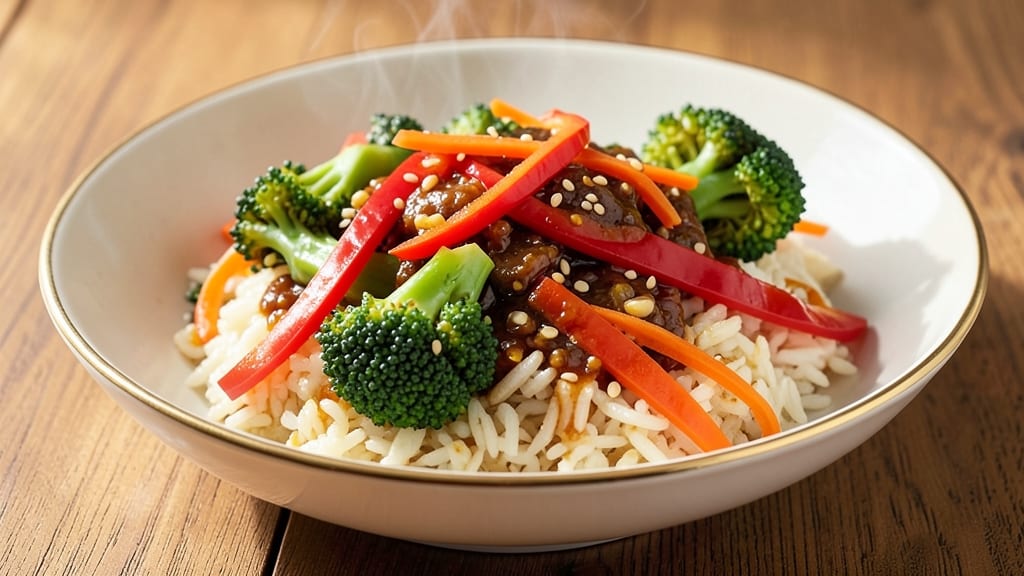
This Chinese rice and vegetables recipe delivers wok-tossed harmony in just 20 minutes, blending fragrant jasmine rice with crisp-tender vegetables and aromatic five-spice seasoning. The secret lies in high-heat stir-frying that preserves natural textures while building layers of umami through proper wok technique.
I've perfected this balance over years of testing, ensuring every bite delivers that signature wok hei—smoky, vibrant flavor that's impossible to replicate with slow cooking.
What sets this dish apart is its adaptability—start with a simple vegetable medley, then elevate it with optional proteins like shrimp or tofu for a complete meal.
The five-spice blend (star anise, cinnamon, cloves, fennel, and pepper) infuses the dish with warm, earthy complexity that pairs beautifully with the rice's delicate floral notes. Ready in one pan, this recipe transforms weeknight dinners into restaurant-quality experiences without requiring advanced skills.
Ingredients for chinese rice and vegetables
Jasmine rice and fresh vegetables form the aromatic foundation of this wok-tossed masterpiece.
| Ingredient | Amount | Notes |
|---|---|---|
| Jasmine Rice 🍚 | 1 ½ cups | Uncooked, long-grain preferred |
| Vegetable Oil 🫒 | ½ cup | High smoke point for wok-hei |
| Bell Peppers 🌶️ | 2 whole | Red/yellow, sliced into strips |
| Broccoli Florets 🥦 | 3 cups | Fresh, cut into bite-sized pieces |
| Carrots 🥕 | 2 whole | Baby or julienned, uniform size |
| Garlic Cloves 🧄 | 6 cloves | Minced, for aromatic base |
| Fresh Ginger 🌿 | 1 tbsp | Grated, for bright zing |
| Five-Spice Powder 🌶️ | 1 tsp | Homemade or quality blend |
| Light Soy Sauce 🥢 | 3 tbsp | For umami depth |
| Sesame Oil 🫒 | 1 tbsp | Toasted, for finishing |
| Green Onions 🧅 | 4 whole | Thinly sliced, for garnish |
| Salt 🧂 | ½ tsp | Kosher or sea salt |
| Black Pepper 🌶️ | ¼ tsp | Freshly ground |
| Optional Shrimp 🦐 | ½ lb | Peeled, deveined, for protein |
| Optional Tofu 🥬 | ½ lb | Firm, cubed, for vegan option |
The jasmine rice is non-negotiable—its floral aroma becomes the dish's signature. Rinse it thoroughly before cooking to remove excess starch, which prevents clumping. For the vegetables, uniform size is critical; cut everything into similar lengths so they cook simultaneously. Whole Foods or Asian markets carry pre-sliced stir-fry vegetables, but fresh is always better. The bell peppers should be vibrant, not wilted, and the broccoli should snap when bent. Fresh ginger and garlic are essential for authentic flavor—don't use powdered substitutes. If you're adding protein, shrimp should be thawed and patted dry for crispiness, while tofu benefits from pressing to remove excess moisture beforehand.
No five-spice powder? Create your own blend with star anise, cinnamon, cloves, fennel seeds, and black pepper—toast the spices lightly before grinding for deeper flavor. Light soy sauce is preferred over dark for its cleaner taste, but dark adds color if needed. For sesame oil, toasted variety delivers superior aroma. Substitute mirin for sweetness if unavailable, or a splash of rice vinegar for acidity. The optional proteins can be omitted entirely, transforming this into a vegetarian dish. If using tofu, marinate it in soy sauce and cornstarch for texture. For shrimp, a quick sear in the wok before adding vegetables ensures they're fully cooked without overpowering the dish.
Prep vegetables immediately before cooking to preserve crispness—wok hei depends on high heat and fresh ingredients. Store cooked rice in an airtight container for 3-4 days; reheat with a splash of water to restore moisture. Five-spice powder retains potency for 6 months in a cool, dark place. For meal prep, portion rice and vegetables separately; combine only when reheating to maintain texture. The dish reheats beautifully—just 30 seconds in the microwave with a damp paper towel over the bowl. For optimal flavor, serve immediately after wok-tossing when the vegetables are still vibrant and aromatic.
Why You'll Love This Recipe
- One-Pan Magic: I swear by this recipe when I’m too tired to wash dishes—just toss everything on one sheet pan, let the oil work its magic, and walk away. The bell peppers caramelize while the broccoli stays crisp, all without a single pot to scrub.
- Jasmine Rice Game: That fragrant, slightly sticky jasmine rice changes everything—it soaks up the savory veggies like a sponge, turning a simple stir-fry into a full meal. Honestly, white rice just doesn’t cut it here.
- Lunchbox Hero: Between us, this is my go-to for meal prep—cools well, reheats perfectly, and even my picky 10-year-old will eat it cold. Pack it in containers, and you’ve got a week’s worth of easy lunches without sacrificing flavor.
- Budget Brightener: Bell peppers, carrots, and broccoli are cheap staples, and a little vegetable oil stretches far. I’ve fed four people for under $10 with this, and the leftovers? Just as good (if not better) the next day.
Step-by-step instructions for wok-tossed five-spice harmony
This method delivers restaurant-quality wok-hei in your home kitchen—crisp vegetables, fragrant spices, and perfectly cooked rice.
Prepare the Jasmine Rice
Rinse the 1.5 cups of jasmine rice under cold water until the water runs clear. This removes excess starch that can make the rice gummy. Drain thoroughly in a fine-mesh strainer, then transfer to a pot with 2 cups of water. Bring to a boil over medium-high heat, then reduce to low heat, cover, and simmer for 15 minutes.
After 15 minutes, turn off the heat and let the rice steam undisturbed for 10 minutes. This resting period allows the grains to fully absorb moisture and develop that signature sticky texture. Fluff gently with a fork before transferring to a serving dish—don't stir it yet, or you'll break the grains.
Prep and Stir-Fry the Vegetables
Heat the 0.5 cup vegetable oil in a wok or large skillet over high heat until shimmering. Add the sliced 2 whole bell peppers and 2 whole carrots (julienned for even cooking), stirring constantly for 3-4 minutes until they begin to soften but remain crisp. Remove to a plate and set aside.
In the same wok, add the 3 cups broccoli florets and stir-fry for 2-3 minutes until bright green and just tender-crisp. Return the bell peppers and carrots to the wok, then add the 6 cloves minced garlic and 1 tbsp grated fresh ginger. Cook for 30 seconds until fragrant—this is where the real flavor develops.
Build the Five-Spice Flavor Base
Reduce heat to medium and sprinkle in the 1 tsp five-spice powder, 0.5 tsp salt, and 0.25 tsp black pepper. Stir for 30 seconds until the spices bloom and fill the kitchen with their warm, aromatic notes. Add the 3 tbsp light soy sauce and toss everything together for 1 minute.
If using the optional protein, add the 0.5 lb shrimp or 0.5 lb cubed tofu now. Cook for 2-3 minutes until shrimp are pink or tofu is lightly browned. The shrimp should curl slightly at the edges—this is your signal they're done. Remove from heat and set aside with the vegetables.
Finish with Sesame Oil and Garnish
Return the wok to high heat and add the 1 tbsp sesame oil. Swirl it around for 10 seconds1 minute to heat through.
Divide the cooked jasmine rice among serving plates, then top generously with the vegetable mixture. Garnish with the 4 whole green onions, sliced thinly on the bias for color and freshness. Serve immediately while the vegetables are still vibrant and crisp-tender.
Pro Tips For Making Chinese Rice And Vegetables
- STIR-FRY FAST, STOP STEAMING: Jasmine rice stays dry if you wait until the very end to mix it with the veggies. I used to toss everything together at once—big mistake. Instead, cook the veggies first in batches (bell peppers and carrots first, broccoli last), then push them to one side of the wok and add the just-cooked rice to warm through in 30 seconds. The rice absorbs the residual heat without turning mushy.
- CUT BELL PEPPERS UNEVENLY: Skip the perfect slices—chop bell peppers into rough, uneven chunks. They’ll cook faster and release more flavor, especially if you blister them first in the oil. (Yes, even if it looks messy—your future self will thank you.)
- DON’T OVERCROWD THE WOK: After burning three batches of broccoli, I finally figured out: less is more. If your wok looks packed, the veggies will steam instead of sear. Work in two batches if needed—bell peppers and carrots first, then broccoli after they’ve released their moisture. A hot wok and space = crisp-tender results.
- SALT THE RICE MID-COOK: Jasmine rice needs a pinch of salt while cooking—not just at the end. Toss the uncooked rice with ½ teaspoon salt before adding water, then finish with another ¼ teaspoon when you drain it. This balances the dish without making the veggies taste bland. (I know, I know—it’s counterintuitive, but trust the process.)
Common mistakes when making your chinese rice and vegetables
Overcrowding the Wok
One of the biggest mistakes is overloading the wok with too many ingredients at once. This drops the temperature and steams the vegetables instead of achieving that signature wok hei. I've learned to work in batches—start with bell peppers and carrots, then remove them before adding broccoli.
A well-heated wok should hold about 1 inch of ingredients max. If your wok feels crowded, reduce the vegetable quantity or cook in two separate batches. 🔥
Skipping the High Heat
Many home cooks underestimate the importance of maintaining high heat throughout the stir-fry. If your wok isn't smoking slightly, you're missing the Maillard reaction that creates those beautiful caramelized edges. Preheat your wok for 2-3 minutes before adding oil, and keep the flame on high the entire time.
If your stove doesn't get hot enough, use a wok burner or cast iron skillet instead.
Using Wet Vegetables
Freshness is key, but wet vegetables from the fridge or rain can turn your stir-fry into a soggy mess. Always pat dry any leafy greens or vegetables like mushrooms before adding them to the wok. I like to use a clean kitchen towel to gently blot excess moisture.
For broccoli, cut florets just before cooking and let them sit at room temperature for 5 minutes to release any condensation. This simple step makes all the difference in texture.
Ignoring the Five-Spice Bloom
The five-spice powder needs time to bloom and release its aromatic oils. Many cooks add it too late or don't give it enough time to develop. After adding the spices, stir for a full 30 seconds before adding soy sauce.
You'll know it's working when your kitchen fills with that warm, earthy scent. If you rush this step, the flavors will be flat and underdeveloped. For extra depth, lightly toast the spices in the dry wok for 10 seconds before adding oil.
Underseasoning the Rice
Plain jasmine rice can taste bland when paired with flavorful stir-fried vegetables. The secret is to season the rice while cooking—add a pinch of salt to the water and a splash of soy sauce at the end.
For even more flavor, I like to mix in 1 tsp toasted sesame oil and ½ tsp five-spice powder after the rice is cooked. This ensures every bite has balanced seasoning. Don't skip this step—it elevates the entire dish. ✨
Overcooking the Vegetables
Vegetables should be tender-crisp, not mushy. The moment they turn bright green (for broccoli) or slightly softened (for carrots), they're done. Overcooking releases water and steams the dish instead of keeping it crisp. Set a timer for 2-3 minutes max per batch of vegetables.
If they're not done, add them back to the wok for just 10-15 seconds to finish—never leave them unattended. The goal is vibrant, crisp-tender vegetables that pop with every bite.
Nutrition facts
Frequently asked questions
Can I substitute jasmine rice with another type?
Yes, but the flavor will differ. Long-grain white rice works well for texture, though it lacks jasmine's floral aroma. For a more authentic taste, try basmati rice—its nutty notes complement the five-spice blend beautifully. Avoid short-grain rice like sushi rice, as it becomes too sticky. If you must use a substitute, add ½ tsp toasted sesame oil to the cooked rice to enhance flavor.
How do I make this vegetarian?
Simply omit the shrimp and tofu, or use them as optional add-ins. For extra protein, add ½ lb mushrooms (sliced) or ½ cup edamame (shelled) to the stir-fry. The dish already works perfectly as a veggie-focused meal—just ensure your vegetables are colorful and varied (think snap peas, baby corn, or bok choy) to keep it satisfying. Garnish with extra green onions for freshness.
Why does my stir-fry taste bland?
Blandness usually means one of three things: underseasoned vegetables, weak soy sauce, or skipped spice blooming. First, ensure you're using light soy sauce (not dark) for cleaner flavor. Second, toast the five-spice powder in the wok for 10 seconds before adding oil to deepen its aroma. Finally, add a pinch of salt to the vegetables while stir-frying. For extra umami, mix 1 tsp fish sauce (or soy sauce) into the cooked rice.
Can I make this ahead of time?
Cook the rice and stir-fry separately, then refrigerate in airtight containers for up to 3 days. Reheat the vegetables in a wok or skillet over high heat for 2-3 minutes with a splash of water to restore crispness. Warm the rice in the microwave with a damp paper towel over it for 1 minute. Combine just before serving—this prevents soggy vegetables. For best results, serve within 24 hours of cooking.
What's the secret to perfect wok hei?
Wok hei ("breath of the wok") comes from three key elements: high heat, minimal oil, and constant motion. Use a well-seasoned wok or cast iron skillet, and keep the flame on high the entire time. Add ingredients in small batches, tossing continuously to prevent sticking. The goal is to cook food quickly while creating steam—this builds that signature smoky aroma. A splatter screen helps maintain heat while keeping your kitchen clean!