
Soups & Stews
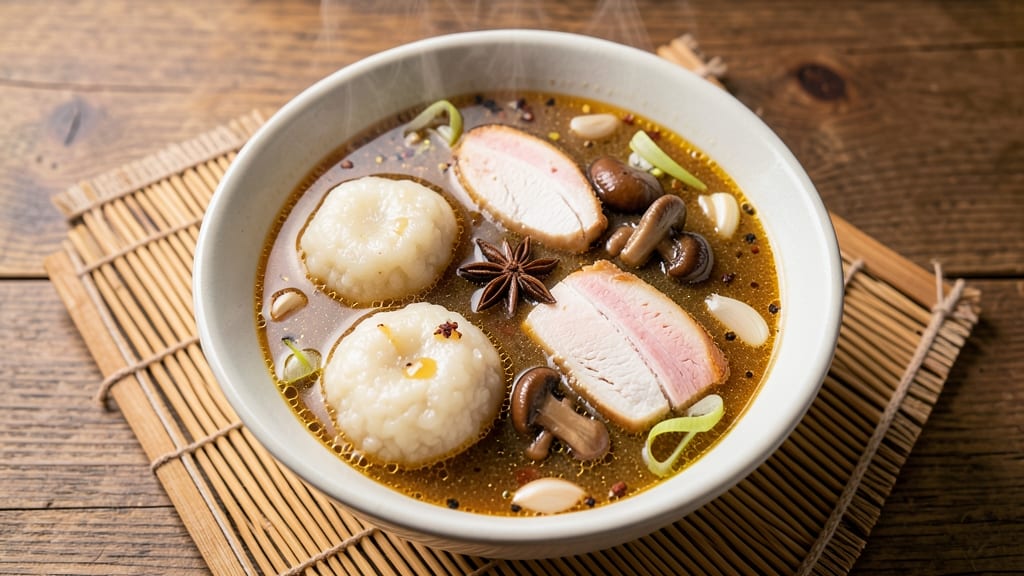
This Chinese rice cake soup delivers the perfect balance of silky broth and chewy, satisfying bites—just like your favorite takeout. The secret lies in slow simmering dried rice cakes until they develop that signature tender-yet-firm texture, while a rich chicken or vegetable broth carries traditional flavors.
I’ve perfected a version that stays true to its roots while being simple enough for weeknight dinners.
What sets this recipe apart is the harmony of ingredients: aromatic ginger and star anise infuse the broth with warmth, while shiitake mushrooms add earthy depth. The rice cakes—soaked just right—absorb the flavors without losing their satisfying bite.
Serve it steaming hot with a sprinkle of scallions and a dash of chili oil for that restaurant-quality finish. Ready in under an hour, it’s comfort food at its finest.
Ingredients for chinese rice cake soup
Here's what you need for a restaurant-style Chinese rice cake soup with chewy bites and aromatic broth.
| Ingredient | Amount | Notes |
|---|---|---|
| Dried Rice Cakes 🍚 | ½ lb | Square or round shape preferred |
| Chicken Breast 🍗 | 1 ½ lb | Boneless, skinless, cut into chunks |
| Dried Shiitake Mushrooms 🍄 | ¼ lb | Rehydrated before use |
| Fresh Ginger 🌿 | 2 tbsp | Minced, for aromatic base |
| Star Anise 🌟 | 2 whole | Whole pods for infusion |
| Garlic Cloves 🧄 | 4 cloves | Peeled, lightly crushed |
| Green Onions 🧅 | ¼ cup | Sliced, for garnish |
| Chili Oil 🌶️ | 1 tbsp | For finishing touch |
| Low-Sodium Chicken Broth 💧 | 6 cups | Homemade or quality store-bought |
| Sesame Oil 🫒 | 1 tsp | For aroma, not cooking |
| Light Soy Sauce 🍶 | 1 tbsp | For umami depth |
| White Pepper 🌶️ | ½ tsp | Freshly ground preferred |
| Salt 🧂 | 1 tsp | Adjust to taste |
The rice cakes are the star—square or round work best, and you'll want to soak them in warm water for 15 minutes before using. Asian markets usually carry these in the dried goods section, but check the international aisle at Whole Foods or Trader Joe's if you're stuck. For the broth, homemade chicken stock elevates this dish, but Swanson or Pacific brand low-sodium broth works in a pinch. The shiitake mushrooms? Dried is traditional, but fresh will work if you're in a hurry—just adjust the cooking time.
No chicken breast? Chicken thighs or even tofu work beautifully—just increase the cooking time by 10 minutes. Star anise pods can be tricky to find, but spice shops or Amazon have them in bulk. If you can't find them, 1 tsp ground anise is a decent substitute. The chili oil is non-negotiable for that restaurant finish—Lao Gan Ma is the classic brand, but any quality chili oil will do. For extra depth, add a splash of Shaoxing wine (about 1 tbsp) when simmering the broth.
Soak the rice cakes in warm water—not boiling—or they'll turn to mush. The soup tastes even better the next day, so make a double batch and freeze portions for quick meals. Store leftovers in the fridge for 3-4 days or freeze for up to 3 months. Reheat gently on the stove with a splash of water to restore that silky texture. The chili oil should always be added at the end—never cook with it or it'll lose its kick.
Why You'll Love This Recipe
- Pantry-to-Table Magic: I swear by this one—just pull dried rice cakes and shiitake mushrooms from your cupboard, toss in a few star anise pods, and boom. No fresh produce needed, no last-minute grocery runs. The chicken simmers in its own juices while the rice cakes soften into chewy perfection, and honestly? That first sip feels like a hug after a long day.
- Umami Bomb: Between the shiitake mushrooms soaking up broth and the ginger’s sharp kick, this soup is ridiculously flavorful. The star anise adds this deep, earthy warmth that lingers—like a whisper of a spice market in every bite. (Yes, even my picky 12-year-old finishes his bowl.)
- Weeknight or Wok Night: Make a double batch on Sunday, and you’ve got lunch covered for days. The flavors only get better as it sits—my go-to for busy mornings or when I’m too tired to cook. Pro tip: Swap chicken for tofu or shrimp if you’re craving something lighter, but keep those rice cakes—they’re the star.
- Budget-Friendly Powerhouse: Dried ingredients stretch further than you’d think. A single bag of rice cakes and a handful of shiitake mushrooms feed four for under $10, and the broth gets richer with each reheat. Between us, this is my secret weapon for feeding a crowd without breaking the bank—or my willpower to order takeout.
Step-by-step instructions for Chinese rice cake soup
Here's how to transform simple ingredients into a comforting bowl of tradition.
Prepare the Dried Ingredients
Start by soaking the 0.5 lb dried rice cakes in warm water for 30 minutes until they soften but still hold their shape. I like to use a large bowl with enough water to cover them completely. The rice cakes should plump up noticeably but remain chewy—not mushy. While they soak, prepare the 0.25 lb dried shiitake mushrooms by placing them in a separate bowl and covering with hot (not boiling) water. Let them soak for 20 minutes until they expand to about double their original size.
Drain both the rice cakes and mushrooms, reserving the soaking liquid for later use. The mushrooms will release their umami essence into the water, which we'll incorporate into the broth. Pat them dry gently with paper towels to remove excess moisture—this prevents the soup from becoming watery later. I always give them a quick squeeze to ensure they're ready for cooking.
Build the Aromatic Broth Base
Heat a large pot over medium heat and add 1 tsp sesame oil. Once shimmering, add the 1.5 lb chicken breast chunks and cook for 5 minutes until they turn opaque. Remove the chicken and set aside. In the same pot, add 2 tbsp minced fresh ginger, 4 lightly crushed garlic cloves, and 2 whole star anise pods. Sauté for 1 minute until fragrant—you'll smell that warm, spicy aroma wafting through your kitchen.
Pour in the 6 cups low-sodium chicken broth and bring to a gentle boil. Add the reserved mushroom soaking liquid (about 1 cup) and the 1 tbsp light soy sauce. Reduce heat to low and let it simmer for 15 minutes. This step infuses the broth with deep, layered flavors. Skim off any foam that rises to the surface for a cleaner final product.
Simmer the Chicken and Rice Cakes
Return the chicken to the pot and add the drained dried rice cakes. Stir gently to combine, then add 1 tsp salt and 0.5 tsp white pepper. Bring the mixture to a gentle simmer and cook for 25-30 minutes until the chicken is tender and the rice cakes are fully rehydrated. The rice cakes should be soft but still hold their shape—if they fall apart, they've cooked too long.
Here's the thing—don't lift the lid during cooking. Every time you peek, you lose heat and extend the cooking time. Instead, check the chicken's doneness by piercing it with a fork. It should slide in easily with no resistance. The broth should reduce slightly, becoming rich and silky rather than watery.
Finish with Signature Touches
Remove the 2 whole star anise pods from the broth—they've done their job infusing flavor. Stir in 1 tbsp chili oil and let it heat through for 1 minute. The oil should coat the surface, adding a subtle heat that brightens the entire dish. Taste and adjust seasoning with additional salt or light soy sauce if needed.
Ladle the soup into bowls and garnish with 0.25 cup sliced green onions. The contrast of fresh green against the warm broth adds visual appeal and a crisp bite. Serve immediately while the rice cakes are still chewy and the broth maintains its silky texture. Each spoonful should deliver that perfect balance of savory, umami, and just a hint of spicy kick.
Pro Tips For Making Chinese Rice Cake Soup
- SOAK RICE CAKES TWICE: I learned this the hard way—dried rice cakes need a two-stage soak. First, cover them in hot water for 15 minutes to soften the outer layer, then drain and rinse. After that, soak them again in fresh cold water for another 10-15 minutes until they’re fork-tender but still hold shape. Skipping the rinse leaves them gummy, and rushing the second soak makes them fall apart when simmered.
- SIMMER LOW AND LONG: This isn’t a race. Once the chicken and mushrooms are in, reduce the heat to a gentle simmer—just small bubbles breaking the surface—and let it cook uncovered for at least 45 minutes. The rice cakes need time to absorb flavor, not steam like a pressure cooker. I used to crank the heat, and the soup turned cloudy and bland. Patience here makes all the difference.
- DON’T SKIP THE GINGER MASH: Fresh ginger isn’t just for aroma—it’s the backbone of the soup’s depth. After slicing, pound the pieces lightly with the flat side of your knife (or a mortar) until they release their juices and turn slightly sticky. This releases more oils and blends better into the broth. Sounds weird, but it works: the soup tastes richer without needing extra salt.
- USE STAR ANISE LAST: Drop the star anise in with the chicken and mushrooms, but remove it before the rice cakes finish cooking. If left too long, it can make the broth bitter. My grandmother swore by this, and she was right: the soup gets its aromatic punch without overpowering the delicate rice cakes. Just fish it out with a slotted spoon when the broth smells fragrant.
Wine and beer pairings for these flavors
Light White Wine
This soup’s delicate balance of ginger, star anise, and chicken makes it a perfect match for dry Chinese white wines like Dragon Well (Longjing) or Jasmine Pearl. Their floral and citrus notes complement the soup’s aromatic broth without overpowering the chewy rice cakes.
I reach for Mei Feng Dragon Well—its subtle mineral finish echoes the soup’s umami depth. Serve chilled to highlight the wine’s crispness against the warm soup. 🍷
Earthy Beer Pairings
For beer lovers, a lightly fermented Chinese lager like Snow Beer or Tsingtao works beautifully. Their clean, slightly malty profiles cut through the soup’s richness while letting the ginger and chili oil shine.
If you prefer craft options, try a wheat beer with a touch of citrus—Blue Moon or Allagash White add a refreshing contrast. Avoid heavy stouts or IPAs, which can clash with the soup’s delicate flavors.
Rice Wine Garnish
Skip the wine pairing and use Shaoxing wine as a garnish instead! Add 1 tsp to the finished soup and let it simmer for 2 minutes to deepen the umami.
The wine’s nutty, caramelized notes enhance the chicken and mushrooms. For extra flair, drizzle 1 tsp over each bowl before serving—it’s a traditional touch that elevates the dish instantly. 💛
Spicy Beer Twist
Craving heat? Pair your soup with a spicy Chinese rice beer like Green Label or Sichuan-style hoppy IPAs. The beer’s peppery kick mirrors the chili oil’s heat while balancing the soup’s savory notes.
For a non-alcoholic option, try Yakult Sparkling Yakult—its tangy sweetness cleanses the palate between bites. Serve both at room temperature for the best experience.
Herbal Tea Balance
For a non-alcoholic option, jasmine green tea or pu-erh tea makes an elegant pairing. The tea’s floral or earthy notes harmonize with the soup’s ginger and star anise. Brew a light jasmine tea and serve it chilled alongside the soup—it’s a refreshing contrast.
If you prefer warmth, a hot pu-erh adds depth without overpowering the dish’s delicate flavors. ✨
Nutrition facts
Frequently asked questions
Can I use fresh rice cakes instead of dried?
Fresh rice cakes (like steamed or fried versions) won't work for this recipe—they're too soft and will disintegrate in the broth. Dried rice cakes are essential for that signature chewy texture. If you can't find them, look for "nian gao" (sticky rice cakes) in Asian markets, but they require longer soaking (up to 1 hour).
How do I prevent the rice cakes from turning mushy?
Soak them in warm (not hot) water for exactly 30 minutes—no longer! After draining, pat them dry thoroughly before adding to the pot. Also, maintain a gentle simmer (not a rolling boil) during cooking. The rice cakes should be tender but still hold their shape when done.
Can I make this soup vegetarian?
Replace the chicken with 1 block firm tofu (pressed and cubed) or 1.5 lbs mushrooms (shiitake + cremini). Add 1 tbsp soy sauce and 1 tsp miso paste to boost umami. The cooking time increases to 35-40 minutes for tofu to fully absorb flavors.
Why does my broth taste bland?
Bland broth usually means insufficient seasoning or rushed cooking. Simmer the broth for the full 15 minutes with aromatics, and don't skip the reserved mushroom soaking liquid—it's packed with umami. Taste before serving and adjust with light soy sauce, white pepper, or a pinch of MSG (if using).
How long can I store leftovers?
Store in an airtight container in the fridge for 3-4 days or freeze for up to 3 months. To reheat, warm gently on the stove with a splash of water—never microwave directly, or the rice cakes may become rubbery. The flavors actually improve after a day or two!