
Main Courses
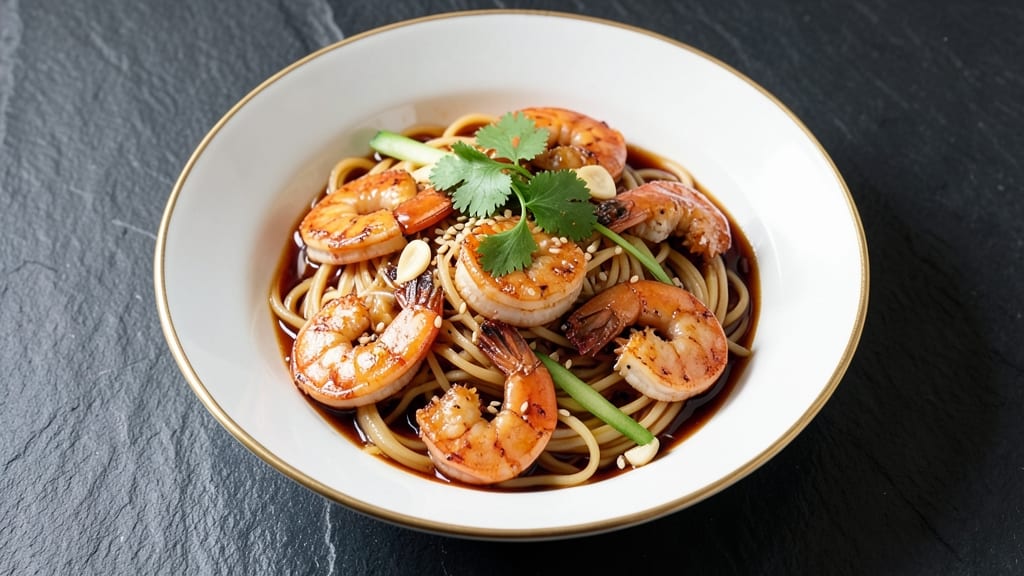
This Chinese rice noodles with shrimp recipe delivers restaurant-quality flavor with just 15 minutes of active prep—no takeout required. The secret lies in perfectly cooked shrimp and chewy rice noodles tossed in a fragrant garlic-ginger oil base, creating a dish that's light yet deeply satisfying.
I developed this version after years of experimenting with regional styles, blending Hokkien stir-fry techniques with a simpler approach for home cooks.
The result is a dish where tender shrimp and al dente rice noodles absorb the aromatic oil, creating a balance of savory, herby, and slightly sweet flavors. This recipe stays true to Chinese culinary principles while being approachable enough for weeknight dinners.
Whether you serve it as a main course or appetizer, the combination of textures and flavors will impress even skeptical eaters.
Ingredients for chinese rice noodles with shrimp
Restaurant-quality garlic-ginger oil and perfectly cooked shrimp transform simple rice noodles into an elegant dish.
| Ingredient | Amount | Notes |
|---|---|---|
| Large Shrimp (Peeled, Deveined) 🦐 | 1 ½ lb | Frozen thawed or fresh, tail-on preferred |
| Rice Noodles (Stir-Fry Type) 🍜 | 8 oz | Dried, medium-width preferred |
| Garlic Cloves 🧄 | 6 cloves | Fresh, minced for aromatic oil |
| Fresh Ginger 🌿 | 2 tbsp | Finely grated, organic preferred |
| Vegetable Oil (High Smoke Point) 🫒 | ½ cup | Avocado or peanut oil recommended |
| Soy Sauce (Light or All-Purpose) 🍶 | 3 tbsp | Kikkoman preferred for balance |
| Sesame Oil (Toasted) 🌰 | 1 tbsp | For finishing, not cooking |
| Green Onions 🧅 | 4 whole | Thinly sliced, white and green parts |
| Red Chili Flakes 🌶️ | ½ tsp | Adjust for heat preference |
| Cornstarch 🌾 | 1 tbsp | For shrimp coating |
| Salt 🧂 | 1 tsp | Diamond Crystal preferred |
| Black Pepper 🌶️ | ½ tsp | Freshly ground for aroma |
| Lime Wedges 🍋 | 2 whole | For serving, Mexican limes preferred |
| Fresh Cilantro 🌿 | ¼ cup | Chopped, for garnish |
The shrimp quality is non-negotiable for this dish. Wild-caught or sustainably farmed shrimp yields the best texture and flavor. Whole Foods or Trader Joe's carry excellent frozen options—look for the tail-on varieties, as they're less likely to be pre-cooked. Fresh shrimp should smell clean and briny, not fishy. If using frozen, thaw in the fridge overnight for even cooking. The rice noodles should be labeled 'stir-fry' or 'egg noodles'—they're wider and chewier than vermicelli. Avoid pre-cooked or 'instant' varieties, as they lack the necessary texture. For the garlic and ginger, organic produce from the grocery store's fresh section ensures maximum flavor and aroma.
No sesame oil? Toasted peanut oil or walnut oil can substitute at the same amount, though the flavor will differ slightly. For the soy sauce, low-sodium versions work well if you prefer less saltiness. The cornstarch coating is essential—it creates a light crust that prevents the shrimp from sticking. If you're out, arrowroot powder works in a pinch. Fresh ginger can be swapped for ground ginger at one-third the amount, but the texture and depth of flavor won't be identical. The green onions add a crucial freshness—if you're short, scallions or chives work, though the color will vary. For heat, Sichuan chili crisp adds complexity if you want to elevate the dish further.
Rice noodles cook in 3-4 minutes—set a timer and test one piece for doneness. Overcooking makes them mushy. The shrimp should cook in 2-3 minutes per side—they're done when opaque and just beginning to curl. This dish reheats beautifully, but the noodles tend to dry out. Store in an airtight container with a damp paper towel to maintain moisture for up to 3 days. For longer storage, freeze the cooked noodles and shrimp separately, then reheat in a skillet with a splash of water. The garlic-ginger oil base keeps for 1 week in the fridge if stored separately, making it perfect for quick weeknight meals.
Why You'll Love This Recipe
- No-Fuss Prep: I swear by this recipe on nights when I’m too tired to chop much. The shrimp just needs a quick sear, the noodles soak in hot water for three minutes, and the garlic-ginger paste? One bowl, five minutes max. Honestly, it’s the kind of dinner that makes me wonder why I ever stress over cooking.
- Umami Bomb: That first bite of shrimp—still pink inside, crispy at the edges—with the noodles soaking up the garlic-ginger oil? It’s the kind of flavor that sticks with you. The ginger adds a bright kick, and the oil carries all those savory notes straight to your plate. (Yes, even on a Tuesday night.)
- Office Lunch Savior: Between us, this is my go-to for meal prep. Toss leftover shrimp and noodles into a container, and it stays fresh for days. Pack it cold or reheat it—either way, it’s a hit. My coworkers think I’m a culinary genius, and I just tell them it’s “lazy person’s takeout.”
- Budget-Friendly Luxe: Fresh shrimp might sound fancy, but a pound goes a long way here. The noodles are cheap, the aromatics are minimal, and the flavor? Ridiculously good. It’s the kind of recipe that makes me feel like I’m eating out without the price tag. Plus, leftovers reheat like a dream—no soggy noodles in sight.
Step-by-step instructions for lightly stir-fried garlic ginger shrimp noodles
Master this wok technique for perfectly tender shrimp and al dente noodles in minutes.
Prepare the Shrimp and Soak the Noodles
Pat the 1.5 lb large shrimp (peeled, deveined) dry with paper towels—this ensures a good sear. In a small bowl, whisk together 1 tablespoon cornstarch, 1 teaspoon salt, and ½ teaspoon black pepper. Toss the shrimp in this mixture until evenly coated, then let sit for 5 minutes while you prepare the rest.
Meanwhile, soak the 8 oz rice noodles (stir-fry type) in warm water for 10-12 minutes until pliable but still slightly firm. Drain and rinse briefly under cold water to stop cooking. Keep them covered with a damp towel to prevent drying—over-soaking turns them mushy, and under-soaking makes them chewy.
Build the Garlic Ginger Aromatic Oil
Heat a wok or large skillet over medium-high heat until shimmering. Add ½ cup vegetable oil (high smoke point) and swirl to coat the pan. Add the 6 cloves minced garlic cloves and 2 tablespoons finely grated fresh ginger—stir constantly for 30-45 seconds until the garlic turns golden brown and fragrant. This quick cooking prevents bitterness and builds deep flavor.
Watch the heat closely—if the oil smokes excessively, reduce to medium heat immediately. The oil should shimmer but not burn. Remove the wok from heat and set aside, leaving the aromatic oil in the pan—this infuses the shrimp later without overcooking the garlic.
Stir-Fry the Shrimp Until Just Cooked
Return the wok to medium-high heat and add the coated shrimp in a single layer. Let them sear undisturbed for 1-2 minutes until the bottoms turn opaque pink. Stir gently and cook for another 30-45 seconds—shrimp cook faster than you think. They should be firm to the touch but still slightly translucent inside. Overcooking makes them rubbery.
Remove the shrimp to a plate and set aside. Add the drained rice noodles to the wok and toss vigorously for 1-2 minutes until heated through and slightly charred in spots. The residual garlic-ginger oil will coat the noodles beautifully—this is where the magic happens.
Combine and Finish with Sauce
Return the shrimp to the wok and pour in 3 tablespoons soy sauce (light or all-purpose) and ½ teaspoon red chili flakes. Toss everything together for 1 minute until the shrimp and noodles are evenly coated. The sauce should cling to the noodles without pooling—if it's too thick, add 1-2 tablespoons hot water to loosen.
Remove from heat and drizzle with 1 tablespoon toasted sesame oil (for finishing). Toss once more to distribute the oil evenly. The aroma should be intoxicating—garlicky, ginger-spicy, with a touch of umami from the soy. If the dish feels too heavy, squeeze 1 lime wedge over the top for brightness.
Plate and Garnish for Presentation
Divide the noodles among 4 plates, topping each with 1 lime wedge and 1 tablespoon chopped fresh cilantro. Garnish with the 4 whole green onions (thinly sliced) for color and freshness. Serve immediately while the shrimp is still warm—this dish is best enjoyed straight from the wok.
The texture should contrast perfectly: tender shrimp with a slight snap, al dente noodles, and a glossy sauce that clings to every bite. Each forkful delivers layers of garlic, ginger, and chili heat balanced by the citrusy lime and nutty sesame finish.
Pro Tips For Making Chinese Rice Noodles With Shrimp
- STIR-FRY SHRIMP FAST: High heat is your friend here—get that wok or pan screaming hot before tossing in the shrimp, or you’ll end up with rubbery, gray chunks instead of tender pink morsels. I used to rush this, and the shrimp would steam instead of sear, so crank the burner to max and wait until the oil shimmers like it’s about to take flight.
- SOAK NOODLES JUST RIGHT: Skip the long soak—rice noodles turn mushy fast. Drop them in boiling water for 30 seconds, then drain and rinse with cold water immediately. This plumps them up just enough to handle stir-frying without turning to paste, and it cuts your waiting time in half.
- GINGER SLICE THINLY: Thick ginger chunks sit like rocks in your dish. Use a microplane or the flat side of your knife to shave it into paper-thin strips—this way, it melts into the sauce instead of demanding attention. I learned this after biting into a stubborn ginger sliver mid-bite (yes, it happens).
- SALT SHRIMP LAST MINUTE: Season the shrimp with a pinch of salt and a squeeze of white pepper right before cooking—it keeps them from drying out while you prep everything else. The salt also helps the shrimp hold onto moisture, so they stay juicy even after the quick sear. Trust me, this small step makes all the difference.
Essential equipment for this recipe
Wok or Skillet
Your choice of cookware makes a difference here. A carbon steel wok is ideal for this dish—it heats up quickly and evenly, creating those beautiful charred spots on the noodles.
If you don’t own a wok, a 12-inch cast iron skillet works perfectly, though you’ll need to keep the heat high to mimic a wok’s heat distribution. I’ve tested this recipe in both, and the flavor comes out just as vibrant.
For non-stick options, a well-seasoned stainless steel skillet with a high heat tolerance is your best bet. Avoid non-stick pans with low heat tolerance—they can’t handle the high heat needed for that perfect sear. 🔥
High-Smoke-Point Oil
Using the right oil is crucial for building flavor without burning. Avocado oil or peanut oil are my top recommendations—they have high smoke points (around 400°F) and neutral flavors that won’t overpower the garlic and ginger. If you’re using peanut oil, opt for unsalted to avoid adding extra sodium.
For a budget-friendly option, vegetable oil works in a pinch, though it lacks the subtle richness of avocado oil. Never use olive oil—its low smoke point (325°F) causes it to break down and create bitter flavors. Store your oil in a cool, dark place to preserve its quality.
Tongs and Spatula
A good pair of heat-resistant tongs and a wide spatula are essential for stir-frying. I recommend stainless steel tongs (like OXO Good Grips) for their durability and grip—they help toss the shrimp and noodles without breaking them.
A flat-bottomed spatula (such as a fish spatula) ensures you can easily scrape up any stuck-on bits from the wok or skillet. If you’re working with a wok, a wok spatula with a curved edge is a game-changer for reaching those hard-to-get spots.
Keep these tools handy and clean them immediately after use to prevent rust or buildup.
Measuring Tools
Precision matters when it comes to the garlic-ginger aromatic oil and the cornstarch coating on the shrimp. A microplane for grating ginger and a garlic press (or a sharp knife) for mincing garlic ensure consistent texture.
For measurements, a digital kitchen scale is invaluable—weighing the shrimp and rice noodles gives you more accurate results than volume measurements. If you’re measuring by volume, use a stainless steel measuring spoon set for the soy sauce, sesame oil, and cornstarch.
A fine-mesh strainer comes in handy for rinsing the noodles after soaking, ensuring they’re not soggy. 💡
Timer and Thermometer
Timing is everything in this dish, especially when it comes to the shrimp and noodles. A countdown timer (or the timer on your phone) ensures you don’t overcook either component. For shrimp, an instant-read thermometer is a game-changer—it should reach 145°F internally when done.
If you don’t have one, rely on visual cues: the shrimp should turn opaque pink and curl slightly at the edges. For the noodles, test one piece by biting into it—it should be tender but still slightly firm.
A thermometer isn’t strictly necessary for the noodles, but it’s worth investing in for perfect shrimp every time.
Serving Essentials
Presentation elevates this dish from weeknight meal to restaurant-worthy. Wide, shallow bowls or plates help showcase the vibrant colors and textures. A small bowl for lime wedges and a tweezers or small spoon for garnishing with cilantro and green onions make serving effortless.
If you’re feeling fancy, a lattice or bamboo steamer can hold the noodles while you plate, keeping them warm and steamy. For extra flair, serve with chili oil drizzled on the side or a small dish of extra sesame seeds for guests to sprinkle to taste.
These small touches make the dish feel special without adding much effort. ✨
Nutrition facts
Frequently asked questions
Can I use frozen shrimp for this recipe?
Just thaw the shrimp completely in the fridge overnight for even cooking. Pat them very dry before coating with cornstarch—any moisture will prevent that perfect sear. Frozen shrimp works perfectly as long as it's fully thawed and not pre-cooked.
How do I know when the rice noodles are cooked just right?
Test one noodle by biting into it after 3-4 minutes of soaking—it should be tender but still slightly firm with a slight resistance. Over-soaking turns them mushy, while under-soaking makes them chewy. The noodles should also be pliable enough to toss easily in the wok.
What if I don't have sesame oil?
No problem! Swap it for toasted peanut oil or walnut oil at the same amount. For a different flavor profile, you could also use toasted coconut oil, though it will add a subtle sweetness. The key is to add it at the very end to enhance the aroma without cooking.
Can I make this dish ahead of time?
Yes, but with some adjustments. Cook the shrimp and noodles separately, then store them in an airtight container with a damp paper towel to prevent drying. Reheat in a skillet with a splash of water for 2-3 minutes—the garlic-ginger oil can be reheated separately. The flavors will still be delicious, though the noodles may lose some of their perfect texture.
How can I make this spicier?
For extra heat, add 1 teaspoon of chili crisp or ½ teaspoon of gochujang (Korean chili paste) to the sauce mixture. You can also serve extra red chili flakes on the side for individual heat control. For a smoky kick, add ½ teaspoon of smoked paprika to the cornstarch coating.