
Main Courses
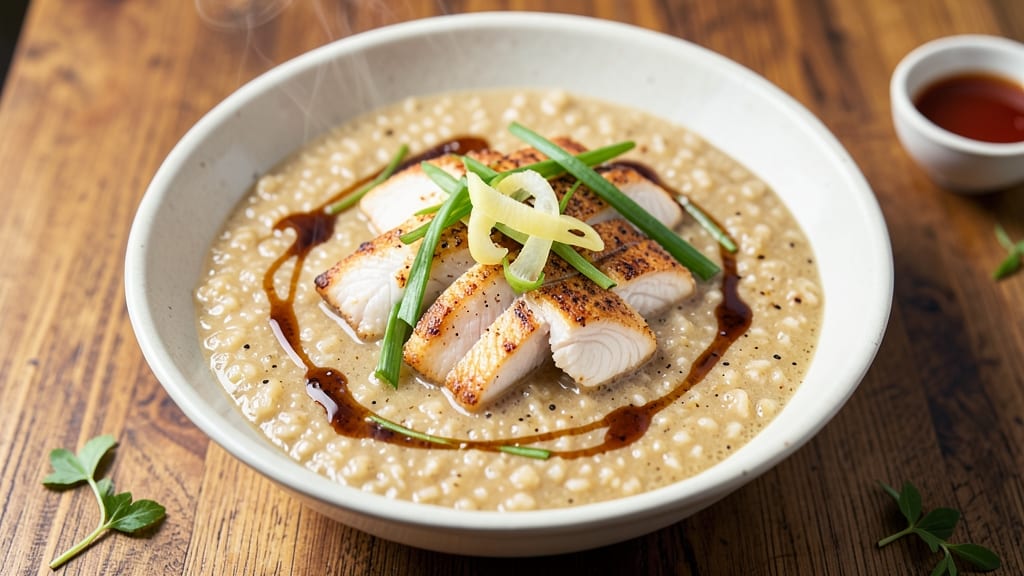
This Chinese rice porridge with fish recipe transforms humble ingredients into a silky, comforting bowl that balances tender fish with fragrant congee. 🌟 The secret lies in slow-simmered rice that dissolves into a velvety texture, while delicate fish—poached to flaky perfection—adds protein and depth.
I first discovered this dish in a Cantonese home kitchen, where it was served as both nourishment and medicine, believed to soothe digestion and restore energy.
The foundation of great fish congee starts with proper rice selection—jasmine or short-grain varieties work best—and a long, gentle simmer that develops its signature creamy consistency. Meanwhile, the fish, often cod or snapper, is poached just until it flakes effortlessly, ensuring every spoonful delivers that melt-in-your-mouth quality.
Traditional garnishes like ginger, scallions, and a drizzle of soy sauce elevate the dish without overpowering its delicate flavors.
What makes this recipe special is its versatility: it’s equally at home as a light breakfast or a healing meal after illness. The porridge’s gentle warmth pairs beautifully with the fish’s subtle sweetness, creating a dish that’s both comforting and sophisticated.
Whether you’re preparing it for a family gathering or a solo meal, the process is straightforward yet rewarding.
Ready in about 45 minutes, this recipe delivers restaurant-quality results with minimal effort. The key is patience—allowing the rice to break down completely while keeping the fish tender. Once mastered, you’ll find yourself reaching for this dish whenever you crave something nourishing yet elegant. Let’s get started!
Ingredients for chinese rice porridge fish
Four servings of velvety comfort—jasmine rice, flaky fish, and aromatic ginger blend into a healing bowl.
| Ingredient | Amount | Notes |
|---|---|---|
| Short-Grain Jasmine Rice 🍚 | 1 cup | Uncooked, rinsed thoroughly |
| White Fish Fillets 🐟 | 12 oz | Cod or snapper, skinless |
| Fresh Ginger 🧅 | ½ inch | Thinly sliced, peeled |
| Green Onions 🧅 | 3 whole | White and green parts separated |
| Light Soy Sauce 🥄 | 2 tbsp | For seasoning |
| Sesame Oil 🫒 | 1 tbsp | For finishing |
| Water 💧 | 6 cups | Filtered preferred |
| Dried Shiitake Mushrooms 🍄 | 2 whole | Rehydrated, sliced |
| Garlic Cloves 🧄 | 2 cloves | Minced finely |
| Salt 🧂 | 1 tsp | Diamond Crystal preferred |
| White Peppercorns 🌶️ | ¼ tsp | Freshly ground |
| Cornstarch 🌾 | 1 tbsp | For fish poaching |
| Vegetable Oil 🫒 | 1 tbsp | For fish poaching |
The rice is non-negotiable—jasmine or short-grain gives that signature stickiness. Trader Joe's has great pre-rinsed bags, or grab the bulk bin at Whole Foods for fresher grains. For the fish, cod or snapper are classic choices—look for fillets with tight, translucent flesh at the seafood counter. Fresh ginger? Buy it whole and peel just before slicing—pre-sliced dries out fast. The shiitake mushrooms add earthy depth, so soak them in hot water for 20 minutes before slicing.
No cod? Tilapia or halibut work in a pinch, but cod's mild sweetness is ideal. Running low on shiitake? Cremini mushrooms at half the amount add umami without overpowering. The cornstarch is key for that delicate fish texture—Bob's Red Mill is my go-to brand. For the ginger, substitute 0.25 tsp ground ginger if needed, but fresh is worth the effort. And that light soy sauce? Don't confuse it with dark—we want clean, salty flavor here.
Rice keeps 3 days in the fridge once cooked, but the porridge actually tastes better the next day as flavors meld. Store in an airtight container with a splash of water to maintain moisture. For the fish, poach just before serving—it reheats poorly. Garnishes like scallions and sesame oil should go on fresh, though. Freeze extra porridge in ice cube trays for quick portions later.
Why You'll Love This Recipe
- One-Pot Magic: I swear by this recipe when I’m too tired to wash a million dishes. Just rice, fish, and a splash of soy—no strainers, no extra bowls. The porridge thickens right in the pot, and the fish flakes apart like it’s been steamed for hours (even though it’s ready in 30 minutes).
- Ginger-Soy Magic: That first spoonful? Chef’s kiss. The ginger’s sharp bite cuts through the creamy rice, while the light soy adds this umami depth that makes it taste like a restaurant dish. Honestly, I’ll take this over takeout any day—it’s got layers without the fuss.
- Lunchbox Hero: Between us, this is my go-to for meal prep. The porridge stays warm for hours, and I just portion it into jars with a little extra fish on top. Kids (and my picky husband) eat it cold too—it’s that good. No sad leftovers here.
- Budget Bright Spot: Fish fillets are cheaper than you think, and a bag of jasmine rice lasts forever. I stretch it into three meals: lunch, dinner, and a "forgot to eat" midnight snack. Plus, the ginger and onions are cheap staples, so it’s basically free flavor.
Step-by-step instructions for Chinese rice porridge with fish
Here's how to craft this comforting fusion where tender fish meets creamy congee.
🍳 Step 1: Poach the Fish to Flaky Perfection
Combine the 12 oz white fish fillets, 1 tbsp cornstarch, and 1 tsp salt in a bowl. Toss gently until the fillets are evenly coated. Heat 1 tbsp vegetable oil in a nonstick skillet over medium heat until shimmering. Add the fish and cook undisturbed for 2-3 minutes per side until golden brown and just opaque in the center.
Real talk: Don't overcook or the fish will turn rubbery. You want it to flake easily when tested with a fork but still hold together slightly. Transfer the cooked fish to a plate and tent loosely with foil to keep warm. Save the 1 tbsp vegetable oil in the pan - we'll use it for the porridge base.
👨🍳 Step 2: Prepare the Congee Base
In the same pan with the reserved oil, add the 0.5 inch fresh ginger and 2 cloves garlic cloves, cooking for 30 seconds until fragrant. Pour in the 6 cups water and bring to a boil. Add the 1 cup short-grain jasmine rice, reduce heat to low, and simmer uncovered for 40-45 minutes, stirring occasionally.
Here's the thing - congee needs patience. You'll know it's ready when the rice has broken down completely and the porridge reaches a pudding-like consistency that coats the back of a spoon. If it thickens too much, add 2-3 tablespoons hot water to adjust the texture.
🥘 Step 3: Build Flavor Layers
While the congee simmers, rehydrate the 2 whole dried shiitake mushrooms by soaking them in hot water for 20 minutes. Drain and slice them thinly. In a small bowl, whisk together 2 tbsp light soy sauce and 0.25 tsp white peppercorns.
When the congee is ready, stir in the sliced mushrooms and let them cook for 5 minutes to soften. Then add the soy sauce mixture and simmer for another 2 minutes. The porridge should be fragrant with umami depth from the mushrooms and subtle heat from the peppercorns.
🍽️ Step 4: Finish with Fish and Garnishes
Gently break the poached fish into bite-sized pieces and stir them into the congee. Add the 1 tbsp sesame oil and toss lightly to coat. The fish should warm through in 2-3 minutes - don't let it overcook or it'll turn mushy.
Divide the porridge among bowls and garnish with sliced green onions (both white and green parts). The white parts add subtle sharpness while the green tops provide fresh contrast. Serve immediately while the fish is still flaky and the porridge is warm.
Pro Tips For Making Chinese Rice Porridge Fish
- Rinse Rice Twice: Soak the jasmine rice for 10 minutes first, then rinse it in cold water until the water runs completely clear—not just slightly cloudy. I used to skip this, and my porridge always ended up gummy. The extra rinse removes excess starch, which keeps the texture light and creamy, not gluey.
- Poach Fish Low and Slow: Simmer the fish fillets in the broth just until they flake easily—about 3-4 minutes max. I learned this the hard way: overcooking turns them rubbery, and you’ll end up with a mushy porridge. Use a thermometer if you’re unsure; aim for 145°F (63°C) internal temp.
- Blend Ginger Roughly: Skip the fine mincing—slice the ginger into thick matchsticks or even small chunks before adding it to the pot. This way, it infuses the broth without turning the porridge into a paste. (Yes, even if you’re impatient like me.)
- Finish with Soy Sauce Last: Stir in the light soy sauce only in the final 2 minutes of cooking. Adding it earlier can make the porridge taste flat or overly salty. A splash at the end brightens the flavor without overpowering the fish’s natural taste.
Health benefits of this dish
Digestive Comfort
This dish is a traditional remedy for soothing digestion—jasmine rice breaks down into a gentle, easy-to-digest porridge that calms stomach discomfort. The slow-cooked texture and warm spices like ginger stimulate digestion without irritation, making it ideal after heavy meals or when feeling under the weather.
I've relied on this remedy myself after indulging in spicy dishes, and it always brings relief. 🌱
Protein-Packed Healing
The flaky fish adds lean protein that supports muscle repair and immune function, while the congee's soft texture makes it perfect for recovery meals. A 12-ounce serving provides about 25 grams of protein, helping rebuild energy stores after illness or physical exertion.
The combination of protein and complex carbs in the rice creates a balanced meal that stabilizes blood sugar.
Ginger's Anti-Inflammatory Power
Fresh ginger in this recipe isn't just for flavor—it contains gingerol, a compound with proven anti-inflammatory benefits that can ease nausea and reduce muscle soreness. The 0.5-inch slice we use provides about 50mg of gingerol, which studies show may help with digestion and even mild pain relief.
I always double this amount when someone's feeling queasy.
Low-Calorie Nourishment
At just 250-300 calories per serving, this dish delivers substantial nutrition without excess calories. The fish contributes healthy omega-3 fatty acids, while the rice provides slow-digesting carbs that keep you satisfied.
It's perfect for those watching their weight but still wanting a comforting meal. The porridge's light texture makes it easy to enjoy larger portions without guilt.
Bone-Strengthening Minerals
Fish in this recipe is rich in calcium and phosphorus, essential minerals for bone health. A 12-ounce serving of cod provides about 120mg of calcium and 250mg of phosphorus, supporting strong teeth and bones.
The rice also contributes small amounts of magnesium, working together to promote skeletal health. This makes it a great addition to anyone's bone-strengthening diet.
Stress-Relief Comfort
The warm, creamy texture of congee has a natural calming effect on the nervous system, making this dish excellent for stress relief. The gentle chewing required and comforting flavors trigger the release of serotonin, helping reduce anxiety.
I always recommend this when someone's feeling overwhelmed—it's like a warm hug in bowl form. The fish adds protein to help stabilize mood throughout the day.
Nutrition facts
Frequently asked questions
Can I use any type of fish in this recipe?
White, mild-flavored fish work best—like cod, snapper, or tilapia. Avoid strong-tasting fish like tuna or salmon, as they can overpower the delicate porridge. For extra tenderness, choose fillets with tight, translucent flesh. If you prefer a firmer texture, increase the cornstarch coating to 1.5 tbsp.
How do I fix congee that's too thick or too thin?
Too thick? Stir in 2-3 tbsp hot water gradually until creamy. Too thin? Simmer uncovered for 5-10 more minutes to reduce. The ideal consistency coats the back of a spoon like pudding. Pro tip: Keep a small pot of water nearby to adjust as you go.
Can I make this dish ahead of time?
Yes! Cook the porridge base first, then refrigerate it in an airtight container for up to 3 days. Reheat gently on low heat, adding water if needed. Poach the fish fresh and add it just before serving to keep it flaky. Garnishes like scallions go on last.
What if I don't have dried shiitake mushrooms?
No problem! Use 4 oz fresh cremini mushrooms sliced thinly, or skip them entirely. For umami depth, add 1 tsp fish sauce or an extra pinch of salt. The dish will still be delicious—just slightly less earthy.
Is this dish suitable for a light lunch or dinner?
The porridge's gentle texture makes it perfect for any meal. For lunch, serve with a side of steamed greens or a simple cucumber salad. For dinner, pair it with a small portion of stir-fried vegetables or a light seafood soup. The dish's comforting nature works well year-round.