
Main Courses
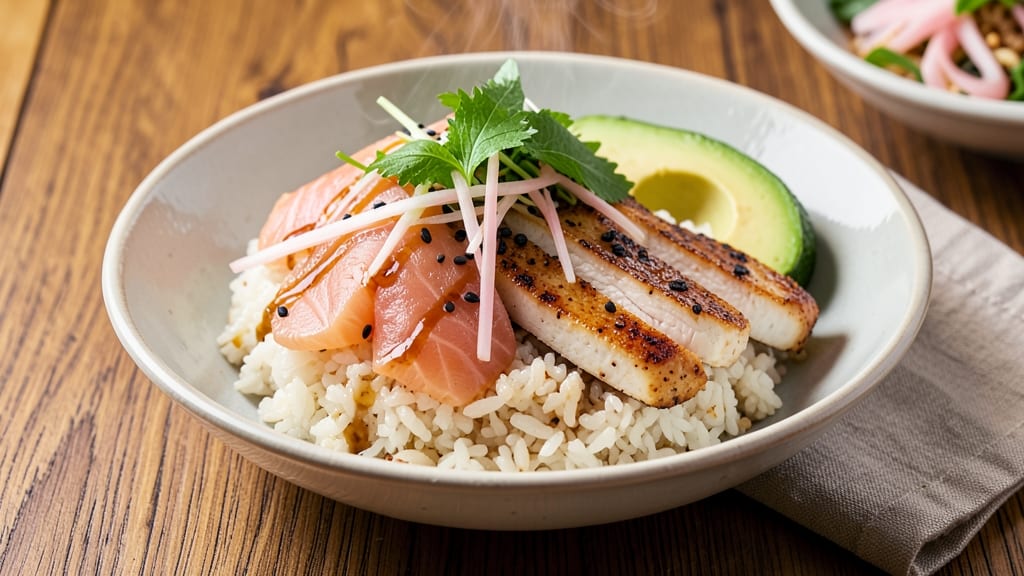
This chirashi rice recipe transforms a simple bowl of rice into a vibrant, restaurant-quality bento feast—where every bite is a celebration of texture and flavor.
The foundation is perfectly seasoned short-grain rice, spread wide like a canvas, ready to be adorned with proteins, vegetables, and pickles that dance together in harmony.
I perfected this technique after years of studying Japanese home-style cooking, and the key lies in balance: tender proteins, crisp vegetables, and the right balance of umami and freshness.
The magic begins with the rice—cooked just right to be slightly sticky yet firm enough to hold toppings without falling apart. Then comes the art of arrangement: raw fish for delicate flavors, grilled salmon for richness, or marinated chicken for a heartier twist.
Traditional toppings like pickled vegetables, shredded daikon, and soft-boiled eggs add layers of texture and acidity, while modern twists—think avocado, edamame, or even a drizzle of spicy mayo—keep the dish exciting. The presentation is just as important as the taste, with each ingredient carefully placed for both beauty and function.
What you’ll end up with is a bowl that’s as satisfying to look at as it is to eat—colorful, balanced, and packed with restaurant-quality flavors without the fuss.
The contrast of temperatures and textures makes every bite a revelation: crisp pickles against tender fish, cool avocado alongside warm rice, and the umami depth of soy-marinated proteins. This isn’t just a meal; it’s an experience that brings the heart of Japan to your table, one bite at a time.
Whether you’re preparing a weeknight dinner or a special occasion, this recipe scales beautifully and adapts to your preferences. The beauty of chirashi rice is its flexibility—swap proteins, adjust toppings, or keep it classic.
Let’s create a bowl that’s as much a feast for the eyes as it is for the palate.
Ingredients for chirashi rice
Short-grain rice, delicate proteins, and vibrant toppings—this is your canvas for a Japanese bento feast.
| Ingredient | Amount | Notes |
|---|---|---|
| Japanese Short-Grain Rice 🍚 | 2 cups | Uncooked, sushi-grade preferred |
| Dashi Stock 🍜 | 2 cups | Homemade or quality jarred |
| Raw Salmon Fillet 🐟 | 8 oz | Sushi-grade, thinly sliced |
| Grilled Chicken Breast 🍗 | 1 lb | Marinated in soy sauce |
| Avocado 🥑 | 1 whole | Ripe, sliced into thin pieces |
| Japanese Pickled Vegetables 🥒 | 1 cup | Takuan or beni shoga preferred |
| Shredded Daikon Radish 🥕 | ½ cup | Freshly julienned |
| Soft-Boiled Eggs 🥚 | 2 whole | 6-minute cook time |
| Sesame Seeds 🌾 | 1 tbsp | Toasted, for garnish |
| Rice Vinegar 🍶 | 1 tbsp | For seasoning rice |
| Soy Sauce 🍶 | 1 tbsp | For marinating chicken |
| Sesame Oil 🫒 | 1 tsp | For finishing drizzle |
| Spicy Mayo 🍯 | ¼ cup | Optional, for drizzle |
| Fresh Wasabi 🌶️ | 1 tsp | Grated, optional |
| Nori Strips 🍣 | 4 pieces | For garnish |
The rice is the heart of chirashi, so Japanese short-grain rice is non-negotiable—it needs that sticky yet firm texture to hold toppings. Sushi-grade is ideal, but any high-quality brand works. Cook it with dashi stock instead of water for that authentic umami depth. I grab mine from Asian markets where they often sell it pre-washed, saving time. For the salmon, sushi-grade is critical—freeze it first if you're unsure about freshness. The chicken? Marinate it in soy sauce overnight for maximum flavor, or do a quick 30-minute soak if you're short on time.
No sushi-grade salmon? High-quality canned salmon works in a pinch—just drain it well. Swapping chicken for grilled shrimp or tofu adds variety. Avocado is best ripe but firm—Hass varieties hold up well. For pickled veggies, takuan (yellow pickled daikon) or beni shoga (red pickled ginger) add authentic pops of color. No fresh daikon? Substitute with shredded carrots—just know the texture will be slightly different. The eggs should be soft-boiled to 6 minutes for that runny yolk that cuts through the richness of the rice.
Rice reheats beautifully—just add a splash of water and steam it. Store proteins separately in the fridge for up to 3 days to keep everything fresh. The pickled veggies last 2 weeks, while avocado should be used within 2 days of cutting. For meal prep, assemble the bowls just before serving—crisp toppings like nori and pickles lose their crunch if added too early. Keep sesame seeds and wasabi in airtight containers to preserve their potency for 6 months at room temperature.
Why You'll Love This Recipe
- I’ll be real: fresh salmon feels fancy, but a single fillet stretches across two servings when you pair it with grilled chicken. Use half the avocado, and you’ve got leftovers that taste even better the next day. It’s the kind of dish where you feel indulgent without breaking the bank.
- No Rice Cooker? No Problem: I swear by this method—just cook the rice in a pot with dashi stock, then let it sit covered for 10 minutes. The stock infuses every grain, and honestly? It’s harder to mess up than you’d think. Even my microwave rice comes out better than takeout.
- Umami Bomb in One Bowl: That dashi stock isn’t just flavor—it’s the backbone. Pair it with seared salmon (skin-on for crispiness) and juicy grilled chicken, and you’ve got a balance of richness and brightness. Add avocado for creaminess, and suddenly, you’re eating like a Tokyo izakaya without the price tag.
- Lunch for Days: Between us, this is my meal prep MVP. Assemble it fresh or store components separately—raw salmon and chicken grill up in minutes, rice keeps for 3 days, and avocado slices last if you prep them last. Pack it in bento boxes, and you’ve got zero-lunch stress for the week.
Step-by-step instructions for chirashi rice
This vibrant bento bowl comes together beautifully with precise technique and fresh ingredients.
Prepare the Perfect Japanese Short-Grain Rice
Rinse the 2 cups Japanese short-grain rice thoroughly under cold water until the water runs completely clear. This removes excess starch that would make the rice gummy. Drain well in a fine-mesh strainer for 5 minutes, then transfer to a rice cooker or pot.
Add the 2 cups dashi stock and stir gently once to distribute. Cook according to your rice cooker's instructions, or if using a pot, bring to a boil over medium-high heat, then reduce to low heat, cover, and simmer for 15 minutes. Let it steam off heat for 10 minutes before fluffing with a fork. The rice should be tender but slightly firm—this texture holds up beautifully when mixed with toppings.
Assemble the Protein Components
Slice the 8 oz raw salmon fillet into thin strips, about ¼-inch thick, and arrange on a platter. The 1 lb grilled chicken breast should already be marinated in 1 tbsp soy sauce and cooked to 165°F internally. Once cooled, slice it into bite-sized pieces. Set both aside on separate plates.
For the 2 whole soft-boiled eggs, cook them for 6 minutes in simmering water, then transfer to an ice bath to stop cooking. Peel carefully and slice each egg in half lengthwise. The yolk should remain runny—this is essential for the classic chirashi texture.
Arrange the Toppings Artfully
In a large serving bowl, spread the 2 cups cooked rice evenly. Create a small well in the center to prevent toppings from sinking into the rice. Begin by placing the sliced avocado, 1 cup Japanese pickled vegetables, and 0.5 cup shredded daikon radish around the edges in an aesthetically pleasing pattern.
Next, arrange the salmon strips, chicken pieces, and soft-boiled egg halves in the center well. The salmon should be placed slightly overlapping for visual appeal, while the chicken can be scattered more freely. This layering creates both a beautiful presentation and balanced flavors in every bite.
Season and Garnish for Maximum Flavor
Drizzle the entire bowl with 1 tbsp rice vinegar and 1 tsp sesame oil for brightness and depth. Sprinkle 1 tbsp toasted sesame seeds evenly over the top, then add 4 pieces nori strips arranged like a cross or fan shape. For an optional kick, add 0.25 cup spicy mayo in small dollops around the bowl or 1 tsp grated fresh wasabi on the side for individual seasoning.
The final touch is crucial: serve immediately while everything is fresh. The contrast of textures—creamy avocado, crisp pickles, tender rice, and silky egg—makes this dish truly special. Each component should be visible, creating that satisfying bento experience in every mouthful.
Pro Tips For Making Chirashi Rice
- Rinse Rice Twice: Skip the one-rinse routine—soak the short-grain rice in cold water for 30 minutes first, then rinse it twice until the water runs almost clear. I learned this the hard way: one rinse leaves too much starch, and your rice turns gummy when mixed with dashi later. Trust me, the extra 2 minutes now saves you from mushy rice later.
- Slice Salmon Thin: Use a sharp knife and cut the raw salmon fillet against the grain into paper-thin slices—no thicker than ¼ inch. Thicker pieces cook unevenly in the dashi broth, and you’ll end up with chewy bits instead of silky, melt-in-your-mouth texture. (Pro move: Pat them dry first with paper towels.)
- Marinate Chicken 30 Minutes: Don’t just throw the chicken breast on the grill—slice it thin (½ inch max) and toss it in a mix of soy sauce, mirin, and a pinch of sugar at least 30 minutes before cooking. I used to skip this, and the outside would burn before the inside cooked through. The marinade also keeps it juicy when grilled.
- Chill Avocado Last: Wait until right before serving to slice the avocado—even if you prep everything else ahead. Oxidation turns it brown in minutes, and no one wants sad, gray avocado on their chirashi. Keep the pit on until you’re ready to slice, then drizzle with a little lemon juice to buy another 10 minutes.
Make-ahead tips for this recipe
Rice Prep Ahead
Cook the 2 cups Japanese short-grain rice with dashi stock and let it cool completely before storing. Transfer to an airtight container and refrigerate for up to 3 days. The rice actually improves in flavor as it sits—it absorbs more of the umami from the dashi.
To reheat, spread it on a microwave-safe plate, cover with a damp paper towel, and heat for 90 seconds on medium-high power. 💫
Protein Prep Strategy
Marinate the 1 lb chicken breast in 1 tbsp soy sauce overnight for maximum flavor, then grill or pan-sear to 165°F and slice into bite-sized pieces. Store proteins separately in sealed containers for up to 3 days.
For the 8 oz raw salmon, slice it just before assembling—it's best enjoyed fresh. The 2 soft-boiled eggs should be prepared the same day as serving to maintain that perfect runny yolk. ✨
Topping Organization
Prep all toppings in small containers for easy assembly. Store avocado slices in a single layer with plastic wrap pressed directly on top to prevent browning. Keep pickled vegetables and shredded daikon in separate containers—they'll stay crisp for 5 days in the fridge.
Toast the sesame seeds ahead of time and store them in an airtight container for up to 2 weeks. 🌾
Assembly Timeline
For the best experience, assemble the bowl just before serving. Spread the rice in your bowl, then arrange toppings in this order: avocado, pickles, and daikon first (they'll stay fresh longer), followed by proteins and eggs.
The nori strips and sesame seeds should be added last to maintain their crispness. If you must prep ahead, store components separately and assemble within 1 hour of serving. 💡
Freezer-Friendly Components
While chirashi rice isn't ideal for long-term freezer storage, you can freeze the cooked rice separately for up to 1 month. Thaw overnight in the fridge before reheating. For proteins, only the chicken freezes well—slice it before freezing and reheat in a skillet for 2-3 minutes to restore moisture.
Never freeze raw salmon or soft-boiled eggs as they'll lose texture. 🧊
Nutrition facts
Frequently asked questions
Can I make chirashi rice without raw fish?
This dish is incredibly versatile. Swap the raw salmon for grilled shrimp, marinated chicken, or even tofu for a vegetarian version. The key is balancing textures—keep one protein tender (like poached eggs) and another with a slight bite (like pickled veggies) to mimic the contrast of raw fish.
How do I keep the rice from getting soggy under toppings?
Use slightly firmer-than-usual rice and create a small well in the center before adding toppings. Press toppings gently but don't pack them down. For extra insurance, chill the rice for 30 minutes before assembling—it'll hold its shape better when cold.
What's the best way to store leftover chirashi rice?
Store components separately in airtight containers for up to 3 days. Keep the rice dry, proteins sealed, and avocado pressed with plastic wrap. Reassemble just before eating—crisp toppings like nori and pickles lose their texture when refrigerated too long.
Can I use instant rice for chirashi?
Not ideal—it lacks the sticky yet firm texture needed to hold toppings. If you must, use premium instant rice and add 1 tbsp dashi stock per cup of water. For best results, always use Japanese short-grain rice cooked with dashi for that authentic bento experience.
How do I make this vegetarian?
Replace all animal proteins with marinated tofu, grilled mushrooms, or tempeh. Add extra pickled vegetables, avocado, and soft-boiled eggs (or tofu "eggs") for texture. Keep the umami balance with soy sauce, miso, or a drizzle of sesame oil.